Kriegsspiel, a name that echoes with the weight of military history, stands as a testament to the enduring human fascination with strategic conflict. Far from a mere board game or digital simulation, Kriegsspiel is a meticulously designed tactical war game, a rigorous exercise in decision-making that has evolved over centuries to become a cornerstone of military professional development. Its origins are rooted in the practical need for commanders to train and refine their understanding of battlefield operations in a controlled, yet realistic, environment. Today, it continues to offer an unparalleled platform for exploring the complexities of warfare, from the grand sweep of campaign planning to the granular details of small-unit engagements. Understanding Kriegsspiel requires delving into its historical context, its core mechanics, its pedagogical value, and the modern interpretations that keep its legacy alive.
The conceptual seeds of Kriegsspiel can be traced back to the mid-18th century, a period characterized by frequent and large-scale European conflicts. While not a formalized game in its earliest iterations, the desire for a method to simulate battlefield conditions and test strategic acumen was palpable among military leaders.
Early Forerunners and Informal Simulations
Before the formalization of Kriegsspiel, military officers engaged in rudimentary forms of wargaming. These often involved mapping out hypothetical scenarios on tables, using markers or even chess pieces to represent units. Discussions would ensue, with officers debating courses of action and counter-moves. While informal, these exercises provided a crucial departure from purely theoretical study, allowing for the visualization of troop movements and the consequences of tactical choices. The emphasis was on replicating the spirit of warfare, the uncertainty, and the need for adaptable thinking.
Baron von Reisswitz and the Birth of Formal Kriegsspiel
The true birth of modern Kriegsspiel is attributed to Baron August von Reisswitz in the early 19th century. Driven by a desire to improve the training of his son and other young officers, Reisswitz developed a comprehensive system that moved beyond mere discussion. His innovation was the introduction of a neutral umpire (or referee) to resolve disputes and introduce unexpected events, mirroring the unpredictable nature of actual combat. This umpire, acting as the “fog of war,” would interpret player actions and determine their outcomes based on a set of established rules and probability.
The Reisswitz “Kriegsspiel” of 1824
Baron von Reisswitz’s 1824 publication, “Kriegsspiel: Eine Anleitung zur zweckmässigsten Beschäftigung zu Studium des Krieges” (Kriegsspiel: An Instruction for the Most Practical Engagement for the Study of War), laid out the foundational principles. His system utilized detailed maps, a dice mechanism to introduce chance, and a trained umpire to adjudicate the flow of the game. Units were represented by counters, and movement and combat were governed by specific rules. This marked a significant leap forward, transforming wargaming from an informal pastime into a structured educational tool.
Adoption and Evolution within the Prussian Military
The Prussian military, renowned for its intellectual rigor and emphasis on professional development, quickly recognized the value of Reisswitz’s innovation. The game was adopted and refined by the Prussian General Staff, becoming an integral part of officer training. This period saw the game evolve significantly, with increasing complexity and detail in the rules and a more sophisticated understanding of its application in strategic and operational planning.
The Role of the General Staff
The Prussian General Staff understood that success on the battlefield was not solely about bravery but also about meticulous planning, adaptability, and an understanding of the enemy’s likely actions. Kriegsspiel provided a crucible in which these skills could be honed. Officers were forced to think critically about logistics, intelligence, terrain, and the morale of their troops, all within the context of a simulated conflict. The game became a testing ground for new doctrines and strategic concepts.
Kriegsspiel, a military simulation game developed in the early 19th century, served as a crucial tool for training officers and strategizing military operations. Its intricate rules and emphasis on realistic battlefield scenarios allowed players to engage in tactical decision-making and understand the complexities of warfare. For a deeper exploration of how Kriegsspiel functioned and its impact on military training, you can read a related article at In the War Room.
Core Mechanics and Gameplay: The Art of the Simulate Conflict
At its heart, Kriegsspiel is a sophisticated simulation that seeks to replicate the complexities of warfare through a structured, rule-based system. The game’s mechanics are designed to introduce an element of uncertainty, requiring players to make decisions under pressure and adapt to unforeseen circumstances.
The Map and the Battlefield Representation
The foundation of any Kriegsspiel session is the map. This is not just a geographical representation; it is a detailed depiction of the operational area, meticulously including terrain features, settlements, roads, rivers, and other elements that would influence military operations.
Scale and Detail
The scale of the map is crucial. Different versions of Kriegsspiel operate at various scales, from grand strategic maps encompassing entire theaters of war down to tactical maps focusing on a few square kilometers of terrain. The level of detail on the map dictates the granularity of the game. Higher detail allows for more nuanced tactical maneuvers, while a broader scale focuses on operational and strategic considerations.
Terrain and its Impact
Terrain is a paramount factor in Kriegsspiel. Hills, forests, rivers, marshes, and urban areas all have specific rules associated with them, influencing movement speed, line of sight, defensive capabilities, and the effectiveness of different unit types. Players must consider how the terrain will affect their own forces and how they can exploit it to their advantage against the enemy.
Units and their Capabilities
Kriegsspiel units are not simply abstract counters; they represent real military formations with defined strengths and weaknesses. These units are typically organized hierarchically, mirroring real-world military structures.
Unit Types and Composition
Players command formations ranging from individual soldiers and squads to platoons, companies, battalions, and even larger formations like divisions or corps. Each unit type possesses specific characteristics: combat effectiveness (attack and defense values), movement rates, armor penetration, anti-tank capabilities, artillery support, and logistical needs. The composition of a player’s force is a critical strategic decision.
Morale and Fatigue
Beyond simple combat power, Kriegsspiel often incorporates abstract representations of unit morale and fatigue. Units that have experienced heavy combat, suffered losses, or endured arduous marches may suffer penalties to their combat effectiveness, become disordered, or even rout. Managing these abstract, yet crucial, factors adds another layer of realism.
The Role of the Umpire: The Arbiter of War
The umpire, or referee, is perhaps the most critical element of a Kriegsspiel. This individual acts as the neutral arbiter, interpreting the rules, resolving disputes, and injecting the unpredictable elements of war that cannot be fully dictated by player actions.
Interpreting Rules and Adjudicating Outcomes
The umpire’s primary responsibility is to ensure that the game flows according to its established rules. When players declare an action – such as moving a unit or initiating an attack – the umpire applies the relevant rules and determines the outcome, often using dice rolls to introduce an element of chance. This process requires a deep understanding of the game’s mechanics and a fair, impartial approach.
Introducing the Fog of War and Unforeseen Events
A key function of the umpire is to simulate the “fog of war” – the inherent uncertainty and incomplete information that plagues real battlefield commanders. Players may not always know the exact strength or disposition of enemy forces. The umpire controls the flow of information, revealing enemy movements and strengths only when appropriate or when intelligence is gained. Furthermore, the umpire can introduce unforeseen events, such as weather changes, unexpected enemy reinforcements, or equipment malfunctions, forcing players to adapt their plans on the fly.
The Player’s Turn: Decision-Making Under Pressure
Kriegsspiel is typically played in discrete turns, representing a specific period of time on the battlefield, such as an hour, a day, or even a week, depending on the scale of the game. Within each turn, players must make a series of critical decisions.
Orders and Declarations
Players issue orders to their units, specifying their intended movements, actions (such as attacking, defending, or reconnaissance), and objectives. These orders must be clear and concise, reflecting the communication channels available in a real military context. The umpire then interprets these orders and determines their execution.
Intelligence and Information Gathering
Effective use of reconnaissance and intelligence gathering is vital. Players must actively seek information about the enemy to make informed decisions. This might involve assigning scout units, using artillery observation, or even making educated guesses based on available information. The umpire controls what information is revealed, making the gathering of intelligence a challenging but rewarding aspect of the game.
Combat Resolution
When opposing units engage, the umpire resolves combat. This typically involves comparing the combat values of the involved units, factoring in terrain, morale, and any supporting elements. Dice rolls are often used to introduce randomness, representing the inherent unpredictability of battle. Outcomes can range from successful advances and inflicted casualties to retreats and the complete destruction of units.
Pedagogical Value: A Crucible for Command and Control

Kriegsspiel’s enduring appeal and widespread adoption by military institutions stem from its profound pedagogical value. It offers a unique and effective way to develop critical skills essential for military leadership and staff work.
Developing Strategic and Tactical Thinking
The core benefit of Kriegsspiel lies in its ability to cultivate robust strategic and tactical thinking. Players are constantly challenged to analyze situations, assess threats and opportunities, and formulate plans that consider a multitude of variables.
Analyzing Complex Situations
Kriegsspiel forces players to grapple with complex, multi-faceted situations. They must consider the interplay of geography, enemy capabilities, friendly assets, and political objectives. This analytical process helps them develop the ability to break down large problems into manageable components and identify the most critical factors influencing the battlefield.
Formulating and Adapting Plans
The game emphasizes the dynamic nature of warfare. Players must not only formulate initial plans but also be prepared to adapt them as the situation evolves. The umpire’s interventions and the actions of the opposing player constantly disrupt carefully laid schemes, teaching players the importance of flexibility and contingency planning.
Enhancing Decision-Making Under Pressure
The time constraints and the inherent uncertainties within Kriegsspiel create a realistic pressure cooker environment, forcing players to make decisions with incomplete information and under the threat of potentially severe consequences.
Dealing with Uncertainty and Incomplete Information
In real warfare, commanders rarely have perfect knowledge of the battlefield. Kriegsspiel simulates this by limiting the information players receive. They must learn to make decisions based on probabilities, deductions, and educated guesses, developing a tolerance for ambiguity and a capacity for decisive action even when faced with uncertainty.
The Importance of Initiative and Responsiveness
The game rewards players who demonstrate initiative and responsiveness. Proactive units and commanders who can quickly react to changing circumstances and exploit emerging opportunities are often more successful. This teaches players the value of seizing the initiative and the dangers of a passive or reactive approach.
Fostering Teamwork and Communication
Kriegsspiel, especially when played with multiple players on a staff, is an excellent tool for developing teamwork and improving communication within military units.
Collaborative Planning and Coordination
When played as a staff exercise, Kriegsspiel requires players to collaborate, share information, and coordinate their actions. This mirrors the demands of real-world military planning, where different staff sections must work together seamlessly to achieve common objectives. Communication breakdowns in the game can lead to disastrous consequences, highlighting the critical importance of clear and effective communication channels.
Understanding Staff Roles and Responsibilities
Different players in a Kriegsspiel can be assigned specific staff roles (e.g., operations officer, intelligence officer, logistics officer). This allows them to understand the responsibilities of each role and how they contribute to the overall decision-making process. It also teaches them how to effectively utilize the expertise of their fellow staff members.
Modern Interpretations and Applications: Beyond the Prussian Roots
While Kriegsspiel’s origins are firmly rooted in 19th-century Prussian military doctrine, its fundamental principles remain highly relevant. Modern interpretations and applications have adapted the game to contemporary warfare and broadened its scope beyond purely military training.
Digital Kriegsspiel and Computer-Assisted Wargaming
The advent of digital technology has revolutionized wargaming, including Kriegsspiel. Computer simulations offer unprecedented levels of detail, speed, and complexity, while still retaining the core elements of umpire-adjudicated decision-making.
Enhanced Realism and Complexity
Digital Kriegsspiel platforms can model intricate battlefield phenomena with a high degree of accuracy, including detailed terrain, weather effects, sensor data, and complex logistical chains. This allows for more realistic and challenging simulations than were previously possible.
Data Analysis and Performance Metrics
Digital games can meticulously track player actions, unit performance, and the flow of information. This data can be analyzed to provide detailed feedback on player decision-making, identify strengths and weaknesses, and quantify the effectiveness of different strategies.
Applications Beyond the Military
Kriegsspiel’s utility extends beyond the traditional military sphere. Its principles of strategic planning, risk assessment, and decision-making under uncertainty are applicable to a wide range of fields.
Business Strategy and Crisis Management
Businesses can use Kriegsspiel-like exercises to simulate market competition, develop new product strategies, or prepare for potential crises such as economic downturns or supply chain disruptions. By “playing out” different scenarios, companies can identify vulnerabilities and develop more resilient plans.
Disaster Response and Emergency Planning
Government agencies and emergency services utilize wargaming extensively for disaster preparedness. Simulating scenarios like earthquakes, floods, or pandemics allows them to test response plans, identify communication bottlenecks, and improve coordination among different agencies.
Kriegsspiel, a military simulation game developed in the early 19th century, served as a crucial tool for training officers and strategizing military operations. The game emphasized realistic battlefield scenarios and decision-making under pressure, allowing players to experience the complexities of warfare without the risks associated with actual combat. For a deeper understanding of the principles behind Kriegsspiel and its impact on military training, you can explore this insightful article on the subject. It provides a comprehensive overview of how the game functioned and its relevance in modern military education. Check it out here.
The Enduring Legacy of Kriegsspiel: A Timeless Tool for Warfare’s Architects
| Aspect | Details |
|---|---|
| Gameplay | Turn-based strategy game |
| Participants | Two teams, each with a commander and staff officers |
| Communication | Messages passed through umpires to simulate real battlefield conditions |
| Map | Large-scale map used for planning and executing maneuvers |
| Realism | Emphasis on realistic military tactics and decision-making |
Kriegsspiel, in its various forms, represents a powerful and enduring tool for understanding, preparing for, and analyzing warfare. Its ability to distill the chaotic reality of conflict into a structured, yet challenging, exercise makes it invaluable for military professionals and increasingly relevant in other domains.
The Human Element in Warfare
Despite advancements in technology, the human element remains central to warfare. Kriegsspiel’s focus on decision-making, leadership, and the psychological pressures of combat ensures that it continues to address this crucial aspect of conflict, something purely technological simulations often struggle to capture.
The Art of Command
Ultimately, Kriegsspiel is an exercise in the art of command. It teaches individuals to think critically, act decisively, and lead effectively in the face of adversity. The lessons learned on the virtual battlefield translate directly to the responsibilities borne by those who plan and execute military operations in the real world.
Continuous Evolution and Adaptation
The continued evolution of Kriegsspiel, from its historical roots to its modern digital iterations, speaks to its inherent adaptability. As warfare itself changes, so too will the games designed to understand and prepare for it. This ensures that Kriegsspiel will remain a relevant and vital tool for generations to come, a testament to its profound impact on the study and practice of conflict.
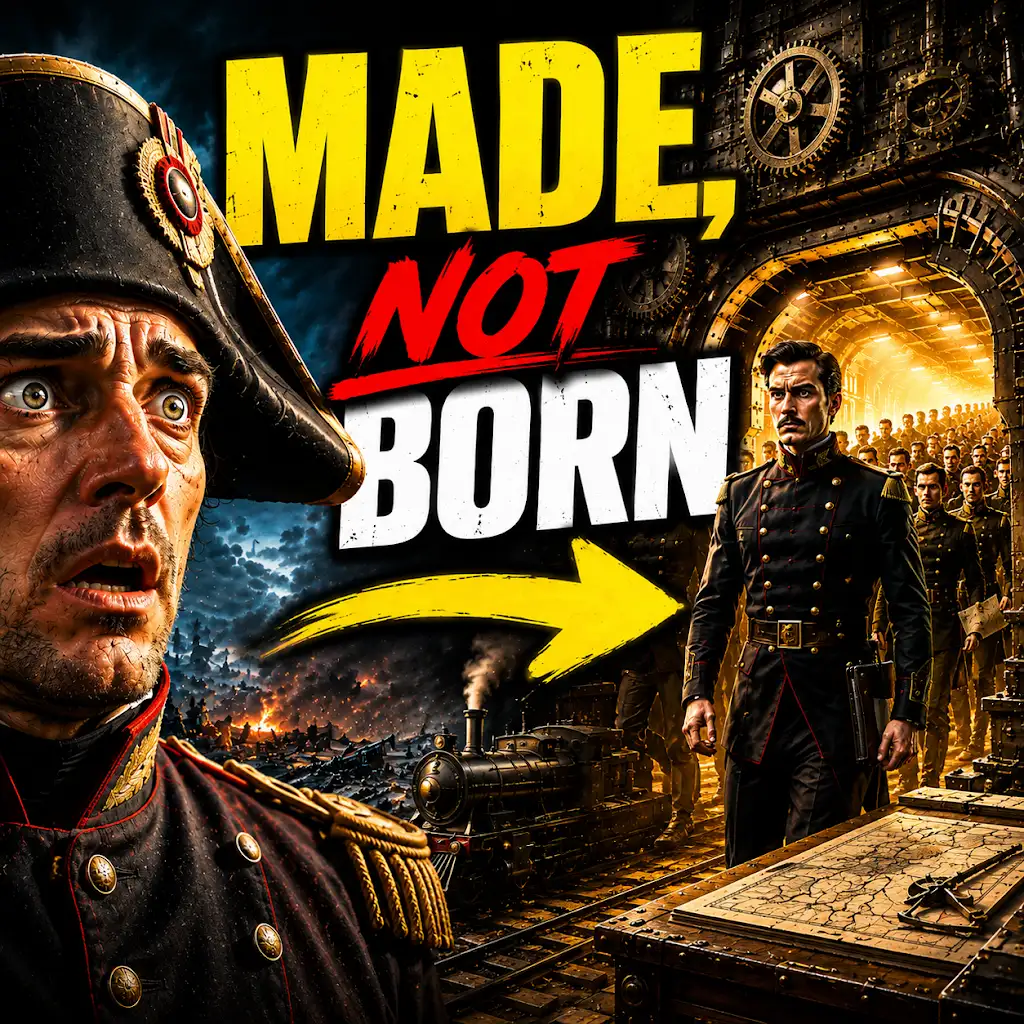
The Military Machine That Didn’t Need a Napoleon
FAQs
What is Kriegsspiel?
Kriegsspiel is a military wargame developed in Prussia in the 19th century as a training tool for officers. It was designed to simulate real battlefield conditions and help officers develop strategic thinking and decision-making skills.
How did Kriegsspiel work?
Kriegsspiel was played on a large map with miniature soldiers and terrain features. Two teams of players, representing opposing forces, would move their pieces according to a set of rules that simulated the effects of terrain, weather, and other factors on military operations. A referee, known as the “umpire,” would oversee the game and make judgments based on the rules.
What were the objectives of Kriegsspiel?
The main objectives of Kriegsspiel were to train officers in strategic and tactical decision-making, to simulate the fog of war and uncertainty of battle, and to develop teamwork and communication skills among the players. The game was also used to test new military tactics and strategies.
How did Kriegsspiel influence military training?
Kriegsspiel had a significant impact on military training and doctrine, particularly in Prussia and later in Germany. It was widely adopted by other European armies and influenced the development of modern wargaming and simulation techniques.
Is Kriegsspiel still used today?
While Kriegsspiel is no longer used in its original form, its principles and concepts have influenced modern military training and wargaming. Today, computer-based simulations and tabletop wargames continue to be used for training and education in military academies and defense organizations around the world.