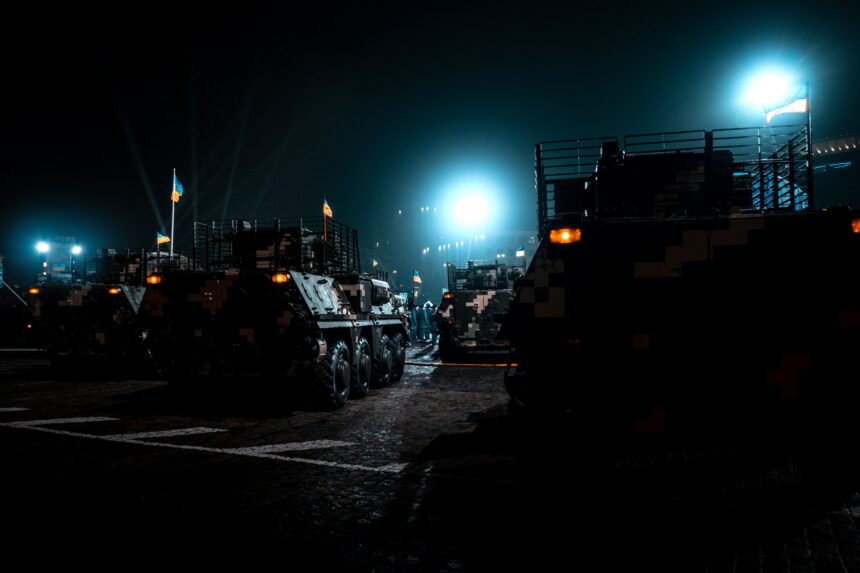
Understanding Industrial Warfare: A Comprehensive Explanation
Industrial warfare fundamentally represents a paradigm shift in the conduct of conflict, moving beyond localized skirmishes or the battles of ancient armies to encompass the mobilization of entire nations’ economic and societal resources. It is characterized by the large-scale application of industrial capacity to produce, deploy, and sustain military forces and weaponry on an unprecedented scale. This form of warfare, born from the Industrial Revolution, fundamentally altered the nature of combat, blurring the lines between the battlefield and the home front, and demanding immense coordination between civilian production and military objectives. Understanding industrial warfare requires a multifaceted approach, examining its historical evolution, its defining characteristics, the critical role of industrial capacity, its societal and economic impact, and its enduring legacy in shaping modern conflict.
The seeds of industrial warfare were sown long before the term itself gained currency. However, its distinct form truly emerged with the advent of mass production techniques and technological advancements during the Industrial Revolution. This era witnessed a profound transformation in human capacity not just for creating goods, but for creating the tools of war with unprecedented efficiency and volume.
The Precursors to Industrialized Conflict
Prior to the widespread adoption of industrial methods, warfare was largely a matter of manpower, rudimentary weaponry, and localized logistics. Armies were smaller, campaigns were often seasonal, and the production of weapons, while skilled, was largely artisanal. The logistical chains were fragile, limiting the endurance of any prolonged campaign far from centers of supply. While empires could field large armies, the capacity to equip and sustain them was a significant constraint. Innovations like gunpowder and improved metallurgy were significant, but they did not yet enable the systematic, mass-produced output that defines industrial warfare.
The Impact of the Industrial Revolution
The Industrial Revolution, beginning in the late 18th century and accelerating through the 19th, was the true catalyst for industrial warfare. Key developments included:
Mechanization and Mass Production
The invention of machines like the steam engine, the power loom, and later, the assembly line, revolutionized manufacturing. This allowed for the mass production of standardized goods, including weapons, ammunition, uniforms, and equipment, at a speed and scale previously unimaginable. This shift from artisanal production to factory-based output was a fundamental change.
Technological Innovation in Weaponry
The application of new scientific knowledge and engineering principles led to the development of increasingly potent and complex weaponry. This included:
Artillery and Firearms
Improvements in metallurgy and manufacturing led to more powerful and reliable artillery, breech-loading rifles, and eventually, machine guns. These weapons dramatically increased the lethality of the battlefield and demanded a constant and massive supply of ammunition.
Naval Power
Steam-powered warships, ironclads, and later, dreadnoughts, transformed naval warfare. The construction and maintenance of such fleets required enormous industrial capacity and resources.
Improvements in Transportation and Communication
The development of railways and steamships enabled the rapid transport of troops, supplies, and war materiel across vast distances. The telegraph and later, radio, facilitated faster and more effective command and control, essential for coordinating large-scale military operations. These logistical advancements were intertwined with industrial capacity, as the very infrastructure for transport and communication was an industrial product.
The Dawn of Total War: World War I
World War I is often cited as the quintessential example of industrial warfare entering its fully realized, and devastating, form. The conflict’s scale, duration, and unprecedented casualties were directly attributable to the industrial capacities of the belligerent nations.
Trench Warfare and Attrition
The static nature of trench warfare in World War I was a direct consequence of industrialized weaponry, particularly machine guns and artillery. These weapons could inflict devastating casualties on attacking infantry, leading to prolonged stalemates. The logistics of supplying trench armies with the enormous quantities of ammunition, food, and medical supplies required was a Herculean industrial undertaking.
The Industrial Arms Race
The period leading up to World War I was characterized by an intense industrial arms race. Nations poured resources into developing and manufacturing new weapons, expanding their factories, and training their workforces for war production. This created a vast industrial-military complex that was poised and ready for a large-scale conflict.
The Mobilization of Civilian Economies
World War I saw an unprecedented mobilization of civilian economies for the war effort. Factories were converted to produce munitions, women entered the workforce in large numbers to replace men at the front, and governments exerted significant control over economic activity to ensure the flow of resources to the military. This blurred the traditional distinction between combatant and non-combatant populations.
Industrial warfare has transformed the landscape of conflict, emphasizing the role of technology and mass production in military strategies. For a deeper understanding of this concept, you can explore the article titled “The Evolution of Industrial Warfare” available at In The War Room. This article delves into the historical context and the technological advancements that have shaped modern warfare, providing valuable insights into how industrial capabilities influence military outcomes.
Core Characteristics of Industrial Warfare
Industrial warfare is defined by a constellation of interconnected characteristics that differentiate it from earlier forms of conflict. These elements highlight the systemic nature of such wars and the profound societal mobilization they necessitate.
Scale and Scope of Operations
A defining feature of industrial warfare is its sheer scale. Conflicts involve vast armies, sprawling battlefronts, and campaigns that can span years. The geographical reach of operations is also amplified by industrial transportation capabilities.
Mass Armies
The ability to produce uniforms, weapons, and logistical support on a mass scale allows for the fielding of armies numbering in the millions. This contrasts sharply with the more limited manpower constraints of pre-industrial conflicts.
Extensive Front Lines
The logistical capacity to supply and sustain large armies enables the establishment and maintenance of extensive front lines, often stretching for hundreds or even thousands of kilometers.
Technological Intensification and Sophistication
Industrial warfare is inextricably linked to advanced technology. The constant drive for military advantage fuels innovation and the rapid development and deployment of new weapons systems.
Mechanized Warfare
The development of tanks, aircraft, and motorized transport fundamentally changed battlefield tactics and the speed of operations. These were products of advanced industrial manufacturing and engineering.
Chemical and Biological Weapons
The industrial capacity to produce and weaponize chemicals and biological agents added new dimensions of horror and devastation to warfare, although their widespread tactical use has been limited by international treaties.
Advanced Munitions
The production of increasingly sophisticated munitions, including high explosives, incendiary devices, and guided weaponry, reflects the advanced state of industrial chemistry, engineering, and physics.
Unprecedented Resource Consumption
Industrial warfare is incredibly resource-intensive. The production of vast quantities of weapons, ammunition, and equipment, along with the logistical support required, demands immense quantities of raw materials and energy.
Strategic Raw Materials
The control and acquisition of strategic raw materials like iron ore, coal, oil, and rubber become paramount objectives in industrial wars. Competition for these resources often drives geopolitical tensions.
Energy Demands
The industrial machinery of war, from factories to vehicles, requires vast amounts of energy. This underscores the importance of fuel sources and energy infrastructure in sustaining a prolonged conflict.
The Blurring of the Home Front and the Battlefield
Perhaps the most profound characteristic of industrial warfare is the erosion of the traditional separation between civilian life and the military conflict. The entire nation becomes part of the war effort.
Total Mobilization
Civilian populations and economies are mobilized to support the war. This includes conscription, rationing, war-time production quotas, and propaganda campaigns aimed at fostering national unity and support for the war effort.
Targeting of Civilian Infrastructure
As the scale of conflict grew, so too did the targeting of civilian infrastructure and industries that supported the enemy’s war effort. This included bombing raids on cities and industrial centers, leading to significant civilian casualties and a shift towards what is often termed “total war.”
The Crucial Role of Industrial Capacity

The ability of a nation to wage effective industrial warfare hinges on its industrial capacity. This encompasses not just the machinery and factories but also the skilled labor, raw materials, and organizational structures necessary to sustain a prolonged and technologically advanced conflict.
Production and Innovation
The primary role of industrial capacity is the efficient and continuous production of military hardware and materiel. This includes:
Munitions Manufacturing
The ability to churn out vast quantities of bullets, shells, bombs, and other ordnance is critical. This requires specialized factories, skilled workers, and reliable supply chains for raw materials.
Weapons Development and Production
From infantry rifles to tanks and aircraft, the industrial capacity to design, develop, and manufacture complex weapons systems is a decisive advantage. This often involves significant investment in research and development.
Logistics and Supply Chain Management
Industrial capacity extends to the production of vehicles, ships, and aircraft needed for transportation. Furthermore, the organization and management of complex supply chains to deliver these goods to the front lines is a vital industrial undertaking. This includes the production of fuel, spare parts, and other essential consumables.
Economic Resilience and Adaptability
In an industrial war, a nation’s economic resilience is tested to its limits. The ability to adapt production lines, overcome shortages, and maintain economic stability under the strain of war is crucial for long-term success.
Converting Civilian Industries
The capacity to rapidly convert civilian factories and industries to war production is a key indicator of industrial adaptability. This was a hallmark of World War I and II, where consumer goods production was redirected to military needs.
Resource Management and Substitution
When faced with shortages of essential raw materials, industrial nations must be able to manage existing resources effectively and find substitutes. This can involve developing new synthetic materials or exploiting alternative sources.
Technological Superiority and Research
A robust industrial base often fosters a culture of technological innovation. Nations with strong industrial sectors are better positioned to invest in research and development, leading to a qualitative edge in weaponry and military technology.
Scientific Research in Support of War
Universities and research institutions often collaborate with industry to advance military technology. This can lead to breakthroughs in areas like radar, cryptography, and materials science, all of which have significant military applications.
The Arms Race Dynamic
The industrial capacity to innovate and produce new technologies fuels the dynamic of arms races, where nations constantly seek to outdo each other in terms of military capabilities.
The Societal and Economic Impact of Industrial Warfare
The impact of industrial warfare extends far beyond the battlefield, profoundly reshaping the societies and economies of the nations involved. The mobilization required often leads to fundamental changes in social structures, gender roles, and economic organization.
Economic Transformation and Strain
The wartime economy operates under different imperatives than a peacetime economy. The focus shifts dramatically towards military production, often at the expense of civilian needs.
Government Control and Planning
Wartime governments typically exert significant control over the economy, directing production, allocating resources, and controlling prices and wages. This can lead to centralized economic planning and a departure from free-market principles.
National Debt and Inflation
The immense cost of financing industrial warfare often leads to massive increases in national debt. Governments may resort to printing money, which can fuel inflation and devalue currency.
Post-War Economic Reconstruction
The destruction wrought by industrial warfare, coupled with the economic shifts during wartime, necessitates significant post-war economic reconstruction efforts. This can involve rebuilding infrastructure, retooling industries, and managing demobilization.
Social Upheaval and Change
Industrial warfare has historically been a catalyst for significant social change. The demands of total war often challenge existing social norms and hierarchies.
Changing Gender Roles
The mobilization of male populations for military service opens up opportunities for women to enter the workforce in unprecedented numbers, taking on roles in factories and other industries. This can lead to long-term shifts in gender roles and expectations.
Propaganda and Public Opinion
Governments use propaganda extensively to maintain public support for the war effort, demonize the enemy, and encourage sacrifice. This can shape public discourse and national identity.
Human Cost and Trauma
The sheer scale of casualties in industrial warfare inflicts immense human suffering and collective trauma. The psychological impact on soldiers and civilians alike can have long-lasting consequences.
The Rise of the Military-Industrial Complex
Industrial warfare fosters a close and often symbiotic relationship between the military and the industries that support it. This “military-industrial complex” can exert significant influence on government policy and resource allocation.
Defense Industry Lobbying
Defense contractors have a vested interest in maintaining high levels of military spending and may lobby governments for policies that favor their industries.
Interdependence and Influence
The military relies on industry for its equipment and technology, while industry relies on the military for its primary market. This interdependence can create a powerful bloc with significant influence on national defense policy and even foreign policy.
Industrial warfare has transformed the landscape of conflict, emphasizing the importance of mass production and technological advancements in military strategy. For a deeper understanding of this concept, you can explore a related article that delves into the historical context and implications of industrial warfare. This insightful piece highlights how nations have adapted their industrial capabilities to meet the demands of modern combat, illustrating the profound impact on both military and civilian sectors. To read more about this fascinating topic, visit this article.
The Enduring Legacy of Industrial Warfare
| Aspect | Explanation |
|---|---|
| Definition | Industrial warfare refers to the use of industry and technology in the conduct of warfare, including the mass production of weapons and equipment. |
| Historical Context | Industrial warfare became prominent during the 19th and 20th centuries with the advent of industrialization and the two World Wars. |
| Impact | Industrial warfare led to significant changes in tactics, strategies, and the scale of conflicts, resulting in higher casualties and destruction. |
| Technology | Industrial warfare is characterized by the use of advanced weaponry, such as tanks, aircraft, and artillery, produced on a large scale. |
| Economic Factors | Industrial warfare is heavily influenced by economic resources and the ability to sustain production and supply lines during prolonged conflicts. |
While the nature of warfare continues to evolve with new technologies, the fundamental principles and lessons of industrial warfare remain relevant. Its legacy continues to shape modern military thinking, geopolitical dynamics, and the ethical considerations surrounding conflict.
The Evolution of Modern Warfare
Modern conflicts, even with their emphasis on precision strikes and cyber warfare, still draw upon the industrial base of nations. The production of advanced weaponry, the logistics of deployment, and the economic underpinnings of sustained military operations are direct descendants of industrial warfare.
The Information Age and Beyond
The Information Age has introduced new dimensions to warfare, with cyber warfare and artificial intelligence playing increasingly significant roles. However, the physical infrastructure and industrial capacity to develop and deploy these technologies and their countermeasures remain crucial.
Asymmetric Warfare and Industrial Power
Even in contemporary conflicts characterized by asymmetric warfare, the disparity in industrial capacity between state actors and non-state actors remains a significant factor. Wealthier, industrialized nations can leverage their economic and technological advantages to project power and sustain prolonged engagements.
Ethical and Moral Considerations
The horrors of industrial warfare, particularly the immense civilian casualties and the dehumanizing nature of mechanized slaughter, have raised profound ethical and moral questions about the conduct of war.
The Laws of War
The development of international humanitarian law, including the Geneva Conventions, has been a direct response to the devastating impacts of industrial warfare and aims to mitigate suffering and protect civilians.
The Debate over Humanitarian Intervention
The concept of humanitarian intervention, while complex, is often debated in the context of preventing or responding to atrocities that can stem from or be exacerbated by the industrial-scale capacity for destruction.
The Geopolitical Landscape
The ability to mobilize and sustain industrial warfare has been a defining factor in the rise and fall of great powers throughout the 20th century and continues to influence the global geopolitical landscape.
The Importance of Economic Strength
Economic strength, built upon a robust industrial base, remains a prerequisite for projecting military power and asserting influence on the international stage.
The Specter of Global Conflict
The potential for industrial warfare to escalate into catastrophic global conflicts, as witnessed in the World Wars, continues to be a stark reminder of the destructive potential of unchecked industrial military capacity and a driver for international diplomacy and arms control efforts. Understanding industrial warfare is thus not merely an academic exercise; it is essential for comprehending the historical forces that have shaped our world and for navigating the complexities of conflict in the present and future.

China’s Invisible Chokehold on Modern Weapons
FAQs
What is industrial warfare?
Industrial warfare refers to a type of warfare that involves the mobilization of a nation’s entire resources, including its industrial and economic capabilities, to support military efforts. This type of warfare often involves the mass production of weapons, equipment, and supplies to sustain prolonged military campaigns.
What are the key characteristics of industrial warfare?
Key characteristics of industrial warfare include the use of advanced technology and machinery, mass production of weapons and equipment, reliance on infrastructure and logistics, and the integration of economic and industrial resources into military strategies.
What are some examples of industrial warfare in history?
Examples of industrial warfare in history include World War I and World War II, where nations mobilized their industrial capabilities to produce large quantities of weapons, ammunition, vehicles, and other supplies to support their military efforts on a massive scale.
How does industrial warfare differ from other forms of warfare?
Industrial warfare differs from other forms of warfare, such as guerrilla warfare or conventional warfare, in its emphasis on the mass production and utilization of industrial and economic resources to support military operations on a large scale.
What are the impacts of industrial warfare on societies and economies?
Industrial warfare can have significant impacts on societies and economies, including the mobilization of labor and resources, the development of new technologies and industries, the destruction of infrastructure and resources, and long-term economic and social consequences.