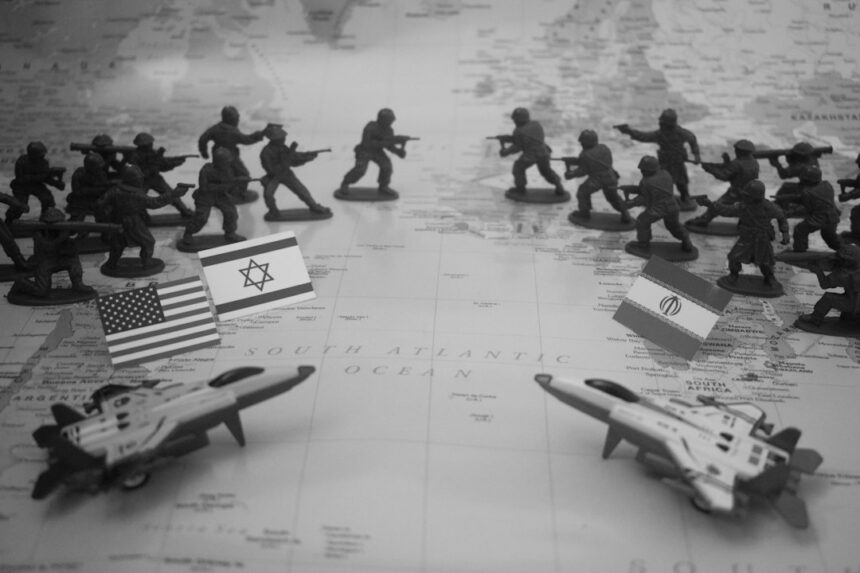
World War II remains a pivotal event in human history, a conflict that reshaped the global landscape and left an indelible mark on generations. The sheer scale and complexity of its military operations continue to fascinate historians, strategists, and the public alike. In this regard, the recently released documentary, “Uncovering World War 2 Military Strategy,” offers a compelling and insightful deep dive into the minds of the generals and the blueprints that guided the Allied and Axis forces. This cinematic exploration meticulously dissects the strategic decisions, technological innovations, and logistical challenges that defined the war’s outcome. It’s a journey that moves beyond the battlefield to examine the crucial intellectual warfare waged behind closed doors, in war rooms, and through coded messages. The documentary’s strength lies in its comprehensive approach, drawing on a wealth of archival footage, expert interviews, and animated maps to bring these intricate strategies to life.
The initial phase of “Uncovering World War 2 Military Strategy” delves into the pre-war strategic thinking that laid the groundwork for the inevitable conflict. It highlights how nations, anticipating hostilities, developed doctrines and war plans that would soon be put to the ultimate test. The documentary emphasizes that while many saw war as a possibility, the precise scale and nature of the ensuing global conflagration were difficult to fully grasp.
The Maginot Line and the Blitzkrieg Enigma
A significant portion of this section is dedicated to the contrasting strategic philosophies of France and Germany. The French reliance on the formidable Maginot Line, a series of fortifications designed to repel a direct invasion, is examined. The documentary questions its efficacy, portraying it as a symbol of static defense in an era that was rapidly embracing mobile warfare. Conversely, the rise of the German Blitzkrieg—a lightning war characterized by rapid, coordinated armored assaults and air support—is presented as a revolutionary concept that caught many by surprise. Experts discuss how German military theorists, drawing lessons from World War I and adapting them to new technologies, developed a doctrine that emphasized speed, surprise, and the psychological impact of overwhelming force.
The Phoney War and its Strategic Implications
The period of relative inactivity on the Western Front following the invasion of Poland, often dubbed the “Phoney War,” is also analyzed. The documentary posits that this lull, while seemingly uneventful, was a critical period for strategic recalibration. Both sides, though for different reasons, engaged in re-evaluation. The Allies, initially complacent, began to recognize the shortcomings of their defensive strategies, while Germany used the time to consolidate its gains and prepare for further offensives. The film argues that this period was not one of idleness but rather a strategic pause that allowed for the refinement of doctrines and the allocation of resources.
Naval Power and the Early Submarine Threat
Beyond land-based strategies, the documentary also explores the crucial role of naval power in the early stages of the war. The dominance of the German U-boats in the Battle of the Atlantic, aiming to cripple Britain’s supply lines, is a central theme. The film illustrates the technological cat-and-mouse game between submarine hunters and the elusive submarines, highlighting the strategic importance of controlling the seas. The early successes of the U-boats underscored the vulnerability of Allied shipping and the urgent need for effective anti-submarine warfare strategies.
For those interested in exploring the intricacies of World War II military strategy, a fascinating documentary can be found at In the War Room. This documentary delves into the tactical decisions made by military leaders during the war, providing insights into how these strategies shaped the course of history. It offers a comprehensive analysis of key battles and the innovative approaches that defined the conflict, making it a must-watch for history enthusiasts and military strategists alike.
The Eastern Front’s Brutal Calculus: Ideology and Annihilation
The Eastern Front of World War II stands as a testament to the sheer scale of human cost and the brutal calculus of ideological warfare. “Uncovering World War 2 Military Strategy” dedicates a substantial segment to this theater, illustrating how political motivations intertwined with military objectives to create a conflict of unparalleled ferocity.
Operation Barbarossa: The Ambition and the Miscalculations
The documentary meticulously dissects Operation Barbarossa, Germany’s invasion of the Soviet Union. It explores the ambitious goals of Hitler’s “Lebensraum” (living space) policy and the strategic underestimations of the Soviet Union’s industrial capacity and human resilience. Experts analyze the initial lightning successes of the German Wehrmacht, which pushed deep into Soviet territory. However, the film also highlights the critical strategic blunders: the vast distances involved, the harsh Russian winter, and the Soviet Union’s ability to mobilize its population and industrial output. The documentary suggests that the initial strategic brilliance of the Blitzkrieg was ultimately outmatched by a combination of geographical realities and an adversary that refused to break.
In exploring the intricate military strategies employed during World War 2, one can gain deeper insights by watching a compelling documentary that delves into the pivotal decisions made by leaders of the time. For those interested in further reading, a related article provides a comprehensive analysis of these strategies and their impacts on the war’s outcome. You can find this insightful piece at this link, which offers a detailed examination of the tactics that shaped the course of history.
The Siege of Leningrad and the Strategic Starvation
The protracted and brutal Siege of Leningrad is presented as a stark example of a strategy of attrition and deliberate starvation. The film contrasts the military objectives of encircling and isolating the city with the horrifying humanitarian consequences. It examines how the Soviet leadership, despite immense suffering, maintained a strategic resolve to hold the city, while the German objective was to break the will of the population and its defenders through deprivation. The documentary uses compelling archival footage to convey the grim reality faced by civilians and soldiers alike, emphasizing the ethical dimensions of such warfare.
The Battle of Stalingrad: A Turning Point Forged in Fire
The Battle of Stalingrad is unequivocally portrayed as a pivotal turning point on the Eastern Front and, arguably, for the entire war. The documentary details the ferocity of the urban warfare, the immense casualties on both sides, and the strategic brilliance of the Soviet counter-offensive, Operation Uranus. It illustrates how the encirclement of the German Sixth Army was not just a military victory but a profound psychological blow to the Nazi regime. Experts explain how Stalingrad became a symbol of Soviet resistance and the beginning of the Red Army’s inexorable advance westward. The film emphasizes the strategic lessons learned from this battle, including the importance of urban combat tactics and the psychological impact of decisive victories.
Partisan Warfare and the Unseen Front
Beyond the conventional battles, “Uncovering World War 2 Military Strategy” also sheds light on the crucial role of partisan warfare on the Eastern Front. The documentary explores how Soviet resistance fighters, operating behind enemy lines, waged a relentless guerrilla campaign, disrupting German supply lines, ambushing patrols, and tying down significant German forces. This “unseen front” is presented as a vital component of the overall Soviet strategy, contributing to the attrition of German resources and manpower. The film underscores the bravery and ingenuity of these irregular forces and their significant impact on the psychological and logistical aspects of the war.
The Pacific Crucible: Island Hopping and Naval Dominance
The vast expanse of the Pacific Ocean presented a unique set of strategic challenges and opportunities. “Uncovering World War 2 Military Strategy” dedicates a significant portion of its narrative to this theater, exploring the innovative tactics and the immense logistical undertakings required to wage war across such distances.
The Pearl Harbor Gambit and its Unintended Consequences
The documentary begins by examining the Japanese surprise attack on Pearl Harbor. It analyzes the strategic rationale behind this audacious move – to cripple the U.S. Pacific Fleet and secure dominance in Southeast Asia. However, the film also explores the unintended consequences of this attack, arguing that it galvanized American public opinion and brought the United States into the war with a singular focus on defeating Japan. Experts discuss how the Japanese strategic goal, while achieving short-term tactical success, ultimately led to a prolonged and ultimately unwinnable conflict against a resurgent America.
The Island-Hopping Campaign: A Leap of Faith
A central theme of this section is the Allied strategy of “island hopping,” spearheaded by the United States. The documentary meticulously explains the rationale behind this approach, which involved bypassing heavily fortified islands and seizing strategically important, less defended ones. The film illustrates how this strategy allowed the Allies to progressively advance across the Pacific, cutting off Japanese garrisons and establishing vital air and naval bases. Experts discuss the immense logistical challenges, the brutal amphibious assaults, and the heavy casualties associated with each island captured. The documentary highlights the strategic genius of this approach, which conserved resources and avoided costly frontal assaults against deeply entrenched enemy positions.
The Carrier War: Air
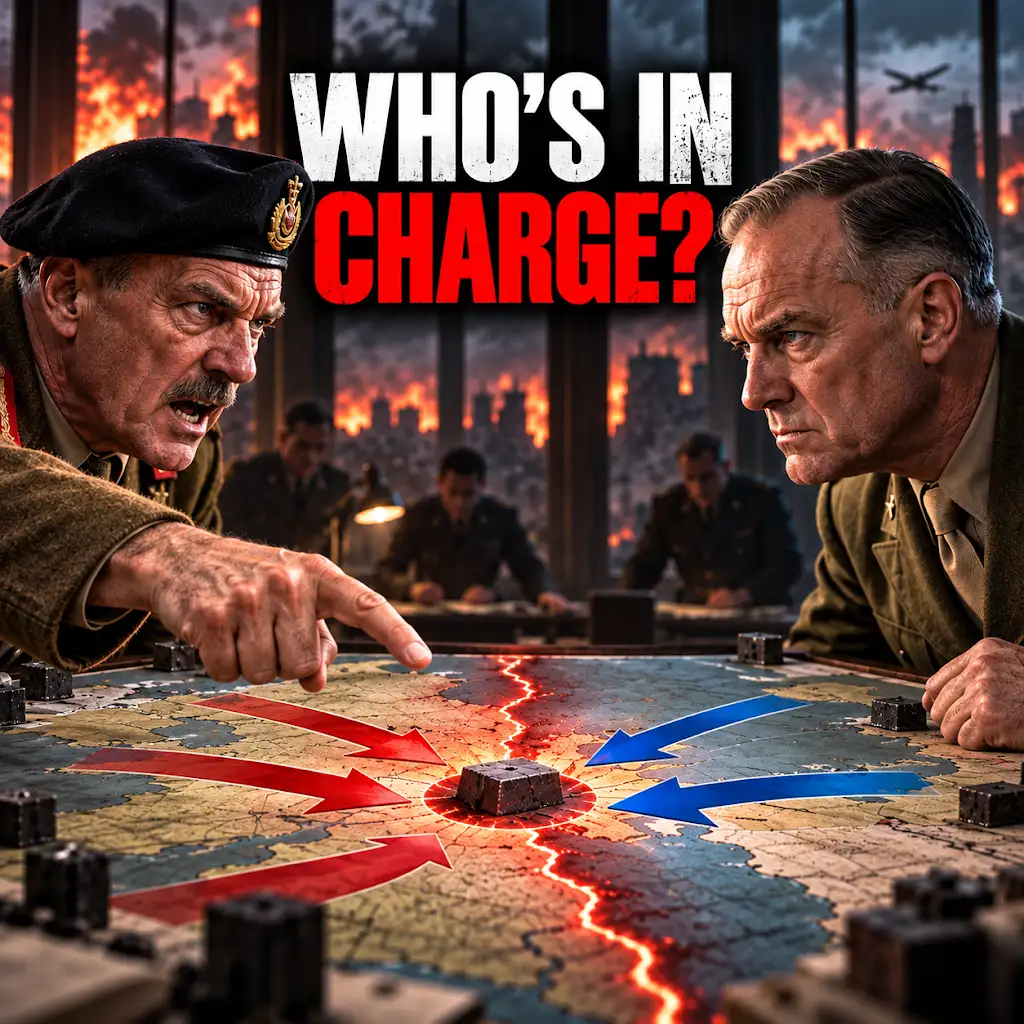
Eisenhower Gave Montgomery 2 U.S. Armies—Then He Wanted More
FAQs
What is the focus of the World War 2 military strategy documentary?
The documentary focuses on the military strategies employed by various countries during World War 2, including tactics, technology, and key battles.
Who are the key figures featured in the documentary?
The documentary features interviews with military historians, veterans, and experts in World War 2 military strategy, providing insights into the decision-making processes of key military leaders.
What countries are highlighted in the documentary?
The documentary covers the military strategies of major countries involved in World War 2, such as the United States, Germany, Japan, the Soviet Union, and the United Kingdom.
How does the documentary explore the impact of military strategy on the outcome of the war?
The documentary analyzes how different military strategies influenced the course of the war, including the importance of strategic planning, intelligence gathering, and technological advancements.
Where can viewers watch the World War 2 military strategy documentary?
The documentary may be available for streaming on various platforms, such as online streaming services, historical documentary channels, or through purchase on DVD or Blu-ray.