Uncovering Untold Stories: Military History Documentary
The annals of military history are vast, filled with heroic charges, strategic triumphs, and devastating losses. Yet, beneath the well-known narratives of generals and grand battles lie countless individual experiences, often overlooked, undocumented, or deliberately marginalized. The documentary project, “Uncovering Untold Stories,” seeks to delve into these forgotten corners, breathing life into the personal accounts that form the true, human fabric of conflict. This endeavor is more than just a historical recording; it is a conscious effort to rectify omissions, challenge prevailing narratives, and offer a more nuanced and comprehensive understanding of the profound impact of war on individuals and societies. The filmmakers are not merely chronicling events; they are meticulously excavating fragments of memory, piecing together whispers from the past, and giving voice to those whose stories have been drowned out by the thunder of cannon fire.
The vast majority of historical accounts, especially those concerning military engagements, tend to focus on overarching strategies, prominent leaders, and the grand sweep of events. While these elements are crucial for understanding the geopolitical landscape and the trajectory of wars, they often leave little room for the lived realities of the ordinary soldier, sailor, or airman. These are the individuals who endured the grueling marches, the long nights of vigilance, the visceral terror of combat, and the pervasive existential dread. Their stories, filled with moments of profound courage, unexpected kindness, crippling fear, and enduring camaraderie, are as vital to understanding a conflict as any battle plan. “Uncovering Untold Stories” recognizes that a complete understanding of military history necessitates venturing beyond the official records and celebrated biographies to explore the perspectives of those who were at the ground level, experiencing the raw, unfiltered impact of war.
The Gaps in Traditional Narratives
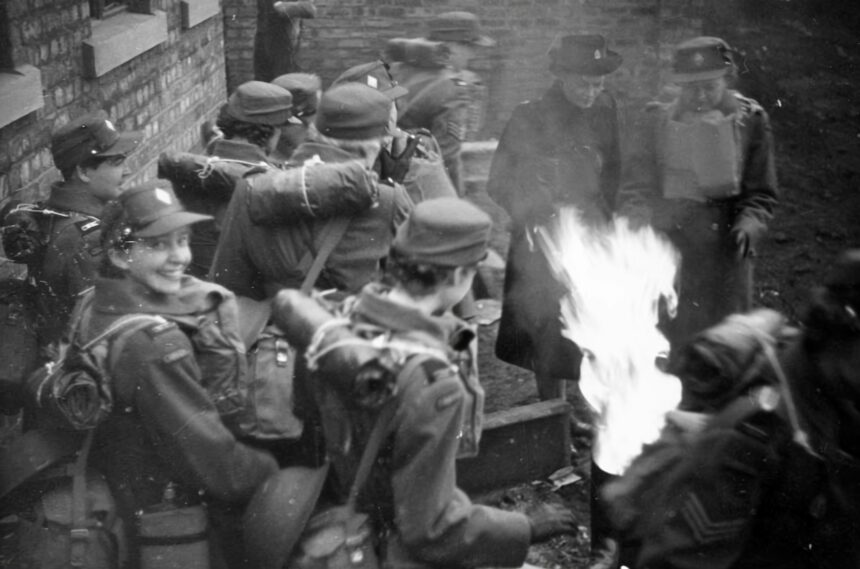
Traditional military history, by its very nature, often prioritizes official reports, strategic analyses, and the accounts of those in command. This inherent bias can lead to significant gaps in our understanding. The stories of enlisted personnel, civilians caught in the crossfire, women in auxiliary roles, and individuals from marginalized communities or opposing sides of a conflict are frequently relegated to footnotes or omitted entirely. The documentary aims to systematically address these omissions, ensuring that the tapestry of military history is woven with threads from every corner of human experience, not just from the privileged few. This involves a painstaking process of research, seeking out diaries, letters, oral histories, and other primary sources that might otherwise remain undiscovered.
The Human Cost Beyond Statistics
War is often discussed in terms of casualties, territorial gains, and economic expenditure. While these metrics are important for assessing the scale of a conflict, they fail to capture the immeasurable human cost. “Uncovering Untold Stories” seeks to humanize these statistics by focusing on individual lives, their hopes, their fears, and their ultimate sacrifices. The project’s core philosophy is that behind every casualty figure, every medal awarded, and every strategic decision, there lies a complex human drama. By bringing these personal narratives to the forefront, the documentary endeavors to foster a deeper empathetic connection with the past and to underscore the profound and often devastating personal toll of warfare.
Challenging Dominant Ideologies and Propaganda
Historical narratives are not always neutral; they can be shaped by political agendas, nationalistic fervor, and the desire to glorify victors while demonizing the vanquished. “Uncovering Untold Stories” actively seeks to challenge these dominant ideologies by presenting perspectives that may contradict established national myths or heroic portrayals. This includes exploring the experiences of those on the losing side, the internal dissent within armies, or the moral ambiguities that often characterize wartime decisions. By offering alternative viewpoints, the documentary aims to promote critical thinking and a more balanced, less biased understanding of historical events.
For those interested in exploring the intricate details of military history, a fascinating article that delves into the evolution of warfare tactics can be found at In the War Room. This resource provides a comprehensive overview of significant battles and strategies that have shaped modern military practices, making it a valuable companion to any military history documentary.
The Process of Excavation: Research and Discovery
The journey to uncover untold stories is an arduous yet profoundly rewarding one. It requires a multidisciplinary approach, combining rigorous archival research with empathetic interviewing and meticulous verification. The filmmakers employ a dedicated team of historians, researchers, and storytellers to navigate the vast landscape of historical records and to forge connections with individuals and communities that hold these forgotten narratives.
Archival Deep Dives
The initial phase of the project involves extensive archival research. This includes scouring national archives, military museums, university collections, and private family repositories. Researchers meticulously examine official military records, diaries, letters, photographs, unit histories, and the personal effects of soldiers, nurses, and civilians. Special attention is paid to less commonly accessed archives, such as those pertaining to colonial conflicts, campaigns in distant theaters, or the experiences of specific ethnic or social groups. The goal is to unearth primary source material that has been overlooked or underutilized.
Oral Histories: Giving Voice to the Living
For conflicts within living memory, the collection of oral histories is paramount. The documentary team conducts in-depth interviews with veterans, civilian survivors, and their descendants. These interviews are approached with sensitivity and respect, creating a safe space for individuals to share their experiences, memories, and emotions. The aim is not just to record facts but to capture the essence of their lived reality, the nuances of their emotions, and the enduring impact of their wartime experiences. These personal testimonies provide a vital counterpoint to official accounts, offering an intimate and authentic perspective.
Community Engagement and Outreach
“Uncovering Untold Stories” actively engages with communities that may have a strong connection to specific conflicts or groups whose histories have been marginalized. This involves collaborating with local historical societies, veterans’ organizations, cultural heritage groups, and educational institutions. Outreach efforts are designed to solicit submissions of personal stories, artifacts, and photographs, broadening the scope of the documentary and ensuring that a diverse range of voices are heard. This also helps to build trust and rapport within communities, encouraging individuals to share their valuable historical contributions.
Collaborative Efforts with Descendants and Family Historians
Descendants of soldiers and civilians often possess invaluable personal documents, photographs, and anecdotal knowledge that can shed light on forgotten aspects of military history. The documentary team works closely with these families, helping them to organize and interpret their historical materials. This collaborative approach not only enriches the documentary but also provides families with a deeper understanding and appreciation of their ancestors’ experiences, preserving these legacies for future generations.
Thematic Focus Areas: Beyond the Battlefield

While the documentary series will naturally explore combat experiences, its thematic scope extends far beyond the immediate action of battle. “Uncovering Untold Stories” is dedicated to exploring the multifaceted human experience of war, encompassing the roles of individuals in support capacities, the psychological impact of conflict, and the long-term consequences for civilians and soldiers alike.
The Unsung Heroes of the Support Network
The success of any military operation hinges not only on the courage of those on the front lines but also on the dedication and resilience of those who provide essential support. This includes medics and nurses who faced unimaginable horrors to save lives, logistics personnel who ensured the flow of supplies under perilous conditions, intelligence officers who bravely gathered crucial information, and engineers who built vital infrastructure. The documentary will dedicate significant segments to these often-overlooked individuals, highlighting their contributions and the immense personal sacrifices they made.
The Psychological Scars: Trauma and Resilience
War inflicts deep psychological wounds that can linger long after the cessation of hostilities. “Uncovering Untold Stories” will delve into the experiences of individuals suffering from combat stress, post-traumatic stress disorder (PTSD), and other mental health challenges. It will also explore narratives of remarkable resilience, examining how individuals coped with trauma, found healing, and rebuilt their lives. This aspect of the documentary aims to destigmatize mental health issues related to war and to foster understanding and compassion for those affected.
The Civilian Experience: Caught in the Crossfire
The impact of war extends far beyond the soldiers who fight it. Civilians often bear the brunt of conflict, facing displacement, starvation, loss of loved ones, and the destruction of their homes and communities. The documentary will spotlight the harrowing experiences of civilians, including those in occupied territories, those who were refugees, and those who lived through sieges and bombings. These stories are crucial for a complete understanding of the true cost of war and the devastating consequences for innocent populations.
The Experiences of Marginalized Groups
Military history has often been written from a predominantly Western, male perspective. “Uncovering Untold Stories” is committed to rectifying this imbalance by actively seeking out and amplifying the voices of marginalized groups, including women (in both combat and support roles), ethnic minorities, indigenous populations, LGBTQ+ individuals, and those who fought on opposing sides of conflicts. Their unique perspectives offer critical insights that enrich and challenge traditional historical narratives.
Crafting the Narrative: Documentary Filmmaking Techniques

The challenge of “Uncovering Untold Stories” lies not only in finding these hidden narratives but also in presenting them in a compelling and accessible way. The filmmakers employ a range of documentary techniques to bring these stories to life, balancing historical accuracy with emotional resonance.
Evocative Cinematography and Visual Storytelling
The visual language of the documentary is crucial for immersing the audience in the historical context. This involves utilizing a combination of archival footage, historical photographs, carefully staged reenactments (used sparingly and clearly delineated), and striking contemporary cinematography of significant historical sites. The aim is to create a visually rich and emotionally resonant experience that transports viewers to the past and helps them connect with the human experiences being portrayed.
Expert Commentary and Historical Contextualization
To provide depth and clarity, the documentary features commentary from leading historians, military analysts, and subject matter experts. These experts offer crucial historical context, explain the significance of events, and provide analysis that helps viewers understand the broader implications of the untold stories being shared. Their insights bridge the gap between individual experiences and the larger historical picture, ensuring that the audience gains a comprehensive understanding.
The Power of Music and Sound Design
Music and sound design play a vital role in shaping the emotional tone of the documentary. The filmmakers carefully select music that complements the narratives, evoking feelings of tension, sorrow, hope, or triumph. Sound design is used to recreate the atmosphere of different eras and locations, from the din of battle to the quiet contemplation of a soldier’s diary. The skillful use of these elements enhances the immersive quality of the documentary and amplifies the emotional impact of the stories.
Respectful and Empathetic Editing
The editing process is where the raw material of research and interviews is meticulously woven into a cohesive narrative. The editors are tasked with pacing the stories effectively, balancing moments of intense drama with periods of reflection, and ensuring that the original voices of the storytellers are respected and preserved. The editing process is guided by a commitment to empathy and historical accuracy, striving to tell each story with the dignity and respect it deserves.
For those interested in the intricate details of military history, a fascinating article can be found that delves into the evolution of warfare strategies throughout the centuries. This piece not only highlights significant battles but also explores the technological advancements that have shaped modern military tactics. To learn more about these developments and their impact on contemporary conflicts, you can read the full article here.
Legacy and Impact: A Call for Deeper Understanding
| Documentary Title | Release Year | Duration | Director |
|---|---|---|---|
| The World at War | 1973 | 26 episodes | Jeremy Isaacs |
| WWII in HD | 2009 | 10 episodes | Samuel K. Dolan |
| The Vietnam War | 2017 | 10 episodes | Ken Burns |
The ultimate goal of “Uncovering Untold Stories: Military History Documentary” is to foster a deeper, more nuanced, and more human understanding of military history. By bringing these often-invisible narratives to light, the project aims to contribute to a more inclusive and comprehensive historical record, one that acknowledges the full spectrum of human experience in times of conflict.
Fostering Empathy and Critical Thinking
The documentary endeavors to move beyond sterile historical facts to cultivate empathy for those who have lived through war. By presenting individual stories with authenticity and emotion, it encourages audiences to reflect on the human cost of conflict, the enduring power of the human spirit, and the complexities of historical events. This, in turn, can foster critical thinking and a greater questioning of simplified, nationalistic narratives.
Preserving Forgotten Legacies for Future Generations
Many of the stories being uncovered are from individuals who are no longer alive, and their knowledge and experiences risk being lost forever. The documentary serves as a vital archival project, meticulously documenting these forgotten legacies and making them accessible to future generations. This ensures that the sacrifices, struggles, and triumphs of these individuals are not erased from the historical record.
Inspiring Further Research and Dialogue
By highlighting the existence of countless untold stories, “Uncovering Untold Stories” aims to inspire further research and encourage continued dialogue about military history and its impact. It serves as a testament to the fact that history is not a static entity but a constantly evolving field, rich with undiscovered narratives waiting to be unearthed. The documentary hopes to spark curiosity and motivate others to seek out the forgotten stories within their own family histories and communities.
A More Complete Picture of Humanity
Ultimately, “Uncovering Untold Stories” seeks to paint a more complete and truthful portrait of humanity’s engagement with conflict. By moving beyond the traditional focus on strategy and leadership to embrace the experiences of all those involved, the documentary offers a richer, more complex, and ultimately more profound understanding of war and its enduring impact on the human condition. It is an essential undertaking in our collective effort to learn from the past and to build a more peaceful future.

How the CIA Tried to Steal a Soviet Nuclear Submarine
FAQs
What is a military history documentary?
A military history documentary is a film or television program that explores and presents historical events, figures, and developments related to military conflicts, wars, and battles. These documentaries often include archival footage, interviews with historians and experts, and dramatic reenactments to provide a comprehensive and engaging look at military history.
What are the benefits of watching military history documentaries?
Watching military history documentaries can provide viewers with a deeper understanding of historical events, the strategies and tactics employed in warfare, and the impact of military conflicts on societies and cultures. These documentaries can also offer valuable insights into leadership, decision-making, and the human experience during times of war.
Where can I find military history documentaries?
Military history documentaries can be found on various streaming platforms, such as Netflix, Amazon Prime Video, and Hulu, as well as on dedicated documentary channels like History Channel and National Geographic. Additionally, many documentaries are available for purchase or rental on DVD and Blu-ray, and some may be accessible through online video rental services.
What are some popular military history documentaries?
Some popular military history documentaries include “The World at War,” “Vietnam in HD,” “WWII in HD,” “The Civil War,” “Apocalypse: The Second World War,” and “The War.” These documentaries cover a wide range of historical periods and events, offering in-depth and compelling narratives of military history.
Are military history documentaries accurate?
While military history documentaries strive to present accurate and well-researched information, it’s important for viewers to approach them with a critical mindset. Documentaries may sometimes include interpretations or perspectives that are subject to debate among historians and experts. It’s advisable to seek out multiple sources and viewpoints to gain a comprehensive understanding of military history.