Project 641: The Soviet Submarine That Haunted the Seas
For decades, the rumblings of the Cold War echoed across the globe, a tense standoff between two superpowers fueled by ideological differences and a relentless arms race. Beneath the waves of the world’s oceans, this silent conflict played out in the shadowy depths, where advanced submarines prowled, gathering intelligence and projecting power. Among the most formidable and enigmatic of these underwater leviathans was the Project 641 submarine, a class that, despite its long service and significant impact, remains shrouded in a veil of mystery. For those outside Soviet naval circles, Project 641 was a ghost in the machine, a silent predator whose true capabilities and operational history were largely unknown. This article aims to peel back the layers of secrecy surrounding these formidable vessels, uncovering the secrets of Project 641 and shedding light on their crucial role in the Soviet Union’s maritime strategy.
The mid-20th century witnessed a dramatic escalation in naval technology, particularly in the realm of submarine warfare. NATO, spearheaded by the United States, was rapidly developing and deploying a new generation of hunter-killer submarines, designed to neutralize Soviet naval assets and control vital sea lanes. The Soviet Union, keenly aware of this burgeoning threat, recognized the urgent need to bolster its own submarine fleet. Project 641 was born out of this strategic imperative, conceived as a direct response to the perceived technological gap with the West.
Early Cold War Submarine Development
Prior to Project 641, Soviet submarine design had largely focused on coastal defense and relatively short-range patrols. However, the increasing sophistication of NATO’s sonar systems and the development of longer-range torpedoes necessitated a new type of submarine – one that could operate independently for extended periods, conduct sophisticated intelligence gathering, and pose a credible threat to Western naval forces across vast ocean expanses. This shift in strategic thinking marked a pivotal moment in Soviet submarine design.
The Influence of Captured Technology
While Soviet engineers were undoubtedly innovative, the development of Project 641 was also, in part, influenced by the acquisition of foreign technology. Intelligence gathering operations, often conducted with daring and ingenuity, provided Soviet designers with insights into Western submarine designs. The capture and analysis of German Type XXI U-boats from World War II had already laid some groundwork for advancements in hull design and propulsion. However, the focus for Project 641 was on incorporating the latest thinking in endurance, stealth, and offensive capabilities.
The Design Philosophy: Endurance and Versatility
The core design philosophy behind Project 641 was to create a submarine that could project Soviet power far from its home shores. This meant prioritizing long endurance, allowing for extended deployments in the Atlantic and even Pacific oceans. The submarines needed to be versatile, capable of both offensive operations against NATO shipping and warships, as well as intelligence gathering and reconnaissance missions. This duality of purpose would define the operational profile of the Project 641 class.
Project 641, also known as the Foxtrot-class submarine, represents a significant chapter in Soviet naval history, showcasing the advancements in underwater warfare during the Cold War era. For those interested in exploring more about the operational history and technological innovations of this submarine class, a related article can be found at In The War Room, which delves into various aspects of submarine warfare and the strategic implications of Project 641 within the broader context of naval power.
Technical Marvels and Operational Capabilities: A Deep Dive into the Foxtrot-Class
The Project 641 submarines, known to NATO as the “Foxtrot” class, were a significant leap forward for the Soviet Navy. While not as technologically advanced as some of their Western counterparts in certain areas, they possessed a robust and reliable design that made them a formidable presence in the global seas. Their sheer numbers and operational discipline made them a constant concern for Western navies.
Hull Design and Size
The Project 641 submarines were diesel-electric boats, a common configuration for the era. They featured a double-hull design, which provided greater structural integrity and improved their ability to dive deeper. With a length of approximately 90 meters and a beam of around 8 meters, they were a substantial vessel, displacing around 2,000 tons submerged. This size allowed for a significant complement of weaponry and fuel, contributing to their extended operational range.
Propulsion Systems: Diesel and Electric Power
The propulsion system of the Foxtrot class was a testament to the prevailing diesel-electric technology of the time. On the surface and when snorkeling (drawing in air through a mast while submerged just below the surface), they were powered by diesel engines, providing them with the speed and range necessary for transit. Once submerged, they relied on large battery banks to power their electric motors. While this system offered good underwater endurance, it also meant that extended periods of high-speed submerged operation were limited by battery life, forcing them to surface or snorkel more frequently to recharge.
Sonar and Sensor Suites: The Eyes and Ears of the Deep
Effective sonar and sensor systems were critical for any submarine operating in the complex underwater environment of the Cold War. The Project 641 class was equipped with a range of sonar systems, including active and passive sonar, designed to detect and track enemy vessels. While some of these systems were considered state-of-the-art for their time, they were also a constant area of development and improvement, as both sides sought to gain an edge in detection capabilities. The effectiveness of their sonar was a key factor in their ability to conduct successful patrols.
Armament: A Potent Underwater Arsenal
The Project 641 submarines were armed with a formidable array of torpedoes. They typically carried 10 torpedo tubes, capable of firing a mix of anti-ship and anti-submarine torpedoes. These weapons, combined with the submarine’s ability to approach targets undetected, made them a serious threat to NATO naval formations. The Soviet Union also experimented with carrying mines and even conducting limited land-attack missile capabilities on some modified versions of the class.
Operational Deployments: The Foxtrot’s Global Footprint

The true impact of Project 641 is best understood through its operational deployments. These submarines were not confined to the Baltic or Black Seas; they ventured into the vast expanse of the Atlantic and Pacific, conducting patrols that often brought them uncomfortably close to NATO naval exercises and shipping lanes. Their presence served as a constant reminder of the Soviet Union’s global maritime ambitions.
Atlantic Patrols: Shadowing NATO Convoys
One of the primary missions for the Foxtrot class was to shadow NATO convoys and identify potential vulnerabilities. In the event of a conflict, these submarines were tasked with disrupting the flow of vital supplies to Europe. Their ability to remain submerged for extended periods allowed them to lie in wait, patiently observing and reporting on the movements of naval assets. These patrols were a constant source of anxiety for NATO navies, requiring dedicated anti-submarine warfare (ASW) assets to be deployed in their pursuit.
Intelligence Gathering Missions: The Silent Spies of the Deep
Beyond direct military threat, Project 641 submarines played a crucial role in intelligence gathering. Equipped with sophisticated listening devices and cameras, they could monitor Western naval communications, observe ship construction yards, and document the deployment of new naval technologies. These clandestine missions were vital for the Soviet Union’s strategic planning and provided invaluable insights into the capabilities and intentions of their adversaries. Some of these missions were particularly daring, venturing into sensitive areas with a high risk of detection.
Operations in the Mediterranean and Indian Oceans
The strategic reach of Project 641 extended beyond the North Atlantic. These submarines were also deployed to the Mediterranean Sea, a vital waterway for NATO, and the Indian Ocean, where the Soviet Union sought to expand its influence. Their presence in these regions served to project Soviet power and deter potential aggression, while also providing intelligence on regional naval activities. The global nature of their operations highlighted the Soviet Union’s commitment to projecting its power on a worldwide scale.
Notable Incidents and Encounters: When the Shadows Revealed Themselves

While the primary objective of Project 641 was to operate unseen, there were instances where these submarines came into contact with Western naval forces, sometimes leading to tense confrontations or significant intelligence coups. These encounters, though often downplayed at the time, offer a glimpse into the cat-and-mouse game that defined the Cold War at sea.
The USS George Washington Incident (1968)
Perhaps one of the most famous, or infamous, encounters involving a Project 641 submarine occurred in 1968. A Soviet Foxtrot-class submarine, reportedly carrying nuclear missiles, was involved in a collision with the US Navy ballistic missile submarine USS George Washington in the Atlantic Ocean. While both submarines managed to return to port, the incident highlighted the close proximity and inherent dangers of submarine operations during the Cold War. The lack of direct communication between the submerged submarines added to the tension of the event.
Intelligence Gains from Captured Vessels
The Soviet Union, in turn, also benefited from intelligence gained from encounters with Western submarines. While Project 641 was a recipient of such intelligence, some Western analyses of captured Soviet submarines provided crucial insights into their capabilities. The capture of the Soviet intelligence gathering submarine B-59 during the Cuban Missile Crisis, for example, provided valuable information about Soviet underwater operations. The flow of information, both overt and covert, was a constant factor in the technological race.
The Silent Game of Cat and Mouse
The daily reality for the crews of Project 641 submarines and their NATO counterparts was a relentless game of cat and mouse. Days, weeks, and months were spent listening, tracking, and evading. The psychological toll on the crews was immense, operating in the confined spaces of the submarine, always aware of the potential for a deadly encounter. The success of these missions often hinged on maintaining absolute silence and a profound understanding of underwater acoustics.
The Project 641 Soviet submarine, known for its distinctive design and capabilities during the Cold War, has been the subject of various analyses and discussions. For those interested in exploring more about the historical context and operational details of these submarines, a related article can be found at this link. This resource provides valuable insights into the technological advancements and strategic significance of the Project 641, shedding light on its role within the Soviet naval fleet.
Legacy and Decline: The End of an Era
| Category | Metric |
|---|---|
| Length | 91.3 meters |
| Displacement | 2,350 tons |
| Speed | 13 knots surfaced, 10 knots submerged |
| Armament | 10 torpedo tubes |
| Complement | 78 officers and crew |
As the Cold War drew to a close and naval technology continued to evolve, the Project 641 class, like many of its contemporaries, began to show its age. While they had served the Soviet Navy with distinction for decades, they were eventually superseded by more advanced nuclear-powered submarines. Their legacy, however, continues to resonate in the history of submarine warfare.
The Rise of Nuclear Propulsion
The advent and widespread adoption of nuclear propulsion marked a paradigm shift in submarine warfare. Nuclear submarines offered unparalleled endurance, speed, and the ability to remain submerged indefinitely, rendering the limitations of diesel-electric technology increasingly apparent. This technological leap ultimately relegated the Project 641 class to a secondary role.
Phasing Out and International Service
By the late 20th century, the Project 641 submarines began to be systematically phased out of service with the Soviet and later Russian navies. Many were decommissioned and scrapped, but a significant number found new life in the navies of allied nations, including India, Libya, and Cuba. These submarines continued to serve for many years, a testament to their robust construction and the adaptability of their design.
A Quiet End to a Shadowy Career
The Project 641 submarines, the silent hunters of the Cold War, have largely faded from public consciousness. Their operational careers were defined by secrecy and the shadows of the deep. Yet, their impact on naval strategy, intelligence gathering, and the balance of power during the Cold War cannot be overstated. They were a critical component of the Soviet Union’s maritime power projection and a constant source of concern for the West. Uncovering their secrets reveals a crucial chapter in the history of underwater warfare, a testament to the ingenuity and dedication of the men who sailed them, and the enduring strategic importance of the silent services. Their story is a reminder that beneath the surface of global events, a silent, intricate struggle for dominance was constantly unfolding.
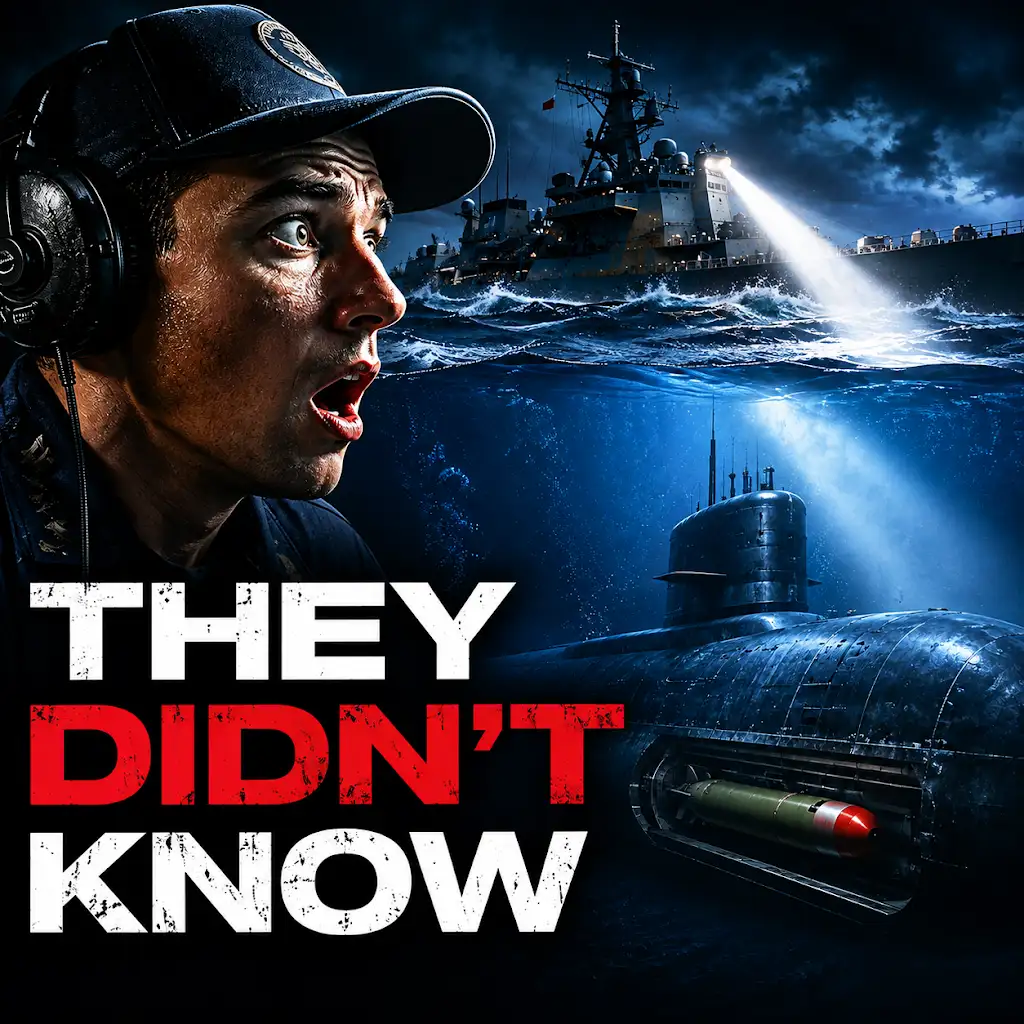
The U.S. Navy Didn’t Know This Submarine Had a Nuclear Torpedo
FAQs
What is Project 641 Soviet submarine?
Project 641, also known as the Foxtrot class, was a class of diesel-electric patrol submarines built for the Soviet Navy. They were designed for anti-submarine warfare and reconnaissance missions.
When were the Project 641 Soviet submarines built?
The Project 641 Soviet submarines were built between 1957 and 1983. A total of 58 submarines were constructed during this time period.
What were the specifications of the Project 641 Soviet submarines?
The Project 641 submarines had a length of 89 meters, a beam of 7.4 meters, and a draft of 5.1 meters. They had a submerged displacement of 2,475 tons and were powered by diesel-electric propulsion systems.
What was the armament of the Project 641 Soviet submarines?
The Project 641 submarines were armed with 533 mm torpedo tubes and carried a complement of 22 torpedoes. They were also equipped with anti-ship and anti-submarine missiles.
What was the operational history of the Project 641 Soviet submarines?
The Project 641 submarines were used by the Soviet Navy for various missions, including patrolling the waters of the Atlantic and Pacific Oceans. They were also deployed for intelligence-gathering and surveillance operations during the Cold War. Many of these submarines were eventually decommissioned and scrapped, while some were sold to other countries for further use.