You stand at the precipice of understanding, gazing out at the vast, often unseen, world of naval reconnaissance. It is a realm of shadows and whispers, where the silent dance of information gathering dictates the flow of power on the world’s oceans. To truly grasp its significance, you must peel back the layers, much like an astute cartographer meticulously charting uncharted territories, to reveal the intricate machinery and strategic thought that underpins this vital military discipline.
Naval reconnaissance, at its core, is the art and science of observing, identifying, and reporting on enemy naval forces, installations, and activities. It is the ceaseless endeavor to transform the unknown into the known, to paint a clear picture of the maritime domain. You can think of it as the ocean’s very own eyes and ears, constantly scanning the horizon for subtle shifts that might portend larger movements. Without this vigilant watch, any naval operation would be akin to sailing blindfolded through a minefield. The primary objective is to provide timely and accurate intelligence, enabling commanders to make informed decisions, exploit opportunities, and mitigate threats. This isn’t about flamboyant displays of force; it’s about the quiet accumulation of data, the meticulous piecing together of discrete observations into a coherent narrative.
Defining the Scope: What Exactly Are We Looking For?
The scope of naval reconnaissance is broad, encompassing a multitude of targets and activities. You are not merely looking for enemy warships, although they are a primary concern. Your gaze extends to merchant shipping, critical for understanding logistics and economic leverage. You monitor port facilities, naval bases, and airfields, recognizing their strategic importance as hubs of power projection. Furthermore, the exploration of submarine operating areas, the identification of minefields, and the assessment of coastal defenses all fall under this umbrella. The aim is to create a comprehensive situational awareness, a mental map of the maritime battlefield where every detail matters.
The Information Imperative: Why Intelligence is Paramount
In naval warfare, intelligence is not a luxury; it is the bedrock of survival and success. Imagine trying to prepare a defense against an unseen attacker; reconnaissance provides the intel to identify the attacker’s approach, their strength, and their intentions. This allows for the allocation of resources, the deployment of assets, and the formulation of countermeasures. The adage “know your enemy and know yourself, and you need not fear the result of a hundred battles” rings particularly true in the naval arena. The consequences of a lack of intelligence can be catastrophic, leading to ambushes, lost battles, and ultimately, strategic disadvantage.
Naval reconnaissance plays a crucial role in modern maritime operations, providing vital intelligence that enhances situational awareness and decision-making. For a deeper understanding of the strategies and technologies involved in naval reconnaissance, you can explore the article titled “The Evolving Landscape of Naval Intelligence” available at In The War Room. This article delves into the advancements in reconnaissance methods and their implications for naval warfare, highlighting the importance of effective intelligence gathering in maintaining maritime security.
The Tools of the Trade: Platforms and Technologies
The effectiveness of naval reconnaissance hinges on the sophisticated array of platforms and technologies employed. These are the instruments that extend your senses beyond the natural limitations, allowing you to perceive the world from angles and distances previously unimaginable. Each platform, each technology, plays a crucial role in this intricate information-gathering network, like individual instruments in a symphony orchestra, each contributing to the overall harmony – or dissonance, from the enemy’s perspective.
Aerial Assets: Wings Over the Waves
Aircraft have long been indispensable to naval reconnaissance. Their ability to cover vast areas quickly and provide an elevated vantage point makes them ideal for wide-ranging patrols and rapid threat assessment.
Maritime Patrol Aircraft (MPAs): The Long-Range Sentinels
These dedicated aircraft are the workhorses of maritime patrol. Equipped with a suite of sensors, including radar, infrared imaging, and sonobuoys, they tirelessly patrol vast expanses of ocean. You can picture them as tireless eagles, circling endlessly, their sharp eyes capable of spotting a periscope miles away or detecting the heat signature of a submerged vessel. Their endurance allows for extended surveillance missions, providing continuous monitoring of critical areas.
Unmanned Aerial Vehicles (UAVs): The New Generation of Eyes
The advent of UAVs has revolutionized aerial reconnaissance. Smaller, more agile, and often more cost-effective than manned aircraft, they can operate in contested airspace or perform tasks too dangerous for human pilots. These are the silent, tireless scouts, able to loiter over target areas for extended periods, transmitting real-time imagery and electronic intelligence without risking a pilot’s life. Their adaptability makes them valuable for a diverse range of missions, from close-in surveillance to deep reconnaissance.
Combat Aircraft with Reconnaissance Pods: Versatility in the Skies
Even fighter and bomber aircraft can be equipped with specialized reconnaissance pods, allowing them to gather intelligence while on other missions. This dual-role capability enhances operational flexibility, turning an offensive sortie into an intelligence-gathering opportunity. You can consider this as an added layer of observation, where a fighter jet on an interception mission can simultaneously be cataloging the enemy’s fleet movements.
Surface and Subsurface Platforms: Stealth and Persistence
While aircraft offer speed and altitude, surface ships and submarines provide unique advantages in persistence, stealth, and close-quarters observation.
Surface Ships: The Mobile Watchtowers
Naval destroyers, frigates, and specialized intelligence-gathering vessels act as mobile platforms for radar, electronic surveillance, and visual observation. Their presence on the water can deter hostile activities and serve as a constant reminder of vigilance. Picture them as vigilant watchtowers, always on duty, their sensors sweeping the seas.
Submarines: The Masters of Stealth
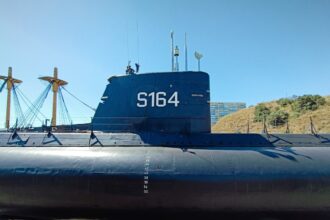
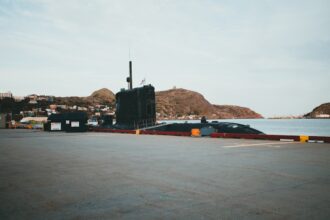
Submarines are the ultimate stealth platforms. Their ability to operate undetected beneath the waves makes them invaluable for clandestine reconnaissance missions. They can creep close to enemy shores, monitor naval exercises discreetly, and gather signals intelligence without betraying their presence. Their silence is their strength, a ghostly presence that observes without being observed.
Space-Based Assets: The Ultimate Overview
Satellites offer an unparalleled perspective, providing global coverage and the ability to monitor vast areas simultaneously.
Reconnaissance Satellites: The Watchers from Above
These satellites are equipped with sophisticated sensors, including high-resolution cameras and electronic intelligence gathering equipment. They can provide near-real-time imagery of naval deployments, port activities, and infrastructure changes. From their orbit, they are like all-seeing eyes, capable of surveying continents and oceans in a single pass, providing a strategic overview that no other platform can match.
Communication Satellites: The Nerve Center
While not directly involved in observation, communication satellites are vital for relaying the vast amounts of intelligence gathered by other platforms back to command centers. They form the nervous system of naval reconnaissance, ensuring that crucial data reaches those who need it, when they need it.
The Sensor Fusion: Bringing It All Together
The true power of modern naval reconnaissance lies not just in the individual sensors, but in their ability to be integrated and analyzed. This “sensor fusion” allows for a more complete and accurate picture of the operational environment. Imagine all the individual puzzle pieces from different sources – aerial imagery, radar contacts, electronic signals – being expertly assembled to reveal the complete picture.
Methods of Gathering Intelligence: Beyond Simple Observation

Naval reconnaissance is not just about seeing; it involves a myriad of techniques and methodologies designed to extract as much actionable intelligence as possible from the maritime environment. You must understand that the methods employed are as varied as the information you seek.
Signals Intelligence (SIGINT): Listening to the Unseen Frequencies
SIGINT is the interception and analysis of electromagnetic signals. This can include radio communications, radar emissions, and electronic warfare systems.
Electronic Intelligence (ELINT): Decoding the Enemy’s Electronic Footprint
ELINT focuses on identifying and characterizing enemy radar and weapon systems by analyzing their electronic emissions. This helps in understanding the capabilities and deployment of enemy assets. You are essentially eavesdropping on the enemy’s electronic conversations, discerning their technological prowess and operational patterns.
Communications Intelligence (COMINT): Intercepting the Spoken Word
COMINT involves the interception and decryption of enemy voice and data communications. This can provide invaluable insights into enemy intentions, plans, and command structures. It’s like having a bug on the enemy’s phone lines, giving you direct access to their thoughts and orders.
Imagery Intelligence (IMINT): Capturing the Visual Narrative
IMINT is derived from the analysis of imagery collected by various platforms, including satellites, aircraft, and drones. This can range from general reconnaissance photos to highly detailed images of specific targets. What you see is what you get, but with the added benefit of advanced analysis to extract every nuance.
Open-Source Intelligence (OSINT): The Power of Public Information
While much of naval reconnaissance is clandestine, valuable intelligence can also be gleaned from publicly available sources. This includes commercial shipping data, academic research, news reports, and social media. Even in the world of state secrets, the world’s collective knowledge can offer surprising clues to the discerning investigator.
Human Intelligence (HUMINT): The Value of the Human Element
While often associated with land-based operations, HUMINT can also play a role in naval reconnaissance. This can involve intelligence gathered from defectors, captured personnel, or trusted informants in port cities. The human factor, with its unique insights and perspectives, can often fill in the gaps that technology alone cannot.
The Evolution of Naval Reconnaissance: Adapting to a Changing Landscape
Naval reconnaissance is not a static discipline. It has continuously evolved, adapting to new technologies, changing geopolitical landscapes, and the ever-evolving nature of warfare. The methods and tools you see today are the product of decades of innovation and adaptation. This evolution is like a river constantly carving new paths, always seeking the most efficient way to reach its destination.
From Wooden Ships to Advanced Sensors: A Historical Perspective
The history of naval reconnaissance stretches back to the earliest days of seafaring. From lookouts in crow’s nests to the sophisticated sensor arrays of modern warships and satellites, the fundamental goal has remained the same: to see what the enemy is doing. Early forms involved simply observing ship movements and charting coastlines. The introduction of technologies like radar, sonar, and infrared sensors dramatically expanded the capabilities, allowing for observation in conditions and at distances previously impossible.
The Impact of the Digital Age: Data Overload and Analysis
The digital revolution has brought about unprecedented amounts of data. The challenge for modern naval reconnaissance is no longer just collecting information, but effectively processing, analyzing, and disseminating it. This has led to the development of advanced algorithms, artificial intelligence, and sophisticated data management systems. You are now drowning in a sea of data, and the skill lies in skillfully navigating this deluge to find the valuable pearls of intelligence.
The Rise of Cyber and Electronic Warfare: A New Dimension
The battlespace is no longer confined to physical domains. Cyber and electronic warfare have introduced new vectors for both reconnaissance and counter-reconnaissance. Understanding and exploiting the enemy’s digital infrastructure, and defending your own, has become a critical component of naval intelligence. This is a new battlefront, fought in the ethereal realm of cyberspace and the electromagnetic spectrum.
Naval reconnaissance plays a crucial role in modern maritime operations, providing vital intelligence that enhances situational awareness and decision-making. For those interested in exploring this topic further, a related article discusses the evolving strategies and technologies in naval reconnaissance. You can read more about it in this insightful piece available at this link. Understanding these advancements is essential for grasping how naval forces adapt to contemporary challenges.
Challenges and Future Directions: Navigating the Horizon
| Metric | Description | Typical Values | Units |
|---|---|---|---|
| Detection Range | Maximum distance at which naval reconnaissance systems can detect targets | 20 – 200 | nautical miles |
| Radar Frequency | Operating frequency of naval radar systems used in reconnaissance | 3 – 10 | GHz |
| Sensor Resolution | Level of detail captured by optical or radar sensors | 0.1 – 1 | meters |
| Endurance | Maximum operational time for reconnaissance vessels or UAVs | 12 – 48 | hours |
| Communication Range | Distance over which reconnaissance data can be transmitted securely | 50 – 300 | nautical miles |
| Number of Targets Tracked | Maximum simultaneous targets that can be monitored | 10 – 100 | targets |
| Operating Altitude (UAV) | Typical altitude for unmanned aerial vehicles used in naval reconnaissance | 1,000 – 20,000 | feet |
Despite its advancements, naval reconnaissance faces ongoing challenges and must constantly adapt to future threats and technological shifts. The horizon is never static; it is always shifting and presenting new obstacles and opportunities.
Counter-Reconnaissance and Deception: The Adversarial Dance
As reconnaissance capabilities improve, so too do the methods of counter-reconnaissance and deception employed by adversaries. This creates a continuous cat-and-mouse game, where intelligence-gathering efforts must constantly overcome measures designed to hide or mislead. You are in a constant state of dialogue with the enemy’s efforts to remain unseen, a subtle and dangerous ballet of concealment and revelation.
The Growing Complexity of the Maritime Domain
The oceans are becoming increasingly crowded and contested, with a proliferation of actors and platforms. This complexity makes it more challenging to differentiate between benign and hostile activities, requiring ever more sophisticated analytical tools. The vastness of the ocean, once a barrier, is now a canvas for increasingly complex interactions.
The Future of AI and Autonomous Systems: A New Era Dawns
Artificial intelligence and autonomous systems are poised to play an even larger role in the future of naval reconnaissance. AI can assist in analyzing vast datasets, identifying patterns, and making predictions. Autonomous platforms, from drones to unmanned surface vessels, can extend reach and reduce risk. You are on the cusp of an era where machines will become increasingly instrumental in seeing what you cannot. The journey of uncovering the secrets of naval reconnaissance is an ongoing one, a testament to human ingenuity and the enduring quest for understanding in the vast and enigmatic world of the seas.
WATCH NOW▶️ Cold War naval operations
FAQs
What is naval reconnaissance?
Naval reconnaissance is the process of gathering information about enemy naval forces, coastal areas, and maritime conditions to support military operations. It involves the use of ships, aircraft, satellites, and other surveillance technologies to monitor and assess potential threats or targets.
What methods are commonly used in naval reconnaissance?
Common methods include aerial surveillance using reconnaissance aircraft and drones, satellite imagery, sonar and radar systems on ships and submarines, and electronic intelligence gathering. These methods help detect enemy movements, map coastal terrain, and monitor maritime traffic.
Why is naval reconnaissance important in military operations?
Naval reconnaissance provides critical intelligence that helps commanders make informed decisions, plan naval engagements, avoid ambushes, and protect friendly forces. It enhances situational awareness and contributes to the success of naval missions by identifying threats and opportunities early.
What types of vessels are typically involved in naval reconnaissance?
Specialized reconnaissance ships, submarines equipped with sonar and electronic surveillance equipment, and aircraft carriers deploying reconnaissance planes and drones are commonly involved. Smaller, fast patrol boats may also conduct close-range reconnaissance near coastlines.
How has technology impacted naval reconnaissance?
Advancements in satellite technology, unmanned aerial vehicles (UAVs), electronic sensors, and data processing have significantly improved the range, accuracy, and speed of naval reconnaissance. Modern technology allows for real-time intelligence sharing and more precise targeting in naval operations.