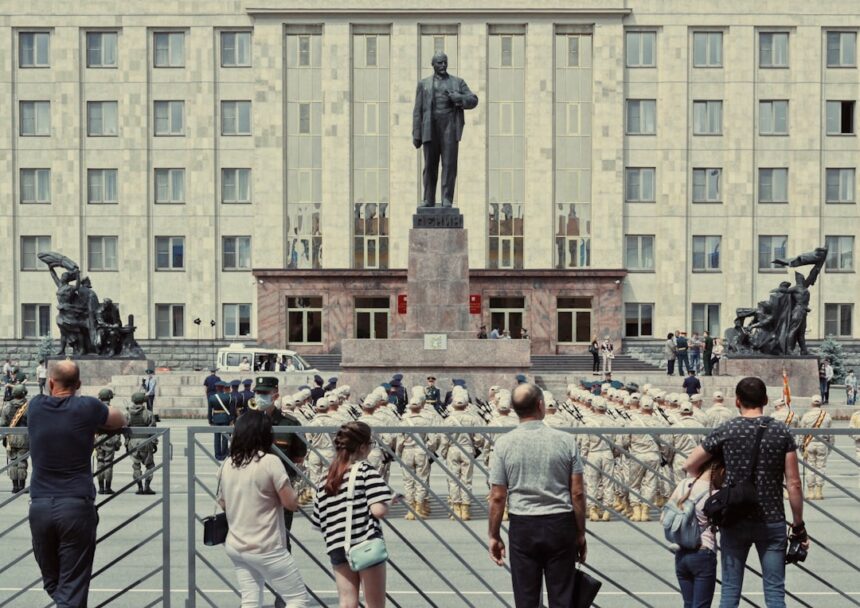
The disintegration of the Soviet Union in 1991 is often attributed to a confluence of factors: economic stagnation, political reform, and nationalistic aspirations. However, a less frequently explored, yet crucial, dimension of this monumental collapse lies in the evolving and often contradictory roles played by the Soviet military. Far from being a monolithic force solely dedicated to preserving the state, its internal dynamics and external engagements acted as an increasingly potent, albeit often unwitting, catalyst for the USSR’s demise. This article will delve into the multifaceted involvement of the Soviet military, peeling back the layers to reveal its often-hidden contributions to the unraveling of a superpower.
The Soviet intervention in Afghanistan, initiated in late 1979, proved to be an existential mistake, a protracted conflict that profoundly weakened the USSR from within. This military engagement, intended to prop up a communist regime, instead became a drain on resources and a corrosive force on national morale.
Strategic Miscalculation and Logistical Strain
The initial invasion, while tactically successful, demonstrated a profound misjudgment of the Afghan people and the intricate complexities of the region. The expectation of a swift victory quickly evaporated, replaced by a brutal counterinsurgency campaign. This protracted conflict placed immense strain on Soviet logistics, diverting vast sums of money and matériel that could have been used to address pressing domestic issues. Imagine a patient, already suffering from a chronic illness, undergoing a major, non-essential surgery; the Afghan war was precisely such an ordeal for the ailing Soviet state.
Casualties and Public Disillusionment
Thousands of Soviet soldiers perished in Afghanistan, and many more returned home wounded or psychologically scarred. The official narrative, which initially portrayed the intervention as an internationalist duty, began to crumble under the weight of mounting casualties and anecdotal evidence of the war’s true brutality. The “zinc coffins” carrying the bodies of fallen soldiers became potent symbols of a failed policy, fostering widespread public disillusionment and cynicism towards the government. This was not merely a loss of belief in a war, but a palpable erosion of faith in the state itself.
The Military’s Tarnished Image
Before Afghanistan, the Soviet military, despite its inherent secrecy, enjoyed a degree of public veneration as the protector of the Motherland. The Afghan experience, however, severely tarnished this image. Stories of corruption, drug use, and inter-ethnic tensions within the ranks seeped into public consciousness, further undermining the institution’s credibility. The once-unquestionable authority of the military began to crack, foreshadowing the deeper fissures that would soon appear throughout the Soviet system.
The hidden military history surrounding the collapse of the Soviet Union reveals a complex interplay of strategic decisions and covert operations that shaped the geopolitical landscape of the late 20th century. For a deeper understanding of this intriguing topic, you can explore the article titled “Unveiling the Shadows: Military Strategies During the Soviet Collapse” available at this link. This article delves into the lesser-known military maneuvers and their implications, providing valuable insights into the factors that contributed to the dissolution of one of the world’s superpowers.
Internal Dissension and Fracturing Loyalty
As the Soviet Union entered its terminal phase, the military, an institution previously seen as the bedrock of state power, experienced significant internal dissent and fracturing loyalties. This internal erosion was as crucial as any external pressure in undermining the regime.
The Rise of Reformist Elements
Within the military ranks, particularly among younger officers, there emerged a growing number of individuals who recognized the deep-seated problems plaguing the Soviet system. Inspired by Mikhail Gorbachev’s policies of Glasnost (openness) and Perestroika (restructuring), these reformist elements began to question the rigid ideological doctrines that had long governed the armed forces. They advocated for genuine professionalization, less political interference, and an end to the pervasive corruption. These voices, initially quiet murmurs, grew into a discernible chorus, often clashing with the entrenched old guard. You could liken it to a magnificent oak tree, seemingly unyielding, yet within its very trunk, unseen fissures are slowly widening.
The Coup Attempt of August 1991: A House Divided
The most dramatic demonstration of the military’s internal divisions occurred during the August 1991 coup attempt. A group of hardline communists, including key figures from the military and security apparatus, tried to oust Gorbachev and revert to a more authoritarian form of governance. However, crucially, significant portions of the military, including elite units, refused to fully support the coup plotters. General Pavel Grachev, for instance, famously ordered his paratroopers to surround the Russian White House, but then subtly positioned them to protect Boris Yeltsin, not to storm the building. This act of subtle defiance, born from wavering loyalties and internal debates, was a pivotal moment. The coup failed largely because the military, the ultimate guarantor of state power, was not monolithic in its support for the plotters. It was a house divided, and that division proved fatal to the coup’s prospects.
Ethical Dilemmas and Orders Refused
Throughout the late 1980s and early 1990s, military commanders increasingly faced ethical dilemmas. Should they fire on unarmed civilians protesting for greater autonomy, as they had in Tbilisi in 1989? Or in Vilnius in 1991? The moral quandary of these orders, often given by a central authority perceived as corrupt or out of touch, led to instances of refusal or half-hearted execution. These individual acts of conscience, multiplied across various units and regions, eroded the military’s willingness to be an unthinking instrument of state repression.
Economic Deprivation and Moral Decay

Beyond strategic blunders and internal dissent, the Soviet military was profoundly affected by the deep economic crisis gripping the USSR. This economic decay directly impacted the military’s operational capabilities, morale, and ultimately, its cohesion.
Pervasive Shortages and Deteriorating Conditions
As the Soviet economy spiraled downwards, so too did the living and working conditions for military personnel. Shortages of decent food, housing, and even basic equipment became commonplace. Soldiers and officers alike faced declining real wages, inadequate medical care, and a pervasive sense of neglect. Imagine a sophisticated machine, designed for peak performance, gradually being starved of oil, fuel, and essential parts; its functionality will inevitably decline, and its lifespan shortened. The Soviet military experienced precisely this phenomenon. The once proud image of the Soviet soldier was replaced by one of hardship and privation, leading to widespread dissatisfaction.
Corruption and Resource Drain
The economic crisis exacerbated existing problems of corruption within the military. Resources intended for troop welfare or equipment maintenance were often diverted for personal gain. This systemic corruption further demoralized personnel, fostering cynicism about the system they were sworn to defend. This was not merely about individual acts of malfeasance, but a broader decay that permeated the very fabric of the institution, siphoning off its strength and integrity.
Reduced Training and Readiness
With diminishing budgets, military training suffered significantly. Fewer exercises were conducted, equipment maintenance was neglected, and technological advancements lagged behind Western counterparts. The once formidable Soviet war machine, while still possessing a vast arsenal, became increasingly brittle and less capable of sustained, high-intensity operations. This decline in readiness was not a secret to the informed military leadership, who understood the precarious position of a once-powerful force hobbled by economic realities.
The Nationalities Question and Ethnic Fissures
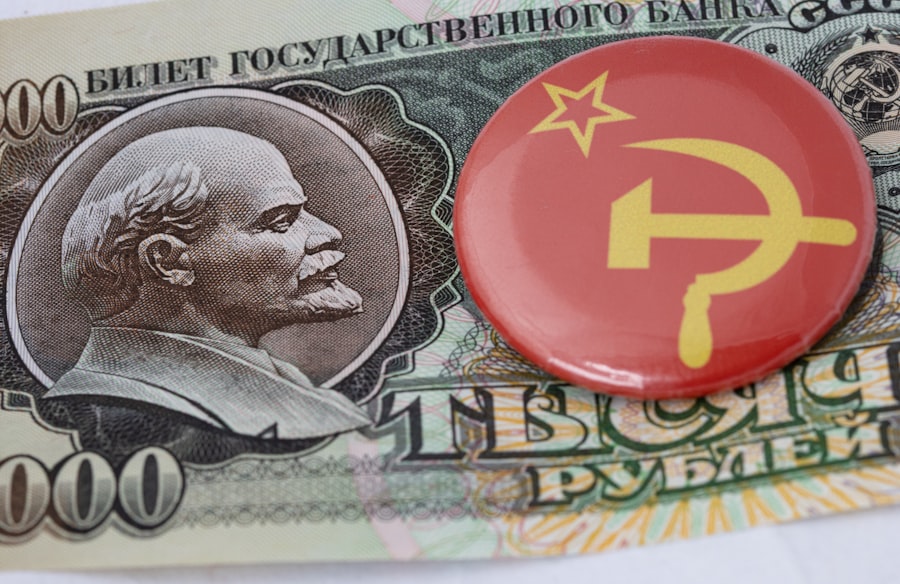
The Soviet Union’s inherent multinational structure meant that, when nationalist movements began to surge in the late 1980s, the military found itself caught in an unprecedented ethno-nationalistic crossfire. Maintaining loyalty across diverse ethnic lines became an impossible task.
Ethnic Conscription and Rising Tensions
The Soviet military drew its conscripts from across all fifteen republics. As nationalism ignited in regions like the Baltics, the Caucasus, and Central Asia, ethnic tensions within military units escalated. Soldiers from certain republics sometimes found themselves deployed to suppress protests in their own homelands, creating immense psychological and moral conflicts. Instances of ethnic violence and desertions within the ranks became more frequent, signaling a profound unraveling of the military’s unity. The glue that held this diverse force together, Soviet ideology, was dissolving.
Regional Defiance and Military Inaction
As nationalist movements gained strength, particularly in the Baltic states, local populations actively resisted Soviet military presence. Conscription was boycotted, and attempts by Moscow to reassert control were met with widespread civil disobedience. In many instances, the Soviet military found itself paralyzed, unwilling or unable to use the full extent of its power against its own citizens, particularly those within their ‘own’ republics. This reluctance, born from a mix of ethical concerns, strategic hesitancy, and internal fracturing, effectively emboldened separatist movements.
The Military’s Declining Role as an Unifying Force
Historically, the Soviet military had been presented as a binding force, uniting diverse nationalities under a common banner. However, by the late 1980s, this narrative had worn thin. Instead of unity, the military became a microcosm of the ethnic and nationalistic tensions tearing the Union apart. It was no longer a symbol of immutable strength but a mirror reflecting the terminal illnesses of the Soviet state itself.
The hidden military history surrounding the collapse of the Soviet Union reveals a complex web of strategies and decisions that shaped the geopolitical landscape of the late 20th century. For those interested in exploring this topic further, an insightful article can be found at In the War Room, which delves into the lesser-known military maneuvers and their implications during this pivotal period. Understanding these events provides a richer context for the dramatic changes that unfolded in Eastern Europe and beyond.
The Post-Soviet Legacy: A Fractured Inheritance
| Year | Event | Military Impact | Details |
|---|---|---|---|
| 1989 | Withdrawal from Afghanistan | Loss of military prestige | Soviet forces completed withdrawal after a decade-long conflict, weakening morale and resources. |
| 1990 | Reduction in Armed Forces | Downsizing of troops and equipment | Significant cuts in military personnel and hardware due to economic strain and political reforms. |
| 1991 | August Coup Attempt | Internal military divisions | Hardline military factions attempted a coup, revealing fractures within the Soviet military command. |
| 1991 | Collapse of the Soviet Union | Disintegration of unified command | Military assets and personnel were divided among newly independent states, causing chaos and loss of control. |
| 1992 | Formation of CIS Armed Forces | Attempt to unify military forces | Commonwealth of Independent States tried to maintain a joint military structure, but with limited success. |
The collapse of the Soviet Union left the former Soviet military in a state of unprecedented disarray, its vast resources and personnel inherited by newly independent nations. This fragmentation further exacerbated the weaknesses that had accumulated over the preceding decade.
Division of Forces and Resources
Upon the Soviet Union’s dissolution, its military assets – including nuclear weapons, naval fleets, air forces, and ground troops – were parceled out among the new independent states. This process was often contentious and complicated, leading to disputes over ownership, command structures, and the ultimate disposition of strategic weaponry. Russia, as the successor state, inherited the bulk of the forces, but even its military underwent a painful and often chaotic process of restructuring. Imagine a giant, intricately woven tapestry being ripped apart, with each fragment then attempting to reassemble itself into a cohesive, but ultimately smaller and weaker, design.
Brain Drain and Erosion of Professionalism
The sudden transition led to a significant ‘brain drain’ from the military. Many highly skilled officers and specialists, disillusioned by the political upheaval and economic uncertainty, either retired, sought civilian employment, or emigrated. This exodus profoundly impacted the operational capabilities and institutional knowledge of the nascent national militaries. The once vaunted officer corps, a pillar of the Soviet military, faced unprecedented challenges in retaining talent and maintaining professional standards.
Enduring Influence and Lessons Learned
Despite its role in the collapse, the Soviet military’s legacy continues to shape the security landscapes of the former Soviet republics. The organizational structures, doctrines, and indeed, many of the personnel, continued to exert influence on the newly formed national armies. The experience of the Soviet collapse taught a bitter lesson: that even the most powerful military, when operating within a state suffering from systemic dysfunction, can become a force for its undoing rather than its preservation. The failures of the Soviet military to prevent the collapse, and in many ways contribute to it, stand as a stark warning to any state that relies solely on its armed forces to mask underlying societal and economic infirmities.
SHOCKING: How Stealth Technology Bankrupted An Empire
FAQs
What were the main military factors contributing to the collapse of the Soviet Union?
Key military factors included the enormous economic strain of maintaining a vast military-industrial complex, costly involvement in the Afghan War, technological lag behind the West, and the inability to keep pace with the U.S. in the arms race, all of which weakened the Soviet Union’s overall stability.
How did the Soviet military leadership respond to the political changes during the collapse?
Many Soviet military leaders were divided; some supported reform and glasnost policies, while others resisted changes. The military’s loyalty was tested during events like the 1991 coup attempt, where parts of the military opposed Gorbachev’s reforms, reflecting internal fractures.
What role did the Soviet-Afghan War play in the military history of the Soviet collapse?
The Soviet-Afghan War (1979-1989) drained resources, lowered troop morale, and exposed weaknesses in Soviet military tactics and equipment. It also contributed to public disillusionment and increased pressure on the Soviet government, accelerating the collapse.
Were there any secret military operations or strategies that influenced the Soviet Union’s downfall?
While many military operations remain classified, some declassified information reveals that covert operations, intelligence failures, and internal dissent within the military contributed to the weakening of Soviet control, though no single secret operation decisively caused the collapse.
How did the collapse of the Soviet Union affect its military forces?
The collapse led to the fragmentation of the Soviet military into the armed forces of newly independent states, significant reductions in military budgets, loss of centralized command, and challenges in maintaining nuclear arsenals, which required international agreements to secure and dismantle.