The silent hunters, cloaked in the ocean’s dark embrace, have long been a subject of fascination and fear. But beneath the well-documented roles of Cold War deterrence and freedom of navigation, a secret history of US submarine espionage unfolds, revealing a shadowy world of covert operations, daring intelligence gathering, and a constant game of cat and mouse played out in the deepest trenches of the world’s oceans. This article delves into that clandestine realm, piecing together the fragments of a story rarely told, a narrative etched in the silence of the deep and the whispers of intelligence agencies.
The very nature of the submarine – its ability to disappear beneath the waves, its inherent stealth – made it an ideal platform for intelligence gathering from its earliest conceptions. While the primary purpose of early submarines was undoubtedly offensive, military strategists soon recognized their potential for reconnaissance and covert observation.
The Dawn of Underwater Observation
The rudimentary submarines of the late 19th and early 20th centuries, while limited in range and endurance, offered a unique perspective. Their ability to approach enemy coastlines or naval bases undetected provided valuable opportunities for visual intelligence. Imagine a submarine, a metallic whale breaching the surface just beyond the visible horizon, its periscope a fleeting eye scanning the docks and fortifications. These early missions were akin to sending a scout into enemy territory on foot, but with the added advantage of an unseen approach and the ability to melt back into the water.
World War I: A Testing Ground for Covert Missions
During World War I, the strategic importance of submarines escalated, and with it, the nascent use of submarine platforms for espionage. While the primary focus remained on torpedo attacks and disrupting enemy supply lines, commanders began to employ submarines for more specialized missions.
Coastal Reconnaissance and Mine Laying
Submarines were tasked with charting enemy minefields, a dangerous but vital precursor to naval movements. They would also scout coastlines for vulnerabilities, identifying potential landing sites or weaknesses in coastal defenses. This was not just about knowing where the enemy was, but also understanding their terrain, their defenses, and their intentions. The submarine acted as an invisible cartographer, mapping the underwater landscape for future operations.
Intercepting Communications and Observing Naval Movements
Although rudimentary, early forms of signal intelligence (SIGINT) were also attempted. Submarines might attempt to get close enough to enemy vessels to overhear radio transmissions or observe the composition and disposition of naval fleets. These were often opportunistic missions, driven by the proximity of potential intelligence targets. The submarine’s greatest asset here was its ability to linger in an area without being readily detected, a stark contrast to surface vessels which were always targets.
The hidden history of US submarine spying reveals a fascinating yet often overlooked aspect of military intelligence during the Cold War. For those interested in exploring this topic further, a related article can be found at In the War Room, which delves into the strategic significance of submarine operations and their impact on global security dynamics. This resource provides valuable insights into the clandestine activities that shaped naval warfare and intelligence gathering.
The Cold War Intensifies: The Submarine as a Dedicated Spy Platform
The Cold War, a period of global ideological conflict and proxy wars, saw the United States and the Soviet Union locked in an arms race and a relentless intelligence battle. In this new paradigm, the submarine evolved from a potential spy platform into a dedicated instrument of espionage, its capabilities pushed to their technological and operational limits.
The Silent War Beneath the Waves
The vastness of the oceans became the ultimate battleground for intelligence, and submarines were the perfect gladiators. The US Navy, in particular, began to invest heavily in specialized submarine designs and operational doctrines tailored for intelligence gathering.
Operation Ivy Bells: Tapping the Soviet Undersea Communications
One of the most audacious and successful espionage operations of the Cold War was Operation Ivy Bells. This top-secret mission involved US submarines planting listening devices on Soviet undersea communication cables. These cables, laid on the ocean floor, carried vital military and civilian communications between Soviet naval bases and Moscow.
The Technical Marvel of the Listening Devices
The devices, often referred to as “tap changers,” were sophisticated pieces of technology designed to be inconspicuous and durable in the harsh underwater environment. They were capable of recording all traffic flowing through the cable, which was then retrieved by subsequent submarine missions. The success of Ivy Bells was a testament to the ingenuity of American engineers and the bravery of the submariners involved. It was like planting a bug inside the enemy’s most vital nervous system, deep beneath the seabed.
The Risk and Reward of Operation Ivy Bells
The risks associated with Ivy Bells were immense. Discovery by Soviet submarines or naval patrols would have led to severe diplomatic consequences, if not direct conflict. The successful execution of these missions, however, provided the US with an unprecedented stream of intelligence on Soviet military plans, troop movements, and political machinations. It was a silent, unseen victory, a constant flow of secrets intercepted without the enemy even knowing it was happening.
SIGINT Submarines: Dedicated Platforms for Electronic Warfare
Beyond specific cable-tapping operations, the US Navy developed submarines specifically designed for electronic intelligence gathering. These submarines were equipped with advanced antennae and sensitive receivers capable of detecting and analyzing a wide spectrum of Soviet electronic emissions.
The ‘Towed Array’ Revolution
The development of the towed array sonar system was a game-changer for submarine SIGINT. This long, flexible array of sonar transducers, towed behind the submarine, dramatically increased its ability to detect faint sounds and electronic signals from great distances.
Listening to the Enemy’s Electronic Footprint
These SIGINT submarines would patrol close to Soviet naval bases and patrol routes, silently listening to the electronic chatter of Soviet ships and aircraft. They could identify different types of vessels by their unique electronic signatures, track their movements, and even intercept encrypted communications. It was akin to having an ear pressed against the wall of a distant fortress, deciphering the hushed conversations within.
Acoustic Intelligence: The Art of Listening
Acoustic intelligence (ACINT) was also a crucial component. Submarines were trained to identify the unique acoustic signatures of different Soviet submarines and surface vessels. By analyzing the sounds of engines, propellers, and other machinery, skilled sonar technicians could identify enemy platforms and track their movements, even in the absence of electronic emissions. The ocean became a symphony of mechanical sounds, and these submarines were the keenest listeners, able to discern individual instruments within the cacophony.
Beyond the Iron Curtain: Global Espionage and Submarine Deployment

The US submarine espionage effort was not confined to the waters surrounding the Soviet Union. Its reach extended globally, targeting perceived threats and gathering intelligence on a wide array of adversaries.
Surveilling the Seas of the East China Sea and the Yellow Sea
The strategically vital waters of the East China Sea and the Yellow Sea, bordering China and North Korea, became a focal point for US submarine intelligence operations. The proximity of these nations, coupled with their growing military capabilities, necessitated constant monitoring.
Monitoring Chinese Naval Activity
Submarines were deployed to survey Chinese naval bases, track the development of their submarine fleet, and assess their amphibious assault capabilities. This intelligence was crucial for understanding the evolving geopolitical landscape in the Pacific.
Understanding China’s Maritime Ambitions
The silent patrols in these waters provided a critical early warning system, allowing the US to anticipate shifts in Chinese military doctrine and strategic objectives. It was a long-term investment in understanding the intentions of a rising global power, conducted one silent underwater pass at a time.
Korean Peninsula Tensions and Submarine Surveillance
During periods of heightened tension on the Korean Peninsula, US submarines played a vital role in monitoring North Korean military activities and potential provocations. Their ability to operate undetected close to the coast offered unique intelligence-gathering opportunities.
The Unseen Observer of Borderlands
These missions were a delicate dance, balancing the need for intelligence with the risk of accidental encounters. The submarines acted as unseen observers in a volatile region, providing crucial information that shaped US diplomatic and military responses.
Operations in the Indian Ocean and Beyond
The strategic importance of the Indian Ocean, with its vital shipping lanes and emerging naval powers, also drew US submarines into intelligence-gathering roles. Operations in this vast expanse aimed to monitor regional conflicts, track the proliferation of naval technology, and counter potential threats.
Monitoring Regional Naval Developments
Submarines were tasked with observing the naval activities of nations such as India, Pakistan, and various Middle Eastern powers. This intelligence was crucial for maintaining regional stability and protecting US interests.
A Global Watchtower Beneath the Waves
The global deployment of US submarines for espionage underscored their versatility and indispensability in an increasingly interconnected and complex world. They were the eyes and ears of national security, operating in every ocean, on every continent’s doorstep.
The Technological Arms Race: Innovation in Submarine Espionage
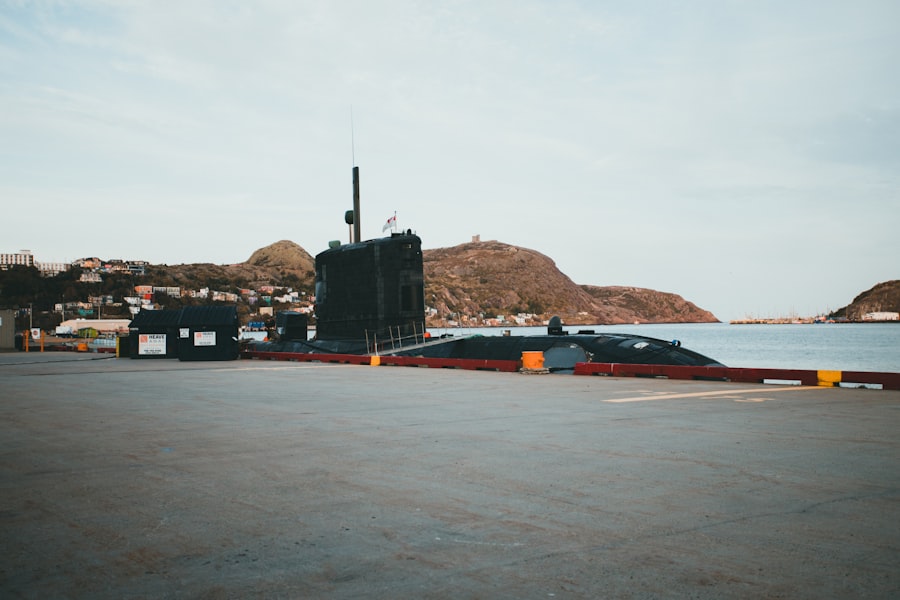
The constant threat of detection and the evolving capabilities of adversaries fueled a relentless technological arms race in the realm of submarine espionage. Both sides poured resources into developing new technologies to improve stealth, enhance intelligence gathering, and counter enemy capabilities.
Advanced Acoustic Countermeasures and Stealth Technology
For US submarines, the paramount objective was and remains to avoid detection. This led to the development of highly sophisticated stealth technologies.
Anechoic Coatings and Quieter Propulsion Systems
Submarines were coated with anechoic tiles designed to absorb sonar pings, making them appear “invisible” to enemy sonar. Propulsion systems were redesigned to be significantly quieter, reducing the sound signature of the submarine. Innovations in propeller design and engine mounts further minimized noise. Think of it as dressing a noisy guest in sound-dampening clothing before they enter a silent library.
The Elusive Nature of the Modern Submarine
These advancements made modern US submarines incredibly difficult to track, allowing them to operate with a high degree of impunity in denied waters. The goal was to become a ghost, a whisper in the ocean’s vastness.
Electronic Warfare and Eavesdropping Capabilities
The development of advanced electronic warfare (EW) and signals intelligence (SIGINT) equipment was equally crucial.
Sophisticated Receivers and Data Analysis
Submarines were equipped with highly sensitive receivers capable of capturing a wide range of electromagnetic signals from enemy vessels, aircraft, and shore-based facilities. Onboard computers and specialized software allowed for near real-time analysis of this data.
Decoding the Enemy’s Digital Footprint
This intelligence provided invaluable insights into enemy deployments, operational intentions, and even classified communications, offering a vital edge in strategic planning. It was about understanding the enemy’s digital fingerprint, the invisible trails they left in the electromagnetic spectrum.
The hidden history of US submarine spying reveals a fascinating yet often overlooked aspect of military intelligence during the Cold War. For those interested in exploring this topic further, an insightful article can be found at this link, which delves into the clandestine operations and technological advancements that shaped underwater surveillance. Understanding these covert activities not only sheds light on past strategies but also provides context for current naval operations and international relations.
The Human Element: Courage and Sacrifice in the Depths
| Metric | Details |
|---|---|
| Time Period | Cold War Era (1950s-1980s) |
| Number of US Spy Submarines | Approximately 20 known vessels |
| Primary Missions | Underwater surveillance, tapping Soviet communication cables, intelligence gathering |
| Notable Submarine Classes | USS Halibut (SSGN-587), USS Parche (SSN-683) |
| Key Operations | Operation Ivy Bells, tapping undersea communication lines in Soviet waters |
| Technological Innovations | Advanced sonar systems, deep-sea cable tapping devices, stealth technology |
| Risks Encountered | Detection by Soviet forces, mechanical failures, deep-sea hazards |
| Impact on Intelligence | Provided critical information on Soviet naval capabilities and communications |
While technology played a pivotal role, the success of US submarine espionage ultimately rested on the courage, dedication, and skill of the men who operated these machines and carried out these perilous missions.
The Grueling Demands of Submarine Service
Life aboard a submarine is notoriously demanding. Long deployments, confined spaces, constant risk, and limited contact with the outside world take a significant toll on submariners.
Psychological Fortitude and Teamwork
The psychological fortitude required to operate in such an environment, often for months at a time, is extraordinary. The success of any mission, especially a covert intelligence operation, depended on absolute trust and seamless teamwork among the crew.
The Claustrophobic Crucible of Secrecy
The very nature of their work demanded immense discretion and a commitment to secrecy. These submariners were often the last to know the full picture of the operations they supported, functioning as vital cogs in a larger, often hidden, machine.
The Unseen Heroes of Intelligence Gathering
The submariners involved in espionage missions were often operating on the very edge of possibility, pushing their craft and themselves to the limit. Their sacrifices, though largely unacknowledged by the public, were instrumental in safeguarding national security.
The Price of Secrecy and the Burden of Knowledge
Many of these missions were classified for decades, meaning the brave individuals who undertook them could not share their accomplishments even with their families. This carried a unique burden, a silent acknowledgment of their contributions while living a life of necessary anonymity. The ocean’s depths mirrored the secrecy of their deeds, a powerful metaphor for their hidden but crucial roles.
WATCH NOW ▶️ SHOCKING: Why the Seafloor Went Silent
FAQs
What was the primary purpose of US submarine spying during the Cold War?
US submarine spying during the Cold War was primarily aimed at gathering intelligence on Soviet naval capabilities, tracking submarine movements, and intercepting communications to gain strategic advantages.
How did US submarines conduct espionage missions underwater?
US submarines used advanced sonar, electronic surveillance equipment, and covert tracking techniques to monitor enemy vessels and collect intelligence without being detected.
When did the US begin using submarines for spying operations?
The US began employing submarines for espionage purposes shortly after World War II, with significant developments occurring during the early Cold War period in the late 1940s and 1950s.
Were there any notable incidents involving US submarine spying?
Yes, there were several incidents, including the capture of the USS Pueblo in 1968 by North Korea and various covert operations near Soviet waters that risked escalating tensions between the superpowers.
How has submarine spying technology evolved over time?
Submarine spying technology has evolved from basic sonar and radio interception to sophisticated electronic surveillance, stealth technology, and unmanned underwater vehicles, enhancing the ability to conduct covert intelligence missions.