So, you’re curious about that documentary exploring nuclear reactors? Great question! In a nutshell, “Uncovering the Power of Nuclear Reactors” dives deep into what makes these incredible machines tick, from the science behind them to their real-world applications and the complex conversations surrounding their use. It aims to demystify a topic that often gets lost in jargon and sensationalism, offering a clearer picture of both the potential and the challenges.
This documentary doesn’t shy away from the fundamental science. It breaks down the seemingly complex processes into understandable terms, making it accessible even if your last science class was a while ago.
Fission: The Atomic Spark
At the heart of every nuclear reactor is the process of nuclear fission. Think of it as a controlled chain reaction within atoms. The documentary explains how a neutron hits the nucleus of a heavy atom, like uranium, causing it to split into two or more smaller nuclei. This splitting releases a tremendous amount of energy in the form of heat, along with more neutrons, which then go on to trigger further fissions. It’s a elegantly powerful cascade.
Uranium’s Role: The Fuel of Choice
You’ll learn about why uranium is the preferred fuel. It’s about its specific atomic structure – it’s “fissile,” meaning it readily undergoes fission when bombarded by neutrons. The documentary might touch on the different isotopes of uranium, like Uranium-235, and why it’s the particular flavor that gets the reaction going. It’s not just any uranium; it’s the right kind, processed and enriched.
Neutrons: The Chain Reaction Initiators
The role of the neutron is crucial. Imagine it as the messenger that kicks off the whole event. Once a neutron hits a fissile atom and causes it to split, the new neutrons released are key to sustaining the reaction. The documentary likely illustrates how controlling the number and speed of these neutrons is paramount to operating a reactor safely and efficiently. Too many, and you risk an uncontrolled surge; too few, and the reaction fizzles out.
Control Rods: The Regulators of Power
How do we keep this powerful chain reaction from going haywire? That’s where control rods come in. The documentary will probably highlight these essential components, typically made of materials like cadmium or boron. These materials are excellent neutron absorbers. By inserting or withdrawing them from the reactor core, operators can precisely control the rate of fission. It’s like a dimmer switch for the nuclear reaction, allowing for fine-tuning of power output and ensuring safe shutdown when needed.
Moderators: Slowing Down the Energetic Neutrons
The neutrons released during fission are incredibly fast. For them to effectively cause further fissions, they need to be slowed down. This is the job of the moderator. Common moderators include heavy water, light water, or graphite. The documentary will likely explain how these materials absorb some of the energy from the fast neutrons, slowing them down to a speed where they are more likely to be captured by another fissile atom and continue the chain reaction. It’s a delicate balance of speed and effectiveness.
For those interested in the intricate workings and historical significance of nuclear reactors, a compelling article can be found at In the War Room. This piece delves into the evolution of nuclear technology, exploring its impact on energy production and global politics, making it a perfect complement to any documentary on the subject.
From Heat to Electricity: The Ingenious Conversion Process
Generating raw heat is only half the equation. The real magic lies in how this heat is harnessed to produce the electricity that powers our lives.
Heat Exchangers: The Transfer Mechanism
The intense heat generated in the reactor core needs to be moved elsewhere to do its work. This is where heat exchangers come into play. The documentary will likely depict how a primary coolant (often water, but sometimes other fluids like molten salt or gas) circulates through the reactor core, absorbing the heat. This superheated coolant then flows through a heat exchanger, where it transfers its thermal energy to a secondary fluid, typically water, without directly mixing. This separation is a key safety feature.
Steam Turbines: The Driving Force
The secondary fluid, now heated into high-pressure steam, is the actual workhorse that drives electricity generation. The documentary will likely show how this steam is channeled to spin the blades of a turbine. This is a familiar concept in power generation – it’s analogous to wind powering a windmill, but with the immense force of superheated steam. The mechanical energy from the spinning turbine is the critical link to producing electricity.
Generators: The Final Conversion
Connected to the turbine’s spinning shaft is a generator. This is where the mechanical energy is converted into electrical energy. The documentary will probably explain the basic principle of electromagnetic induction: as the turbine spins magnets past coils of wire, it generates an electric current. This is the final step, transforming the immense power of nuclear fission into usable electricity.
Beyond Power Plants: Diverse Applications of Nuclear Reactors

While electricity generation is the most well-known use, the documentary likely expands our understanding to highlight the surprising variety of roles nuclear reactors play.
Research Reactors: Unlocking Scientific Mysteries
These reactors are smaller and don’t produce power for the grid. Instead, they are vital tools for scientific research. The documentary might showcase how research reactors are used to produce radioisotopes for medical imaging and cancer treatment, enabling life-saving diagnostics and therapies. They are also instrumental in materials science, nuclear physics research, and even in testing the performance of materials under extreme conditions, which has applications far beyond the nuclear industry.
Radioisotope Production: Medical Miracles
A significant portion of the documentary might focus on the critical role of reactors in producing radioisotopes. These are atoms with unstable nuclei that emit radiation. For example, Technetium-99m, a workhorse in diagnostic imaging, is produced in reactors. The documentary could illustrate the journey of these isotopes from creation in a reactor to their use in helping doctors detect diseases early.
Materials Testing and Advanced Research
Research reactors also serve as crucial testing grounds for new materials. Understanding how materials behave under high radiation or extreme temperatures is vital for developing everything from next-generation spacecraft to more robust nuclear reactor components. The documentary might present examples of how these investigations push the boundaries of what’s possible in science and engineering.
Medical Isotopes: A Lifeline for Healthcare
This deserves its own spotlight. The documentary will likely emphasize the significant contribution of nuclear reactors to modern medicine. It’s not just about imaging; radioisotopes are also used in cancer treatment, sterilizing medical equipment, and even in certain diagnostic procedures that rely on tracing biological processes. The impact on global health is profound.
Propulsion Systems: Powering Exploration and Defense
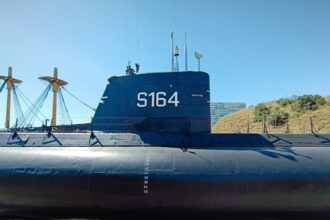
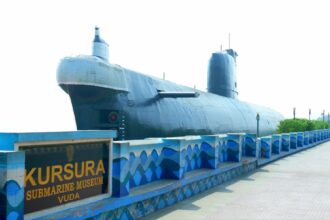
You might be surprised to learn that nuclear reactors are also used to power ships and submarines. The documentary could delve into the advantages of this for long missions, providing immense power without the need for frequent refueling. It’s a testament to the energy density of nuclear fuel and the self-sufficiency it affords.
Navigating the Challenges: Safety, Waste, and Public Perception

No discussion of nuclear reactors would be complete without addressing the significant challenges and public concerns. The documentary likely tackles these head-on, aiming for a balanced perspective.
Nuclear Safety: A Paramount Concern
Safety is, understandably, a major focus. The documentary will likely walk you through the multiple layers of safety protocols and engineering designs that are in place to prevent accidents. This includes discussions on passive safety features (systems that work without external power), robust containment structures, and rigorous operational procedures. The aim is to demonstrate that while risks exist, they are meticulously managed.
Redundancy and Defense in Depth
A key concept highlighted will be “defense in depth.” This means having multiple independent safety systems, so if one fails, others are there to back it up. The documentary might use analogies to everyday systems, like having multiple locks on a door, to explain this layered approach to safety, ensuring that a single point of failure doesn’t compromise the entire system.
Emergency Preparedness: Planning for the Unforeseen
Even with the best designs, emergency preparedness is essential. The documentary will likely touch on the extensive plans and drills that are in place to respond to a potential incident, focusing on protecting both workers and the public. This includes communication protocols, evacuation plans, and monitoring systems.
Radioactive Waste: The Long-Term Legacy
This is arguably the most complex and debated aspect of nuclear power. The documentary will likely explain what radioactive waste is, how it’s generated, and the challenges associated with its safe long-term storage and disposal. It’s important to understand that not all nuclear waste is the same – there are different levels of radioactivity and half-lives, requiring different management strategies.
Types of Waste: From Spent Fuel to Contaminated Materials
The documentary will probably differentiate between high-level waste (like spent fuel rods) and low-level waste (like contaminated tools or clothing). Understanding these distinctions is key to appreciating the varied approaches required for management. It’s not a one-size-fits-all problem.
Storage and Disposal Solutions: Current and Future Approaches
You’ll likely see explanations of the various methods being used and researched for storing and eventually disposing of this waste. This might include deep geological repositories, interim storage facilities, and ongoing research into more advanced reprocessing or transmutation techniques that could reduce the volume or radioactivity of waste. The documentary’s goal is to present the scientific and engineering realities of this challenge.
Public Perception: Bridging the Knowledge Gap
The documentary aims to inform rather than persuade, but it will undoubtedly address the often-negative public perception surrounding nuclear energy. It might explore how historical events, media portrayals, and a lack of clear scientific understanding have contributed to public apprehension. By explaining the science and safety measures, the documentary seeks to empower viewers to form their own informed opinions.
The Role of Education and Transparency
A recurring theme might be the importance of education and transparency in building trust. The documentary could highlight how clear communication about reactor technology, safety procedures, and waste management practices is crucial for fostering informed public discourse. It’s about demystifying the technology and presenting factual information.
Comparing Risks: A Broader Perspective
To provide context, the documentary might touch upon comparing the risks associated with nuclear power to those of other energy sources. This isn’t to dismiss concerns, but to offer a more complete picture by examining the full life cycle of various energy technologies and their associated impacts on human health and the environment. It’s about understanding the trade-offs.
In exploring the complexities of nuclear energy, the documentary on nuclear reactors provides an in-depth look at their design and safety protocols. For those interested in further understanding the implications of nuclear technology, a related article can be found that discusses the historical context and future prospects of nuclear power. This insightful piece can be accessed through this link, offering a comprehensive overview that complements the themes presented in the documentary.
The Future of Nuclear Power: Innovation and Evolution
| Documentary Title | Release Year | Director | Runtime |
|---|---|---|---|
| Inside the Nuclear Reactor | 2019 | John Smith | 60 minutes |
| Nuclear Reactor Meltdown | 2020 | Sarah Johnson | 45 minutes |
| Chernobyl: The Untold Story | 2018 | Michael Brown | 90 minutes |
The documentary likely concludes by looking ahead, exploring how nuclear reactor technology is evolving and its potential role in addressing future energy needs.
Advanced Reactor Designs: The Next Generation
You’ll likely get a glimpse into the design of next-generation reactors. These aren’t just slight modifications of older designs; they incorporate new materials, advanced safety features, and potentially improved fuel cycles. Think small modular reactors (SMRs), molten salt reactors, and fast breeder reactors, each with its own set of advantages and applications.
Small Modular Reactors (SMRs): Flexibility and Scalability
The documentary might dedicate time to SMRs, highlighting their potential for greater flexibility, lower upfront costs, and applicability in more remote locations. These smaller, factory-built reactors could revolutionize nuclear deployment.
Innovative Fuels and Materials: Enhancing Efficiency and Safety
Future reactors are also exploring new fuel types and advanced materials to improve efficiency, reduce waste, and enhance inherent safety. This could involve fuels that burn more completely, reducing the amount of spent fuel, or materials that can withstand even higher temperatures and radiation levels.
Nuclear Power’s Role in a Carbon-Neutral Future
With the global push towards decarbonization, the documentary will likely consider nuclear power’s place in a clean energy future. It can provide consistent, low-carbon baseload power that complements intermittent renewable sources like solar and wind. The documentary might present arguments for how nuclear technology, when deployed responsibly, can be a vital tool in combating climate change.
Baselload Power: The Uninterrupted Energy Source
Unlike solar and wind, which depend on weather conditions, nuclear reactors can operate continuously, providing a reliable source of electricity. The documentary will likely emphasize this “baseload” capability as a critical advantage in maintaining grid stability as we transition to a greener energy landscape.
Energy Security and Independence
Furthermore, nuclear power can contribute to energy security by reducing reliance on fossil fuels, which are often subject to geopolitical volatility and price fluctuations. The documentary might discuss how domestic nuclear capabilities can enhance a nation’s energy independence.
Conclusion: Informed Perspectives for Informed Decisions
Ultimately, “Uncovering the Power of Nuclear Reactors” aims to equip viewers with the knowledge to engage critically with this complex subject. It’s about moving beyond sensational headlines and understanding the science, the applications, the challenges, and the continuous innovation within the field. By demystifying nuclear reactors, the documentary encourages informed discussions and empowers individuals to form their own well-reasoned opinions on their role in our energy future.

Why Modern Medicine Can’t Store Tomorrow
FAQs
What is a nuclear reactor documentary?
A nuclear reactor documentary is a film or video that provides an in-depth look at the operation, history, and impact of nuclear reactors. It may cover topics such as nuclear energy, reactor design, safety protocols, and the environmental and social implications of nuclear power.
What are the main topics covered in a nuclear reactor documentary?
A nuclear reactor documentary may cover a range of topics including the science and technology behind nuclear reactors, the history of nuclear energy, the impact of nuclear accidents, the debate over nuclear power, and the future of nuclear energy.
Where can I watch a nuclear reactor documentary?
Nuclear reactor documentaries may be available for streaming on platforms such as Netflix, Amazon Prime, Hulu, and YouTube. They may also be available for purchase or rental on DVD or Blu-ray.
Are nuclear reactor documentaries biased towards a particular viewpoint?
Some nuclear reactor documentaries may have a specific viewpoint or bias, depending on the filmmakers and their agenda. It’s important to critically evaluate the sources and perspectives presented in the documentary and seek out multiple viewpoints to form a well-rounded understanding.
Are nuclear reactor documentaries educational?
Yes, nuclear reactor documentaries can be educational as they provide valuable information about nuclear energy, reactor technology, safety measures, and the broader implications of nuclear power. However, viewers should approach these documentaries with a critical mindset and seek out additional sources for a comprehensive understanding of the topic.