The quiet hum of the archives was punctuated by the rustle of aged paper and the soft click of a scanner. For months, a dedicated team had been sifting through mountains of meticulously cataloged records, each document a ghost of a past conflict. Their mission: to give a name to a face, to unravel the story of an unidentified American soldier, buried in a foreign land for decades, his lineage lost to time. This pursuit, fraught with the inherent challenges of historical detective work, was more than an academic exercise; it was a profound act of remembrance, a quest to bridge the chasm of anonymity and offer solace to a family who had likely grieved in silence for generations. The soldier’s story, or rather, the lack thereof in official records, represented a recurring tragedy of war, where the ultimate sacrifice often came with the ultimate erasure. The team’s journey was one of meticulous research, technological innovation, and unwavering patience, driven by the conviction that every life, no matter how long obscured, deserved recognition.
The Silent Sentinel of Normandy
The story began with a poignant discovery on the hallowed grounds of Normandy. Amidst the rows of white crosses in a temporary cemetery, a single grave remained unmarked. Its occupant was identified only by a small, tarnished metal tag bearing a partial serial number and a cryptic notation. This soldier, an American, had fallen during the D-Day landings or in the brutal fighting that followed. Without a name, his ultimate sacrifice, the very act that defined his final moments, was shrouded in a profound silence. The urgency to identify him stemmed not only from a sense of national duty but from a deeply ingrained humanitarian impulse. Families of the fallen, often far removed from the battlefields, lived with a lingering uncertainty, a void where a name should be. The hope was that identifying this soldier would finally fill that void, bringing a measure of peace to descendants who might not even know he existed. The sheer scale of the Normandy campaign meant that countless soldiers were lost, many beyond recognition, leaving behind a legacy of unanswered questions. This particular soldier, however, had become a focal point, a symbol of the many unknowns, and the team was determined to pierce through the veil of anonymity.
The Faint Echoes of a Serial Number
The initial clue was a fragment of a serial number etched onto a severely corroded identification tag. This was the only tangible link to the soldier’s identity. The challenges were immediate and formidable. Over time, metal degrades, inscriptions fade, and the sheer volume of military records from World War II presented a daunting labyrinth. The serial number, even if fully intact, would be a starting point, not an instant solution. The team understood that this was a needle-in-a-haystack scenario, requiring systematic cross-referencing and the application of every investigative tool at their disposal. The vagaries of wartime record-keeping, the chaos of combat, and the passage of time all conspired to obscure the truth. Yet, the partial number offered a glimmer of hope, a thread to pull in the vast tapestry of military history. It was a testament to the meticulous, albeit imperfect, systems in place even during the height of global conflict.
The Unmarked Grave and its Whispers of Loss
The unmarked grave itself was a stark reminder of war’s indiscriminate nature. While many soldiers were identified through recovered dog tags or personal effects, some were simply too damaged, or their belongings lost in the maelstrom of battle. The absence of identification meant that this soldier was not only nameless but also honorably buried without the personal recognition that his sacrifice deserved. The local authorities, recognizing the human aspect of the situation, had preserved the site, a silent sentinel awaiting the possibility of closure. This grave represented a unique intersection of military history and human tragedy, a silent testament to the profound cost of freedom. The team felt a profound responsibility to ensure that this silence was broken, that the individual within the earth could finally be remembered by name.
The story of the unknown American soldier’s father is a poignant reminder of the sacrifices made by families during times of war. For a deeper understanding of the emotional impact and historical context surrounding this topic, you can read a related article that explores the experiences of families who have lost loved ones in combat. This article provides valuable insights into the lives of those left behind and the enduring legacy of their sacrifices. To learn more, visit this link.
Piecing Together the Fragments of the Past

The archival deep dive commenced with a multi-pronged approach, a methodical exploration of every avenue that could potentially yield information. The initial focus was on the partial serial number, an abstract sequence of digits that held the key to unlocking a life. This required access to vast databases, both public and restricted, that chronicled the service records of American soldiers from the World War II era. The team meticulously cross-referenced the partial number with known formats and issuing authorities, recognizing that even a few digits could narrow down possibilities. Simultaneously, they delved into casualty lists, muster rolls, and unit histories, searching for any mention of soldiers who went missing in action in the Normandy sector around the time of the soldier’s likely death. This painstaking process involved comparing dates, locations, and any available descriptions, however vague.
Deciphering the Digital Echoes of Service
The advent of digital archives has revolutionized historical research, and this case was no exception. The team leveraged sophisticated databases, employing advanced search algorithms to sift through millions of records. They looked for patterns, anomalies, and any records that might correlate with the fragmented serial number. This often involved working with government agencies and historical societies to gain access to specialized collections. The process was iterative; a seemingly insignificant piece of information found in one database might lead to a new search query in another, gradually building a more complete picture. The challenges were not just in the volume of data but in its potential inaccuracies or omissions. Years of handling, varying methods of transcription, and the sheer passage of time could introduce errors, requiring constant vigilance and critical evaluation of every piece of information.
The Human Element: Genealogists and Unit Historians
Beyond the digital realm, the project relied heavily on the expertise of human researchers. Genealogists, with their intimate knowledge of family histories and record-keeping practices, proved invaluable. They were tasked with tracing potential family lines, looking for individuals who might have served in the military and gone missing during the war. This involved poring over census records, birth and death certificates, immigration documents, and even old newspaper clippings. Concurrently, unit historians, individuals with a deep understanding of specific military units and their operational histories, were consulted. They could provide context to battlefield movements, identify units present in specific areas at specific times, and help interpret the often-cryptic language of military reports. The synergy between these different disciplines was crucial to the success of the investigation.
The Power of Forensic Science in Identification
When traditional archival research hits a wall, forensic science often provides the next frontier. In the case of unidentified remains, advancements in DNA technology have offered unprecedented hope. The team understood that if skeletal remains were available, DNA analysis could be a game-changer. This involved careful recovery and preservation of any biological material and its subsequent analysis in a specialized forensic laboratory. The process of DNA profiling is a complex one, requiring meticulous extraction, amplification, and comparison with known genetic databases. The goal is to generate a unique genetic fingerprint that can then be compared against potential relatives.
Unlocking Genetic Secrets
The extraction of viable DNA from ancient remains is a delicate and challenging process. The team worked closely with forensic anthropologists and archaeologists to ensure that any samples were collected with the utmost care, minimizing contamination. Once extracted, the DNA undergoes a rigorous process of analysis. This includes techniques like polymerase chain reaction (PCR) to amplify small amounts of DNA and next-generation sequencing to determine the genetic profile. The resulting data is then compared against databases of known individuals, such as the databases maintained by the Defense POW/MIA Accounting Agency (DPAA), which contains DNA profiles of families seeking to identify missing loved ones.
The Familial Link: Bridging Generations
The power of DNA in identification lies in its ability to establish familial links. If a direct DNA match with a living relative cannot be found, scientists can look for matches with cousins, aunts, uncles, or even grandparents. This requires a broader approach to genealogical research, seeking out individuals who can provide DNA samples for comparison. The process can be lengthy and emotionally taxing for families, as they await results that could finally bring closure. The hope is that the soldier’s lineage, however distant, has not entirely vanished, and that some descendants remain who can offer their genetic material for comparison. The establishment of a genetic link, no matter how tenuous at first, represents a significant breakthrough in the quest to identify the soldier.
The Long Road to Identification and Reconciliation
The journey to identify the unknown soldier was a testament to perseverance, a protracted and often emotionally charged undertaking. The initial discovery in Normandy was merely the beginning of a complex investigation that spanned years, involving the tireless efforts of researchers, genealogists, forensic scientists, and government agencies. The process was not linear; there were moments of intense progress interspersed with periods of frustrating stagnation. Each lead had to be meticulously followed, each potential clue thoroughly investigated. The emotional toll on the involved parties, especially the potential descendants who became aware of the investigation, was also significant.
Navigating the Bureaucratic Labyrinth
Working with government agencies, particularly those responsible for military records and POW/MIA accounting, presented its own set of challenges. Navigating the bureaucratic landscape required patience, persistence, and a thorough understanding of the established protocols. The Defense POW/MIA Accounting Agency (DPAA) played a crucial role, coordinating efforts and providing access to vital resources. However, the sheer volume of cases and the complexities of international cooperation meant that progress could sometimes be slow. The team had to advocate for their case, ensuring that it received the necessary attention and resources. This often involved presenting their findings clearly and concisely, demonstrating the scientific and historical basis for their continued investigation.
The Emotional Resonance of Discovery
The ultimate goal of this endeavor was not merely to assign a name to a grave, but to offer solace and closure to a family. When a potential match was identified, the next step involved contacting living relatives. This was a delicate and often emotional process. For many, the existence of an unknown relative who died serving their country was a profound revelation, bringing with it a mixture of grief, pride, and a sense of connection to a past they never knew. The team worked closely with family support organizations to ensure that relatives were treated with sensitivity and respect, guiding them through the process of understanding the evidence and the implications of the identification. The reconciliation of a lost soldier with his family, even after decades of separation, was the most rewarding aspect of the entire undertaking, a testament to the enduring power of human connection.
The story of the unknown American soldier father resonates deeply with themes of sacrifice and remembrance, highlighting the profound impact of war on families. For those interested in exploring this topic further, an insightful article can be found on the website that delves into the historical context and emotional narratives surrounding such figures. You can read more about it in this related article, which offers a comprehensive look at the legacy left behind by those who served.
Honoring the Legacy: A Name Restored
| Metric | Data |
|---|---|
| Title | Unknown American Soldier Father |
| Context | Refers to unidentified American soldiers who are fathers |
| Estimated Number | Thousands of unknown soldiers from various wars |
| Wars Involved | World War I, World War II, Korean War, Vietnam War, others |
| Memorials | Tomb of the Unknown Soldier, Arlington National Cemetery |
| Significance | Represents all unidentified soldiers who served and sacrificed |
| Fatherhood Status | Unknown; many may have been fathers |
The culmination of this long and arduous journey was the successful identification of the unknown American soldier. After years of meticulous research, sophisticated forensic analysis, and unwavering dedication, a name, a history, and a family were finally reunited with the man buried in the silent fields of Normandy. The process was a profound demonstration of how modern science and historical detective work can bridge the gaps left by war and time. The restored identity was not just a designation; it represented the reclamation of a life, a narrative that had been lost but was now brought back into the light. The soldier’s sacrifice, once anonymous, could now be honored with the dignity and recognition he deserved.
From Unknown to Known: A Symbol of Remembrance
The story of this soldier transcends his individual identity. He became a symbol of the countless men and women who made the ultimate sacrifice and whose stories, for one reason or another, were never fully told. The identification brought a sense of closure not only to his immediate descendants but also served as a poignant reminder of the human cost of conflict. It highlighted the importance of the work undertaken by organizations dedicated to accounting for all missing service members. The transition from “unknown” to “known” meant that his name could finally be spoken, his story shared, and his memory preserved for future generations. His grave, once a stark symbol of anonymity, could now bear a name, a tangible link to his past and a testament to his service.
The Enduring Impact of Closure
For the family who had unknowingly carried the burden of an unknown relative, the identification brought an immeasurable sense of peace. The mystery that had lingered for decades was finally solved, allowing them to connect with their heritage in a profound way. It provided them with a tangible sense of belonging and a deeper understanding of their family’s history. This act of remembrance offered not just a name but a story, a narrative that could be passed down through generations, ensuring that the soldier’s sacrifice would never again be forgotten. The enduring impact of such a discovery underscores the vital importance of continuing efforts to identify and honor all those who served and remain unaccounted for, ensuring that every hero’s story can ultimately be told.
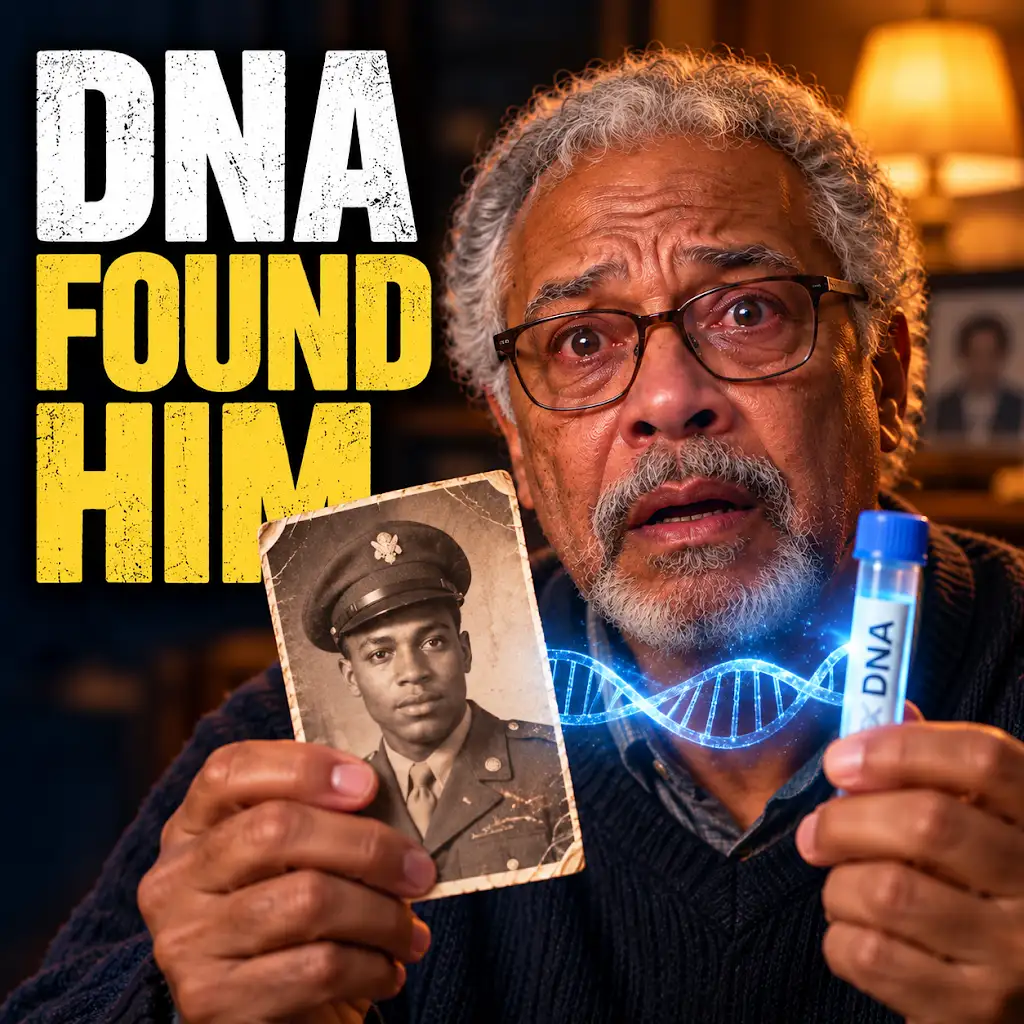
His WWII GI Father Was a Mystery for Nearly 80 Years
FAQs
What is the article “Unknown American Soldier Father” about?
The article discusses the challenges and experiences of individuals who have an unknown American soldier as their father.
How common is it for individuals to have an unknown American soldier as their father?
There is no specific data on the exact number of individuals who have an unknown American soldier as their father, but it is a situation that has been documented in various cases.
What are some of the reasons why someone may have an unknown American soldier as their father?
Some reasons include the soldier being deployed overseas, having a brief encounter with a local individual, or the soldier passing away before the child’s birth.
How do individuals with unknown American soldier fathers navigate their identity and heritage?
Individuals may seek out information through genealogy research, DNA testing, or connecting with organizations that specialize in helping individuals with military connections.
Are there any support systems or resources available for individuals with unknown American soldier fathers?
There are organizations and support groups that provide assistance, guidance, and a sense of community for individuals who are seeking to learn more about their unknown American soldier fathers.