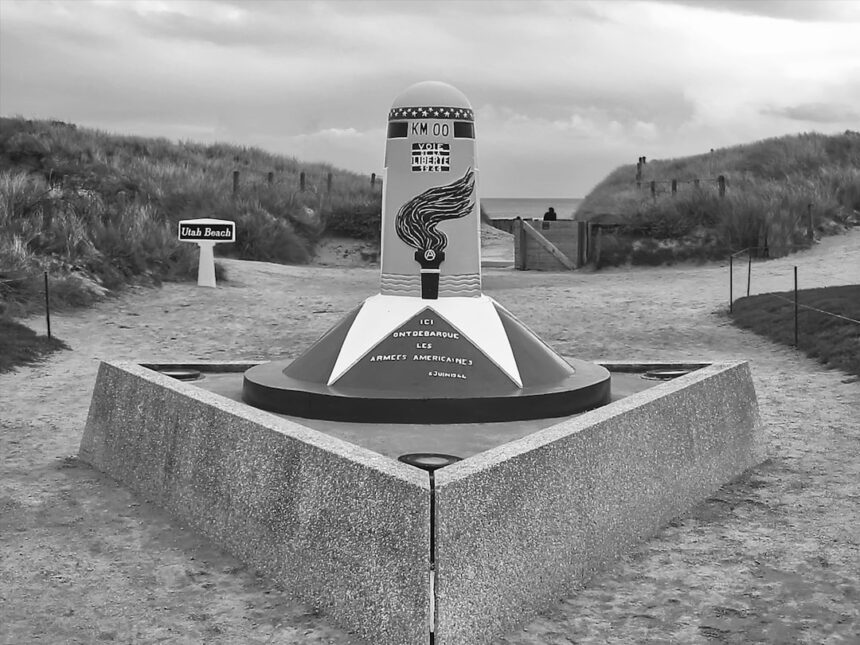
The beaches of Normandy, etched in the collective memory of the Western world, are synonymous with Operation Overlord, the monumental Allied invasion that began on June 6, 1944. D-Day, as it became universally known, was a turning point in World War II, a strategic masterstroke that signaled the beginning of the end for Nazi Germany. Yet, beneath the well-trodden narratives of Omaha, Utah, Gold, Juno, and Sword, lies a wealth of lesser-known stories, intricate details, and profound human experiences that often escape the spotlight. Uncovering the hidden history of D-Day requires looking beyond the grand pronouncements and iconic images to delve into the meticulous planning, the often-unseen sacrifices, and the surprising innovations that truly defined this pivotal moment.
The Shadowy Architects of Overlord
The success of D-Day was not a sudden eruption of force, but the culmination of years of clandestine planning, intricate intelligence gathering, and the painstaking assembly of an unprecedented logistical machine. The individuals and organizations operating in the shadows, often unseen by the public eye, played a crucial role in shaping the course of the invasion. Their contributions, while less glamorous than the battlefield heroics, were indispensable to the Allied victory.
The Crucible of Deception: Operation Fortitude
Perhaps the most critical element of the pre-invasion strategy was deception. The Allies understood that splitting German forces and preventing them from reinforcing the Normandy beaches was paramount. This monumental task fell to Operation Fortitude, a complex and elaborate ruse designed to convince the German high command that the main Allied invasion would occur elsewhere, most notably at the Pas-de-Calais, the closest point in France to England.
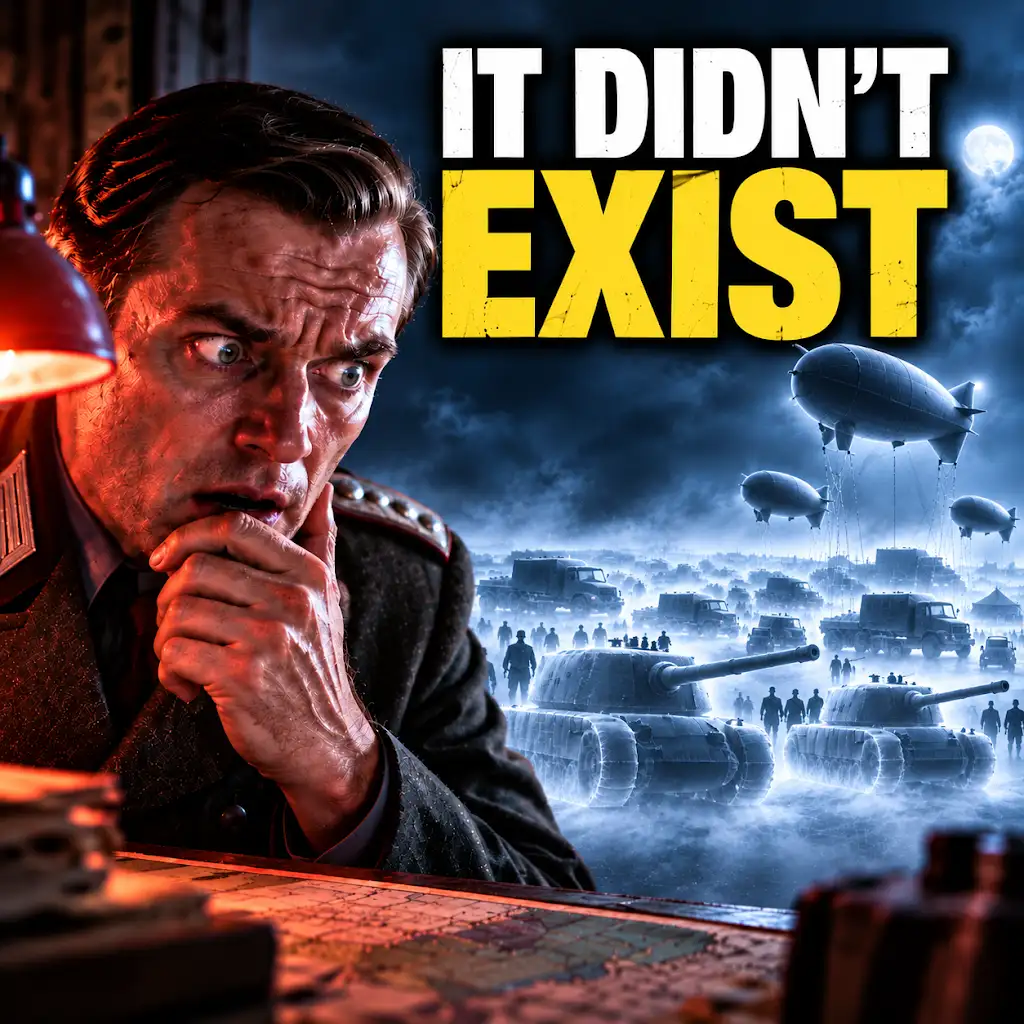
The architects of Fortitude, working under the direction of figures like Lieutenant Colonel Dudley Clarke and Brigadier General Lord Jellicoe, employed a multifaceted approach. They created an entire phantom army, the First U.S. Army Group (FUSAG), under the nominal command of the highly visible General George S. Patton. This was not a mere suggestion; FUSAG was a meticulously crafted illusion. Dummy landing craft were stockpiled along the British coast facing the Pas-de-Calais. Inflatable tanks and artillery were strategically placed in fields. Radio traffic, designed to mimic troop movements and communications, was carefully generated and broadcast. Even entire fake airfields were constructed.
The psychological warfare extended to planting misinformation through double agents, carefully controlled leaks, and fabricated intelligence reports. The Germans, desperate to defend their coastline, poured significant resources into fortifying the Pas-de-Calais, diverting troops and equipment away from Normandy. This successful deception meant that when the real invasion began, German reinforcements were significantly delayed, allowing the Allied forces to establish a tenuous but vital foothold. The brilliance of Fortitude lay in its ability to play on German anxieties and existing strategic assumptions, turning their own fears against them. The very lack of obviousness in the real invasion location, compared to the heavily publicized dummy operations, was a key to its success.
The Whispers of Intelligence: Codebreakers and Spies
Behind the scenes, a different kind of war was being waged – one of information. The Allied intelligence services, a patchwork of organizations including the British Secret Intelligence Service (MI6) and the American Office of Strategic Services (OSS), worked tirelessly to penetrate the German defenses and understand the enemy’s capabilities. Codebreakers at Bletchley Park, the legendary center of British codebreaking efforts, played an indispensable role. Their success in cracking the Enigma and Lorenz ciphers provided invaluable insights into German troop deployments, defensive plans, and even Hitler’s own strategic thinking.
The information gleaned from these decrypted messages allowed Allied planners to identify weaknesses in the Atlantic Wall, pinpoint the location of key defenses, and understand the expected German response. Furthermore, a network of spies and resistance fighters on the ground in occupied France provided crucial on-the-ground intelligence. These brave individuals risked their lives to gather information about coastal fortifications, troop movements, and the mood of the local population. Their reports, often delivered through perilous channels, fed directly into the planning for D-Day, helping to refine target selection and assess the risks involved. The story of Violette Szabo, a Special Operations Executive (SOE) agent who was captured, tortured, and executed by the Gestapo, exemplifies the immense personal cost of this intelligence war. Her bravery, and that of countless others, ensured that the invasion force had the most accurate picture of the enemy possible.
The hidden history behind D-Day reveals numerous untold stories and strategic decisions that shaped the outcome of World War II. For those interested in exploring this fascinating aspect of military history, a related article can be found at this link, which delves into the lesser-known events and figures that played crucial roles during the Normandy invasion.
The Unsung Heroes of the Spearhead

While the vast majority of Allied soldiers who landed on June 6th were instrumental, the men who went in first, facing the brunt of the German defenses, bore a burden of unimaginable weight. Their courage, often in the face of overwhelming odds, was the catalyst for the entire operation.
The Pioneers of the Beaches: Engineers and Obstacle Clearance
The landing beaches themselves were not pristine stretches of sand. They were heavily fortified with a complex array of obstacles designed to tear apart landing craft and sow chaos among the invading troops. German engineers had meticulously placed barbed wire, hedgehogs (metal obstacles), tetrahedrons, and mines. Tasked with clearing these deadly impediments were the Allied engineers, often referred to as the “dozer boys” or “pathfinders” of the beachhead.
These engineers, many of them barely out of their teens, landed with specialized equipment, including explosive charges and mechanical devices, in the immediate wake of the first assault waves. Their job was to create safe lanes for subsequent waves of troops and vehicles to disembark. They worked under intense enemy fire, often wading through waist-deep water, exposed and vulnerable, as they detonated mines and cut through barbed wire. The bravery displayed by these units, such as the 70th Engineer Combat Regiment on Omaha Beach, was nothing short of extraordinary. Many of them did not survive the initial hours, their sacrifices clearing the path for the thousands who followed. Their efforts were a brutal testament to the ingenuity of destruction and the even greater ingenuity of overcoming it.
The First Boots on the Ground: The Initial Assault Waves
The troops of the first assault waves, the infantry companies that hit the beaches just after dawn, faced a baptism of fire that few could have truly prepared for. These were the men who had to confront the concrete bunkers, the machine gun nests, and the artillery that lay waiting. Their mission was not just to land, but to survive long enough to establish a foothold and begin the arduous task of pushing inland.
The experiences on Omaha Beach are particularly harrowing, as outlined in historical accounts and the famous opening scene of “Saving Private Ryan.” The concentrated German defenses, coupled with the difficult terrain and unexpected tides, resulted in horrific casualties. Many landing craft were hit before they even reached the shore, their occupants plunged into the deadly waters. Those who made it to the beach found themselves pinned down by relentless machine-gun fire, with little cover. The extraordinary resilience and determination of these soldiers, who, despite staggering losses, managed to regroup and continue their assault, often under the leadership of junior officers and NCOs who stepped up in the absence of higher command, is a testament to the human spirit. Their stories, often told in hushed tones or through the fragmented memories of survivors, are the raw, unvarnished truth of the invasion’s bloody genesis.
The Technological Edge: Innovation in the Crucible
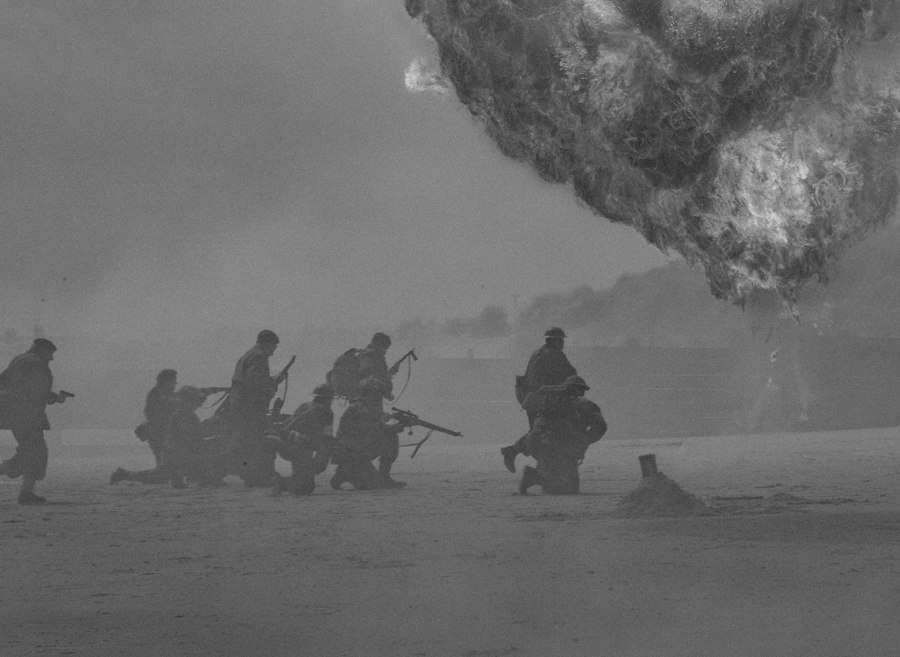
D-Day was not just a testament to human bravery; it was also a showcase for remarkable technological innovation. The Allied forces employed a range of specialized equipment and vehicles, many developed specifically for this massive amphibious assault, that significantly contributed to their success.
The Giants of the Sea: Specialized Landing Craft and Amphibious Vehicles
The very act of transporting hundreds of thousands of troops and vast quantities of equipment across the English Channel and onto heavily defended beaches required a fleet of specialized landing craft. The Higgins boat (Landing Craft, Vehicle, Personnel – LCVP) became iconic, capable of carrying around 36 men. But beyond these workhorses, a host of other innovative vessels were deployed.
The Landing Craft, Assault (LCA) used by the British and the commandos, were designed for speed and maneuverability. The Landing Ship, Tank (LST) was crucial for bringing heavier vehicles and supplies directly to the shore. But perhaps the most visually striking innovations were the amphibious vehicles, designed to travel both on land and in water. The DUKW, affectionately known as the “Duck,” was a six-wheeled amphibious truck capable of carrying troops and supplies from ship to shore and then inland. These vehicles played a vital role in consolidating the beachhead and ensuring a steady flow of matériel. The ingenuity behind these amphibious designs was instrumental in overcoming the challenges of beach landings, allowing for a more flexible and resilient logistical chain.
The Ingenuity of the Engineer Corps: Bridging the Gap
Once the beachhead was secured, the challenge shifted to moving troops and supplies inland. This often meant overcoming natural obstacles like rivers and streams, as well as the destruction of bridges by retreating German forces. The Allied engineers once again rose to the occasion with remarkable ingenuity.
The development of the Bailey bridge, a prefabricated, sectional truss bridge that could be rapidly assembled, was a game-changer. Engineers could construct these bridges under fire, often with limited resources, to span waterways and damaged infrastructure. Another critical piece of equipment was the M2 assault bridging equipment, which allowed for the rapid deployment of pontoon bridges. The ability to quickly establish and maintain lines of communication and supply inland was crucial for the sustained momentum of the Allied advance. Without these engineering marvels, the rapid exploitation of the beachhead would have been impossible. The silent, tireless work of these engineers, often far from the public eye, was as vital as any airborne assault or naval bombardment.
The Human Cost Beyond the Battlefield
While the military strategy and technological advancements are critical to understanding D-Day, the true essence of its history lies in the profound human cost. Beyond the official casualty figures, there are countless personal stories of sacrifice, resilience, and the enduring impact of that day on individuals and communities.
The Civilian Ordeal: Caught in the Crossfire
The civilian population of Normandy bore a heavy burden during the liberation. The sheer scale of the invasion, with its massive aerial bombardment and naval shelling, inevitably caused widespread destruction. Towns and villages were reduced to rubble, and countless lives were lost or irrevocably altered.
French civilians, who had endured years of German occupation, found themselves caught in the brutal crossfire of the Allied assault. Many were forced to flee their homes, seeking shelter in cellars or venturing into the countryside. They witnessed firsthand the horrors of war, the destruction of their homes, and the loss of loved ones. The stories of survival, of acts of kindness and defiance by the French Resistance, and the long process of rebuilding are an integral part of the D-Day narrative. The enduring gratitude of the Norman people towards the Allied soldiers, and the establishment of commemorative sites, speak volumes about the deep and lasting connection forged in the crucible of war. Their silent suffering and eventual liberation are as much a part of D-Day’s history as the combat.
The Long Shadow of Trauma: The Psychological Scars
The physical wounds of D-Day were visible and devastating. However, the psychological scars, the invisible wounds of war, often ran even deeper and lingered for decades. Soldiers who survived the brutal fighting on the beaches and the subsequent campaigns carried with them the trauma of what they had witnessed and experienced.
The sheer intensity of the violence, the constant threat of death, and the horrors of witnessing comrades fall left an indelible mark. Many soldiers struggled with post-traumatic stress disorder (PTSD), a condition that was not fully understood or recognized at the time. They faced nightmares, flashbacks, and debilitating anxiety that affected their ability to reintegrate into civilian life. The stories of veterans grappling with these psychological burdens, the quiet suffering, and the eventual efforts towards understanding and healing are a crucial, often overlooked, aspect of D-Day’s legacy. Their internal battles, fought long after the fighting ceased, are as significant as any military campaign.
The hidden history behind D-Day reveals many untold stories and strategic decisions that shaped the outcome of World War II. For those interested in delving deeper into this pivotal moment, an insightful article can be found at In The War Room, which explores the lesser-known aspects of the operation and highlights the contributions of various individuals and groups. Understanding these elements not only enriches our knowledge of D-Day but also honors the sacrifices made by countless heroes during this critical time.
The Lingering Echoes: D-Day’s Enduring Legacy
| Aspect | Details | Significance |
|---|---|---|
| Operation Fortitude | Deceptive Allied operation to mislead Germans about the invasion location | Successfully diverted German forces away from Normandy, aiding the success of D-Day |
| Role of Women | Women served as spies, codebreakers, and support staff in the lead-up to D-Day | Critical in intelligence gathering and maintaining communication lines |
| French Resistance | Provided intelligence and sabotaged German operations before and during D-Day | Disrupted German supply lines and communications, facilitating Allied advances |
| Weather Impact | Storms delayed the invasion by one day, risking the entire operation | Careful meteorological analysis was crucial for timing the invasion |
| Casualties | Approximately 10,000 Allied casualties on D-Day, including 4,414 confirmed dead | High human cost underscored the operation’s difficulty and bravery involved |
| Use of Mulberry Harbors | Temporary portable harbors constructed to facilitate rapid offloading of cargo | Enabled sustained supply lines critical for the success of the invasion |
| Codebreaking Efforts | Allied cryptographers decrypted German communications prior to D-Day | Provided strategic advantage by revealing German troop movements and plans |
More than eighty years after the landings, the historical significance of D-Day continues to resonate. It was a watershed moment that not only altered the course of World War II but also profoundly shaped the geopolitical landscape of the post-war world and continues to influence our understanding of courage, sacrifice, and the enduring struggle for freedom.
The Foundation of Post-War Order: A New Global Order
The success of Operation Overlord was a pivotal step in the Allied victory over Nazi Germany. It opened a crucial second front in Western Europe, forcing Germany to divide its forces and ultimately leading to its defeat. Beyond the immediate military triumph, D-Day played a significant role in establishing the post-war global order. The victory of the Allied powers, particularly the United States and Great Britain, solidified their positions as global superpowers and laid the groundwork for the establishment of international institutions like the United Nations. The shared sacrifice and triumph on D-Day fostered a sense of unity and purpose among these nations, which would be crucial in the ensuing Cold War era. It was the triumph of a coalition built on shared values and a common enemy, a blueprint for international cooperation that, despite its imperfections, has endured for decades.
Remembering the Price of Freedom: The Ongoing Duty of Remembrance
The beaches of Normandy have become sacred ground, a powerful reminder of the immense price paid for freedom. The meticulously maintained cemeteries, the museums, and the countless memorials stand as silent testaments to the bravery and sacrifice of those who fought and died there. The annual commemorations, attended by veterans, dignitaries, and ordinary citizens, serve as a vital act of remembrance.
Uncovering the hidden history of D-Day is not merely an academic exercise; it is a moral imperative. It is about ensuring that the stories of the unsung heroes, the often-forgotten sacrifices, and the profound human cost are not lost to the sands of time. By delving deeper into the complexities and nuances of this pivotal event, we gain a more complete understanding of the forces that shaped our world and a renewed appreciation for the enduring legacy of courage, resilience, and the relentless pursuit of liberty. The echoes of those gunshots and the cries of those who fell continue to remind us of the preciousness of peace and the perpetual need to guard the freedoms they fought so valiantly to secure.
How the Allies Built an Army for Germany to Discover
FAQs
What is the significance of D-Day in history?
D-Day, which took place on June 6, 1944, was the largest seaborne invasion in history and marked the beginning of the end of World War II in Europe.
How many troops were involved in the D-Day invasion?
Approximately 156,000 Allied troops from the United States, United Kingdom, Canada, and other countries landed on the beaches of Normandy on D-Day.
What were the code names for the five beaches where the Allies landed on D-Day?
The code names for the five beaches where the Allies landed on D-Day were Utah Beach, Omaha Beach, Gold Beach, Juno Beach, and Sword Beach.
What was the role of the French Resistance in the lead-up to D-Day?
The French Resistance played a crucial role in sabotaging German communication and transportation lines in the months leading up to D-Day, helping to weaken German defenses.
How did the success of D-Day impact the outcome of World War II?
The success of D-Day allowed the Allies to establish a foothold in Western Europe, leading to the liberation of France and the eventual defeat of Nazi Germany in May 1945.