The Treaty of Guadalupe Hidalgo, signed on February 2, 1848, stands as a pivotal, albeit often misunderstood, turning point in the territorial and political landscape of North America. It officially concluded the Mexican-American War, a conflict that scarred both nations and irrevocably altered their destinies. While commonly remembered for its cession of vast Mexican territories to the United States, the treaty’s intricate clauses and the circumstances surrounding its negotiation hold a treasure trove of hidden facts, revealing a more complex narrative than many realize. This article aims to peel back the layers of this significant accord, exposing the undercurrents of power, negotiation, and consequence that have shaped the continent for generations.
The path to the Treaty of Guadalupe Hidalgo was paved with escalating tensions and competing ambitions. Understanding the war’s genesis is crucial to appreciating the treaty’s eventual terms.
Manifest Destiny: The American Imperative
The mid-19th century was a period where the doctrine of “Manifest Destiny” held a powerful sway in the American psyche. This belief, as fervent as a religious calling, asserted that the United States was divinely ordained to expand its dominion and spread democracy across the North American continent. Proponents envisioned a nation stretching “from sea to shining sea,” a geographical inevitability that justified territorial acquisition. This ideology acted as a potent fuel, igniting the ambitions of politicians and citizens alike for expansionist policies.
Texas Annexation: The Spark That Ignited the Flames
The annexation of the Republic of Texas by the United States in 1845 proved to be the immediate catalyst for war. Mexico had never officially recognized Texas’s independence, viewing its secession as an illegal rebellion. The disputed border between Texas and Mexico, particularly along the Rio Grande, became a flashpoint. American troops, under the command of Zachary Taylor, were dispatched to the disputed territory, leading to clashes with Mexican forces. These skirmishes provided President James K. Polk with the casus belli he sought to initiate a full-scale invasion.
Mexican Political Instability: A Nation Divided
Mexico, in the years following its independence from Spain, was plagued by internal strife and political instability. Frequent changes in leadership, regional power struggles, and economic hardship weakened the nation’s ability to present a united front against external aggression. This internal fragility made Mexico a more vulnerable target and influenced its negotiating position during the war and the subsequent peace treaty. The nation was a fractured mosaic, making a robust defense against a unified adversary incredibly challenging.
The Treaty of Guadalupe Hidalgo, signed in 1848, marked a significant turning point in U.S.-Mexico relations, but many hidden facts about its implications remain less known. For a deeper understanding of the treaty’s impact and the lesser-known aspects surrounding it, you can explore this insightful article that delves into the complexities of the agreement and its aftermath. To read more, visit this article.
The Negotiation Table: A Balancing Act of Power and Pressure
The Treaty of Guadalupe Hidalgo was not a simple dictate from victor to vanquished. While the United States held a clear military advantage, the negotiation process involved a complex interplay of demands, concessions, and internal political pressures within both nations.
The American Demands: Exceeding Initial Aims
President Polk initially aimed to acquire California and New Mexico, but the swiftness of the American military success led to bolder aspirations. As the war progressed, the American delegation, led by Nicholas Trist, found themselves negotiating from a position of overwhelming strength. However, internal divisions within the American government regarding the extent of territorial acquisition and the handling of newly conquered lands added layers of complexity. Some factions advocated for the outright annexation of all of Mexico, a proposition ultimately rejected due to concerns about integrating a large, predominantly Spanish-speaking population.
The Mexican Concessions: A Bitter Pill of Reality
For Mexico, the treaty represented a profound national humiliation. Facing military defeat and internal disarray, its negotiating team was forced to cede vast territories that constituted over half of its pre-war domain. The Mexican negotiators, led by Luis G. Cuevas, Bernardo Couto, and Miguel Atristain, were under immense pressure from their government and the public to secure the best possible terms, though the leverage at their disposal was severely diminished. The loss of land was a deeply scarring wound, a testament to a nation’s vulnerability.
The Role of Nicholas Trist: A Rebellious Negotiator
Nicholas Trist, the chief American negotiator, played a surprisingly independent role in the treaty’s formation. Despite being recalled by President Polk shortly before the treaty’s signing due to disagreements over Polk’s increasingly expansive demands, Trist defied his orders and concluded the treaty. He believed that continuing the war would only lead to further bloodshed and potentially worse terms for Mexico, ultimately jeopardizing the stability of the region. Trist’s defiance, born from a pragmatic assessment of the situation, secured terms that, while harsh, were arguably less devastating than what might have resulted from prolonged conflict.
The Terms of Surrender: More Than Just Land
The Treaty of Guadalupe Hidalgo encompassed far more than the simple transfer of land. Its clauses addressed financial obligations, citizenship rights, and the demarcation of a new, vast border, each carrying significant long-term implications.
The Cession of Mexican Territory: A Continent Reshaped
The most significant outcome of the treaty was the cession of approximately 525,000 square miles of Mexican territory to the United States. This land, encompassing present-day California, Nevada, Utah, Arizona, New Mexico, and parts of Colorado, Wyoming, Kansas, and Oklahoma, fundamentally redrew the map of North America. It was a monumental acquisition that fueled American westward expansion and became a cornerstone of the nation’s territorial claims. This land was not merely unpopulated wilderness; it was country rich with history and the ancestral homes of many peoples.
The Rio Grande Boundary: A Source of Future Friction
The treaty established the Rio Grande River as a significant portion of the international boundary between the United States and Mexico. While intended to clarify territorial rights, the fluctuating nature of riverbeds and historical disputes over its precise course would continue to be a source of contention for decades, a serpent in the garden of peaceful coexistence.
Financial Considerations: A Price of Peace
While Mexico ceded vast territories, the United States agreed to pay Mexico $15 million in compensation. This payment, intended to offset the Mexican government’s perception of lost property, was seen by some as a symbolic gesture, while for others, it was a bitter acknowledgment of the land’s value. Additionally, the U.S. assumed responsibility for claims made by U.S. citizens against the Mexican government, amounting to approximately $3.25 million.
Citizenship Provisions: A Path of Uncertainty
A critical and often overlooked aspect of the treaty concerned the rights of Mexican citizens residing in the ceded territories. Article IX stipulated that Mexicans who chose to remain on the land would be granted the rights of U.S. citizens, including protection of property and religious freedom. However, the implementation of these provisions was inconsistent and often fell short of its pronouncements. Many individuals found their rights curtailed, their properties contested, and their cultural identities challenged, a testament to the gap between treaty promises and lived reality.
The Aftermath and Legacy: Echoes Through Time

The Treaty of Guadalupe Hidalgo did not simply draw a line on a map; it set in motion a chain of events that continue to resonate today. Its legacy is a complex tapestry woven with threads of progress and profound injustice.
The Californios and the Dispossession of Land
The treaty’s promise of citizenship rights for Californios, the Spanish-speaking inhabitants of California, was largely unfulfilled. As American settlers flooded into the newly acquired territories, driven by the Gold Rush, the Californios often found their land claims challenged through legal maneuvering and outright dispossession. The legal system, designed by and for the newcomers, often proved an insurmountable barrier, eroding their economic and social standing. It was a gradual, insidious unraveling of their place in the new order.
The Mexican American Experience: Identity and Resilience
The treaty profoundly shaped the Mexican American experience. Those who remained in the ceded territories became a new minority within the United States, navigating a complex landscape of assimilation, discrimination, and cultural preservation. Their history is one of resilience, adaptation, and a persistent struggle for recognition and equality. The treaty acted as a crucible, forging a distinct identity from the ashes of territorial loss.
The Unforeseen Geopolitical Shifts: A Continental Power Ascendant
The territorial expansion facilitated by the Treaty of Guadalupe Hidalgo cemented the United States’ position as a continental power. It provided the resources and land base for further industrialization, westward migration, and its eventual emergence on the global stage. Mexico, conversely, was left with a diminished territory and a lasting historical grievance, a wound that would contribute to its ongoing quest for national development and recognition. The treaty was a giant leap for one nation, a profound contraction for another.
The Treaty of Guadalupe Hidalgo, signed in 1848, marked a significant turning point in U.S.-Mexico relations, yet many hidden facts about its implications remain underexplored. For instance, the treaty not only ceded vast territories to the United States but also had lasting effects on the lives of Mexican citizens who found themselves living in a new nation. To delve deeper into the complexities surrounding this historical agreement, you can read a related article that uncovers some of these lesser-known aspects by visiting this insightful resource.
Hidden Facts and Enduring Debates: The Unfinished Story
| Fact | Description | Impact |
|---|---|---|
| Secret Clauses | The treaty included secret agreements about land rights and citizenship that were not widely publicized. | Caused confusion and disputes over land ownership among Mexican landowners. |
| Land Grants Disputes | Many Mexican land grants were not honored or were challenged after the treaty. | Led to loss of property for many Mexican families in the newly acquired U.S. territories. |
| Citizenship Promises | The treaty promised U.S. citizenship to Mexicans living in ceded territories, but the process was slow and discriminatory. | Many residents faced legal and social challenges integrating into U.S. society. |
| Border Ambiguities | The treaty’s border definitions were vague in some areas, leading to future disputes. | Resulted in conflicts such as the Chamizal dispute between the U.S. and Mexico. |
| Impact on Indigenous Peoples | The treaty did not address the rights or status of indigenous groups in the ceded territories. | Indigenous communities faced increased marginalization and loss of land. |
Beyond the commonly understood terms, the Treaty of Guadalupe Hidalgo harbors several lesser-known aspects and continues to be a subject of historical debate. Examining these hidden facts offers a more nuanced understanding of its impact.
The “Indian Problem”: Unacknowledged Dispossession
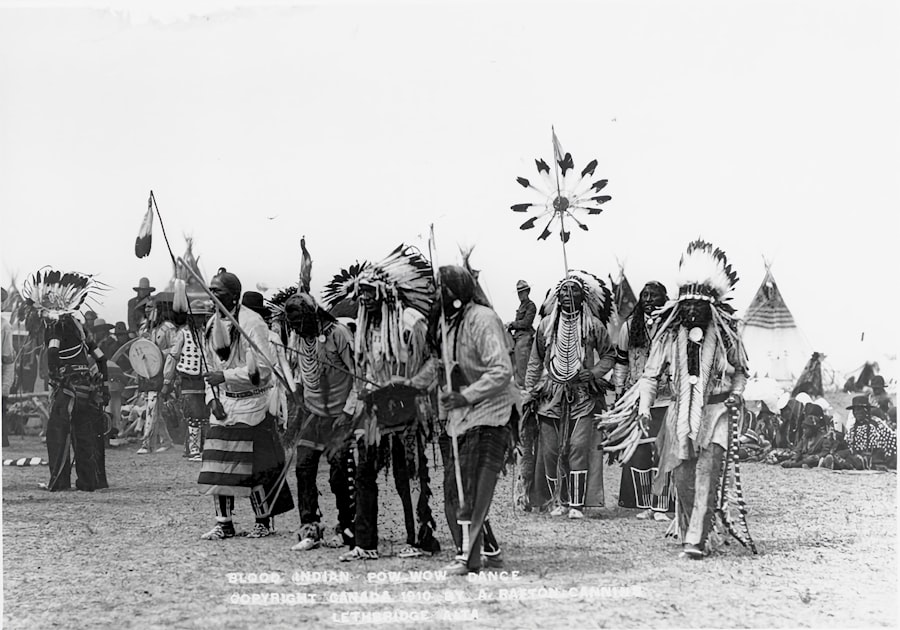
While the treaty primarily addressed the transfer of land between Mexico and the United States, it largely ignored the pre-existing rights of Native American tribes who inhabited these territories. The subsequent U.S. policies towards these indigenous populations, which often involved forced removal, land appropriation, and cultural suppression, were a direct consequence of the territorial acquisition facilitated by the treaty. The treaty acted as a convenient veil, allowing for the further dispossession of those who had always called these lands home.
The Role of Slavery: A Shadow in the Negotiations
The issue of slavery cast a long shadow over the debates surrounding the treaty’s ratification in the United States. As the nation grappled with the question of whether the newly acquired territories would be free or slave states, tensions over slavery intensified, contributing to the growing sectional divide that would eventually lead to the Civil War. The treaty, therefore, inadvertently became a catalyst for internal American conflict.
The “Ghost” of the Treaty: Unfulfilled Promises and Ongoing Repercussions
The legacy of the Treaty of Guadalupe Hidalgo is not a closed chapter. Debates persist regarding the interpretation of its clauses, the extent of unfulfilled promises, and its ongoing impact on border relations, immigration, and the rights of Mexican Americans. The treaty remains a touchstone for discussions about historical justice, national identity, and the enduring consequences of conquest and territorial acquisition. It is a living document, its implications continuing to ripple through the present.
In conclusion, the Treaty of Guadalupe Hidalgo is a testament to the profound power of historical agreements to reshape the destiny of nations. Beyond the straightforward narrative of territorial cession, it is a complex testament to political maneuvering, national ambition, and the enduring consequences of conflict. Uncovering its hidden facts reveals a more intricate story, one that continues to inform the present and challenge our understanding of the American and Mexican narratives. The treaty remains a monument, not just of paper and ink, but of the enduring forces that shape continents and the lives of those who inhabit them.
FAQs
What was the Treaty of Guadalupe Hidalgo?
The Treaty of Guadalupe Hidalgo was the peace agreement signed on February 2, 1848, that ended the Mexican-American War. It established the terms for the U.S. acquisition of a large portion of Mexico’s northern territories.
What territories did the United States gain from the treaty?
The treaty resulted in Mexico ceding approximately 525,000 square miles of land to the United States, including present-day California, Nevada, Utah, Arizona, New Mexico, Colorado, Wyoming, and Texas.
Were there any hidden or lesser-known provisions in the treaty?
Yes, beyond the well-known land cession, the treaty included provisions guaranteeing property rights and citizenship to Mexican residents in the newly acquired territories, though these were often ignored or poorly enforced.
How did the treaty affect Mexican citizens living in the ceded territories?
Mexican citizens were given the choice to relocate within Mexico’s new boundaries or remain and become U.S. citizens with full rights. However, many faced discrimination and loss of land despite these guarantees.
What impact did the Treaty of Guadalupe Hidalgo have on U.S.-Mexico relations?
The treaty formally ended hostilities but left lingering tensions due to disputes over land, citizenship rights, and border definitions. It significantly shaped the geopolitical landscape of North America and influenced future diplomatic relations.