The shadows of the special operations world harbor elite units, meticulously trained and deployed for the most critical missions. Among the most revered and shrouded in secrecy are Delta Force, officially known as the 1st Special Forces Operational Detachment-Delta (1st SFOD-D), and SEAL Team Six, more formally designated as the Naval Special Warfare Development Group (NSWDG). While both organizations operate at the apex of military capability, their origins, operational philosophies, and specialized skill sets present a fascinating study in contrasts. Understanding these distinctive traits is crucial to appreciating the nuanced roles they play in safeguarding national interests.
Genesis and Mandate: Forged in Fire, Defined by Necessity
The genesis of both Delta Force and SEAL Team Six lies in responses to specific historical events, shaping their foundational principles and ongoing mandates. Their very creation underscored a perceived gap in existing capabilities and a need for highly specialized units capable of undertaking missions beyond the scope of conventional forces.
The Birth of Delta Force: Responding to Hostage Crises
Delta Force emerged from the ashes of the failed Operation Eagle Claw in 1980, a disastrous attempt to rescue American hostages held in Iran. The glaring shortcomings in planning, coordination, and execution of this mission highlighted a critical need for a dedicated counter-terrorism unit with specialized skills in hostage rescue, direct action, and special reconnaissance. Colonel Charles Beckwith, a veteran of the British Special Air Service (SAS) and a key proponent of its model, spearheaded the formation of Delta. His vision was to create an American equivalent of the SAS, a unit comprised of the best operators drawn from the Army’s Special Forces and Rangers, trained to an unparalleled standard in precision, discretion, and decisive action. The initial mandate was clear: to be the primary counter-terrorism unit for the U.S. military, ready to respond to hostage situations, high-threat scenarios, and other highly sensitive operations that demanded absolute stealth and surgical precision. This foundational imperative has continued to define Delta’s operational focus, emphasizing meticulous planning, adaptability, and the ability to operate in deep cover.
The Evolution of SEAL Team Six: Naval Special Warfare’s Cutting Edge
SEAL Team Six, while predating the formal establishment of NSWDG, was officially chartered in 1987 by Commander Richard Marcinko, a legendary figure in Naval Special Warfare. Its creation was also a response to specific threats, particularly the growing concern over maritime terrorism and the need for a dedicated naval special operations force capable of undertaking clandestine missions in a maritime environment. The initial emphasis was on counter-terrorism and direct action against maritime targets. However, over time, the unit’s role has expanded significantly. SEAL Team Six operates under the broader umbrella of the United States Special Operations Command (SOCOM) and is part of the Naval Special Warfare Command (NSWC). Its mandate encompasses a broad spectrum of operations, including direct action, special reconnaissance, counter-terrorism, hostage rescue, and unconventional warfare, often with a strong emphasis on maritime or amphibious insertion and extraction. The unit’s lineage from the Navy SEALs provides it with an inherent advantage in aquatic environments, a distinct characteristic that differentiates it from Delta Force.
If you’re interested in exploring the unique characteristics and operational differences between elite military units like Delta Force and SEAL Team Six, you might find this related article insightful. It delves into their training, missions, and the distinct roles they play within the U.S. military. For more information, check out the article here: Delta Force vs. SEAL Team Six: Hidden Differences.
Operational Philosophies: Precision vs. Versatility
The distinct organizational structures and historical mandates of Delta Force and SEAL Team Six have fostered differing operational philosophies, though a degree of overlap and cross-pollination of tactics exists. These philosophies dictate their approach to mission planning, execution, and the types of environments in which they are most comfortable operating.
Delta Force: The Master of Precision and Covert Action
Delta Force operates with a philosophy deeply rooted in precision, meticulous planning, and a high degree of operational security. Their approach to missions is characterized by an almost surgical execution, aiming for overwhelming surprise and decisive force at the critical moment. This emphasis on precision is not merely about accuracy; it extends to the entire operational spectrum, from intelligence gathering and surveillance to the actual strike and exfiltration. Delta operatives are trained to blend seamlessly into their surroundings, often operating in deep cover and utilizing unconventional means of insertion and extraction. Their hallmark is the ability to achieve objectives with minimal collateral damage and to vanish as if they were never there. This is achieved through extensive rehearsals, contingency planning, and an unwavering focus on the smallest details. The unit’s success hinges on its ability to gather superior intelligence, develop highly detailed operational plans, and execute those plans with flawless precision, often in highly volatile or politically sensitive situations. The emphasis is on achieving the mission objective with absolute certainty and with the least possible footprint.
SEAL Team Six: Naval Dominance and Adaptability
SEAL Team Six, drawing upon its Navy SEAL heritage, possesses a philosophy that emphasizes adaptability, maritime dominance, and the ability to operate across a broad spectrum of environments. While precision is paramount, their training and operational doctrine often lean towards a more versatile approach, allowing them to fluidly transition between different operational scenarios. Their expertise in maritime environments – from underwater operations and amphibious assaults to operating from small boats and submarines – is unparalleled. However, SEAL Team Six is equally adept at operating in desert, jungle, and urban settings. This inherent versatility allows them to undertake a wider range of missions, often those requiring rapid deployment and adaptation to evolving circumstances. Their philosophy embraces a “get it done” mentality, leveraging their extensive training and the robust capabilities of the U.S. Navy to achieve objectives. The ability to project power from the sea, conduct reconnaissance, and execute direct action missions in a variety of challenging terrains is a defining characteristic of their operational ethos.
Selection and Training: The Crucible of Elite Operators
The path to becoming an operator in either Delta Force or SEAL Team Six is arguably one of the most arduous and selective in the military. Both units demand an exceptional level of physical and mental fortitude, coupled with a relentless pursuit of skill acquisition. While the core principles of rigorous selection are shared, the specific methodologies and areas of focus diverge, reflecting their distinct operational requirements.
Delta Force’s Rigorous Recruitment Pipeline
Delta Force draws its operators primarily from the U.S. Army’s Special Forces, Rangers, and other elite units, though applications from other branches are considered. The selection process is notoriously challenging and is known as Assessment and Selection (A&S). It is designed to identify individuals who possess not only exceptional physical fitness but also a profound degree of mental resilience, problem-solving ability, maturity, and leadership potential. Candidates are subjected to grueling physical tests, psychological evaluations, and demanding scenarios designed to push them to their absolute limits. The emphasis is on identifying individuals who can perform under extreme stress, make sound decisions in ambiguous situations, and demonstrate an unwavering commitment to the mission and their teammates. Successful candidates then undergo extensive advanced training, focusing on areas such as hostage rescue, close-quarters combat, advanced marksmanship, intelligence gathering, and survival skills. The training is highly specialized and emphasizes a continuous learning environment, ensuring operators remain at the cutting edge of their respective fields.
SEAL Team Six’s Elite Path to Naval Special Warfare Mastery
SEAL Team Six recruits from the ranks of experienced U.S. Navy SEALs who have already completed the Basic Underwater Demolition/SEAL (BUD/S) training and possess a proven track record. This ensures that candidates already possess a foundational level of combat readiness and specialized maritime skills. The selection process for SEAL Team Six is equally rigorous, often referred to as “Red Cell” or similar internal designations. It focuses on identifying SEALs with exceptional maturity, discipline, intelligence, and the ability to excel in highly demanding, often clandestine operations. Candidates are tested on their tactical acumen, problem-solving skills, and their ability to operate effectively in small, cohesive units. The training is highly specialized and builds upon the existing skills of experienced SEALs. It includes advanced close-quarters combat, specialized weapons training, intelligence operations, advanced medical skills, and extensive training in unconventional warfare and counter-terrorism tactics. The emphasis is on developing operators who can conduct high-risk missions with stealth, precision, and adaptability in any environment.
Operational Specialties: Divergent Skill Sets for Diverse Threats
While both Delta Force and SEAL Team Six are highly capable across a broad spectrum of special operations, their historical development and core missions have led to the cultivation of distinct operational specialties. These specializations allow them to excel in specific types of missions and environments, providing a layered approach to national security.
Delta Force’s Counter-Terrorism and Hostage Rescue Prowess
Delta Force’s core competency lies in counter-terrorism operations and hostage rescue. Their training and operational doctrine are meticulously tailored to confront these high-stakes scenarios. This includes advanced techniques in breaching, room clearing, close-quarters battle (CQB), and the precise neutralization of threats while minimizing risk to hostages. They are experts in dynamic entry, utilizing specialized equipment and tactics to gain rapid access to compromised locations. Beyond direct action, Delta also excels in intelligence gathering and special reconnaissance, often conducting clandestine surveillance in hostile territories to gather critical information before an operation. Their ability to operate with a low signature and to execute missions with extreme precision makes them the go-to unit for situations where the lives of American citizens or allies are at immediate risk. Their operational success is often measured not just by the elimination of threats but by the successful recovery of individuals and the preservation of innocent lives.
SEAL Team Six’s Maritime and Counter-Terrorism Dominance
SEAL Team Six’s specialization is deeply intertwined with its maritime heritage. They are masters of amphibious operations, capable of conducting raids from submarines, surface vessels, and even aircraft directly into the water. Their expertise in underwater combat, demolition, and navigation is unparalleled. This maritime capability extends to counter-terrorism operations in coastal and offshore environments, including the interdiction of maritime terrorist cells and the securing of naval assets. Furthermore, SEAL Team Six has evolved into a formidable counter-terrorism force capable of conducting direct action missions in virtually any environment, mirroring Delta Force’s capabilities. Their adaptability allows them to seamlessly transition from a maritime insertion to a land-based assault, often on short notice. This inherent flexibility, combined with their specialized maritime skills, makes them a unique and potent force for addressing global threats, particularly those with a maritime dimension or those requiring the projection of power from the sea.
In exploring the elite units of the U.S. military, one can find fascinating insights into the operations and training of Delta Force and SEAL Team Six. A related article that delves deeper into the unique characteristics and missions of these two formidable teams can be found at In The War Room. This resource provides a comprehensive comparison, highlighting the hidden differences that set these special forces apart while showcasing their remarkable capabilities in high-stakes situations.
Inter-Agency Cooperation and Operational Overlap
Despite their distinct origins and specialized skill sets, Delta Force and SEAL Team Six are not isolated entities. They operate within the broader framework of SOCOM and frequently cooperate on complex, multi-faceted missions. This inter-agency cooperation is essential for leveraging the unique strengths of each unit and ensuring a cohesive response to evolving threats.
SOCOM’s Strategic Integration of Elite Units
The United States Special Operations Command (SOCOM) plays a pivotal role in integrating and coordinating the efforts of Delta Force and SEAL Team Six, along with other special operations forces. SOCOM’s mandate is to provide a unified command structure for special operations, ensuring that these elite units are strategically employed to meet national security objectives. This integration involves joint planning, shared intelligence, and coordinated training exercises. When a mission requires the specific expertise of both units, SOCOM facilitates the seamless collaboration, allowing them to leverage their complementary strengths. For instance, a complex counter-terrorism operation might involve Delta Force’s expertise in urban assault and hostage rescue combined with SEAL Team Six’s ability to conduct maritime insertion and provide over-the-horizon support. This strategic integration ensures that the U.S. military can deploy the most appropriate and capable forces for any given scenario, maximizing the chances of success and minimizing risk.
Collaborative Missions and the Synergy of Strengths
The operational landscape of special operations is rarely confined to the domain of a single unit. Delta Force and SEAL Team Six have both participated in numerous collaborative missions, where their combined capabilities have proven indispensable. These operations often involve intricate planning and a deep understanding of each unit’s strengths and limitations. For example, in operations requiring a clandestine insertion into a hostile nation, SEAL Team Six might be responsible for the maritime or over-water approach, while Delta Force takes the lead on the ground for direct action or hostage rescue. Conversely, a mission targeting a dispersed terrorist network might see Delta Force conducting reconnaissance and intelligence gathering in a specific region, while SEAL Team Six is tasked with disrupting maritime supply lines or conducting operations in coastal areas. This synergy of strengths, facilitated by robust intelligence sharing and joint operational planning, allows these elite units to achieve objectives that would be impossible for any single unit to accomplish alone. The ability to seamlessly integrate their distinct skill sets creates a formidable and adaptable force capable of confronting the most complex and challenging threats facing the nation.
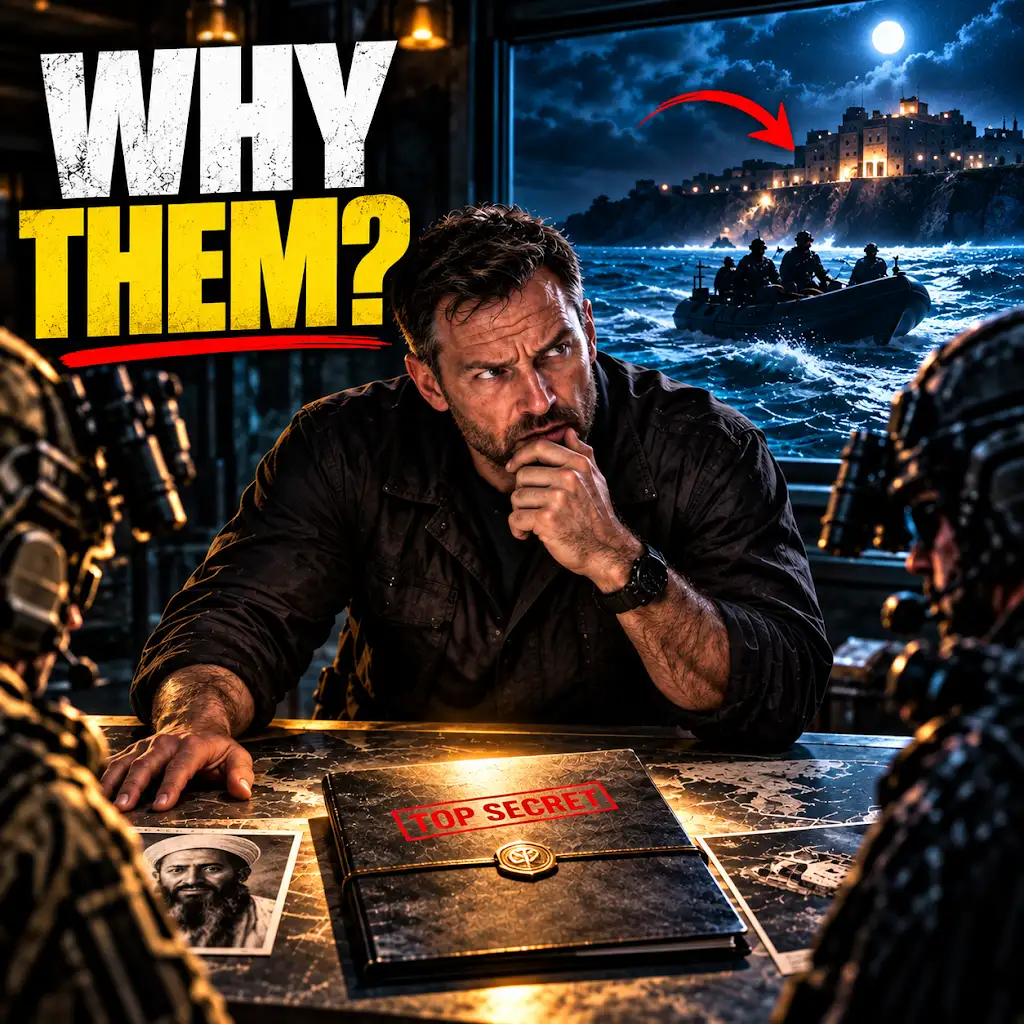
Why SEAL Team Six Got the Bin Laden Raid — Not Delta Force
FAQs
What is Delta Force and SEAL Team Six?
Delta Force and SEAL Team Six are both elite special operations forces within the United States military. Delta Force, officially known as 1st Special Forces Operational Detachment-Delta, is a secretive counter-terrorism unit under the United States Army. SEAL Team Six, officially known as the Naval Special Warfare Development Group (DEVGRU), is a special operations unit under the United States Navy.
What are the main differences between Delta Force and SEAL Team Six?
One of the main differences between Delta Force and SEAL Team Six is the branch of the military they fall under. Delta Force is part of the United States Army, while SEAL Team Six is part of the United States Navy. Additionally, Delta Force primarily focuses on counter-terrorism and hostage rescue missions, while SEAL Team Six specializes in counter-terrorism, hostage rescue, and direct action missions.
How are the selection processes for Delta Force and SEAL Team Six different?
The selection processes for Delta Force and SEAL Team Six are both extremely rigorous and demanding. However, Delta Force’s selection process is known as “Green Team” and is considered one of the toughest in the military. SEAL Team Six’s selection process is known as “Green Team” as well, but it is tailored specifically for Navy SEALs who are already highly trained and experienced.
What are the operational differences between Delta Force and SEAL Team Six?
Delta Force and SEAL Team Six have different operational focuses. Delta Force is primarily tasked with conducting high-risk counter-terrorism and hostage rescue missions, often operating in small teams behind enemy lines. SEAL Team Six, on the other hand, is known for its direct action missions, such as raids and special reconnaissance operations, often in maritime environments.
Are Delta Force and SEAL Team Six interchangeable?
While both Delta Force and SEAL Team Six are elite special operations forces with similar missions, they are not interchangeable. Each unit has its own unique capabilities, training, and operational procedures that make them distinct from one another. Delta Force and SEAL Team Six often work together on joint missions, leveraging their respective strengths to achieve mission success.