The secrets surrounding the Soviet military budget have long been a subject of intrigue and speculation among historians, political analysts, and military strategists. The Soviet Union, known for its opaque governance and tightly controlled information, maintained a veil of secrecy over its military expenditures that not only obscured the true scale of its military capabilities but also influenced global perceptions during the Cold War. The complexities of the Soviet military budget were not merely a matter of numbers; they were intertwined with the ideological battles of the time, shaping the geopolitical landscape in profound ways.
The significance of uncovering Soviet military budget secrets extends beyond mere historical curiosity. It provides insights into the motivations behind military spending, the prioritization of resources, and the implications for international relations.
As scholars and analysts delve into the intricacies of these budgetary secrets, they reveal a narrative that reflects the broader tensions of the Cold War era, characterized by an arms race, espionage, and a constant struggle for ideological supremacy. The exploration of these secrets not only sheds light on past events but also offers valuable lessons for contemporary global politics.
Key Takeaways
- The Soviet Union’s military budget was shrouded in secrecy, making it difficult for the international community to accurately assess its military capabilities.
- Soviet military spending was heavily influenced by historical events such as World War II and the Cold War, leading to a significant emphasis on defense and security.
- The Soviet Union employed various methods to conceal its military expenditures, including misreporting civilian expenses and using covert channels for arms procurement.
- The secrecy surrounding Soviet military budget had a profound impact on Cold War politics, fueling mistrust and paranoia between the superpowers.
- Espionage played a crucial role in uncovering Soviet military budget secrets, with intelligence agencies gathering valuable information to counter Soviet military advancements.
Historical Context of Soviet Military Spending
To fully grasp the intricacies of Soviet military budget secrets, one must first consider the historical context in which these expenditures were made. Following World War II, the Soviet Union emerged as one of the two superpowers, alongside the United States. The onset of the Cold War marked a period of intense rivalry, where military strength became synonymous with national security and ideological dominance.
The Soviet leadership, particularly under Joseph Stalin, prioritized military spending as a means to project power and deter perceived threats from the West. This focus on military capabilities was not merely a reaction to external pressures; it was also a reflection of internal political dynamics and the desire to maintain control over satellite states. Throughout the 1950s and 1960s, as tensions escalated between the superpowers, Soviet military spending continued to rise dramatically.
The arms race reached new heights with advancements in nuclear technology and conventional warfare capabilities. The Soviet Union invested heavily in developing a formidable arsenal, including intercontinental ballistic missiles (ICBMs) and nuclear submarines. However, this relentless pursuit of military superiority came at a cost, often leading to economic strain and societal challenges within the USSR.
The prioritization of military expenditures over consumer goods and social welfare programs created discontent among citizens, highlighting the complex interplay between military ambitions and domestic stability.
Methods Used to Conceal Soviet Military Expenditures
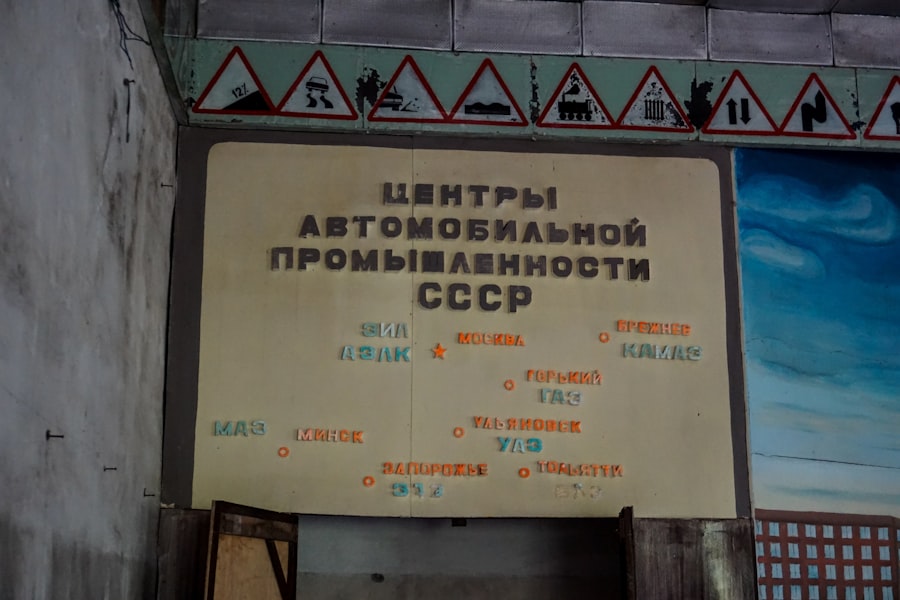
The Soviet Union employed a variety of methods to conceal its military expenditures from both domestic and international scrutiny. One of the primary strategies was the use of classified budgets that obscured actual spending figures. The government often presented misleading data that downplayed military costs while exaggerating investments in civilian sectors.
This manipulation of information served to maintain an image of economic stability and progress, even as resources were funneled into military projects. Additionally, the Soviet regime utilized a network of state-controlled media to shape public perception regarding military spending. Propaganda played a crucial role in portraying the military as a bastion of national pride and security, diverting attention from the true scale of expenditures.
By emphasizing achievements in space exploration and technological advancements, the government sought to create a narrative that justified its military investments while masking their impact on everyday life. This strategic obfuscation not only kept citizens unaware of the true costs but also allowed the leadership to maintain control over dissenting voices that might question such priorities.
Impact of Soviet Military Budget Secrets on Cold War Politics
| Metrics | Data |
|---|---|
| Increased Tensions | Heightened mistrust and suspicion between the US and the Soviet Union |
| Arms Race | Escalation of nuclear and conventional arms buildup |
| Political Maneuvering | Use of military secrets to gain strategic advantage in negotiations |
| Alliance Dynamics | Shifts in alliances and geopolitical strategies |
The secrecy surrounding Soviet military budgets had profound implications for Cold War politics. The lack of transparency created an environment of suspicion and paranoia among Western nations, particularly the United States. As intelligence agencies struggled to ascertain the true extent of Soviet military capabilities, they often resorted to worst-case scenarios, leading to an escalation in arms development and military readiness on both sides.
This cycle of mistrust fueled an arms race that defined much of the Cold War era. Moreover, the hidden nature of Soviet military expenditures influenced diplomatic negotiations and strategic alliances. Western leaders often found themselves grappling with uncertainty regarding Soviet intentions, which complicated efforts to establish arms control agreements or engage in meaningful dialogue.
The inability to accurately assess Soviet capabilities hindered opportunities for de-escalation and contributed to a climate where confrontation was seen as inevitable. As both sides invested heavily in their militaries, the potential for miscalculation increased, raising the stakes in an already volatile geopolitical landscape.
The Role of Espionage in Revealing Soviet Military Budget Secrets
Espionage played a critical role in uncovering Soviet military budget secrets during the Cold War. Intelligence agencies from various countries, particularly the United States and its allies, dedicated significant resources to infiltrating Soviet institutions and gathering information on military spending. Spies and informants provided invaluable insights into the inner workings of the Soviet defense establishment, revealing discrepancies between official reports and actual expenditures.
One notable example is the work of defectors who provided detailed accounts of Soviet military programs and budgets. These individuals often risked their lives to escape from the USSR, bringing with them crucial information that helped Western intelligence agencies piece together a more accurate picture of Soviet capabilities. Such revelations not only informed military strategy but also shaped public discourse around national security issues, influencing policy decisions in Washington and beyond.
Challenges in Uncovering Soviet Military Budget Secrets
Despite significant efforts by intelligence agencies and defectors, uncovering Soviet military budget secrets was fraught with challenges. The sheer scale of deception employed by the Soviet regime made it difficult to obtain reliable information. The use of false documents, misleading statistics, and compartmentalized information within military structures created barriers for those attempting to piece together an accurate understanding of expenditures.
Additionally, cultural and linguistic differences posed obstacles for foreign intelligence operatives seeking to navigate the complexities of Soviet bureaucracy. Many analysts lacked access to key documents or were unable to interpret data accurately due to language barriers or unfamiliarity with Soviet accounting practices. This limited understanding often resulted in misinterpretations that could skew assessments of Soviet capabilities and intentions.
The Global Implications of Uncovering Soviet Military Budget Secrets
The revelation of Soviet military budget secrets had far-reaching global implications that extended beyond bilateral relations between superpowers. As Western nations gained insights into Soviet capabilities, they recalibrated their own defense strategies and alliances. Countries within NATO adjusted their military postures in response to perceived threats from the East, leading to increased defense spending across Europe.
Moreover, uncovering these secrets contributed to shifts in global power dynamics. Nations in non-aligned movements or those with aspirations for regional influence began reassessing their relationships with both superpowers based on newfound knowledge about military capabilities. The dissemination of information regarding Soviet expenditures also empowered dissident movements within Eastern Bloc countries, as citizens became more aware of how resources were allocated at their expense.
Soviet Military Budget Secrets and the Arms Race
The secrecy surrounding Soviet military budgets was a driving force behind the arms race that characterized much of the Cold War. As Western nations struggled to gauge the true extent of Soviet military capabilities, they felt compelled to invest heavily in their own defense systems. This led to a cycle where each side sought to outpace the other in terms of technological advancements and stockpiling weapons.
The arms race was not limited to conventional forces; it extended into nuclear arsenals as well.
This relentless pursuit of superiority not only strained national budgets but also raised concerns about global security as tensions escalated.
The Legacy of Soviet Military Budget Secrets in Modern Russia
The legacy of Soviet military budget secrets continues to resonate in modern Russia. Following the dissolution of the USSR in 1991, many aspects of its military infrastructure remained intact, albeit under new management. The Russian government has inherited a complex web of military expenditures that still operates with a degree of opacity reminiscent of its predecessor.
In contemporary Russia, there are ongoing debates regarding defense spending priorities amid economic challenges and social needs. While some advocate for increased transparency in military budgets, others argue that maintaining secrecy is essential for national security purposes. This tension reflects a broader struggle within Russian society as it grapples with its historical legacy while navigating contemporary geopolitical realities.
Lessons Learned from Uncovering Soviet Military Budget Secrets
The process of uncovering Soviet military budget secrets has yielded valuable lessons for contemporary policymakers and analysts. One key takeaway is the importance of transparency in fostering trust among nations. The lack of clarity surrounding military expenditures can lead to misunderstandings and exacerbate tensions; thus, promoting openness can serve as a foundation for more constructive international relations.
Additionally, intelligence agencies must adapt their methodologies to account for evolving threats in an increasingly interconnected world. The challenges faced during the Cold War highlight the need for innovative approaches to gathering information while respecting ethical considerations related to espionage and state sovereignty.
The Continued Relevance of Soviet Military Budget Secrets in International Relations
In an era marked by shifting geopolitical landscapes and emerging threats, the relevance of understanding historical military budget secrets remains significant. As nations navigate complex relationships characterized by competition and cooperation, lessons drawn from past experiences can inform contemporary strategies. The legacy of secrecy surrounding military expenditures serves as a reminder that transparency is essential for building trust among nations.
In an age where misinformation can spread rapidly through digital channels, fostering open dialogue about defense spending can help mitigate tensions and promote stability on a global scale. Ultimately, understanding these historical dynamics is crucial for addressing current challenges in international relations while striving for a more peaceful future.
The secrets surrounding the Soviet military budget have long been a topic of intrigue for historians and military analysts alike. For a deeper understanding of the complexities and implications of these budgetary decisions, you can explore a related article on this subject at In The War Room. This resource provides valuable insights into the strategic priorities and financial allocations that shaped the Soviet military landscape during the Cold War.
WATCH THIS! The War That Secretly Bankrupted An Empire: How Afghanistan Destroyed the USSR
FAQs
What was the size of the Soviet military budget during the Cold War?
During the Cold War, the Soviet Union’s military budget was estimated to be around 15-17% of its gross domestic product (GDP). However, the exact size of the budget was kept secret and not publicly disclosed.
How did the Soviet Union allocate its military budget?
The Soviet Union allocated its military budget to fund the maintenance and expansion of its armed forces, as well as the development and production of military equipment, weapons, and technology. A significant portion of the budget was also used for research and development in the defense sector.
Why did the Soviet Union keep its military budget secret?
The Soviet Union kept its military budget secret as part of its policy of state secrecy and to maintain the element of surprise in its military capabilities. Additionally, the secrecy surrounding the military budget allowed the Soviet government to control the flow of information and maintain a level of ambiguity about its military strength.
How did the secrecy of the Soviet military budget impact international relations?
The secrecy of the Soviet military budget contributed to heightened tensions and suspicions during the Cold War. Western countries, particularly the United States, closely monitored Soviet military activities and capabilities, leading to an arms race and increased military spending in the West. The lack of transparency also fueled concerns about the true intentions and capabilities of the Soviet Union, leading to a climate of distrust and uncertainty in international relations.