The hushed whispers of a clandestine past are finally beginning to find their voice. For decades, the existence of Operation Gladio, a clandestine network of stay-behind paramilitary organizations established by NATO and its allies during the Cold War, has been a subject of intense speculation and hushed denials. While the overarching mission of Gladio—to resist a potential Soviet invasion through sabotage and guerrilla warfare—is now
The Secret Armies NATO Prepared for a Soviet Invasion
FAQs
What is Operation Gladio?
Operation Gladio was a clandestine NATO operation during the Cold War, in which secret “stay-behind” armies were established in several European countries to counter potential Soviet invasion. These armies were to operate behind enemy lines and engage in sabotage and guerrilla warfare.
What were the weapons caches associated with Operation Gladio?
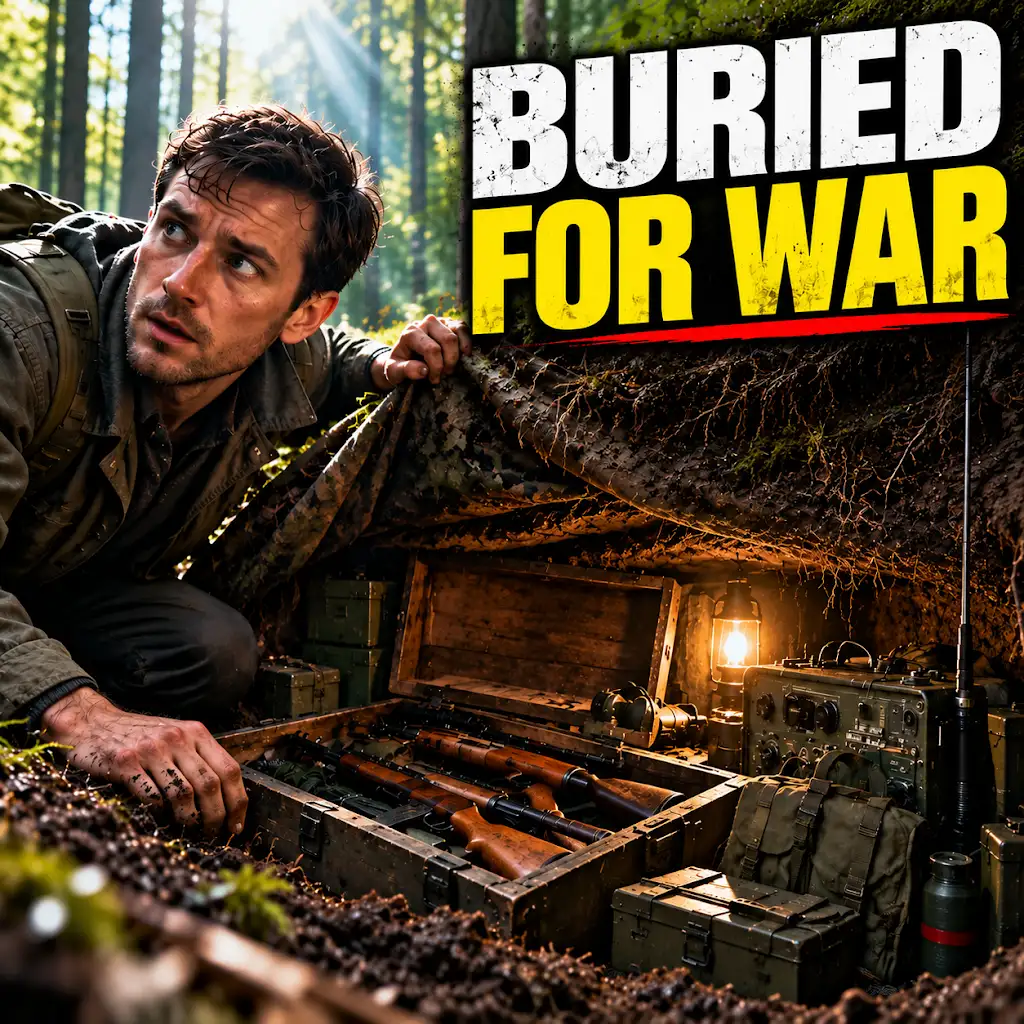
Weapons caches associated with Operation Gladio were hidden stockpiles of weapons and explosives that were strategically placed in various European countries. These caches were intended to be used by the “stay-behind” armies in the event of a Soviet invasion.
Where were the weapons caches located?
The weapons caches associated with Operation Gladio were located in several European countries, including Italy, Belgium, Switzerland, and Germany. These caches were often hidden in remote areas, such as forests or mountains, and were kept secret from the public and even from many government officials.
What was the purpose of the weapons caches?
The purpose of the weapons caches was to provide the “stay-behind” armies with the necessary arms and explosives to carry out their mission of sabotage and guerrilla warfare in the event of a Soviet invasion. The existence of these caches was meant to serve as a deterrent to potential aggression from the Soviet Union.
What is the significance of Operation Gladio and its weapons caches?
Operation Gladio and its weapons caches have been the subject of controversy and speculation, with some alleging that the operation was involved in various clandestine activities, including false flag operations and political manipulation. The existence of these weapons caches has raised questions about the extent of NATO’s involvement in covert operations during the Cold War.