Operation Gladio, a name that echoes with conspiracy theories and hushed whispers, has long been a subject of intense debate and speculation. For decades, the true nature and extent of this clandestine network remained shrouded in secrecy, fueling imaginations and leading to a plethora of myths and misinformation. This article aims to peel back the layers of intrigue, separating the verifiable facts from the enduring legends, and to offer a comprehensive overview of Operation Gladio.
The roots of Operation Gladio are deeply intertwined with the geopolitical anxieties of the post-World War II era. The continent was a fragile mosaic, scarred by war and acutely aware of the looming shadow of Soviet expansionism. In this climate of fear and uncertainty, Western powers, particularly the United States and Great Britain, sought to establish a robust defense against potential communist infiltration and subversion.
The Shadow of the Iron Curtain
Following the Yalta Conference and the subsequent division of Europe, the perceived threat of a Soviet military incursion into Western Europe was a palpable concern. The Warsaw Pact, formed in 1955, solidified this apprehension, presenting a formidable military bloc that seemed poised to overwhelm NATO defenses. This strategic environment fostered a mindset of preparedness for unconventional warfare and resistance.
The Marshall Plan and Strategic Alliances
The Marshall Plan, while primarily an economic recovery initiative, also served to strengthen Western European economies and forge closer political ties, creating a united front against Soviet influence. Alongside the formation of NATO, these developments laid the groundwork for a more integrated defense strategy, one that extended beyond conventional military might to encompass covert operations.
The Italian Context: A Unique Crucible
Italy, with its significant communist party and its strategic location, became a particularly sensitive point in the Cold War chessboard. The Italian Communist Party (PCI) was one of the largest in Western Europe, and its electoral success was a source of considerable unease for NATO and its allies. This backdrop is crucial for understanding the specific manifestations of Operation Gladio in Italy.
Operation Gladio has long been surrounded by a mix of myths and facts, often leading to confusion about its true nature and implications. For a deeper understanding of this covert NATO operation and its historical context, you can explore the article titled “Unraveling the Myths of Operation Gladio” available at In The War Room. This resource provides a comprehensive analysis that distinguishes between the conspiracy theories and the documented realities of Operation Gladio, shedding light on its impact during the Cold War and beyond.
Unveiling Gladio: The “Sword” and its Hidden Purpose
The name “Gladio” itself, meaning “sword” in Latin, hints at the clandestine and potentially lethal nature of the operation. While the existence of a “stay-behind” network was officially acknowledged by several European governments in the 1990s, the full scope of its activities and its alleged involvement in various domestic incidents remains a contentious subject.
The Official Acknowledgment: A Carefully Worded Revelation
In the early 1990s, following the fall of the Berlin Wall and the collapse of the Soviet Union, several European governments, under public pressure and increased scrutiny, began to acknowledge the existence of secret paramilitary organizations linked to NATO. The Italian Prime Minister Giulio Andreotti, in a landmark statement, officially confirmed the existence of “Gladio,” describing it as a “structure of clandestine defense.” This acknowledgment, however, was often accompanied by a carefully crafted narrative that emphasized its defensive purpose and its strictly anti-Soviet mandate.
The “Stay-Behind” Concept: Preparing for the Unthinkable
The core idea behind Gladio, and similar “stay-behind” networks across Europe, was to create a resistance force that could operate clandestinely in the event of a Soviet invasion and occupation of their respective countries. These networks were designed to be activated by Western intelligence agencies and to engage in sabotage, intelligence gathering, and guerrilla warfare against occupying forces. Members were often recruited from former resistance fighters, intelligence operatives, and individuals with specialized skills.
The Italian Gladio: A Deeper Dive
In Italy, the structure of Gladio was particularly complex and reportedly involved extensive networks of trained individuals, caches of weapons, and communication systems. The aim was to provide a deterrent and a potential counter-insurgency force in the event of a communist takeover. However, the highly secretive nature of its operations and the political climate of Italy during the “Years of Lead” have led to persistent questions about its true role.
Gladio’s Reach and Structure: A Transnational Network
Operation Gladio was not an isolated national initiative but rather a transnational endeavor, coordinated and supported by various intelligence agencies, primarily the CIA and MI6, across several European countries. This collaborative effort aimed to create a unified and coordinated defense strategy against a potential Soviet threat.
The NATO Connection: A Shadow of Military Might
While NATO officially denies direct operational control over Gladio, its influence and involvement are undeniable. The organization’s strategic planning, intelligence sharing, and logistical support were integral to the establishment and maintenance of these “stay-behind” networks. The fear of Soviet aggression provided a convenient justification for such clandestine activities, blurring the lines between defense and political manipulation.
National Variations: Tailoring the Sword to Local Needs
While the overarching concept of “stay-behind” networks was similar, each country developed its own specific Gladio structure, tailored to its unique political and security landscape. In some nations, these networks were more overtly linked to military intelligence, while in others, they operated through civilian intelligence agencies and paramilitary organizations.
The Recruitment and Training of Agents
The recruitment and training of Gladio agents varied significantly. In some cases, individuals with prior military or intelligence experience were brought into the network. In others, civilians with specific skills deemed valuable for clandestine operations, such as communication, sabotage, or weaponry, were secretly trained. The emphasis was on discretion and the ability to operate independently and covertly.
The Darker Side of the Sword: Controversies and Allegations
The most contentious aspect of Operation Gladio involves allegations of its involvement in domestic terrorist incidents and political assassinations. Critics and researchers argue that these networks were not solely defensive but were also used to destabilize governments, manipulate public opinion, and suppress perceived communist or left-wing movements.
The “Strategy of Tension”: Fear as a Weapon
In Italy, the period from the late 1960s to the early 1980s, known as the “Years of Lead” (Anni di Piombo), was marked by a series of bombings, shootings, and political violence. Many of these incidents, often attributed to far-left or far-right extremist groups, have been linked by investigators and journalists to the activities of Gladio and its alleged collaborators. The “strategy of tension” theory posits that these acts of terror were orchestrated or at least facilitated by state actors and intelligence agencies to create a climate of fear, thereby discrediting left-wing movements and justifying increased state surveillance and control.
Piazza Fontana and Bologna: Unanswered Questions
The Piazza Fontana bombing in Milan in 1969, which killed 17 people, and the Bologna railway station bombing in 1980, which claimed 85 lives, are two of the most significant and tragic events in modern Italian history. While various individuals and groups have been investigated and prosecuted for these attacks, persistent questions remain about the extent of state complicity and the potential involvement of elements connected to Gladio. Investigations have pointed to the existence of secret networks and the manipulation of evidence.
False Flag Operations and Agent Provocation
Allegations of false flag operations, where attacks are carried out by one group and blamed on another, are central to the Gladio controversy. The idea is that intelligence agencies would instigate or allow terrorist attacks to occur and then manipulate the ensuing chaos to their political advantage. This could involve using informants or provocateurs to infiltrate and egg on extremist groups, or even directly participating in the planning and execution of attacks.
Operation Gladio has long been surrounded by a mix of myths and facts that can often lead to confusion about its true nature and implications. For those interested in delving deeper into this complex topic, a related article provides a comprehensive overview of the historical context and the various narratives that have emerged over the years. You can read more about it in this insightful piece here, which aims to clarify some of the misconceptions surrounding Operation Gladio and its impact on European politics during the Cold War.
Disentangling Truth from Fiction: The Enduring Myths of Gladio
| Myths | Facts |
|---|---|
| Operation Gladio was a secret organization created to carry out false flag attacks in Europe. | Operation Gladio was a NATO-backed network established to counter potential Soviet invasion in Europe during the Cold War. |
| It was involved in numerous terrorist activities and assassinations. | There is evidence of some involvement in covert operations, but the extent of its activities is still debated. |
| Operation Gladio was responsible for the Bologna bombing in 1980. | The responsibility for the Bologna bombing is still a matter of controversy, and no conclusive evidence directly links it to Operation Gladio. |
| It operated without any oversight or accountability. | There were some levels of oversight and accountability within the NATO structure, but the full extent of its operations remains unclear. |
The inherent secrecy surrounding Operation Gladio has naturally led to the proliferation of myths and speculative theories. While some of these theories may contain elements of truth, others are demonstrably false or unsupported by evidence. It is crucial to approach these claims with a critical and discerning eye, relying on verifiable facts and documented evidence.
The Myth of Global Domination: Gladio as a Shadow World Government
One of the most prevalent myths is that Gladio was a vast, omnipotent shadow world government, controlling global events from behind the scenes. While Gladio was indeed a transnational network with covert operations, its scope was largely confined to Western Europe and focused on a specific geopolitical context. It did not possess the capacity to unilaterally dictate global policy or manipulate all major world events.
The Myth of Unfettered Power: Gladio as an Uncontrollable Rogue Operation
Another common misconception is that Gladio operated entirely outside of any governmental or intelligence oversight. While its operations were clandestine and often operated in a legal grey area, they were generally initiated and supported by state intelligence agencies. The level of autonomy and control varied, and internal disputes and disagreements likely existed within the broader framework.
The Myth of Universal Guilt: Gladio as the Sole Perpetrator of All Terror
It is a simplification to attribute every act of terrorism or political violence in post-war Europe solely to Gladio. Extremist groups, driven by their own ideologies, were active and responsible for many atrocities. The allegations against Gladio involve its alleged complicity, facilitation, or exploitation of these acts, rather than being the sole architect of all violence. The nuance lies in understanding how these networks may have been used to amplify or manipulate existing conflicts.
The Myth of a Unified, Monolithic Organization: Gladio’s Internal Divisions
The idea of Gladio as a single, monolithic, and perfectly coordinated entity is also a myth. Evidence suggests that different national branches had varying degrees of autonomy, and that coordination between them may not have always been seamless. Furthermore, the precise objectives and operational methods could have differed based on the specific national context and the individuals involved.
The Enduring Legacy: A Symbol of State Secrecy and Mistrust
Despite the proliferation of myths, the verifiable facts surrounding Operation Gladio paint a concerning picture of state-sponsored clandestine operations and the potential for abuse of power. The operation serves as a stark reminder of the challenges in maintaining democratic oversight over intelligence agencies and the importance of transparency in uncovering the truth about covert activities. The legacy of Gladio continues to fuel research and debate, highlighting the enduring importance of scrutinizing the hidden mechanisms of state power and the complex interplay between national security and civil liberties.
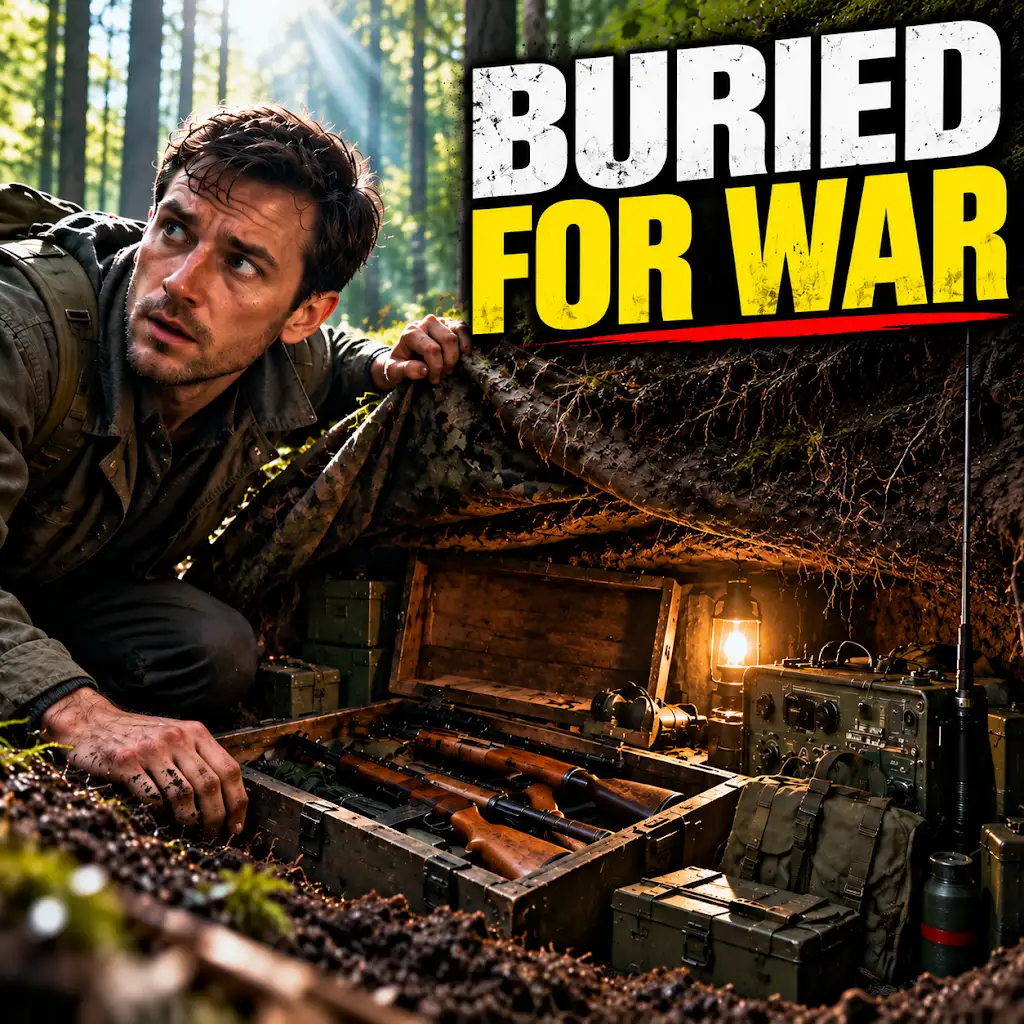
The Secret Armies NATO Prepared for a Soviet Invasion
FAQs
What is Operation Gladio?
Operation Gladio was a clandestine NATO operation established after World War II to counter potential Soviet invasion of Western Europe. It involved the creation of secret “stay-behind” armies in several European countries.
What were the goals of Operation Gladio?
The primary goal of Operation Gladio was to conduct sabotage, guerrilla warfare, and intelligence gathering in the event of a Soviet invasion. It was also intended to counter communist influence in Western Europe during the Cold War.
Were there any illegal activities associated with Operation Gladio?
There have been allegations of illegal activities associated with Operation Gladio, including involvement in terrorist attacks and political manipulation. However, these claims remain controversial and are subject to ongoing debate and investigation.
Did Operation Gladio have any impact on European politics?
Operation Gladio has been linked to various political events in Europe, including the “strategy of tension” in Italy, where there were allegations of covert operations to influence domestic politics. However, the extent of its impact on European politics remains a matter of historical interpretation.
What is the current status of Operation Gladio?
Operation Gladio was officially revealed and acknowledged by several European governments in the 1990s. However, its full extent and activities remain a subject of historical research and debate. The operation is no longer active, and its historical legacy continues to be a topic of interest for scholars and policymakers.