So, you’ve heard about Ingo Swann and his claims about seeing structures on the Moon with his mind? It sounds pretty wild, right? Well, you’re not alone in thinking that. The idea of “remote viewing” and spotting things on celestial bodies using only consciousness has been a topic of fascination and, let’s be honest, a lot of skepticism. But Swann was a key figure in a government-funded program that explored these possibilities, and his Moon sightings are a significant part of that story.
Essentially, Ingo Swann, a highly regarded remote viewer, claimed to have seen and described artificial structures on the Moon. These weren’t just random rocks; he described specific shapes, locations, and even evidence of past or present activity. What makes this stand out is that these claims were made during a period of intense government interest in psychic abilities and were part of research aimed at understanding their potential applications. This article will dive into what Swann reported, the context of his claims, and what we can glean from it today, without getting bogged down in jargon or unbelievable hype.
Remote viewing, for the uninitiated, is essentially the purported ability to gain information about a distant or unseen target using extrasensory perception. Think of it like psychic scrying, but with a more structured, albeit still controversial, methodology. Ingo Swann wasn’t just someone dabbling in psychic phenomena; he was instrumental in developing and refining the techniques used in remote viewing.
Early Interest in Psychic Phenomena
Before we get to the Moon, it’s worth understanding where this interest came from. The Cold War was a period of intense technological and ideological competition. Both the United States and the Soviet Union were exploring every avenue, including the seemingly fringe, for any potential advantage. This led to government agencies, most notably the CIA and DIA, to investigate psychic abilities. The idea was simple: if psychic powers were real, could they be weaponized, used for intelligence gathering, or even defense?
Stanford Research Institute (SRI) and the Genesis Program
Ingo Swann’s most significant involvement with remote viewing was through his collaboration with Stanford Research Institute (SRI). Under the funding of various government entities, SRI conducted rigorous research into psi phenomena. Swann was not only a subject but also a key participant in shaping the protocols and methodologies that came to define remote viewing. He was known for his highly detailed and often uncanny descriptions of targets that were otherwise unknown to him.
The “Remote Viewing” Term
It’s interesting to note that the term “remote viewing” itself was largely popularized and refined through the work at SRI with Swann. Before this, terms like “clairvoyance” or “psychic perception” were used, but “remote viewing” offered a more scientific-sounding descriptor for the process, aiming to delineate it from more mystical interpretations. This was part of an effort to bring a degree of scientific legitimacy, however debatable, to the practice.
Ingo Swann, a prominent figure in the field of remote viewing, made intriguing claims about the existence of lunar structures during his explorations of consciousness and perception. For those interested in delving deeper into this fascinating topic, a related article can be found at In the War Room, which discusses various theories and findings surrounding extraterrestrial life and structures on the Moon. This article provides a comprehensive overview of the ongoing debates and research in this captivating area of study.
Swann’s Specific Lunar Claims: Beyond Just Rocks
Now, let’s get to the crux of it: what exactly did Ingo Swann claim to see on the Moon? These weren’t vague impressions; he provided detailed accounts that, if true, would suggest a significant non-terrestrial presence or history. His descriptions often focused on artificial constructs, not natural formations.
The “Tube” and Geometric Shapes
One of Swann’s most notable claims involved what he described as a massive, translucent “tube” or cylinder on the Moon. He reportedly saw this structure in a specific location. Beyond this, he also described various geometric shapes and patterns that he felt were not consistent with natural geological processes. These were often described with a sense of deliberate design.
Descriptions of Activity and Structures
Swann’s accounts weren’t static images. He often described a sense of activity or remnants of past actions. He spoke of seeing what appeared to be remnants of a vast, ancient civilization. This included descriptions of large-scale engineering projects, potentially buried or partially visible structures, and evidence of what he interpreted as a purposeful presence. He would often draw or sketch these impressions as well, adding a visual element to his verbal descriptions.
Location and Verifiability
A critical aspect of Swann’s claims is that he often provided approximate locations for these purported structures. This, in theory, would allow for future verification through traditional scientific means, such as high-resolution lunar imagery. The challenge, however, lies in distinguishing between natural features that might coincidentally resemble artificial designs and actual evidence of alien construction, especially with the limitations of early imagery and the inherent subjectivity of remote viewing.
The Context: Government Interest and Project STAR GATE
Ingo Swann’s lunar visions didn’t happen in a vacuum. They occurred during a period when the U.S. government was actively exploring the potential of psychic abilities for intelligence purposes. This research, though often shrouded in secrecy, became known to the public primarily through declassified documents and investigative journalism.
Project GRILL FLAME and Related Efforts
Swann’s work was deeply embedded within a broader umbrella of government-sponsored research into psi. Projects like GRILL FLAME (later part of STAR GATE) were dedicated to investigating the practical applications of remote viewing and other psychic phenomena. The goal was to determine if these abilities could provide actionable intelligence that was otherwise unobtainable through conventional espionage methods.
The “Psychic Arms Race”
The Soviet Union was also known to be heavily invested in psychic research, leading to what has been termed a “psychic arms race.” This competitive environment provided a significant impetus for the U.S. to explore and develop any potential advantage, including the use of remote viewers like Swann. The fear was that if the Soviets had developed or were developing psychic capabilities, the U.S. needed to keep pace.
Declassification and Public Awareness
Much of the information about these programs, including Swann’s involvement and some of his more notable targets, only came to light decades later through declassified documents. This declassification brought the existence of these research efforts into public discourse, sparking renewed interest and debate about the validity of remote viewing and the nature of Swann’s claims, particularly those related to extraterrestrial or anomalous phenomena.
Critiques and Skepticism: The Other Side of the Coin
It’s impossible to discuss Ingo Swann’s claims without acknowledging the significant skepticism and criticism they have faced. The nature of remote viewing itself, coupled with the extraordinary claims made about lunar structures, invites scrutiny.
The Subjectivity of Interpretation
A core criticism of remote viewing is its inherent subjectivity. What one remote viewer “sees” can be interpreted in multiple ways. The process relies on the viewer’s mental impressions, which are then translated into language and often drawings. This opens the door to confirmation bias, where viewers might unconsciously steer their perceptions towards what they expect or want to see, or where experimenters might subtly influence the process.
Lack of Definitive, Independent Verification
Despite Swann’s detailed descriptions, definitive, independently verifiable evidence for artificial structures on the Moon based solely on his remote viewing claims has remained elusive. While some researchers within the program found his results compelling, the broader scientific community has largely not accepted remote viewing as a validated scientific discipline, especially when it comes to claims of seeing alien technology on other celestial bodies.
Natural Explanations and Pareidolia
Skeptics often point to natural geological formations on the Moon that, under certain lighting conditions or from specific angles, can appear unusual or even artificial. The human brain is also wired to find patterns and faces in random stimuli (a phenomenon called pareidolia). It’s possible that Swann, like anyone else, could have misinterpreted natural features or had his perceptions influenced by his own expectations or the framing of the experiment.
The “Controlled Remote Viewing” Debate
Even within the remote viewing community, there’s debate about the efficacy and reliability of certain protocols. While Swann was a pioneer, the development of “Controlled Remote Viewing” (CRV) by some of his colleagues aimed to introduce more rigor. However, the fundamental challenge of establishing objective, falsifiable evidence for claims of seeing alien structures persists.
Ingo Swann’s intriguing claims about lunar structures have sparked considerable interest in the field of anomalous research. For those looking to delve deeper into the subject, a related article explores the implications of his findings and the broader context of extraterrestrial architecture. You can read more about this fascinating topic in the article found here, which provides additional insights and perspectives on the mysteries of the moon.
Modern Perspectives: What Can We Learn Today?
| Location | Structure | Size | Description |
|---|---|---|---|
| Mare Crisium | Lunar Dome | 3 kilometers in diameter | A dome-shaped structure with a flat top |
| Sinai Peninsula | Pyramid | Several hundred meters tall | An ancient pyramid-like structure |
| South Pole-Aitken Basin | Rectangular Structure | Unknown | An anomalous rectangular formation |
Decades have passed since Ingo Swann made his most striking claims. We now have access to far more advanced lunar imaging technology. So, does this modern perspective shed any light on his visions?
High-Resolution Lunar Imagery
Space agencies like NASA have deployed orbiters and landers that have mapped the Moon in unprecedented detail. Missions like the Lunar Reconnaissance Orbiter (LRO) have provided high-resolution images of the lunar surface. These images allow scientists to scrutinize geological features with great precision.
The Absence of Undeniable Artificial Structures
To date, these high-resolution images, while revealing fascinating geological formations, have not presented any features that are unequivocally artificial and match the descriptions of large-scale, non-natural structures as reported by Swann. This doesn’t mean there’s nothing unusual on the Moon, but the specific types of structures Swann described have not been independently confirmed through photographic evidence.
The Legacy of the Research
Despite the lack of concrete proof for the lunar structures themselves, the research involving Ingo Swann and others has had a lasting impact. It has contributed to the ongoing debate about consciousness, perception, and the limits of human experience. The STAR GATE project, though eventually terminated, provided a wealth of data that continues to be analyzed by researchers in parapsychology and cognitive science.
Understanding Human Perception and Belief
Swann’s story, and the broader remote viewing phenomenon, can be viewed as a fascinating case study in human perception, belief systems, and the complex interplay between mind and matter. Whether one believes in the literal truth of his lunar visions or not, the story highlights our innate desire to explore the unknown, both outwardly in space and inwardly within our own minds, and how our interpretations are shaped by our experiences and the prevailing scientific and cultural narratives. The enduring fascination with his claims speaks to a deep-seated curiosity about what might be out there, beyond what our current technological means can definitively prove.
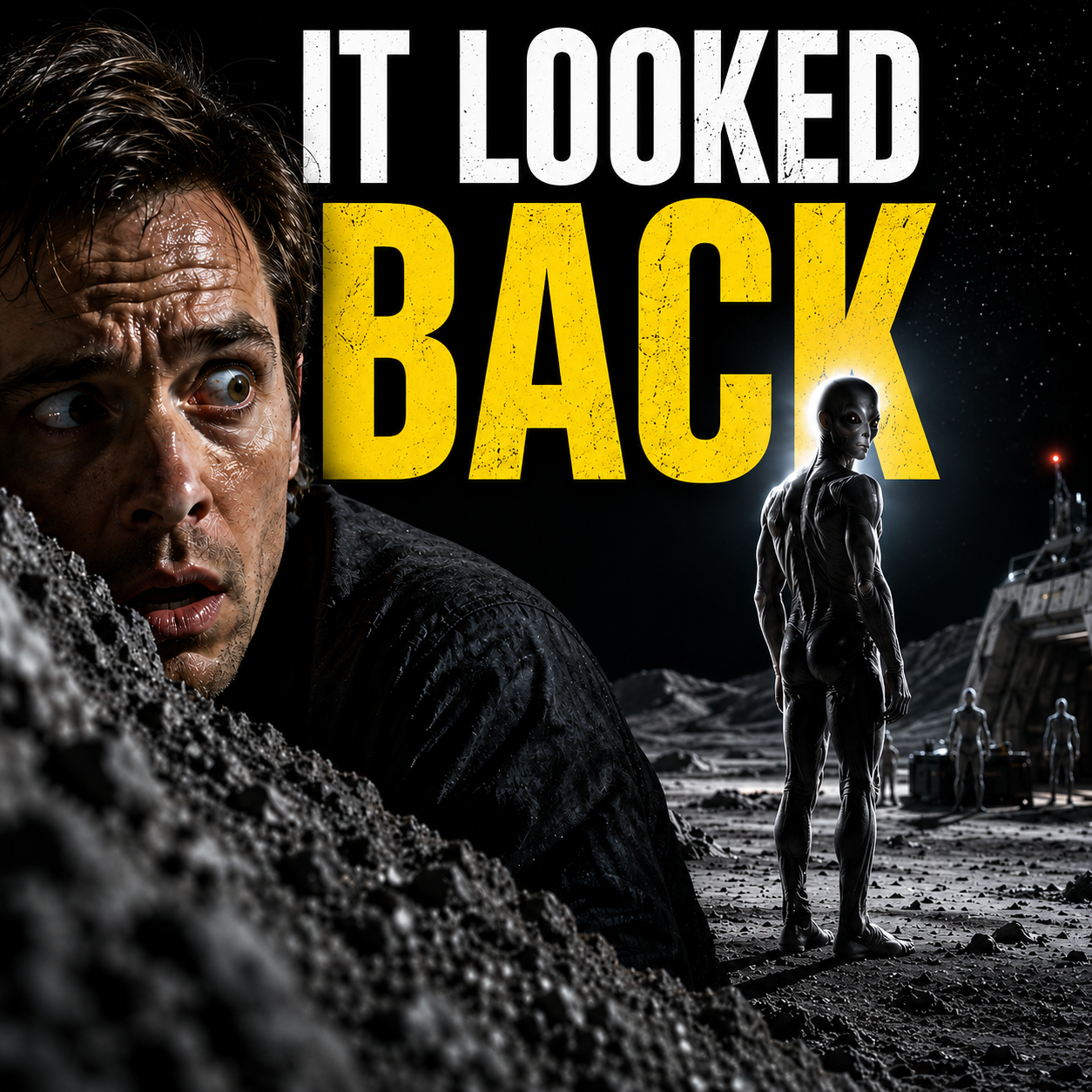
He Remote Viewed the Moon. Then Something Saw Him.
FAQs
What is the Ingo Swann lunar structures theory?
Ingo Swann, a renowned psychic and remote viewer, claimed to have observed artificial structures on the moon during a remote viewing session in the 1970s. He described these structures as being of extraterrestrial origin and not naturally occurring.
What evidence supports the existence of lunar structures according to Ingo Swann?
Ingo Swann’s claims are based on his remote viewing sessions, during which he reported seeing geometrically shaped structures, towers, and other artificial-looking objects on the moon’s surface. However, there is no physical evidence to support his claims.
Has Ingo Swann’s lunar structures theory been scientifically validated?
No, Ingo Swann’s claims about lunar structures have not been scientifically validated. Remote viewing is not considered a scientifically reliable method for gathering evidence, and there is no empirical data to support the existence of artificial structures on the moon.
What do scientists and experts say about Ingo Swann’s lunar structures theory?
Most scientists and experts dismiss Ingo Swann’s claims about lunar structures as unsubstantiated and lacking credible evidence. They argue that his assertions are based on subjective experiences and do not align with the principles of scientific inquiry.
Is there any ongoing research or investigation into Ingo Swann’s lunar structures theory?
There is no ongoing research or investigation into Ingo Swann’s lunar structures theory within the scientific community. The consensus among experts is that his claims lack empirical support and are not considered a valid area of scientific inquiry.