The Second World War, a global conflagration that reshaped the world, has been meticulously documented, analyzed, and debated for decades. Yet, beneath the grand narratives of pivotal battles and the biographies of prominent figures, lie countless untold stories, obscured by the passage of time, the sheer scale of the conflict, or intentional suppression. These hidden histories, often unearthed through diligent research, the chance discovery of forgotten artifacts, or the fading memories of survivors, offer crucial new perspectives, humanizing the conflict and revealing the complexities that shaped its course and aftermath. Uncovering these concealed chapters is not merely an academic pursuit; it is a vital endeavor to ensure a more complete and nuanced understanding of one of humanity’s most defining moments.
In exploring the hidden military history of World War II, one can gain fascinating insights into lesser-known operations and strategies that shaped the course of the conflict. A related article that delves deeper into this subject is available at this link. It uncovers intriguing narratives and analyses that highlight the complexities of wartime decisions and their long-lasting impacts, providing a richer understanding of the era beyond the conventional narratives.
The Shadow of Secrecy: Declassified Archives and Intelligence Operations
The very nature of wartime operations necessitates secrecy. Vast swathes of military history remain obscured by classified documents, intelligence reports, and the deliberate obfuscation of sensitive information. The declassification of these archives, often decades after the events they record, has been a powerful tool in illuminating previously unknown aspects of the war. These documents range from highly technical analyses of weaponry and tactics to the intimate details of espionage, sabotage, and covert operations.
Codebreaking and the Silent War
The impact of codebreaking on the Second World War cannot be overstated. While the breaking of the Enigma code by Allied cryptanalysts is a relatively well-known narrative, the full extent of their achievements and the impact of other, less publicized, codebreaking efforts are still being uncovered.
The Unsung Heroes of Bletchley Park and Beyond
Bletchley Park, the British codebreaking center, is now a celebrated historical site, but its operations involved thousands of individuals, many of whom worked in relative obscurity. The declassification of documents has revealed the meticulous work of mathematicians, linguists, and technicians who toiled in secrecy to decipher enemy communications. Beyond Enigma, efforts to break other Axis codes, such as those used by the Japanese and Italians, were equally crucial and involved equally dedicated teams. The revelation of the full scope of these efforts underscores the immense intellectual and human cost of this silent war.
The Counter-Intelligence Dance: Deception and Double Agents
Intelligence agencies were not only focused on breaking codes but also on disseminating misinformation and employing double agents. The declassified records of agencies like MI5 and MI6, as well as their American counterparts in the OSS, have unveiled intricate webs of deception, planned to mislead the enemy and protect vital operations. These documents often reveal the psychological warfare employed, the meticulous planning behind elaborate ruses, and the profound risks undertaken by individuals acting as double agents. The uncovering of these intricate counter-intelligence operations sheds light on the strategic thinking and the moral ambiguities inherent in wartime intelligence gathering.
Covert Operations and Special Forces
The establishment and deployment of special operations units during WWII were often shrouded in secrecy. These units, trained for high-risk missions behind enemy lines, played vital roles that are only now being fully appreciated.
The Genesis of Special Forces: From Commandos to Rangers
The concept of specialized, highly trained combat units was nascent at the start of the war. Declassified operational histories and personal accounts are revealing the development and early deployments of units like the British Commandos and the American Rangers. These documents detail their rigorous training, their daring raids on enemy installations, and their crucial contributions to disrupting enemy supply lines and intelligence networks. The bravery and ingenuity displayed by these early special forces operatives are a testament to the innovative spirit of the Allied war effort.
The Expanding Role of Unconventional Warfare
Beyond direct combat, special forces were often tasked with unconventional warfare, including sabotage, reconnaissance, and working with resistance movements. The gradual release of documents related to these operations is highlighting their significant impact on the overall war effort, often achieving objectives with minimal resources but maximum impact. The stories of individuals embedded with partisan groups or conducting sabotage missions are slowly emerging, offering a glimpse into the dangerous and often lonely world of unconventional warfare.
The Forgotten Fronts: Lesser-Known Theaters of Conflict
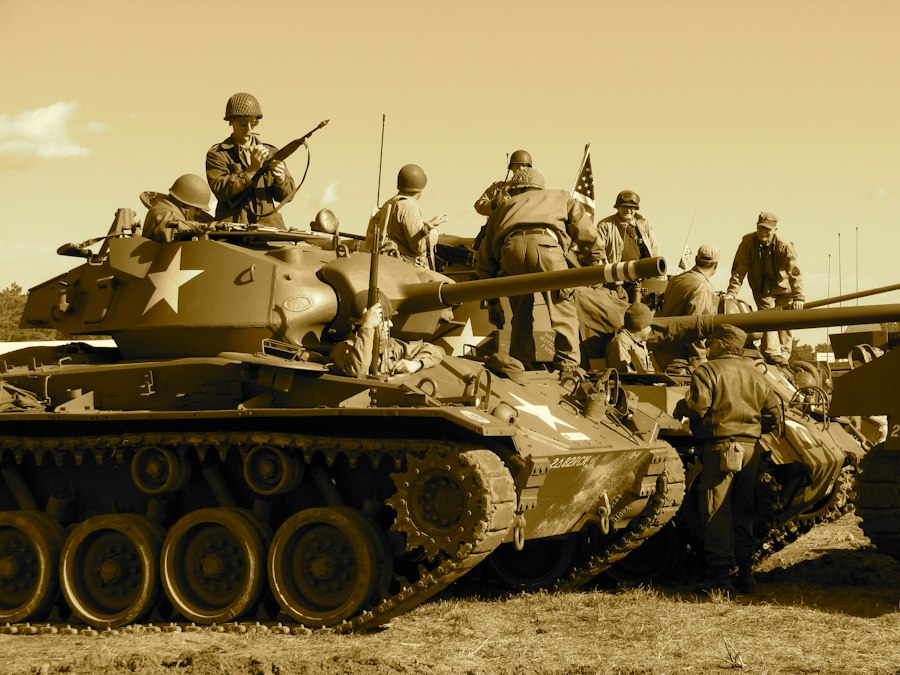
While the Eastern Front and the Western Front in Europe, and the Pacific Theater, dominate popular understanding of WWII, the conflict spanned the globe, involving numerous lesser-known theaters where intense fighting took place and significant sacrifices were made.
Theatres of attrition in Africa and the Middle East
The campaigns in North Africa and the Middle East, though often overshadowed by the European battles, were crucial to Allied strategy. These desert wars tested the endurance of soldiers and showcased innovative tactics and technological adaptations.
The Desert War: Beyond El Alamein
The Battle of El Alamein is a recognized turning point, but the entire North African campaign involved a series of hard-fought battles across vast distances. The discovery of soldier diaries, unit histories, and aerial reconnaissance reports from less prominent engagements is revealing the brutal realities of desert warfare, including extreme temperatures, sandstorms, and the logistical challenges of operating in such an environment. These accounts often highlight the resilience and determination of the soldiers who fought in these unforgiving conditions.
The Strategic Importance of the Middle Eastern Front
The Middle East, while not a primary battleground, was strategically vital for its oil resources and its role in supplying the Soviet Union. Documents relating to the control of oil fields, the suppression of Axis-aligned movements, and the logistical support provided to Allied forces are revealing the complex political and military considerations at play in this region. The stories of British and Commonwealth forces securing vital infrastructure and engaging in counter-insurgency operations are slowly coming to light.
The Eastern Frontier: The Unacknowledged Contributions of the Allies
While the Soviet Union bore the brunt of the fighting on the Eastern Front, other Allied nations made significant contributions, often in supporting roles or through naval and air operations.
The Polish Contribution: A Legacy of Courage
The Polish forces, having been invaded by both Germany and the Soviet Union, fought valiantly on multiple fronts. Their contributions, from the Battle of Britain to the Italian campaign, were immense. The uncovering of Polish military archives, often held in exile, is revealing the scale of their involvement and the profound sacrifices they made, often fighting for a homeland that was under occupation. The stories of the Polish navy, air force, and army units are vital additions to the broader narrative of the Allied war effort.
The Role of Commonwealth Forces in Diverse Theaters
Beyond the major fronts, Commonwealth forces, including those from Canada, Australia, New Zealand, and India, fought in numerous theaters. Their actions in places like the North African desert, the jungles of Southeast Asia, and the waters of the Pacific are being brought to light through the meticulous research of military historians. These accounts often highlight the unique challenges faced by these diverse forces and their remarkable adaptability in varied environments.
Technological Innovations and Their Unforeseen Consequences
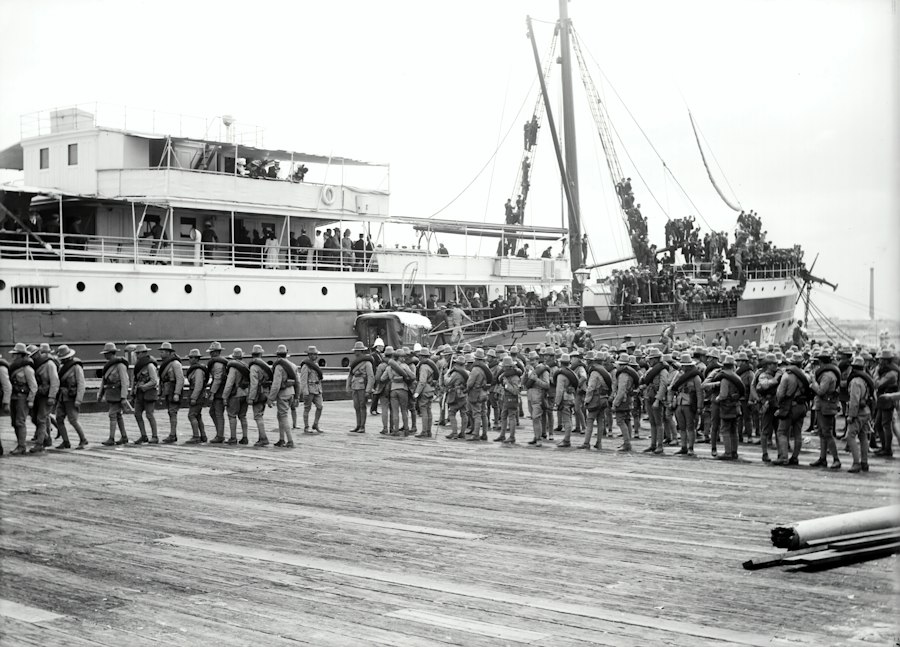
The Second World War was a crucible of technological innovation, with rapid advancements in weaponry, communication, and transportation fundamentally altering the nature of warfare. Many of these developments had unforeseen consequences, both during and after the conflict.
The Dawn of the Atomic Age and its Ethical Dilemmas
The development and deployment of the atomic bomb represent perhaps the most profound technological leap of the war, ushering in a new era of existential threat.
The Manhattan Project: Beyond the Bomb Dropping
While the atomic bombings of Hiroshima and Nagasaki are well-documented, the sheer scale and complexity of the Manhattan Project itself are still being fully appreciated. Declassified documents reveal the immense scientific and industrial effort involved, the ethical debates among scientists, and the geopolitical considerations that drove the project. The stories of the thousands of individuals involved in this clandestine endeavor are gradually emerging.
The Long Shadow of Nuclear Weapons
The immediate aftermath of the war saw the beginnings of the Cold War, heavily influenced by the existence of nuclear weapons. The declassification of early post-war strategic planning and arms race discussions is revealing the profound anxieties and the evolving geopolitical landscape shaped by this new destructive capability. The ethical quandaries surrounding the use of such weapons continue to be debated, with historical records offering crucial context.
The Evolution of Air Power and its Global Reach
The war saw the dramatic rise of air power as a decisive factor in combat. The development of new aircraft, bombing strategies, and aerial tactics had a transformative impact on the conflict.
The Bomber Offensive: Strategy, Impact, and Human Cost
The Allied bomber offensive against Germany, while strategically debated, involved massive aerial campaigns and immense human cost. The declassification of operational logs, bombing raid assessments, and personal accounts from bomber crews is providing a more nuanced understanding of the effectiveness and the devastating human toll of this offensive. These records offer a stark reminder of the sacrifices made by aircrews.
The Emergence of Jet Propulsion and its Future Implications
The war also saw the nascent development of jet-powered aircraft, a technology that would revolutionize aviation. The declassification of early research and development reports related to jet engines and early jet fighters reveals the cutting-edge nature of this technology and its potential for future military and civilian applications, foreshadowing a new era of speed and power in the air.
Exploring the often overlooked aspects of World War II can reveal fascinating insights into hidden military history. For instance, a recent article delves into the secret operations conducted by various nations during the war, shedding light on strategies that were kept under wraps for decades. If you’re interested in learning more about these covert missions, you can read the full article on this topic at In the War Room. This resource offers a compelling look at how these clandestine efforts shaped the outcome of the conflict and influenced modern military tactics.
The Human Element: Voices from the Front Lines and the Home Front
| Hidden Military Event | Date | Location | Significance | Outcome |
|---|---|---|---|---|
| Operation Mincemeat | April 1943 | Spain (deception target) | Deception plan to mislead Axis about Allied invasion of Sicily | Successful diversion; Axis forces misallocated |
| Battle of Castle Itter | May 5, 1945 | Tyrol, Austria | Unusual battle where US troops and German Wehrmacht fought together against SS | Prisoners liberated; SS defeated |
| Operation Gunnerside | February 1943 | Rjukan, Norway | Sabotage of heavy water plant critical to Nazi nuclear program | Heavy water production disrupted; delayed Nazi atomic research |
| Battle of Kiska | August 1943 | Kiska Island, Aleutians | Allied invasion of Japanese-occupied island; Japanese had secretly evacuated | Allied victory with minimal combat; Japanese withdrawal unnoticed |
| Operation Fortitude | June 1944 | United Kingdom (deception) | Deception campaign to mislead Germans about D-Day landing site | Successful; Germans held forces away from Normandy |
Beneath the grand strategies and technological advancements lie the individual experiences of millions. The recovery and analysis of personal diaries, letters, oral histories, and memoirs are vital to understanding the true human cost and impact of the war.
The Letters and Diaries of Soldiers
The most direct and poignant insights into the soldier’s experience often come from their personal correspondence and diaries. These documents, preserved by families or discovered in archives, offer an unfiltered glimpse into the daily realities of combat, the camaraderie, the fear, and the longing for home.
Capturing the Mood of the Trenches and the Battlefield
These personal accounts provide a vital counterpoint to official histories, detailing the mundane realities of camp life, the terror of combat, the grief of loss, and the moments of unexpected humanity amidst the brutality. They reveal the emotional toll of war and the resilience of the human spirit.
The Psychological Impact of Combat
The gradual understanding of shell shock and combat fatigue, now known as PTSD, has been significantly informed by the personal testimonies of soldiers. These records offer crucial insights into the psychological impact of prolonged exposure to violence and trauma, highlighting the long-lasting scars of war.
The Experiences of Civilians and Occupied Populations
The war was not confined to the battlefield; civilians on all sides bore immense burdens. The stories of those living through aerial bombardment, occupation, and deprivation are crucial to a complete understanding of the war’s impact.
Life Under Occupation and Resistance Movements
The declassification of documents related to resistance movements and the experiences of civilians living under Axis occupation is revealing acts of extraordinary courage and ingenuity. These accounts highlight the daily struggles for survival, the clandestine networks of support, and the profound impact of oppression on civilian populations.
The Home Front: Sacrifices and Support
The home front played a critical role in sustaining the war effort. The stories of women entering the workforce in unprecedented numbers, rationing, war bond drives, and the constant threat of air raids are vital to understanding the collective sacrifice. The uncovering of local histories and personal testimonies from the home front offers a rich tapestry of civilian experience.
The Legacy of War: Unresolved Mysteries and Lingering Questions
Even decades after the cessation of hostilities, numerous mysteries and unresolved questions persist, prompting ongoing research and the re-examination of historical evidence.
Missing in Action and Unidentified Remains
The fate of countless soldiers and airmen who were reported missing in action remains a subject of poignant investigation. The ongoing efforts to locate and identify remains are not only a matter of historical record but also of profound human closure for families.
The Persistent Search for the Lost
The declassification of operational reports and the meticulous work of military historians and forensic teams are gradually shedding light on the circumstances of many disappearances. The identification of previously unidentified remains, often through advances in DNA technology, offers a final resting place and a sense of remembrance for those lost.
The Ethical Implications of Unidentified Graves
The existence of numerous unidentified graves and mass burial sites raises important ethical questions about commemoration, remembrance, and the responsibility of nations to their fallen. Historical research continues to illuminate the context surrounding these sites and the efforts to provide them with appropriate dignity.
War Crimes, Collaborations, and the Justice of Peace
The aftermath of the war brought with it trials and prosecutions for war crimes, as well as the complex issue of collaboration with the enemy. The re-examination of evidence and the release of new documents continue to refine our understanding of these challenging aspects of the war’s conclusion.
Unraveling the Threads of Collaboration
The extent and nature of collaboration with Axis powers remain a sensitive and complex area of historical inquiry. The declassification of intelligence reports, court records, and personal testimonies is helping to provide a more nuanced picture of the motivations and circumstances surrounding collaboration.
The Ongoing Pursuit of Justice
The pursuit of justice for victims of war crimes is a long and often arduous process. The re-examination of evidence, the discovery of new witnesses, and the evolving international legal landscape continue to shape our understanding of accountability and the legacy of wartime atrocities.
In conclusion, the endeavor to uncover hidden WWII military history is an ongoing and vital process. Through the diligent examination of declassified archives, the preservation of personal testimonies, and the exploration of lesser-known fronts and technological advancements, a more comprehensive and humanized understanding of this pivotal conflict continues to emerge. These hidden narratives not only enrich our historical knowledge but also serve as crucial reminders of the immense sacrifices made, the complexities of human behavior under extreme duress, and the enduring lessons that must be carried forward to ensure such a global catastrophe never again befalls humanity.
Eisenhower Gave Montgomery 2 U.S. Armies—Then He Wanted More
FAQs
What is hidden military history in World War 2?
Hidden military history in World War 2 refers to lesser-known or overlooked events, strategies, and contributions of various countries and individuals during the war.
Why is it important to uncover hidden military history from World War 2?
Uncovering hidden military history from World War 2 helps provide a more comprehensive understanding of the complexities and nuances of the war, as well as recognizing the sacrifices and achievements of those who may have been previously overlooked.
What are some examples of hidden military history from World War 2?
Examples of hidden military history from World War 2 include the role of women in various armed forces, the contributions of minority groups, covert operations and espionage activities, and lesser-known battles and campaigns.
How can one learn more about hidden military history from World War 2?
One can learn more about hidden military history from World War 2 by researching specific topics of interest, reading books and articles on the subject, visiting museums and historical sites, and engaging with experts in the field.
What impact does uncovering hidden military history from World War 2 have on our understanding of the war?
Uncovering hidden military history from World War 2 can provide a more nuanced and inclusive perspective on the war, highlighting the diverse experiences and contributions of individuals and groups that may have been previously marginalized or forgotten.