The seemingly innocuous swab of saliva, sent off in a small plastic tube, holds the potential to unlock a Pandora’s Box of familial revelations. For many, the journey into genetic ancestry and the subsequent discovery of DNA matches begins with a simple curiosity about their heritage. They might be seeking to confirm long-held family stories, explore distant origins, or simply understand the tapestry of their genetic makeup. What they often don’t anticipate is the profound emotional and personal impact of uncovering deeply buried family secrets, secrets that can redefine relationships, challenge identities, and rewrite ancestral narratives. This article delves into the transformative power of DNA matches, exploring the myriad ways they can expose hidden truths and the journeys of individuals who have navigated these unexpected discoveries.
The Genesis of Genetic Discovery
The advent of direct-to-consumer DNA testing has democratized genealogical research in an unprecedented way. Gone are the days of painstakingly sifting through microfiche in dusty archives or relying solely on the oral traditions passed down through generations. Now, with a few drops of saliva, individuals can access a vast database of genetic information, connecting them with relatives they never knew existed and shedding light on ancestral migrations and historical connections. The science behind these tests, while complex, boils down to analyzing specific segments of DNA, comparing them to reference populations, and identifying shared segments with other individuals in the database. These shared segments are the building blocks of familial connections, providing an undeniable link that transcends time and distance. The accuracy and scope of these tests have grown exponentially, making them an increasingly powerful tool for personal discovery.
The Appeal of Ancestry
The allure of understanding one’s roots is a powerful motivator. For many, it’s a quest for identity, a desire to connect with something larger than themselves, a tangible link to the past that can provide context and meaning to the present. This quest is often fueled by a blend of curiosity, a sense of belonging, and sometimes, a feeling of being incomplete. Whether it’s tracing a lineage back to a specific country or continent, or simply understanding the ethnic composition of one’s background, DNA testing offers a seemingly definitive answer. The visual representation of ethnic percentages on a results page can be both fascinating and validating, offering a neat, quantifiable summary of one’s heritage. However, this quantifiable data is often just the tip of the iceberg, a gateway to more complex and emotionally charged revelations.
Technological Advancements in Genealogy
The rapid evolution of DNA testing technology has been instrumental in its widespread adoption. Early DNA tests primarily focused on Y-DNA and mtDNA, tracing paternal and maternal lines, respectively. While valuable for deep ancestral tracing, these tests offered limited insight into sibling relationships or more recent ancestors. The development of autosomal DNA testing, which analyzes DNA from all 23 pairs of chromosomes, revolutionized the field. Autosomal DNA is inherited from both parents, making it effective for identifying relatives across all branches of the family tree, typically within the last five to seven generations. Furthermore, the continuous improvement in algorithms and the ever-growing size of reference databases have increased the accuracy and breadth of match identification, allowing for the discovery of even distant cousins. This technological leap has transformed amateur genealogy into a powerful tool for personal exploration.
In recent discussions about the impact of DNA testing on family dynamics, an intriguing article titled “DNA Matches Reveal Family Secrets” explores how genetic testing can uncover unexpected family connections and hidden histories. This topic is particularly relevant as more individuals turn to DNA services to learn about their ancestry, often leading to surprising revelations about their lineage. For further insights into this phenomenon, you can read the full article here: DNA Matches Reveal Family Secrets.
The Unforeseen Connections: Navigating DNA Matches

The moment a DNA testing service presents a list of matches, the real journey of discovery begins. These matches are categorized based on the estimated degree of relationship, ranging from very close relatives like parents and siblings to more distant cousins. While some matches may be familiar, it is often the unknown relatives that spark intrigue and, sometimes, apprehension. These individuals, linked by shared DNA, represent living connections to the ancestral past, and their very existence can be a testament to stories that have been deliberately or inadvertently kept hidden. The initial excitement of finding a new cousin can quickly evolve into a complex emotional landscape as the implications of these connections are explored.
Close Matches: The Immediate Impact
Discovering a close match – a sibling, aunt, uncle, or first cousin – can be a profoundly emotional experience. For adoptees, finding biological relatives can be a life-changing event, providing answers to long-held questions about their origins and identity. The reunion with biological family members can be joyful and cathartic, offering a sense of closure and belonging. However, these reunions are not always straightforward. There can be complex family dynamics at play, including the potential for surprise, confusion, or even rejection from existing family members who may have been unaware of the individual’s existence or who may have reasons for keeping certain secrets. The emotional toll on all parties involved can be significant, requiring patience, empathy, and open communication.
Distant Relatives: Unraveling the Tapestry
While close matches offer immediate impact, distant relatives – second, third, or even fourth cousins – can be equally, if not more, revealing when it comes to uncovering family secrets. These individuals may share a common ancestor several generations back, meaning their shared DNA segments are smaller and harder to trace without additional genealogical research. Often, these distant matches act as breadcrumbs, leading researchers down unexpected paths. They might share a surname that has been forgotten, a branch of the family tree that has been pruned, or a historical narrative that has been suppressed. The process of connecting with these individuals often involves piecing together fragmented information, cross-referencing with historical records, and gradually building a more complete picture of the family’s past.
The Role of the “Unknown” Cousin
The most intriguing DNA matches are often those with whom there is no immediate apparent connection. These “unknown” cousins are the ones who most frequently signal the presence of hidden family secrets. They might appear on a DNA report without a shared name or any obvious link to known relatives. This is where the detective work truly begins. Researchers will often reach out to these matches, politely inquiring about their known family tree or any genealogical research they have undertaken. The answers, or even the lack of answers, can be highly informative. A reluctance to share information, a vague family history, or a complete blank when asked about specific ancestral lines can all be indicators that a secret may be present. The key is to approach these interactions with sensitivity and respect for the privacy of others.
Unearthing Hidden Branches: The Discovery of Secret Adoptions and Illegitimacy

One of the most common and impactful family secrets revealed by DNA testing relates to adoption and instances of illegitimacy. Throughout history, societal norms, personal circumstances, and the desire to protect reputations have led to children being raised by families other than their biological parents, often without the knowledge of the child or even extended family members. DNA testing, by its very nature, bypasses the historical silence surrounding these events, directly linking individuals to their biological lineage.
The Surprise of a Hidden Parentage
For individuals who discover through DNA that one of their parents is not who they believed them to be, the revelation can be earth-shattering. This might manifest as a close match that doesn’t align with their known paternal or maternal grandmother’s side, or a match that points to a completely different family tree. This scenario can trigger a cascade of questions: Who is this biological parent? Why was this kept secret? What does this mean for my identity and my understanding of my family history? The emotional fallout can range from anger and betrayal to profound sadness and a desperate need for answers. Navigating this often requires support, both from friends and family, and potentially from professional counselors.
The Long Shadow of Illegitimacy
Historically, illegitimacy carried significant social stigma, leading many families to conceal such births. These secrets could be kept for generations, with the truth buried deep within the family narrative. DNA testing can unearth these hidden branches, revealing a paternal or maternal ancestor who was not recognized or acknowledged. This can be particularly impactful for individuals who have always felt like an outsider in their family or who have always wondered about a particular ancestor whose story never seemed to fully add up. The discovery can offer a sense of validation, explaining long-held feelings and providing a missing piece of their personal puzzle. It can also lead to the discovery of entirely new branches of the family tree, filled with relatives who have never known of their existence.
Adoptees and the Quest for Biological Roots
For adoptees, DNA testing represents a powerful and often life-altering tool in their search for biological origins. While many adoptees have had positive experiences with birth family searches through traditional channels, DNA testing has opened up unprecedented possibilities. It allows them to connect with biological relatives who may not have been actively searching, or whose identities were previously unknown. The emotional impact of these reunions can be immense, offering adoptees a sense of completeness, a connection to their genetic heritage, and a deeper understanding of their physical and psychological makeup. However, it is crucial to acknowledge that these reunions can also be complex, involving a range of emotions and potential challenges for both the adoptee and the biological family.
Deciphering the Past: Ancestral Mysteries and Surprising Lineages
Beyond adoptions and illegitimacy, DNA matches can illuminate a wealth of other ancestral mysteries. These might include previously unknown relationships, unexpected migrations, or even surprising ethnic admixtures that challenge deeply held family assumptions about their heritage. The genetic code, unburdened by human narrative, presents a more objective, albeit sometimes unsettling, truth about where we come from.
The Unacknowledged Relative
Sometimes, family secrets don’t involve outright illegitimacy or adoption, but rather the deliberate omission of certain relatives. This could be an uncle who was estranged, a cousin who fell out of favor, or an entire branch of the family that was simply never spoken of. DNA matches can bring these forgotten individuals back into the fold. A DNA match might connect to a known grandparent’s side, but the specific surname or family group doesn’t immediately ring a bell. Further investigation, often by comparing the DNA match’s known tree with one’s own, can reveal a shared ancestor that was never discussed, a sibling of a grandparent whose existence was deliberately obscured. The reasons for such omissions can be varied, from family feuds to societal disapproval, but the DNA provides an undeniable link that demands attention.
The Unexpected Migration Story
DNA results often reveal ancestral origins that are surprising, especially when they differ significantly from family lore. A family that has always believed themselves to be purely of English descent might discover a substantial percentage of Scandinavian or Eastern European heritage. These findings are not simply ethnic curiosities; they are echoes of ancient migrations, trade routes, and historical events that shaped human populations. A DNA match might be the key to understanding these discrepancies. Perhaps a distant relative emigrated from a particular region and their lineage remained distinct within the family for generations. Or perhaps a more recent ancestor had a surprising connection to another culture that was never openly discussed. These discoveries can lead to a richer understanding of the family’s journey through history and the diverse influences that have contributed to their genetic makeup.
The Complexities of Mixed Heritage
In an increasingly globalized world, mixed heritage is common. However, even within families that are aware of mixed ancestries, the specific proportions and historical context can be a source of mystery. DNA testing can provide a more precise breakdown of ethnic origins. Furthermore, it can uncover surprising admixtures that were previously unknown. For instance, a family might assume they are of Italian and Irish descent, but DNA results could reveal unexpected traces of North African or Middle Eastern heritage, hinting at ancient historical interactions and trade between these regions. These revelations can prompt individuals to explore historical narratives they might have otherwise overlooked, enriching their understanding of their ancestral tapestry.
In recent discussions about the implications of DNA testing, an intriguing article titled “DNA Matches Reveal Family Secrets” sheds light on how genetic testing can uncover unexpected familial connections and hidden histories. This topic is further explored in a related piece that examines the ethical considerations surrounding genetic privacy and the emotional impact of discovering unknown relatives. For more insights on this subject, you can read the article here.
The Emotional Landscape of Revelation
| Metric | Description | Example Data |
|---|---|---|
| Number of DNA Matches | Total count of individuals sharing significant DNA segments | 150 |
| Average Shared Centimorgans (cM) | Average amount of shared DNA indicating relationship closeness | 75 cM |
| Confirmed Family Secrets | Number of previously unknown relationships or events uncovered | 12 |
| Types of Secrets Revealed | Categories of family secrets identified through DNA matches | Adoptions, Non-paternity events, Unknown siblings |
| Percentage of Matches Verified | Proportion of DNA matches confirmed through additional research | 65% |
| Time to Confirm Relationship | Average duration to verify a family secret after DNA match discovery | 3 months |
Uncovering family secrets through DNA matches is rarely a purely academic exercise. It is an emotionally charged journey that can evoke a wide spectrum of feelings, from joy and relief to confusion, grief, and even anger. The impact of these revelations extends beyond the individual, often affecting family relationships and personal identity in profound ways. Navigating this emotional terrain requires careful consideration, empathy, and a willingness to confront uncomfortable truths.
The Double-Edged Sword of Truth
The truth, as revealed by DNA, can be both liberating and devastating. For some, it brings a sense of closure, finally providing answers to long-held questions and resolving nagging uncertainties. It can lead to the formation of new, meaningful relationships with previously unknown relatives. However, for others, the truth can be deeply upsetting, challenging their sense of identity, their understanding of their family history, and their relationships with those they believed they knew intimately. The discovery of infidelity, secret adoptions, or estranged family members can lead to feelings of betrayal, loss, and a fundamental re-evaluation of one’s personal narrative.
Rebuilding Relationships and Redefining Identity
When family secrets are unearthed, the existing family dynamic can be significantly altered. Relationships may need to be rebuilt on a foundation of newfound knowledge. This can involve difficult conversations, honest communication, and a willingness to forgive and understand. For individuals whose identities have been shaped by certain familial narratives, the revelations can lead to a period of introspection and redefinition. They may need to reconcile their past beliefs with present realities, creating a new understanding of who they are and where they come from. Support networks, whether through friends, family, or professional guidance, can be invaluable during this process.
The Ethical Considerations and the Future of DNA Discovery
As DNA technology continues to advance and the number of individuals participating in genetic testing grows, the ethical considerations surrounding the discovery of family secrets become increasingly important. Issues of privacy, consent, and the responsible handling of sensitive genetic information are paramount. There is a growing need for clearer guidelines and ethical frameworks to govern the use of DNA databases, particularly concerning the discovery of non-paternity, adoption, and other potentially sensitive familial revelations. Furthermore, as more individuals engage with their genetic past, fostering a culture of empathy, respect, and open communication will be crucial for navigating the complex emotional landscapes that these discoveries can unveil. The journey of uncovering family secrets through DNA matches is ongoing, a testament to the enduring human desire to understand our origins and the intricate, often surprising, stories that bind us together.
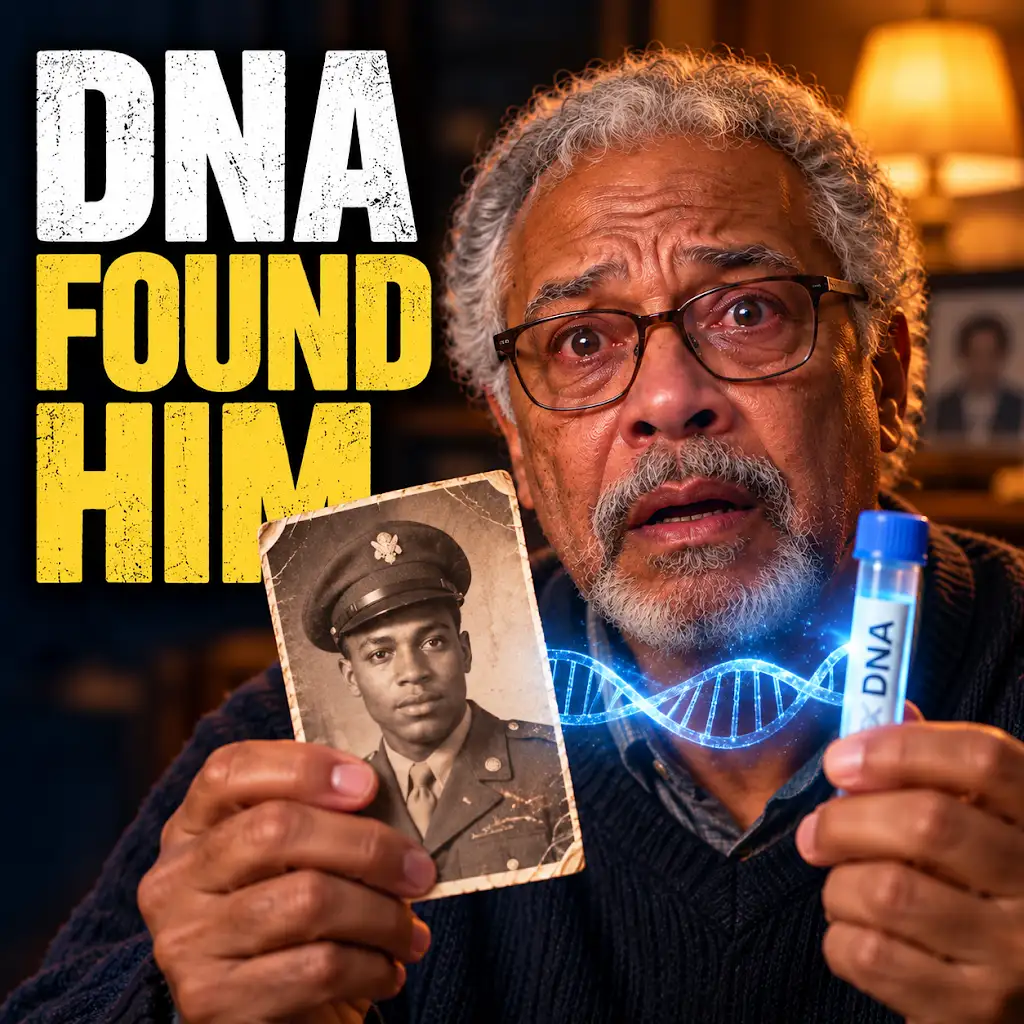
His WWII GI Father Was a Mystery for Nearly 80 Years
FAQs
What are DNA matches?
DNA matches are individuals who share segments of DNA with each other, indicating a genetic relationship.
How do DNA matches reveal family secrets?
DNA matches can reveal family secrets by uncovering unexpected relationships, such as unknown siblings, half-siblings, or biological parents.
What are some common family secrets that DNA matches can uncover?
Some common family secrets that DNA matches can uncover include undisclosed adoptions, instances of infidelity, and previously unknown relatives.
How accurate are DNA matches in revealing family secrets?
DNA matches are generally considered to be highly accurate in revealing family secrets, as they are based on scientific analysis of genetic data.
What should individuals consider before exploring DNA matches for family secrets?
Before exploring DNA matches for family secrets, individuals should consider the potential emotional impact, privacy concerns, and the importance of seeking support from loved ones or professionals.