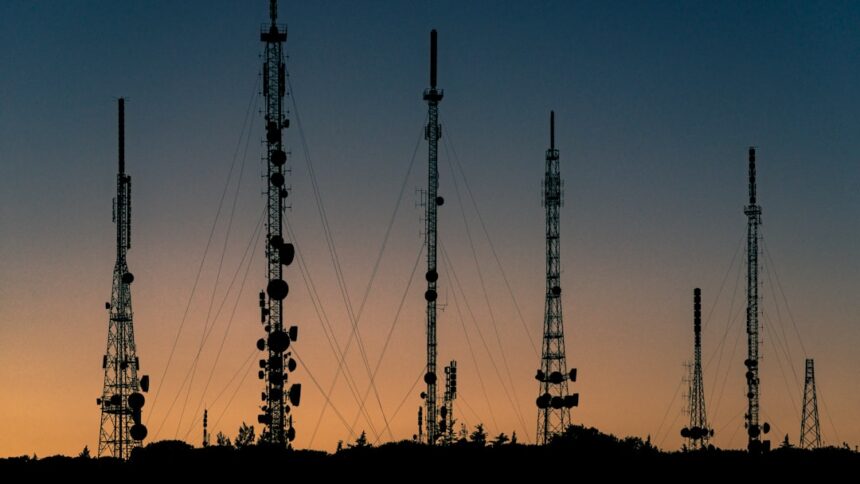
The Cold War, a period of geopolitical tension and ideological struggle between the United States and the Soviet Union, was characterized by a relentless battle for hearts and minds. Beyond the visible arms race and diplomatic maneuvering, a shadow war of information and propaganda raged. Within this clandestine arena, a complex and often shadowy world of secret radio networks emerged, broadcasting to influence public opinion, sow discord, and gather intelligence. These networks, meticulously operated and fiercely guarded, remain a fascinating and often under-explored facet of the Cold War, revealing the lengths to which superpowers would go to gain an advantage.
The Dawn of Secret Broadcasting: Early Tactics and Motivations
The origins of clandestine radio broadcasting can be traced back to the interwar period, but it was the Cold War that truly amplified its significance. Both the Soviet Union and the Western powers recognized the potent influence of radio waves and saw them as a powerful, albeit covert, weapon. The motivations were multifaceted. For the Soviets, it was a crucial tool for disseminating communist ideology, undermining Western capitalist systems, and fostering anti-American sentiment in strategically important regions. They aimed to present an alternative narrative, one that championed the proletariat and exposed what they portrayed as the exploitative nature of the West.
For the West, the primary objectives were to counter Soviet propaganda, expose the realities of communist regimes, and support anti-communist movements behind the Iron Curtain and in allied nations. The Voice of America, Radio Free Europe/Radio Liberty, and the BBC World Service, while often operating openly, also engaged in more covert broadcasting efforts, tailoring their messages to specific audiences and political contexts. The psychological impact of radio was undeniable: it could reach populations that were otherwise cut off from external information, offering a lifeline of hope or a spark of dissent.
The Ideological Battlefield: Propaganda and Persuasion
Clandestine radio stations were not merely conduits for news; they were sophisticated instruments of psychological warfare. Their content was carefully crafted to achieve specific objectives, ranging from broad ideological appeals to targeted disinformation campaigns.
Shaping Perceptions of the Enemy
One of the core strategies employed by these networks was the demonization of the opposing ideology and its proponents. Soviet broadcasts often depicted the United States as a decadent, imperialistic power driven by greed and bent on global domination. They highlighted social inequalities, racial tensions, and instances of political corruption within American society to paint a picture of a faltering and unjust system.
Conversely, Western broadcasts focused on the oppressive nature of Soviet communism, emphasizing the suppression of individual freedoms, the absence of democratic processes, and the economic hardships faced by citizens in the Soviet bloc. They often broadcast personal testimonies of defectors and escapees, providing firsthand accounts of life under communist rule and reinforcing the narrative of Soviet repression.
The Power of “Truth” and Disinformation
The lines between truth and disinformation were often blurred in the clandestine radio war. While some broadcasts aimed to present factual information, others were designed to mislead, sow confusion, and exploit existing societal divisions. Rumors, fabricated news stories, and half-truths were strategically disseminated to undermine public confidence in the opposing government or to fuel internal dissent.
The Soviet Union, in particular, was adept at developing elaborate disinformation campaigns. For instance, during the Vietnam War, Soviet-backed radio stations broadcast claims that American soldiers were committing widespread atrocities, often exaggerating or fabricating incidents to incite anti-American sentiment in neutral and allied nations. Similarly, Western stations sometimes amplified stories of human rights abuses by Soviet-aligned regimes, even if the evidence was initially scarce or unverified, to maintain pressure and highlight the supposed moral failings of communism.
Reaching the Unreachable: Targeting Specific Audiences
The effectiveness of clandestine radio lay in its ability to reach audiences that were otherwise inaccessible. Governments in the Soviet bloc maintained strict control over domestic media, making external broadcasting a vital channel for alternative information.
Beyond the Iron Curtain: Broadcasting to Soviet Bloc Citizens
Radio Free Europe (RFE) and Radio Liberty (RL), funded by the United States, played a particularly crucial role in broadcasting to citizens behind the Iron Curtain. These stations broadcast in multiple languages, offering news, analysis, and cultural programming that aimed to provide a counterpoint to official state propaganda. They played interviews with dissidents, broadcast banned literature, and provided uncensored accounts of events in the West. The goal was to cultivate a sense of shared identity and resistance among populations that felt isolated and oppressed.
Influencing Developing Nations: The Global Chessboard
The Cold War was also fought in the developing world, where newly independent nations were often courted by both superpowers. Clandestine radio networks were deployed to influence public opinion in these regions, aiming to steer them towards either the Soviet or Western sphere of influence. These broadcasts often focused on themes of anti-colonialism, economic development, and national sovereignty, adapting their messages to resonate with local concerns and aspirations. Soviet broadcasts might highlight Western exploitation of natural resources, while Western broadcasts might emphasize the threat of communist expansionism and the benefits of free-market economies.
During the Cold War, clandestine radio networks played a crucial role in disseminating information and propaganda across borders, often operating in secrecy to evade detection by authorities. These networks not only provided a voice to dissidents but also served as a tool for intelligence operations. For a deeper understanding of the impact and operations of these clandestine radio networks, you can read a related article that explores their significance during this tumultuous period. For more information, visit this article.
The Mechanics of Secrecy: Technology and Operations
Operating a clandestine radio network demanded a sophisticated understanding of radio technology, an intricate logistical network, and a commitment to extreme secrecy. The very nature of these operations meant that concrete details were often scarce, with information emerging only through declassified documents, memoirs, or the occasional defection.
The Crucial Role of Transmission: Mobile and Hidden Studios
The primary challenge for any clandestine broadcaster was to transmit signals without being detected and shut down. This led to the development of ingenious methods for establishing and maintaining transmission sites.
Mobile Transmitters and “Ghost Stations”
Many clandestine operations relied on mobile transmitters, often disguised as ordinary vehicles or housed in remote, inaccessible locations. These

The Secret Armies NATO Prepared for a Soviet Invasion
FAQs

What were clandestine radio networks during the Cold War?
Clandestine radio networks during the Cold War were secret radio stations operated by governments, intelligence agencies, or resistance groups to broadcast propaganda, information, and instructions to target audiences in other countries.
How were clandestine radio networks used during the Cold War?
Clandestine radio networks were used to influence public opinion, spread disinformation, and communicate with agents and sympathizers in enemy territories. They were also used to provide news and information that was censored or restricted in communist countries.
Which countries were known for operating clandestine radio networks during the Cold War?
During the Cold War, countries such as the United States, the Soviet Union, the United Kingdom, and various Eastern European countries were known for operating clandestine radio networks to advance their political and military agendas.
What were some famous clandestine radio stations during the Cold War?
Some famous clandestine radio stations during the Cold War included Radio Free Europe, Radio Liberty, Voice of America, and Radio Moscow. These stations played a significant role in broadcasting propaganda and information across enemy lines.
What impact did clandestine radio networks have on the Cold War?
Clandestine radio networks played a significant role in shaping public opinion, spreading propaganda, and influencing political developments during the Cold War. They also provided a means of communication and information dissemination in countries with restricted media and government censorship.