The intricate tapestry of Black American history is woven with threads of resilience, innovation, and a profound struggle for identity. For generations, the legacy of slavery and its subsequent systemic oppression has obscured a clear understanding of familial origins for many African Americans. The forced separation of families, the destruction of records, and the widespread disruption of lineage have created a historical chasm, leaving many with fragmented or nonexistent ancestral narratives. However, in recent decades, a powerful new tool has emerged, offering a beacon of hope and a pathway to uncovering these lost connections: DNA genealogy. The convergence of genetic science and historical research is revolutionizing how Black Americans can explore their heritage, moving beyond oral traditions and fragmented documents to access concrete, genetic evidence of their ancestors. This journey into Black American ancestry through DNA genealogy is not merely an academic pursuit; it is a deeply personal and often emotional exploration that can redefine one’s sense of self and belonging.
The Historical Landscape of Ancestral Loss
The historical context surrounding the ancestral disconnection of Black Americans is crucial to understanding the significance of DNA genealogy. The transatlantic slave trade, a brutal and dehumanizing enterprise, ripped individuals from their homes, families, and cultural roots in Africa. These stolen individuals were then subjected to immense violence and systemic efforts to strip them of their identities. Names were changed, birth and death dates were often unrecorded, and families were routinely torn apart through sale. The very act of enslaving people was an act of erasing their past and severing their ties to their heritage.
The Lingering Shadows of Slavery and its Aftermath
Following the Civil War and the abolition of slavery, the challenges to genealogical research for Black Americans persisted. While freedom was gained, the legacy of oppression continued. Discriminatory practices in record-keeping, limited access to education, and ongoing economic hardship meant that many newly freed individuals and their descendants faced significant barriers to meticulously documenting their family histories. The lack of public archives and the destruction of records during periods of civil unrest further compounded these difficulties. For many, the only surviving threads of their ancestry were the stories passed down through generations, often incomplete and tinged with the pain of lost knowledge.
The Limitations of Traditional Genealogical Methods
Traditional genealogical research, which relies heavily on census records, birth and death certificates, marriage licenses, wills, and land deeds, often proves exceptionally challenging for Black American lineages. These records, when they exist, are frequently incomplete, inaccurate, or inaccessible due to the historical context. Slave schedules in pre-Civil War censuses, for instance, listed enslaved people by number and owner, not by name, making it impossible to trace individual lives. Post-emancipation records, while more promising, still suffer from inconsistent naming conventions, spelling variations, and the sheer volume of historical documents that may not have been digitized or preserved. Furthermore, the frequent migrations of Black Americans throughout the 20th century, seeking opportunity and escaping discrimination, can scatter family records across vast geographical distances, making comprehensive research a formidable undertaking.
DNA genealogy has become an invaluable tool for exploring Black American ancestry, offering insights into heritage and family connections that were often obscured by historical injustices. A related article that delves deeper into this topic can be found at In the War Room, where the complexities of tracing lineage through DNA testing are discussed, highlighting both the challenges and the revelations that can emerge from this modern approach to understanding one’s roots.
The Dawn of Genetic Discovery: DNA Genealogy for Black Americans
The advent of direct-to-consumer DNA testing has opened up unprecedented avenues for Black Americans seeking to connect with their ancestral past. These tests analyze specific markers in an individual’s DNA to provide insights into their ethnic origins and to identify potential living relatives who have also tested. For a community where traditional methods often falter, DNA genealogy offers a complementary and, in many cases, a revolutionary approach.
Understanding Autosomal DNA and Ethnic Admixture
The most common type of DNA test used for genealogical purposes is the autosomal DNA test. Autosomal DNA is inherited from both parents and contains a complete mix of genetic information from all of one’s ancestors, tracing back approximately five to seven generations. When a Black American takes an autosomal DNA test, the results typically reveal an admixture of ethnicities. This admixture reflects the complex history of the continent of Africa, the forced displacement of people during the slave trade, and the subsequent interactions with European and Indigenous populations in the Americas.
The ethnic breakdown provided by these tests typically highlights various regions within Africa, such as West African, Central African, and Southern African populations. Crucially, it also often reveals European ancestry, a direct consequence of the historical power dynamics and intermingling that occurred during and after the era of slavery. Some individuals may also discover Indigenous American ancestry, a testament to the diverse genetic heritage present in the Americas prior to and during the colonial period. The precision of these regional breakdowns is constantly improving as the databases of DNA testing companies expand and incorporate more reference populations.
The Power of the Match: Connecting with Relatives
Beyond ethnic origins, the autosomal DNA test’s most impactful feature for many is its ability to identify genetic matches – individuals who share a significant amount of DNA with the tester. These matches can be invaluable for uncovering unknown relatives, including cousins, aunts, uncles, and even grandparents. For Black Americans, these matches can be particularly transformative. They can provide living links to ancestral lines that have been lost to history, offering clues to family surnames, places of origin, and the stories of individuals who might otherwise remain nameless in the historical record.
When a match is found, the testing company provides an estimate of the relationship (e.g., a close family member, a second cousin). This initial estimate serves as a starting point for further investigation. By comparing shared surnames, birthplaces, and other genealogical information with the match, testers can begin to piece together how they are related. This collaborative process, often facilitated by online genealogy platforms and DNA testing company communities, can unlock generations of previously hidden family history.
Navigating the Nuances: Interpreting DNA Results
While DNA genealogy offers immense potential, it is essential to approach the results with an understanding of their nuances and limitations. DNA ethnicity estimates are not definitive pronouncements but rather probabilities based on comparison with reference populations. The algorithms used by different companies can produce slightly varied results, and the historical migration patterns of families can also influence these estimates. For instance, if an ancestor moved from one region of Africa to another, their DNA might reflect a blend that doesn’t perfectly align with a single modern-day ethnic group.
Furthermore, the “matches” require careful interpretation. A common ancestor might be several generations back, meaning the shared DNA is minimal. The absence of a match does not necessarily mean there is no connection; it simply means that potential relatives have not yet tested with the same company or have tested but not shared their results. Therefore, DNA results are best used in conjunction with traditional genealogical research. The DNA provides clues, hints, and potential connections, which then need to be corroborated and expanded upon through historical records, family interviews, and other genealogical methods.
Reconstructing Narratives: Integrating DNA with Traditional Research

The true power of DNA genealogy for Black Americans lies not in its ability to replace traditional methods but in its capacity to augment and breathe life into them. When DNA results are combined with diligent genealogical research, fragmented ancestral narratives can begin to coalesce into coherent and rich family histories. This integrated approach is essential for moving beyond mere ethnicity percentages to understanding the lived experiences of ancestors.
Unlocking the Mysteries of Unknown Ancestors
DNA matches can be the Rosetta Stone for breaking through genealogical brick walls, especially when dealing with ancestors who appear in records without clear parental information or who are associated with unusual circumstances. For instance, a DNA match might reveal a cousin with a surname that is unfamiliar but whose family tree contains information about ancestors who lived in the same town or time period as the tester’s documented ancestors. This commonality can then prompt a targeted search for records that might have been overlooked.
Similarly, DNA can help to identify the biological parents of individuals who were adopted or whose parentage was otherwise obscured. In the context of Black American history, where the legacy of slavery may have led to the loss of knowledge about one’s biological lineage, DNA can be a profound tool for personal discovery and reconciliation. It can offer a direct line to understanding one’s genetic heritage and identifying family members who may have been unaware of their existence.
The Significance of Surnames and Migration Patterns
DNA genealogy can also shed light on the origins of surnames, which can be a complex issue for many Black Americans due to the imposition of slave owner surnames. By analyzing DNA matches, testers may discover other individuals with the same or similar surnames who share deeper African ancestral roots, suggesting a pre-slavery origin or a separate lineage not tied to the enslaver. Conversely, DNA matches can also help to confirm the origins of a surname adopted during or after slavery, by linking individuals to specific geographical regions or previously unknown family branches.
Furthermore, DNA ethnicity estimates, particularly their regional breakdowns within Africa, can provide crucial clues about the ancestral homelands of enslaved Africans. When combined with historical research into the transatlantic slave trade routes and the origins of enslaved populations brought to specific regions of the Americas, these DNA insights can help to pinpoint ancestral villages or tribal groups. This can then inform further research into historical records of those regions, potentially revealing more specific ancestral information. Migration patterns revealed through DNA matches – for example, if many matches share ancestry in a particular state or region – can also guide traditional research efforts, suggesting where to focus archival searches.
Ethical Considerations and Responsible Disclosure
As with any powerful tool, DNA genealogy comes with ethical considerations that are particularly relevant when exploring the complex history of Black Americans. The sharing of DNA information, especially when it reveals sensitive familial relationships or unexpected ancestry, requires careful thought and responsible disclosure. It is important to consider the potential impact of sharing information on oneself and on the living relatives who may be identified.
When uncovering information about potentially sensitive relationships, such as those arising from rape or coercion during slavery, testers must approach the disclosure with empathy and respect for all involved. The goal should be to foster understanding and healing, not to cause further pain. Building trust and open communication with discovered relatives is paramount. Respecting privacy and consent are essential principles when engaging with new family members identified through DNA. Not everyone may be ready or willing to engage in genealogical research or to discuss sensitive aspects of their family history.
The Emotional and Cultural Impact of Discovery
The journey of uncovering Black American ancestry through DNA genealogy is rarely purely an intellectual pursuit. It is often an emotionally charged and culturally significant experience, profoundly impacting individuals’ sense of identity, belonging, and connection to their heritage. The process can evoke a wide range of emotions, from profound joy and wonder to sorrow and even anger.
Reclaiming Lost Identities and Narratives
For many Black Americans, the ability to connect with a verifiable ancestral past is an act of reclamation. It is a way to counter the historical narrative that sought to erase their heritage and to assert their rightful place in the grand story of human migration and resilience. Discovering the names of ancestors, learning about their lives, and understanding their struggles and triumphs can provide a powerful sense of validation and self-worth. It can fill a void that may have existed for generations, replacing uncertainty with a concrete connection to a lineage. This process can foster a deeper appreciation for the sacrifices and perseverance of those who came before, strengthening the bonds of collective identity.
Bridging Generational Divides and Fostering Community
DNA genealogy can serve as a powerful catalyst for bridging generational divides within families. When elders hold fragmented memories and younger generations are eager to learn, DNA can provide a tangible link that sparks conversation and shared discovery. It can unite families around a common goal, fostering a sense of collective ownership of their heritage. The shared experience of DNA testing and research can also lead to the formation of new communities. Online groups and forums dedicated to Black American genealogy, as well as local historical societies, provide spaces for individuals to connect, share resources, and support one another on their respective journeys. These communities offer a vital sense of belonging and shared purpose, amplifying the impact of individual discoveries.
Challenging Perceptions and Expanding Understanding
The revelations from DNA genealogy can also challenge long-held perceptions about race, identity, and history, both for individuals and for society at large. For Black Americans, discovering a broader range of African ethnic origins than previously imagined, or uncovering unexpected European or Indigenous American ancestry, can lead to a more nuanced and complex understanding of their identity. It highlights the interconnectedness of human populations and the fluid nature of identity.
Moreover, these discoveries can contribute to a broader societal reevaluation of Black American history. By providing tangible evidence of the diverse origins of enslaved Africans and the complex interactions that shaped the American narrative, DNA genealogy can contribute to more accurate and inclusive historical accounts. It underscores the importance of acknowledging the full spectrum of human experiences that have contributed to the present day.
DNA genealogy has become an invaluable tool for many individuals exploring their Black American ancestry, offering insights that were previously difficult to obtain. A related article discusses the impact of genetic testing on understanding family history and heritage, shedding light on how these advancements can help reconnect families and uncover lost roots. For more information, you can read the full article here.
The Future of Black American Genealogy: Advancements and Opportunities
| Metric | Description | Typical Range/Value | Notes |
|---|---|---|---|
| West African Ancestry Percentage | Proportion of DNA linked to West African populations | 60% – 90% | Majority of African American ancestry traces to West Africa |
| European Ancestry Percentage | Proportion of DNA linked to European populations | 10% – 30% | Reflects historical admixture during and after slavery |
| Native American Ancestry Percentage | Proportion of DNA linked to Native American populations | 0% – 5% | Less common but present in some lineages |
| Y-DNA Haplogroups | Male lineage markers | Common: E1b1a (West African origin) | Indicative of paternal African heritage |
| mtDNA Haplogroups | Maternal lineage markers | Common: L0, L2, L3 (African origin) | Reflects maternal African ancestry |
| Average Genetic Admixture | Combined ancestry from multiple populations | ~75% African, ~20% European, ~5% Other | Varies widely by individual and region |
| Common African Ethnic Origins | Ethnic groups identified through DNA matches | Yoruba, Igbo, Mende, Akan, Bantu groups | Reflects diverse African roots of African Americans |
The field of DNA genealogy is constantly evolving, with ongoing advancements in technology and an expanding understanding of human genetics promising even greater possibilities for Black Americans seeking to uncover their ancestry. The journey is far from over, and the future holds exciting prospects for deepening our understanding of this rich and complex heritage.
Advancements in Genetic Analysis and Ancestral Databases
The accuracy and granularity of DNA testing are continually improving. Researchers are developing more sophisticated algorithms for interpreting genetic data and are expanding the reference populations used for ethnic admixture analysis. This means that future DNA tests are likely to provide even more precise regional breakdowns of African ancestry, potentially identifying ancestral villages or specific tribal groups with greater confidence.
Furthermore, the increasing digitization of historical records and the growing accessibility of archival materials worldwide are complementing the advancements in genetic analysis. As more historical documents, particularly those related to the colonial and antebellum periods, are made available online, the ability to connect genetic findings with documented ancestral lives will become more powerful. Efforts to transcribe and index records that have historically been difficult to access, such as church records from various African denominations or colonial-era parish registers, will further aid researchers.
Preserving and Sharing Family Histories for Future Generations
The work of uncovering Black American ancestry through DNA genealogy is not just about illuminating the past; it is also about preserving this rediscovered heritage for future generations. As individuals piece together their family trees and uncover compelling stories, it becomes crucial to document and share this information. This can involve creating detailed family trees, writing family histories, recording oral histories with elders, and creating digital archives of photographs and documents.
The development of robust digital platforms that facilitate the sharing of genealogical information while respecting privacy is also vital. These platforms can allow individuals to connect with relatives, collaborate on research projects, and build comprehensive family narratives that can be passed down through generations. Engaging younger generations in this process is key to ensuring the continuity of these rediscovered ancestral connections. Encouraging them to explore their DNA, to interview family members, and to learn about their history can foster a lifelong appreciation for their heritage.
The Role of Community Initiatives and Advocacy
Community-led initiatives and advocacy play a crucial role in advancing Black American genealogy. Organizations dedicated to preserving Black history and culture are increasingly incorporating DNA genealogy into their efforts, providing resources, workshops, and research support to their communities. These initiatives can help to democratize access to DNA testing and genealogical research, ensuring that this powerful tool is available to all who wish to explore their heritage.
Advocacy efforts are also essential for pushing for greater accessibility and preservation of historical records. Efforts to lobby for the digitization of neglected archives, to support genealogical societies working with underrepresented communities, and to raise awareness about the importance of Black American genealogical research are vital. As the field matures, the collective efforts of individuals, communities, and organizations will continue to shape the future of uncovering Black American ancestry, transforming fragmented pasts into a vibrant and enduring legacy.
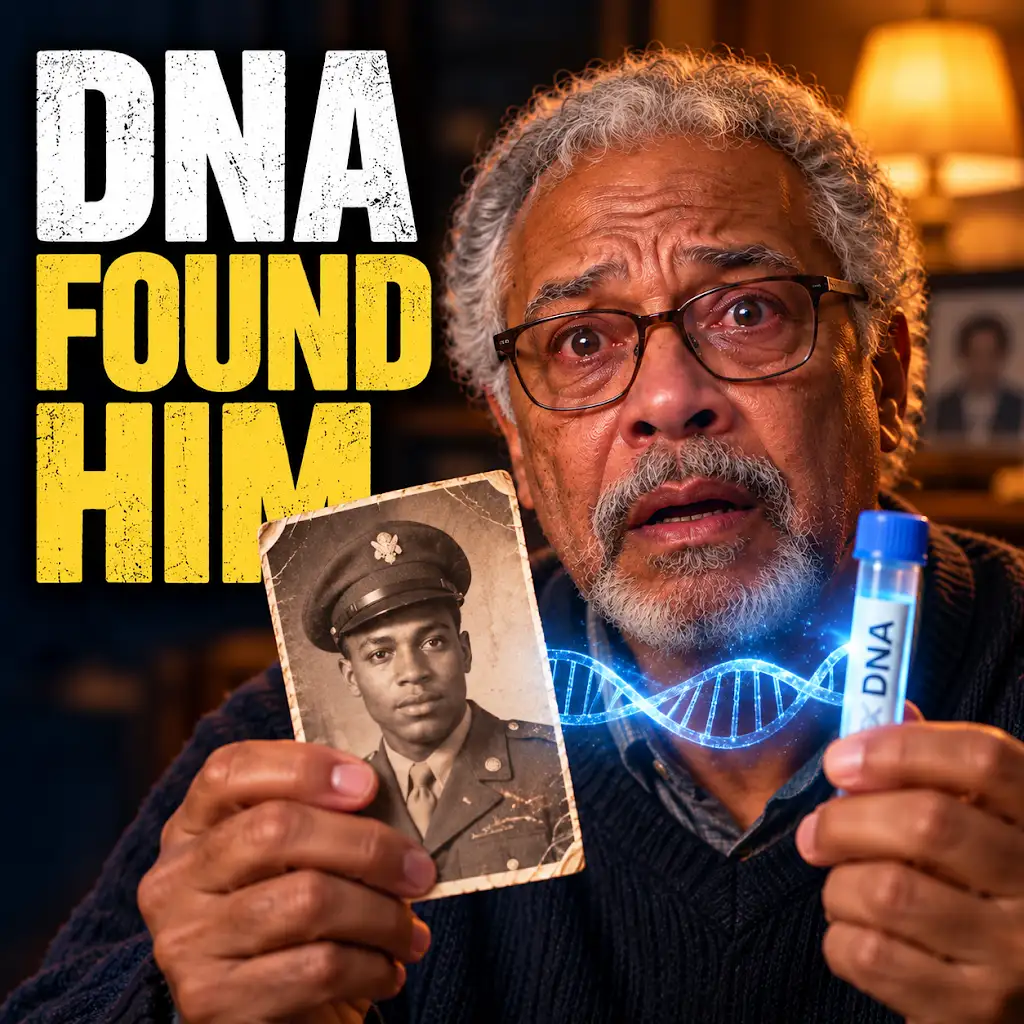
His WWII GI Father Was a Mystery for Nearly 80 Years
FAQs
What is DNA genealogy?
DNA genealogy is the use of genetic testing to trace an individual’s ancestry and genealogical connections. It involves analyzing an individual’s DNA to determine their ethnic origins and genetic relationships with other individuals.
How can DNA genealogy help trace Black American ancestry?
DNA genealogy can help trace Black American ancestry by providing insights into an individual’s ethnic background, identifying potential genetic matches with other individuals or populations, and uncovering ancestral migration patterns. It can also help individuals connect with distant relatives and build a more complete family tree.
What are the different types of DNA tests used in genealogy?
The main types of DNA tests used in genealogy are autosomal DNA tests, Y-DNA tests, and mitochondrial DNA tests. Autosomal DNA tests analyze DNA inherited from both parents and can provide information about recent ancestry. Y-DNA tests trace the direct paternal line, while mitochondrial DNA tests trace the direct maternal line.
How accurate are DNA genealogy tests in determining Black American ancestry?
DNA genealogy tests are generally accurate in determining an individual’s ethnic background and genetic connections. However, it is important to understand that the results are estimates based on comparisons with reference populations and may not provide a complete picture of an individual’s ancestry. Additionally, the accuracy of the results can vary depending on the testing company and the size of their reference database.
What are some considerations to keep in mind when using DNA genealogy for Black American ancestry research?
When using DNA genealogy for Black American ancestry research, it is important to consider factors such as the diversity of reference populations used by testing companies, the limitations of genetic testing in tracing ancestry beyond a certain number of generations, and the potential for unexpected or sensitive information to be revealed. It is also important to approach the results with an open mind and to supplement genetic testing with traditional genealogical research.