The quest for knowledge about one’s origins is a deeply human endeavor. For many, this journey begins with questions about their parentage – questions that may arise from adoption, donor conception, or simply a desire to understand their genetic heritage. In recent decades, DNA testing has emerged as a powerful and increasingly accessible tool, transforming the landscape of genealogical discovery and offering definitive answers to the question of unknown parentage. This technology, once confined to forensic laboratories and academic research, is now within reach of individuals seeking to unravel the mysteries of their family tree, providing a scientific bridge to ancestral connections.
The Science of Genetic Connection
At its core, DNA testing for parentage relies on the fundamental principles of heredity. Each individual inherits half of their DNA from their biological mother and the other half from their biological father. This inherited genetic material is a unique blueprint, a complex tapestry woven from millions of chemical units called nucleotides. While the vast majority of our DNA is identical across all humans, specific regions, known as Short Tandem Repeats (STRs) and Single Nucleotide Polymorphisms (SNPs), exhibit variations between individuals. These variations are what allow for the identification of biological relationships.
Understanding DNA and Inheritance Patterns
Deoxyribonucleic acid, or DNA, is the molecule that carries the genetic instructions for the development, functioning, growth, and reproduction of all known organisms. It is organized into structures called chromosomes, which are found within the nucleus of cells. Humans typically have 46 chromosomes, arranged in 23 pairs. One chromosome from each pair is inherited from the mother, and the other from the father. This Mendelian inheritance pattern is the bedrock upon which paternity and maternity testing is built. During conception, the sperm and egg fuse, combining their genetic contributions to form a new, unique individual. Therefore, a child will share approximately 50% of their DNA with their biological mother and 50% with their biological father.
STRs: The Markers of Identity
Short Tandem Repeats (STRs) are specific segments of DNA that consist of repeating sequences of nucleotides, typically 2 to 6 base pairs long. These sequences are repeated a variable number of times at specific locations, or loci, on chromosomes. The number of repeats at a particular STR locus serves as a unique identifier. For instance, at a given locus, one person might have a sequence that repeats 7 times, while another might have it repeat 10 times. Genetic testing laboratories analyze a standard set of STR loci, often 15 to 21, to establish a DNA profile for each individual. When comparing the STR profiles of a child and a potential parent, scientists look for matching segments. A child will inherit one allele (a specific version of a gene, in this case, the number of repeats at an STR locus) for each STR from each parent. If a child’s STR profile shows alleles that are consistent with those inherited from a tested individual, it strengthens the probability of a biological relationship.
SNPs: Glimpses into Ancestry and Relationships
Single Nucleotide Polymorphisms (SNPs) are variations in a single nucleotide base at a specific position in the DNA sequence. Imagine a ladder of DNA bases; a SNP is like a single rung on that ladder having a different color than the vast majority of other rungs. While STRs are excellent for establishing close familial relationships like parentage due to their high variability, SNPs can provide information about broader ancestral origins and more distant genetic connections. For parentage testing, SNPs can complement STR analysis, especially in cases where there might be no direct paternal line to test (e.g., testing for maternity when the alleged father is unavailable). They can also be used in more complex scenarios, such as identifying maternal lineage through mitochondrial DNA (mtDNA), which is inherited solely from the mother.
DNA testing for unknown parentage has become an increasingly popular method for individuals seeking to uncover their biological roots and establish familial connections. A related article that delves into the implications and processes of such testing can be found at this link. This resource provides valuable insights into the emotional and legal aspects of discovering unknown parentage through genetic testing, highlighting the transformative impact it can have on people’s lives.
Navigating the Process of DNA Testing
The process of undergoing DNA testing for unknown parentage, whether for established adoption, donor conception, or other reasons, involves several key stages. From initial consultation to understanding the results, individuals must be prepared for a scientifically driven but emotionally charged journey. The accessibility of at-home testing kits has democratized this process, but professional, accredited laboratories offer a higher degree of accuracy and legal defensibility.
Choosing the Right Test: Paternity, Maternity, and Beyond
The first step in uncovering parentage through DNA is to determine the specific type of test required. The most common are:
- Paternity Testing: This test determines if a specific man is the biological father of a child. It involves comparing DNA samples from the child and the alleged father. For the most accurate results, the biological mother’s DNA is also often included, as it helps to exclude her genetic contribution and more definitively identify the paternal contribution.
- Maternity Testing: This test determines if a specific woman is the biological mother of a child. It compares DNA samples from the child and the alleged mother.
- Sibling DNA Testing: While not directly testing parentage, sibling testing can infer shared parentage. If two individuals share one or both biological parents, they will share a significant portion of their DNA.
- Grandparent DNA Testing: This can be used when direct samples from the alleged parent are unavailable. By comparing the DNA of a grandparent and a grandchild, scientists can infer the likelihood of a biological link through the shared genetic material passed down through generations.
- Aunt/Uncle DNA Testing: Similar to grandparent testing, this can provide insights into parentage when direct samples are not obtainable.
The choice of test depends on who is available to provide a DNA sample and the specific nature of the question being asked. For definitive parentage confirmation, testing the child with the alleged parent is the most direct approach.
DNA testing for unknown parentage has become increasingly popular as people seek to uncover their biological roots and family histories. A fascinating article on this topic can be found at In the War Room, where the implications of such tests are explored in depth. As more individuals turn to genetic testing, the emotional and social ramifications of discovering unknown parentage are becoming more significant, prompting discussions about identity and belonging.
Sample Collection: From Saliva to Swabs
The actual collection of DNA samples is remarkably straightforward and non-invasive. The most common methods involve:
- Buccal Swabs: This is the preferred method for most genetic testing. A sterile cotton swab is gently rubbed against the inside of the cheek (buccal mucosa) for about 30 seconds. This collects cells that line the cheek, which contain DNA. The swab is then allowed to air dry and is placed in a sterile collection container. This method is painless, quick, and suitable for individuals of all ages, including newborns.
- Blood Samples: While less common now for routine parentage testing due to the ease of buccal swabs, blood samples can also be used. A small amount of blood is drawn by a trained phlebotomist. The DNA is then extracted from the white blood cells in the blood.
- Other Samples: In certain forensic or historical contexts, DNA can potentially be extracted from other sources such as hair follicles (with the root attached), nail clippings, or even items that have come into contact with saliva or skin cells (e.g., a toothbrush, a used cigarette butt). However, for legal or clinical parentage testing, buccal swabs or blood are the standard.
Understanding the Report: Probabilities and Confidence
Once the DNA samples are collected and sent to an accredited laboratory, the analysis begins. The results are typically presented in a detailed report that outlines the findings. For paternity testing, the report will usually state the probability of paternity or maternity.
- Probability of Paternity/Maternity: This is expressed as a percentage, indicating the likelihood that the tested man or woman is the biological parent. For conclusive results, this probability is typically very high, often exceeding 99.99%. This means that based on the genetic analysis, the chance that the tested individual is not the biological parent is extremely low.
- Exclusion: If the genetic profiles do not match, the report will state that the tested individual is excluded as the biological parent.
- Exclusion of Mother (for Paternity Testing): When the mother’s DNA is included in the analysis, the report will confirm that the alleged father’s DNA is consistent with the genetic contributions required to produce the child’s genetic profile, after accounting for the mother’s contribution.
It is crucial to understand that these tests provide scientific evidence, not emotional certainty. The interpretation of the report, especially in complex cases, should ideally be done in consultation with the laboratory or a genetic counselor.
Emotional and Ethical Considerations

The decision to pursue DNA testing for unknown parentage is rarely purely scientific. It is often driven by profound emotional needs, a desire for truth, and a quest for identity. Navigating these emotional currents, alongside the ethical implications of such testing, is an integral part of the journey.
The Weight of Truth: Adoption and Donor Conception
For individuals who were adopted, the discovery of biological parents can be a life-altering experience. The “nature versus nurture” debate finds a tangible focal point when genetic links are revealed. For some, it brings closure, a sense of belonging, and a deeper understanding of their inherited traits, predispositions, and family history. For others, it can be an emotionally complex process, introducing new relationships, or highlighting differences that may challenge pre-existing family dynamics. Similarly, for those conceived via donor gametes (sperm or egg donation), DNA testing can unlock information about their genetic origins. This can be a source of great relief and understanding, helping to fill in the blanks of their medical and family history. However, it can also bring a unique set of emotional considerations for the donor-conceived individual, their intended parents, and potentially the donor themselves, especially as societal norms and regulations around donor anonymity evolve.
The Ethics of Disclosure and Family Dynamics
The ethical considerations surrounding DNA testing for parentage are multifaceted. One of the most significant is the question of disclosure. When an individual undergoes testing, they are often uncovering a truth that may have been deliberately hidden or unknown to others. This can have a profound impact on existing family relationships. For example, if a paternity test reveals a different biological father than the one who raised the child, this information can create tension, confusion, and potentially redefine family bonds.
Furthermore, the rise of direct-to-consumer DNA testing has raised concerns about the potential for unexpected discoveries within extended family networks. An individual might be looking for their biological father, only to discover they have a half-sibling or a previously unknown aunt or uncle through their DNA matches. Managing these unexpected revelations requires sensitivity, communication, and often, professional guidance. The ethical responsibility to inform or not inform other family members, and the potential impact of such revelations, are significant considerations.
Legal Implications and Future Identity
While many DNA tests are conducted for personal knowledge, some have legal implications, particularly in cases involving child support, inheritance, or immigration. For these situations, it is crucial to use an accredited laboratory that follows strict chain-of-custody protocols. These legal paternity or maternity tests are performed under controlled conditions to ensure the admissibility of the results in court. Beyond legal matters, the results of parentage testing can shape an individual’s future sense of identity. Understanding one’s biological roots can provide a valuable piece of the puzzle that makes up who they are, influencing their sense of self, their understanding of their health predispositions, and their connection to a broader ancestral narrative.
The Evolving Landscape of Genetic Genealogy
DNA testing for parentage is no longer a niche scientific application. It has become a cornerstone of genealogical research, seamlessly integrated with historical records and online family trees. The accessibility of at-home DNA kits and the growth of large genetic databases have democratized the process, opening up new avenues for discovery.
Direct-to-Consumer (DTC) Testing: Accessibility and Limitations
Direct-to-consumer (DTC) DNA testing kits have revolutionized access to genetic information. Companies like AncestryDNA, 23andMe, and MyHeritage offer easy-to-use kits that individuals can purchase online or in stores. Users simply provide a saliva sample, send it to the company’s lab, and receive a report detailing their ancestry composition (e.g., percentages of DNA from different ethnic regions) and a list of genetic matches – other users in the database who share a significant amount of DNA.
While DTC testing offers unparalleled accessibility and the potential for exciting discoveries, it’s important to understand its limitations for definitive parentage testing. The primary purpose of many DTC tests is not to provide a definitive legal or clinical answer to parentage but rather to identify genetic matches and explore ancestral origins. The algorithms used to predict relationships are based on probabilities derived from the shared DNA between users. While these can strongly suggest a familial relationship, they are not as rigorously validated for conclusive parentage as tests performed by specialized paternity testing labs that analyze a specific set of highly variable markers. For situations requiring legally admissible results or the highest degree of certainty for parentage, a dedicated paternity testing service is recommended.
Leveraging Genetic Databases for Connection
The power of DTC testing lies in the vast genetic databases compiled by these companies. When individuals upload their DNA data, they enter a network of potential relatives. For someone seeking unknown parentage, these databases can be invaluable. A close DNA match might be a sibling, a half-sibling, an aunt, or an uncle – individuals who can provide crucial information about their biological parents. By analyzing the amount of DNA shared with a match, geneticists can estimate the relationship (e.g., parent-child, sibling, first cousin). This shared DNA is inherited from common ancestors. Therefore, a significant overlap in DNA with a match strongly suggests a shared biological connection. Building relationships with these genetic matches through communication platforms provided by the companies can lead to invaluable insights, shared family trees, and sometimes, direct contact with biological relatives.
The Future of Genetic Discovery: Enhanced Accuracy and Ethical Frameworks
The field of genetic testing is constantly evolving. Future advancements are expected to bring even greater accuracy and more comprehensive insights. Developments in whole-genome sequencing will allow for the analysis of an individual’s entire genetic code, potentially revealing a far richer tapestry of information about health predispositions, traits, and ancestral history. Researchers are also working on refining algorithms to improve the accuracy of relationship predictions and to better understand complex family structures.
Simultaneously, there is an ongoing discussion about the ethical frameworks that should govern genetic testing and the use of genetic data. Issues such as data privacy, the potential for genetic discrimination, and the rights of donor-conceived individuals to access their genetic information are at the forefront of these discussions. As the technology becomes more powerful, robust ethical guidelines and legal protections will be essential to ensure that genetic discovery serves humanity in a responsible and beneficial way, particularly when it touches upon the deeply personal and often sensitive issue of parentage.
The pursuit of understanding one’s biological roots through DNA testing for unknown parentage is a testament to the enduring human desire for connection and self-knowledge. While the science provides the tools, the journey itself is often deeply personal and emotionally resonant, offering the potential for profound revelations and a more complete understanding of one’s place in the world.
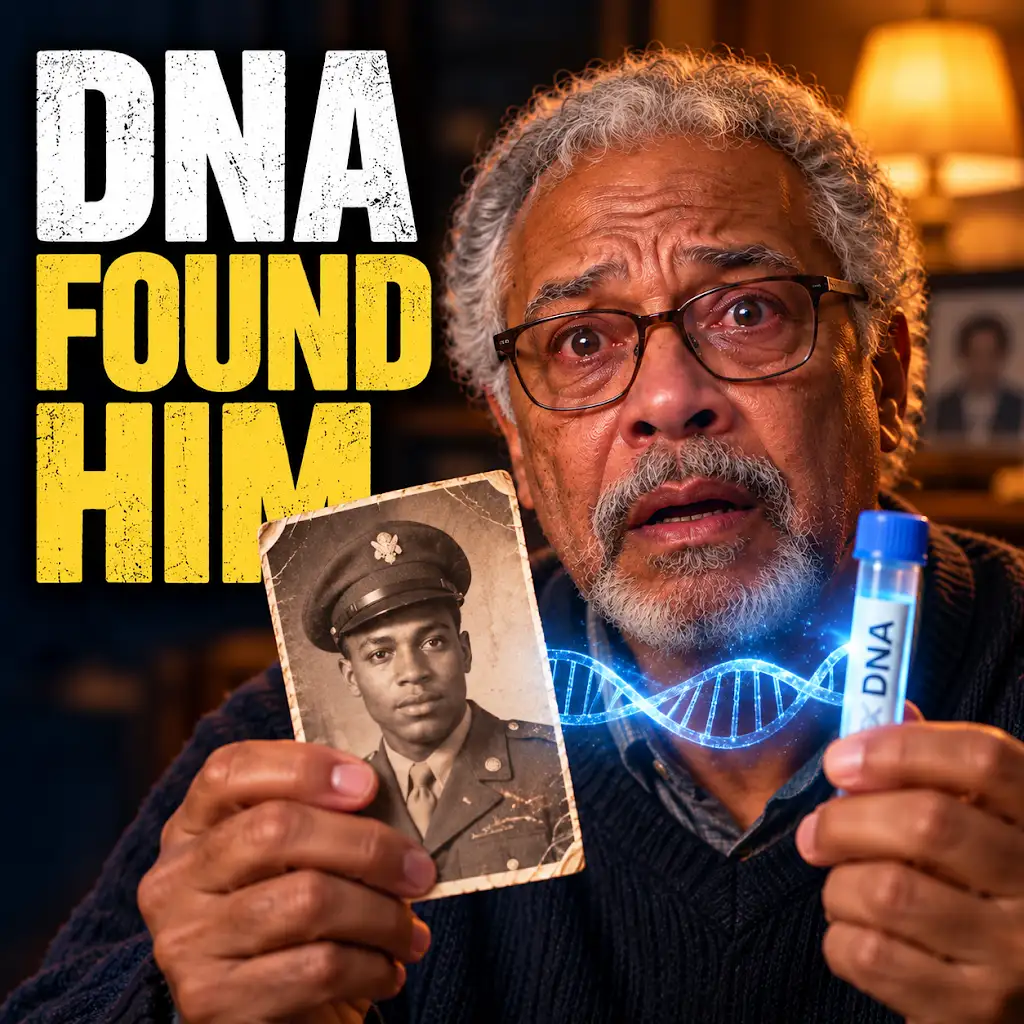
His WWII GI Father Was a Mystery for Nearly 80 Years
FAQs
What is DNA testing for unknown parentage?
DNA testing for unknown parentage is a process where genetic testing is used to determine biological relationships between individuals when the parentage is unknown or uncertain.
How does DNA testing for unknown parentage work?
DNA testing for unknown parentage works by comparing the DNA profiles of individuals to determine if they share genetic markers that are typically passed down from parents to children. This comparison can help establish biological relationships between individuals.
What are the common reasons for DNA testing for unknown parentage?
Common reasons for DNA testing for unknown parentage include determining paternity, identifying biological parents in cases of adoption or donor conception, establishing relationships in cases of unknown siblings, and uncovering genetic heritage in cases of ancestry testing.
Is DNA testing for unknown parentage accurate?
DNA testing for unknown parentage is highly accurate when conducted by reputable laboratories using reliable testing methods. The results of DNA testing can provide a high degree of certainty in establishing biological relationships between individuals.
How can someone get DNA testing for unknown parentage?
Individuals interested in DNA testing for unknown parentage can typically order a DNA testing kit online from reputable companies that specialize in genetic testing services. The testing kit usually involves collecting a DNA sample, such as a cheek swab, and sending it back to the company for analysis.