
The echo of distant boots, the scent of foreign soil, and the whispered stories of wartime romances – these are the fragments that haunt the lives of many born in the shadow of conflict. For individuals conceived during World War II and its immediate aftermath, a unique thread of uncertainty often weaves through their personal histories. The presence of an American GI father, though a catalyst for their existence, frequently remains an elusive figure, a ghost in the narrative of their upbringing. This article delves into the profound and often complex journey of uncovering these American GI fathers, a quest that is intrinsically linked to a search for identity, belonging, and a fuller understanding of one’s own heritage.
Echoes of War and Love
The global upheaval of World War II saw millions of American servicemen stationed in countries across the globe. While their primary mission was military, the human element of proximity and shared experience inevitably led to interactions, friendships, and sometimes, profound love stories that transcended borders and cultures. These relationships, born amidst extraordinary circumstances, often resulted in children. For these children, their fathers were more than just absent figures; they were a biological link to a powerful nation and a historical era, a connection that could feel both intensely personal and impossibly distant.
The Unique Circumstances of Wartime Births
The circumstances surrounding the conception of these children were diverse and often fraught with the uncertainties of war. For some, their parents’ relationships were fleeting but deeply felt encounters. For others, there were genuine intentions for lasting partnership, tragically curtailed by the demands of military service, reassignment, or the abrupt end of hostilities. In many cases, communication channels were difficult to maintain. Letters could be lost, addresses changed, and the sheer logistical challenge of bridging continents and post-war rebuilding efforts made sustained contact a rarity. This inherent disconnect left many children with only fragmented memories, a name, a photograph, or a story passed down through generations.
Societal Perceptions and the Stigma of Illegitimacy
The social landscape of the mid-20th century often added another layer of complexity. In many societies, children born outside of marriage faced significant stigma and discrimination. This was particularly true when the father was a foreign national, especially a soldier from a conquering or occupying force. These children, often referred to by derogatory terms, could experience social exclusion, making the desire to connect with their paternal heritage all the more urgent as a means of reclaiming their identity and challenging societal judgments. The absence of a recognized father figure could also impact legal rights, inheritance, and social standing, further fueling the need for discovery.
If you’re interested in the topic of finding American GI fathers, you might find the article on the challenges and resources available for connecting with these individuals particularly insightful. It discusses various methods and support networks that can assist in the search process. For more information, you can read the article at In the War Room.
The Compelling Drive for Connection
The absence of a paternal figure can leave a void that few other relationships can fill. For those with an American GI father, this void is often compounded by the allure of a different culture, a distinct historical narrative, and the sheer mystery surrounding the unknown. The desire to understand their lineage, to find a missing piece of themselves, and to connect with the heritage their father represented is a powerful, driving force that propels many on this introspective journey.
Bridging the Generational Divide
Often, the initial impetus for searching comes from the generations that followed. Grandchildren, keenly aware of a missing grandparent, or even great-grandchildren, may initiate the search. They might find old letters, hear family lore, or notice physical resemblances that spark curiosity. This desire to connect with an ancestral past is a universal human yearning, and for those with a foreign father, it becomes a quest to understand a significant, yet historically distant, part of their family tree. The internet and DNA testing have revolutionized this process, offering new avenues for connection that were unimaginable to previous generations.
The Quest for Familial Information
The search for an American GI father is rarely a straightforward endeavor. It requires meticulous research, patience, and often, a willingness to confront potentially difficult truths. The primary sources of information are often scarce and can be scattered. These might include:
- Family Anecdotes and Oral Histories: Stories passed down from mothers, aunts, uncles, or other relatives are invaluable. These can provide names, ranks, units, approximate locations of service, and even personality traits. However, memories can fade, and details can become distorted over time.
- Photographs and Memorabilia: A faded photograph with a uniform, a postcard from a faraway base, or a small personal item can be crucial clues. Identifying insignia on uniforms or writing on the back of photographs can offer vital leads.
- Official Records (When Accessible): Military records, marriage certificates (if any), birth certificates, and immigration records are the most concrete evidence. However, accessing these can be challenging due to privacy laws, record destruction, and the sheer volume of historical documentation.
Understanding the “Other Half”
Beyond the personal connection, there is also a deep-seated desire to understand the cultural and historical context of the father. For many, the American GI represents a symbol of opportunity, a different way of life, and a connection to a dominant global power during a pivotal historical moment. Understanding their father’s background can provide a framework for understanding their own identity, their place in the world, and the influences that have shaped their family history. It’s a process of filling in the blanks not just of a personal life, but of a historical chapter.
Navigating the Labyrinth of Records and Resources
The pursuit of an American GI father often involves a deep dive into a world of military archives, genealogical databases, and international correspondence. It is a journey that requires persistence, a keen eye for detail, and an understanding of the various avenues through which information can be unearthed. The challenges are significant, but the potential rewards – a sense of closure, a strengthened identity, and familial connection – are immense.
Military Records: The Official Trail
The United States military, during wartime, maintained extensive records. These records are the most promising, albeit often the most difficult, path to identifying a specific GI. Key sources include:
- Service Records: These documents, once declassified and accessible, can provide crucial details such as the soldier’s name, rank, unit, dates of service, and even deployment locations. Obtaining these records typically requires submitting a Freedom of Information Act (FOIA) request to the National Archives and Records Administration (NARA).
- Unit Rosters and Logs: While less detailed than individual service records, unit rosters can help corroborate information about who was stationed where and when.
- Casualty Records: If a soldier was killed or wounded in action, casualty lists and related records can sometimes be found.
- Veteran Administration (VA) Records: For soldiers who later sought benefits, VA records might contain further information.
Genealogical Databases and Online Platforms
The digital age has revolutionized genealogical research. Numerous online platforms offer access to vast databases of historical records, including:
- Ancestry.com, FamilySearch, MyHeritage: These sites host billions of records, including census data, birth, marriage, and death records, immigration manifests, and military records from various countries. Researchers can often find passenger lists of soldiers returning to the U.S., which can help narrow down possibilities if the father’s name is known.
- Fold3: This platform specializes in military records, providing access to a wide range of historical documents, including Civil War, Revolutionary War, and World War II records.
- Genealogy Forums and Social Media Groups: Online communities dedicated to genealogical research or specific historical periods can be invaluable. Sharing information and collaborating with other researchers can often lead to breakthroughs.
International Collaboration and Local Archives
The search often extends beyond American borders. Local archives in the country where the child was born can also hold vital clues. These might include:
- Local Birth and Marriage Registries: These official documents might list the father’s name, even if incomplete or misspelled.
- Newspaper Archives: Local newspapers from the wartime era can contain articles, announcements, or even advertisements that mention the presence of American troops or specific servicemen.
- Emigration and Immigration Records: Records from the host country might detail when individuals left or entered.
The process of accessing these records can be slow and require patience, with many historical documents still not digitized. International communication can also present language barriers and differing bureaucratic procedures.
The Emotional Tapestry of Discovery and Reconciliation
Uncovering the identity of an American GI father is rarely just an intellectual pursuit; it is an intensely emotional journey. The discovery can bring elation, profound sadness, a sense of belonging, or a complex mix of all these feelings. Reconciliation, both with the past and with oneself, is an integral part of this process.
The Joy of Connection and the Pain of Absence
When a father is found, the initial reaction is often overwhelming joy. It is the culmination of years, perhaps even decades, of searching. This joy is amplified by the realization that they are not alone, that they have a heritage and a biological link to a different part of the world and a significant historical era. However, this joy is often intertwined with the pain of what was missed. The realization of all the birthdays, graduations, and life milestones that the father was absent for can be deeply poignant. The unanswered questions about his life, his thoughts, and his feelings can also be a source of lingering sorrow.
Reconstructing a Life Story
The search is not just about finding a name; it is about reconstructing a life. Piecing together fragments of information allows the individual to build a narrative for their father. They might learn about his hometown, his family, his career before or after the war, and his personality. This process of reconstruction is vital for understanding the other half of their heritage. It allows them to see themselves reflected in a broader historical and cultural context. It helps them understand their own traits, interests, and predispositions.
The Role of DNA Testing
In recent years, DNA testing services like AncestryDNA, 23andMe, and MyHeritage have become powerful tools in genealogical research. For individuals searching for unknown fathers, these services can provide invaluable connections by matching them with relatives who have also tested. Even if the father himself is deceased and untested, his siblings, nieces, nephews, or cousins might have DNA profiles that can reveal familial links. These matches can provide surnames, potential geographical origins, and even living relatives who can offer insights into the father’s life and family history. The ethical considerations of DNA testing, particularly regarding unsolicited discovery, are also an important aspect of this modern search.
In the quest to uncover the stories of American GI fathers, many individuals have turned to various resources that delve into the complexities of these relationships. One insightful article that sheds light on this topic can be found at this link, which explores the emotional journeys and challenges faced by both fathers and their children. By examining personal narratives and historical contexts, the article provides a deeper understanding of the impact these connections have had across generations.
Identity and Belonging in the Modern World
| Metric | Description | Typical Value/Range | Source/Notes |
|---|---|---|---|
| Number of Children Seeking GI Fathers | Estimated number of individuals searching for American GI fathers post-WWII | Thousands worldwide | Historical records and support groups |
| Success Rate of Identification | Percentage of cases where the American GI father is successfully identified | Approximately 30-50% | Based on genealogical and DNA testing outcomes |
| Average Time to Locate Father | Time taken from start of search to identification | 6 months to 2 years | Varies by available records and cooperation |
| Common Search Methods | Techniques used to find American GI fathers | Genealogical research, DNA testing, military records, social media | Multiple sources combined for best results |
| Percentage Using DNA Testing | Proportion of searchers who use DNA testing services | 70-80% | Increasing with accessibility of testing |
| Most Common Conflicts Involved | Wars during which American GIs fathered children abroad | WWII, Korean War, Vietnam War | Focus on these periods due to troop presence |
| Legal Challenges | Issues faced in establishing paternity and citizenship | Varies by country and case | Includes documentation and recognition hurdles |
The quest to uncover an American GI father is fundamentally a quest for identity and a sense of belonging. It is about understanding one’s place in the world, acknowledging all facets of one’s heritage, and integrating disparate parts of one’s personal narrative into a cohesive whole. The modern world, with its increased global connectivity and acceptance of diverse backgrounds, offers new opportunities for individuals to embrace their unique identities.
Embracing a Dual Heritage
For individuals with an American GI father, their heritage is often a blend of two distinct cultures. This can be a source of richness and depth, offering a unique perspective on the world. The process of discovery allows them to acknowledge and embrace both sides of their lineage, not as separate entities, but as integral components of their identity. They can learn about American history, culture, and traditions, and understand how these elements may have influenced their family’s journey.
Finding a Sense of Closure and Community
The discovery of a father’s identity can provide a profound sense of closure. It answers long-standing questions and fills a void that may have existed for a lifetime. This closure can lead to a greater sense of self-acceptance and emotional well-being. Furthermore, the search can lead to the discovery of previously unknown relatives, both in the United States and in their home country. This can result in the formation of new familial bonds and a sense of belonging to a larger, extended family. Online communities and support groups for individuals with similar experiences have also emerged, offering a space for shared understanding and mutual support.
The Legacy of Uncovered Stories
The stories of these children, born of wartime romances, are significant historical narratives in themselves. They represent the human cost and the unexpected consequences of global conflict, as well as the enduring power of human connection. By uncovering their paternal lineage, these individuals not only reclaim their personal history but also contribute to a broader understanding of the social and personal impacts of World War II and other conflicts. Their journeys highlight the resilience of the human spirit and the universal desire for knowledge, connection, and a complete sense of self. The legacy of these uncovered fathers is not just about military service, but about the lives they inadvertently helped to create and the identities that continue to be shaped by their distant presence.
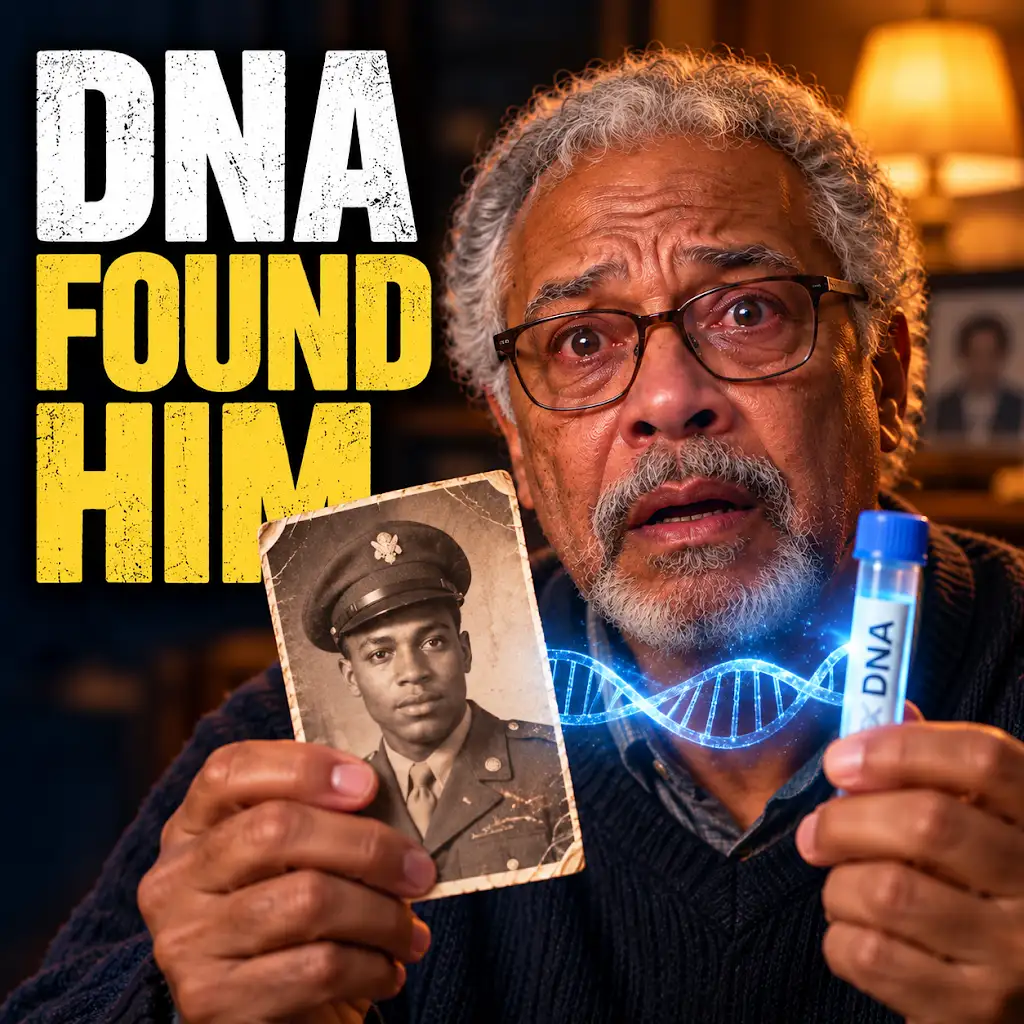
His WWII GI Father Was a Mystery for Nearly 80 Years
FAQs
What is the purpose of finding American GI fathers?
Finding American GI fathers is often done to establish a connection with one’s biological father, learn more about one’s heritage, and potentially reunite with family members.
How can one start the process of finding their American GI father?
One can start by gathering any information they have about their father, such as his name, military unit, and any other details. They can then reach out to organizations, archives, and online resources specializing in helping individuals locate American GI fathers.
Are there any specific organizations or resources that can assist in finding American GI fathers?
Yes, there are organizations like the American Red Cross, GI Trace, and DNA testing companies that offer services to help individuals find their American GI fathers. Additionally, online databases and social media platforms can also be useful in the search.
What challenges might individuals face when trying to find their American GI fathers?
Some challenges individuals might face include limited information about their father, language barriers, lack of access to military records, and the passage of time which can make it harder to locate relatives.
What are some potential outcomes of finding an American GI father?
Some potential outcomes of finding an American GI father include establishing a relationship with him, learning more about one’s family history, connecting with relatives, and gaining a sense of closure or understanding about one’s identity.