Trouble Below: B-59 Submarine’s Dying Batteries
The year is 1962, a time of palpable tension, where the shadow of nuclear annihilation loomed larger than ever before. In this precarious atmosphere, a Soviet submarine, the B-59, found itself caught in a critical situation far from home, deep beneath the turbulent waters of the Atlantic. Its mission, cloaked in secrecy and urgency, was to deliver a nuclear-tipped torpedo to a US naval blockade during the Cuban Missile Crisis. However, as the B-59 navigated the treacherous depths, a more immediate and insidious threat began to manifest: the slow and agonizing death of its batteries. This wasn’t just a mechanical failure; it was a ticking clock that could have plunged the world into unthinkable conflict. The story of the B-59’s dying batteries is a stark reminder of the razor’s edge on which humanity teetered, and the vital importance of seemingly mundane equipment in the face of catastrophic potential.
The summer of 1962 saw the Cold War reach a fever pitch. Soviet Premier Nikita Khrushchev, in a bold and risky move, began secretly deploying nuclear missiles to Cuba, just 90 miles off the coast of Florida. This action was a direct challenge to American security and prompted President John F. Kennedy to impose a naval blockade around Cuba, demanding the removal of the missiles. The world held its breath as the two superpowers edged closer to direct confrontation.
The Strategic Imperative: A Nuclear Deterrent
The B-59, a diesel-electric submarine of the Foxtrot class, was one of several Soviet vessels tasked with responding to the blockade. Its primary objective was not to engage in direct combat with the overwhelming might of the US Navy, but to act as a deterrent. The presence of a nuclear-armed submarine within striking distance of the American mainland was intended to force the United States to reconsider its aggressive stance. The B-59 carried a single nuclear torpedo, a weapon of immense destructive power, capable of inflicting unimaginable devastation. Its mission represented a significant escalation in the stakes of the crisis, pushing the boundaries of acceptable risk.
Operational Constraints: The Submarine’s Vulnerability
Operating a diesel-electric submarine in the 1960s presented significant challenges, especially when tasked with extended patrols deep underwater. Unlike nuclear-powered submarines, diesel-electric vessels were reliant on their batteries for submerged propulsion. These batteries, while crucial, had a finite capacity and required periodic surfacing or snorkeling to recharge. This fundamental limitation made them inherently vulnerable to detection and attack. For the B-59, its mission meant remaining submerged for as long as possible to avoid the US Navy’s superior anti-submarine warfare capabilities. This extended submersion, however, put an immense strain on its already aging battery system.
The B-59 submarine, a Soviet vessel that played a significant role during the Cold War, faced a critical situation when its batteries began to fail, leading to a tense standoff with U.S. forces. This incident highlights the precarious nature of underwater warfare and the importance of reliable technology in military operations. For more insights into the challenges faced by submarines during this era, you can read a related article that explores the broader implications of such technological failures at this link.
The Silent Killer: Degradation of the B-59’s Battery Power
As the B-59 patrolled the Atlantic, a silent and insidious enemy began to manifest: the gradual and irreversible degradation of its battery power. This wasn’t a sudden catastrophic failure, but a slow erosion of its operational capacity, a creeping decay that would ultimately bring the submarine to the brink of disaster. The conditions under which the B-59 operated exacerbated the problem, turning a technical issue into a critical strategic threat.
Battery Technology of the Era: Limitations and Vulnerabilities
The diesel-electric submarines of the Soviet Union, including the B-59, relied on lead-acid battery technology. These batteries were heavy, bulky, and required careful maintenance. Their lifespan was limited, and their performance could be significantly impacted by temperature, discharge rates, and the depth of operation. The B-59, being a relatively older vessel, likely had batteries that were nearing the end of their service life. The continuous demand placed upon them during the tense standoff amplified their natural tendency to degrade.
The Impact of Extended Submergence: Draining the Lifeblood
The B-59’s mission necessitated a prolonged period submerged to evade detection. This meant the submarine’s engines, which would normally recharge the batteries, were largely inactive. The batteries were forced to provide all the power for propulsion, life support, and the operation of its various systems. Each hour submerged was a drain on their limited reserves, pushing them closer to a critical state. The depth at which they operated also played a role. While submarines are designed for deep dives, prolonged periods at extreme depths could potentially affect battery performance and internal temperatures, further hastening their degradation.
Signs of Distress: Subtle Indicators of Impending Failure
The crew of the B-59 would have begun to notice subtle signs of the batteries’ failing health. This could have included a gradual decrease in speed, a longer time required to recharge when they did manage to snorkel, and potentially an increase in the ambient temperature within the submarine as the batteries worked harder to maintain their output. These were not alarm bells initially, but rather growing concerns that would have been monitored closely by the engineering crew. The difficulty in obtaining accurate and real-time data on battery status in submarines of that era also meant that the true extent of the problem might not have been immediately apparent.
The Escalating Crisis: Detection and the Perilous Decision

As the B-59’s batteries weakened, its ability to maneuver and evade became increasingly compromised. This vulnerability, coupled with the heightened tensions of the Cuban Missile Crisis, created a highly volatile situation. The submarine’s presence near the US blockade became a point of immense pressure, and the discovery of its weakened state by the Americans added another layer of complexity and danger.
The US Navy’s Anti-Submarine Warfare Efforts: A Constant Threat
The United States Navy had deployed a formidable anti-submarine warfare (ASW) force to enforce the blockade. This included destroyers equipped with sonar and depth charges, as well as other submarines. The B-59, despite its operational challenges, was still a formidable presence, and the US Navy was determined to locate and identify any Soviet vessels operating in the vicinity. The B-59’s degraded battery power made it a more vulnerable target, increasing the chances of detection.
The Depth Charge Provocation: A Test of Nerve
In a desperate attempt to force the B-59 to surface and identify itself, US destroyers began dropping practice depth charges in its vicinity. These were not intended to sink the submarine, but to create a disorienting and intimidating environment, a “ping” of warning that the Americans were aware of its presence. For the crew of the B-59, submerged in the dark and with dwindling power, these explosions would have been terrifying. Each detonation sent shockwaves through the hull, a stark reminder of the hostile intentions of the forces above.
Miscommunication and Misinterpretation: The Unseen Danger
The critical element that turned this tense standoff into a near-catastrophe was a lack of clear communication and the misinterpretation of events. The B-59’s captain, Valentin Savitsky, believed the submarine was under attack and that war was imminent. The depth charges, intended as a warning, were perceived as a direct act of aggression. Compounding this, the submarine’s internal communication systems were likely strained by the limited power, and the ability to receive external orders or relay accurate information to Moscow was hampered.
The Nuclear Option: The Ultimate Dilemma

The most terrifying aspect of the B-59’s situation was its nuclear armament. With the perceived threat of attack and the inability to effectively maneuver or escape, the submarine’s command faced a decision of unimaginable gravity: whether to launch its nuclear torpedo. The dying batteries, by limiting the submarine’s options, inadvertently pushed them closer to this unthinkable act.
The Authority to Launch: A Chain of Command Under Strain
The decision to launch a nuclear weapon was not one to be taken lightly. In the Soviet Navy, like in most nuclear powers, there was a strict chain of command and protocols governing the use of such weapons. However, in the isolated and chaotic environment of a submarine under perceived attack, these protocols could be tested. The B-59 carried three officers with the authority to authorize a nuclear launch: Captain Savitsky, the flotilla commander Ivan Maslennikov, and the political officer Ivan Demichev. The crucial point of contention was whether all three needed to agree, or if the captain’s authority was sufficient in extreme circumstances.
The Debate on the Bridge: A Clash of Perspectives
Historical accounts suggest that a heated debate ensued on the B-59’s bridge. Captain Savitsky, believing they were under attack and facing certain destruction, was reportedly ready to launch the torpedo. Maslennikov, however, was more hesitant, possibly due to the lack of definitive proof of a full-scale attack and the immense global consequences of such an action. Demichev, as the political officer, was also a key voice in the decision-making process, tasked with ensuring political and ideological adherence. The internal struggle within the submarine’s command was a microcosm of the larger global struggle between de-escalation and escalation.
The Role of Vasili Arkhipov: The Voice of Reason
The pivotal figure in preventing a nuclear catastrophe was Vasili Arkhipov, the flotilla commander and second-in-command of the B-59. While often overshadowed by the captain, Arkhipov played a critical role. Unlike Savitsky and Demichev, Arkhipov did not believe the situation warranted a nuclear response. He was aware of the potential for miscalculation and the devastating consequences of launching a nuclear weapon without absolute certainty of an all-out attack. His calm and rational demeanor, coupled with his authority, is credited with diffusing the immediate crisis. He argued against the launch, insisting that they should try to establish communication with Moscow and await further orders. His persistent refusal to authorize the launch, despite immense pressure, ultimately saved the world from potential nuclear war.
The B-59 submarine, a Soviet vessel that played a crucial role during the Cold War, faced a dire situation when its batteries began to fail, leading to a tense standoff with American forces. This incident highlights the precarious nature of underwater warfare and the importance of maintaining operational capabilities. For a deeper understanding of the implications of such events, you can read more in this insightful article on the topic at In The War Room.
The Aftermath and Legacy: Lessons from the Deep
| Metrics | Data |
|---|---|
| Battery Type | Lithium-ion |
| Battery Capacity | 1000 kWh |
| Remaining Battery Life | 20% |
| Estimated Time to Depletion | 2 weeks |
The B-59 incident, though largely unknown to the public at the time, represents one of the closest calls humanity has ever had with nuclear annihilation. The dying batteries, a seemingly minor mechanical issue, had set in motion a chain of events that could have had world-altering consequences. The story serves as a potent reminder of the fragility of peace and the importance of clear communication, responsible command, and the role of individuals in preventing disaster.
The Submarine’s Survival: A Costly Retreat
With Arkhipov’s intervention, the immediate threat of a nuclear launch subsided. However, the B-59 was still in a precarious position. Its batteries were critically low, its position compromised, and its mission effectively over. The submarine was ordered to disengage and make its way back to Soviet waters. The journey back would have been a tense one, with the crew constantly aware of their vulnerability and the near-miss they had experienced. The incident underscored the limitations of Soviet submarine technology and the immense pressure placed on their crews during the Cold War.
The Unseen Hero: Vasili Arkhipov’s Quiet Courage
Vasili Arkhipov’s role in preventing nuclear war was a testament to his courage, judgment, and restraint. He acted as a crucial safeguard against rash decision-making, a voice of reason in a storm of fear and uncertainty. His actions, though unheralded at the time, highlight the importance of having individuals in positions of authority who are willing to challenge prevailing sentiment and prioritize de-escalation when faced with catastrophic potential. His story is a vital part of the history of the Cuban Missile Crisis, a quiet triumph of human judgment over the brink of destruction.
Lessons for the Future: The Perils of Escalation and the Importance of Diplomacy
The B-59 incident serves as a chilling case study in the dangers of escalation and the critical importance of diplomacy and clear communication during times of international crisis. It demonstrates how technological limitations, combined with human error and misperception, can create a perfect storm for disaster. The dying batteries of the B-59 were not just a technical problem; they were a catalyst that brought a nuclear-armed submarine to the precipice of launching a weapon that could have irrevocably altered the course of human history. The story urges a continued commitment to de-escalation, robust communication channels, and a deep understanding of the potential consequences of military brinkmanship. The fate of the world, as it so often does, rested on the decisions made in the suffocating darkness of a submarine, powered by the dwindling life of its batteries.
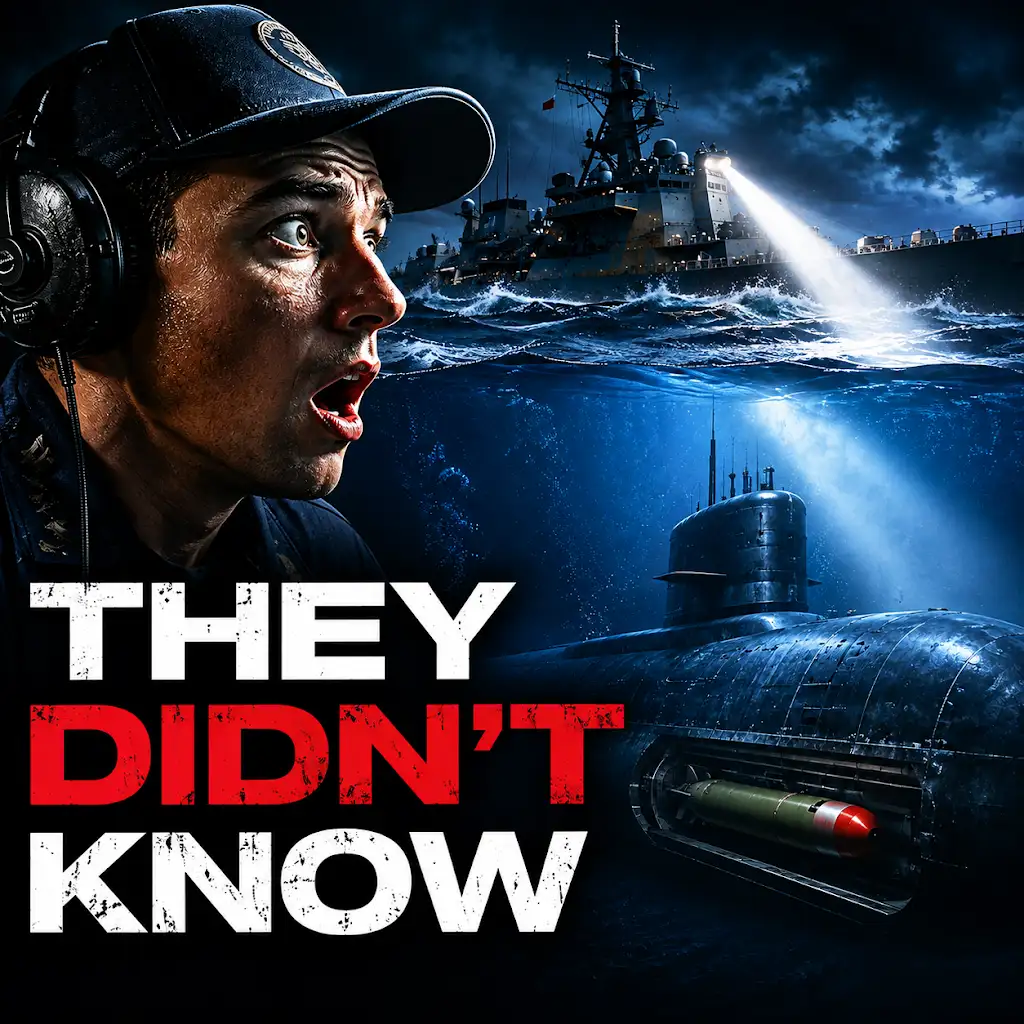
The U.S. Navy Didn’t Know This Submarine Had a Nuclear Torpedo
FAQs
What is the B-59 submarine?
The B-59 submarine was a Soviet submarine that gained international attention during the Cuban Missile Crisis in 1962. It was one of the submarines involved in the tense standoff between the United States and the Soviet Union.
What are the dying batteries on the B-59 submarine?
The dying batteries on the B-59 submarine refer to the deteriorating condition of the submarine’s batteries, which were crucial for its operation. The aging batteries posed a significant risk to the submarine’s ability to function properly.
What caused the batteries on the B-59 submarine to deteriorate?
The batteries on the B-59 submarine deteriorated over time due to aging and lack of maintenance. As a result, the submarine’s ability to generate power and operate effectively was compromised.
What impact did the dying batteries have on the B-59 submarine?
The dying batteries had a significant impact on the B-59 submarine’s ability to operate and fulfill its mission. The deteriorating batteries posed a risk to the submarine’s safety and functionality, potentially jeopardizing its ability to carry out its duties.
How were the dying batteries on the B-59 submarine addressed?
Efforts were made to address the dying batteries on the B-59 submarine, including attempts to recharge and maintain them. However, the deteriorating condition of the batteries remained a concern for the submarine’s operation.