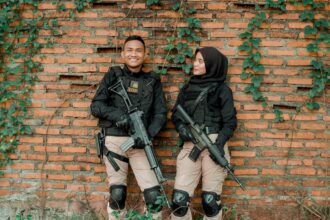
The presence of private military companies (PMCs) in conflict zones is a complex and often opaque phenomenon. In Sudan, a nation grappling with internal strife and regional instability, the activities of the Wagner Group’s Africa Corps have become a focal point of international concern. Beyond the immediate military implications, the group’s engagement signals a deeper geopolitical maneuvering, an extension of Russian influence into a strategically vital region. This article examines the training provided by the Africa Corps to Sudanese forces, the motivations behind this collaboration, and the broader consequences for Sudan and the African continent.
Training Modalities and Capabilities
The Africa Corps, an entity understood to be the successor or evolution of the original Wagner Group, has reportedly provided various forms of training to Sudanese military and paramilitary units. The specifics of these programs are difficult to ascertain definitively due to the clandestine nature of PMC operations. However, available intelligence and reports suggest a multi-faceted approach aimed at enhancing the operational effectiveness of its Sudanese partners.
Small Unit Tactics and Fire Support
A primary focus of the training appears to be on enhancing the tactical proficiency of infantry units. This includes instruction in small-unit maneuvers, such as fire and movement, tactical formations, and combined arms integration at a company and platoon level. Reports indicate that trainers emphasize efficient use of available weaponry and basic battlefield communication. A significant aspect of this training involves the integration of mortar and artillery support. Sudanese forces, often equipped with Soviet-era hardware, are reportedly being tutored on effective indirect fire coordination, target acquisition, and battle damage assessment. This aims to improve their ability to provide suppressive fire and inflict casualties on opposing forces from a distance, thus reducing direct exposure for infantry.
Advanced Marksmanship and Weapons Handling
Beyond standard infantry tactics, the Africa Corps is believed to be imparting more specialized skills. This includes advanced marksmanship techniques, emphasizing accuracy and effectiveness with various small arms. Training likely covers the proper maintenance and operation of diverse weapon systems, from assault rifles to heavier machine guns and anti-tank projectiles. There are indications that instructors are focused on maximizing the utility of existing Sudanese arsenals, which may range from dated Soviet bloc equipment to more modern Chinese or even Western-origin weaponry acquired through various channels.
Mine Warfare and Counter-Improvised Explosive Devices (IEDs)
Given the nature of protracted conflicts, the effective handling of mines and IEDs is crucial. Reports suggest that the Africa Corps has provided training in mine laying, minefield breaching, and, critically, counter-IED techniques. This can involve intelligence gathering to identify potential IED ambush sites, the use of specialized equipment for detection and disposal, and tactics designed to mitigate the threat posed by these ubiquitous weapons. Such training is vital for protecting convoys and enabling freedom of movement in contested areas.
Logistics and Maintenance of Equipment
Effective military operations are underpinned by robust logistics and equipment maintenance. The Africa Corps is understood to offer training in these areas, albeit likely to a more limited extent than in direct combat applications. This could involve the basic maintenance of vehicles, communication equipment, and weaponry. Improving the field repair capabilities of Sudanese forces can extend the operational lifespan of their assets and reduce reliance on external support for common issues. This aspect of training, while less glamorous, is foundational to sustained military effectiveness.
The Wagner Group’s involvement in Sudan, particularly through its Africa Corps, has raised significant concerns regarding the training of local forces in gold mining operations. This controversial engagement not only highlights the group’s expanding influence in Africa but also underscores the geopolitical implications of resource control in conflict zones. For further insights into the Wagner Group’s activities and their impact on regional stability, you can read a related article at this link.
Motivations for Russian Engagement
The involvement of the Wagner Group’s Africa Corps in Sudan is not a purely altruistic endeavor. Russia’s motivations are multifaceted, encompassing strategic, economic, and geopolitical considerations. Understanding these drivers is crucial to comprehending the dynamics of the training and its wider implications.
Securing Strategic Resources and Economic Opportunities
Sudan possesses significant natural resources, including gold. Reports have long suggested links between Wagner-affiliated entities and Sudanese gold mining operations. The training provided to Sudanese forces can be viewed, in part, as a means to secure stability in areas where these resources are extracted, protecting Russian interests and facilitating the flow of revenue. Beyond gold, Sudan’s strategic location offers potential for other economic ventures and access to valuable trade routes.
Gold Mining and Illicit Financing
The intricate relationship between Wagner and Sudanese gold mining is a persistent concern. It is widely believed that the extraction and export of gold have served as a significant funding mechanism for Wagner’s operations, both in Africa and elsewhere. By ensuring the security of these operations through training and potentially direct support, Russia effectively safeguards a vital revenue stream. This economic nexus forms a core element of the transactional nature of their engagement.
Access to Port Facilities and Maritime Presence
Sudan’s coastline along the Red Sea is of significant strategic importance. Russia has expressed interest in expanding its naval presence in the region, and access to Sudanese ports would be a considerable asset. The training of Sudanese forces, by potentially strengthening loyalist factions, could indirectly serve to facilitate greater Russian access and influence over these vital maritime chokepoints. This aligns with broader Russian ambitions to project power in the Indian Ocean and beyond.
Geopolitical Influence and Countering Western Presence
The African continent is a stage for growing geopolitical competition. Russia, through its engagement with nations like Sudan, seeks to expand its influence and counter the historical dominance of Western powers. By providing military assistance and training, Russia can cultivate client states, gain leverage, and undermine existing Western alliances and security partnerships. Sudan, with its strategic location and internal fragility, presents an opportune entry point for such endeavors.
Undermining Western Sanctions and Diplomatic Pressure
The Sudanese government, particularly elements aligned with the military, has faced international sanctions and diplomatic pressure. Russia’s willingness to engage militarily and provide training can be seen as a counterweight to this pressure, offering an alternative avenue for security support. This can embolden the Sudanese regime and reduce its susceptibility to Western diplomatic overtures and demands for reform.
Creating Regional Security Patrons
By establishing itself as a provider of security expertise and training, Russia positions itself as a patron for certain regimes and factions in Africa. This can create a network of states reliant on Russian support, thereby expanding its sphere of influence across the continent. The training in Sudan builds upon a model already tested in other African nations.
The Role of the Africa Corps and its Structure
The evolution of the Wagner Group into the Africa Corps is indicative of a strategic shift in Russian foreign policy and its approach to private military engagement. While the exact organizational structure remains opaque, certain characteristics of the Africa Corps are discernible.
Evolution from the Original Wagner Group
The Africa Corps is widely understood to be a successor or reorganized entity of the original Wagner Group. Following the death of Yevgeny Prigozhin, the former leader of Wagner, the Kremlin has sought to assert greater control over these private military structures. The Africa Corps appears to be a manifestation of this effort, consolidating various Russian PMC operations on the continent under a more centralized and potentially state-sanctioned umbrella.
Command and Control Structures
The precise command and control of the Africa Corps are not publicly detailed. However, it is inferred that there is a direct or indirect link to Russian state security apparatuses. The group likely operates with a degree of autonomy in its day-to-day operations, but strategic direction and key personnel appointments may be influenced or dictated by Moscow. This integration allows for plausible deniability while still enabling the projection of Russian power.
Personnel and Recruitment
The personnel comprising the Africa Corps likely draw from a diverse pool, including former Russian military and intelligence officers, as well as individuals with prior Wagner experience. Recruitment may also extend to individuals from other former Soviet republics. The emphasis is on experienced personnel with specialized combat and training skills.
Operational Autonomy and State Oversight
The operational autonomy of the Africa Corps in its day-to-day activities in Sudan and elsewhere is a key characteristic. Trainers and operators are likely empowered to make tactical decisions on the ground. However, this autonomy is believed to be within a framework established by broader Russian strategic objectives, suggesting a balance between on-the-ground flexibility and high-level guidance.
Plausible Deniability and Legal Ambiguity
A significant advantage of utilizing PMCs like the Africa Corps is the element of plausible deniability it offers the Russian state. Direct involvement can be disavowed, allowing Russia to pursue its interests while maintaining a degree of separation. The legal status of such organizations remains ambiguous, operating in a grey zone that complicates international legal frameworks.
Funding and Resource Allocation
The funding for the Africa Corps likely originates from a combination of sources. This includes revenue generated from resource extraction in countries where they operate, as well as potential direct or indirect support from the Russian state. Resource allocation is probably dictated by strategic priorities, with training missions and related activities receiving appropriate budgetary attention to achieve their objectives.
Implications for Sudan’s Internal Conflict
The training provided by the Africa Corps has significant implications for the ongoing internal conflicts within Sudan. The group’s involvement is not a neutral act; it actively shapes the capabilities and strategies of the forces it trains, with cascading effects on the broader security landscape.
Enhancing the Capabilities of Specific Factions
The Africa Corps’ training is not uniformly distributed across all Sudanese security forces. Reports suggest a focus on specific factions, often those aligned with or sympathetic to the ruling military establishment. By enhancing the combat effectiveness of these units, the training can tip the scales in internal power struggles, potentially exacerbating existing conflicts and contributing to the prolongation of violence.
Strengthening the Military and Paramilitary Forces
The primary beneficiaries of this training are likely the Sudanese Armed Forces (SAF) and various paramilitary groups that operate under their umbrella or in alliance. Improved tactical proficiency, better weapons handling, and enhanced artillery support can give these forces a distinct advantage over rebel factions or other opposition groups. This can lead to a more attritional and brutal conflict.
Potential for Increased Civilian Casualties
As the training focuses on enhancing offensive capabilities, there is a heightened risk of increased civilian casualties. Improved firepower and tactical coordination, if not accompanied by strict adherence to international humanitarian law and robust rules of engagement, can lead to greater collateral damage and unintended harm to non-combatants.
The Role in Counter-Insurgency Operations
The training imparted to Sudanese forces is likely geared towards improving their effectiveness in counter-insurgency operations. This can involve tactics for urban warfare, population control, and the suppression of rebel movements. The Africa Corps’ own experiences in various conflict zones across Africa may inform these training methodologies.
Urban Warfare Tactics
Many of Sudan’s internal conflicts involve fighting in densely populated urban areas. Training in urban warfare, which emphasizes close-quarters combat, building clearing, and the strategic use of terrain, can significantly impact the dynamics of such conflicts. This can lead to increased destruction of infrastructure and further displacement of civilian populations.
Information Operations and Psychological Warfare
While not directly combat-related, the training may also extend to elements of information operations and psychological warfare. This can involve propaganda dissemination, counter-messaging, and efforts to influence public perception and morale. Such activities are often integral to protracted insurgencies and can be used to legitimize certain factions and delegitimize opponents.
Human Rights and Accountability Concerns
The involvement of PMCs like the Africa Corps in conflict zones is intrinsically linked to significant human rights and accountability concerns. The opaque nature of their operations, coupled with a lack of clear oversight, creates an environment where abuses can occur with limited recourse.
Lack of Transparency and Oversight
The clandestine nature of PMC operations makes it exceedingly difficult to monitor their activities and ensure compliance with international law. The absence of robust oversight mechanisms means that violations of human rights or war crimes committed by personnel associated with the Africa Corps may go uninvestigated and unpunished.
Contribution to Impunity
The presence of actors operating in a legal grey zone can contribute to a culture of impunity for human rights violations. If forces trained by such entities engage in abuses, it can be challenging to assign responsibility, especially if those responsible are operating under the guise of advising or training rather than direct command.
Recent developments regarding the Wagner Group’s involvement in Sudan have raised concerns about their operations, particularly in the gold mining sector. The Wagner Group Africa Corps has been reportedly training local militias to secure gold resources, which has significant implications for both regional stability and international relations. For a deeper understanding of these dynamics, you can read more in this insightful article on the topic at In the War Room.
Broader Geopolitical Ramifications for Africa
The training of Sudan’s Gold Forces by the Wagner Group’s Africa Corps is not an isolated incident. It is part of a broader trend of increased Russian engagement in Africa, with significant geopolitical ramifications for the continent as a whole.
The Growing Russian Footprint on the Continent
Russia’s strategic interests in Africa are multifaceted, aiming to reassert its global influence and challenge the established order. The Africa Corps serves as a key instrument in this endeavor, facilitating military and security partnerships with a growing number of African nations. This expands Russia’s diplomatic and economic leverage across the continent.
Security Partnerships and Arms Sales
Beyond training, Russia is a major arms supplier to many African nations. The cultivation of security partnerships through training can pave the way for lucrative arms deals, further strengthening bilateral ties and commercial interests. This creates a dependency on Russian military hardware and expertise.
Competition with Western Powers
Russia’s activities in Africa are often seen as a direct challenge to the influence of Western powers, including the United States and European nations. By offering an alternative security provider, Russia can undermine existing Western alliances and forge new relationships based on its own strategic objectives. This creates a more fragmented and multipolar geopolitical landscape.
The Normalization of Private Military Actors in African Conflicts
The increasing reliance on PMCs, exemplified by the Africa Corps, contributes to the normalization of private military actors in conflict resolution and security provision across Africa. This raises questions about the long-term implications for state sovereignty, accountability, and the very nature of warfare.
Shifting Security Architectures
The involvement of PMCs can lead to a shift in security architectures, with states increasingly outsourcing their security functions to non-state actors. This can weaken state institutions and create a reliance on external forces, potentially undermining national sovereignty and self-determination.
Impact on African Agency and Self-Sufficiency
The reliance on foreign PMCs, regardless of their origin, can diminish the agency of African nations to manage their own security challenges. It can hinder the development of indigenous security capacities and perpetuate a cycle of external dependency, rather than fostering long-term self-sufficiency and regional stability.
The Role in Resource Extraction and Authoritarian Regimes
The nexus between the Africa Corps’ activities, resource extraction, and support for authoritarian regimes is a recurring theme across several African countries. This creates a dynamic where exploitative economic interests are intertwined with the provision of security, often at the expense of democratic development and good governance.
Resource Control and Political Stability
In countries rich in natural resources, the presence of well-trained and supplied security forces, often bolstered by external support like that from the Africa Corps, can be instrumental in maintaining political stability. This stability, however, may be geared towards protecting resource interests and the ruling elite, rather than serving the broader population or promoting democratic accountability.
Reinforcing Authoritarian Tendencies
The provision of security that prioritizes regime survival over citizen protection can reinforce authoritarian tendencies in governments. When security forces are primarily beholden to external advisors or actors with their own agendas, the path towards democratic reform and improved human rights can become significantly more challenging. The training of Sudan’s Gold Forces, therefore, sits within this complex and concerning pattern of Russian influence across the African continent.
FAQs
What is the Wagner Group Africa Corps?
The Wagner Group Africa Corps is a private military company with ties to the Russian government. It has been involved in various military operations and training in several African countries.
What is the Sudan gold training program?
The Sudan gold training program refers to the reported involvement of the Wagner Group Africa Corps in training Sudanese forces in protecting gold mines and securing the gold trade in Sudan.
What is the significance of the Wagner Group’s involvement in Sudan?
The Wagner Group’s involvement in Sudan is significant due to the country’s rich natural resources, particularly gold. The training of Sudanese forces by the Wagner Group Africa Corps could have implications for the control and exploitation of these resources.
What are the concerns surrounding the Wagner Group’s activities in Africa?
There are concerns about the Wagner Group’s activities in Africa, including its lack of transparency, alleged human rights abuses, and its potential to exacerbate conflicts and instability in the region.
What is the response of the international community to the Wagner Group’s activities in Africa?
The international community has expressed concerns about the Wagner Group’s activities in Africa and has called for greater transparency and accountability. Some countries have imposed sanctions on individuals and entities associated with the Wagner Group.