Illicit financing flows refer to the movement of money that is generated through illegal activities, such as drug trafficking, human trafficking, corruption, and tax evasion. These flows often traverse international borders, making them difficult to track and regulate. The complexity of illicit financing is compounded by the use of sophisticated methods to disguise the origins of the funds, including shell companies, offshore accounts, and cryptocurrency transactions.
Understanding the mechanisms behind these flows is crucial for governments and financial institutions aiming to combat financial crime and protect the integrity of the global financial system. The scale of illicit financing is staggering, with estimates suggesting that trillions of dollars are involved annually. This not only undermines economic stability but also fuels organized crime and terrorism.
The consequences extend beyond financial losses; they can destabilize governments, erode public trust in institutions, and exacerbate inequality. As such, a comprehensive understanding of illicit financing flows is essential for developing effective strategies to mitigate their impact on society and the economy.
Key Takeaways
- Illicit financing significantly undermines the global economy by enabling crime and corruption.
- Financial institutions play a crucial role in detecting and reporting suspicious transactions.
- International cooperation and information sharing are essential to effectively combat illicit financing.
- Advanced technologies like AI and blockchain enhance the tracking and analysis of illicit financial flows.
- Legal frameworks and NGO involvement strengthen efforts to identify and prevent illicit financing activities.
The Impact of Illicit Financing on Global Economy
The ramifications of illicit financing on the global economy are profound and multifaceted. First and foremost, these flows divert resources away from legitimate economic activities, stifling growth and innovation. When funds are funneled into illegal enterprises, they do not contribute to public services or infrastructure development, which are vital for societal progress.
This diversion can lead to a lack of investment in critical areas such as education, healthcare, and technology, ultimately hindering a nation’s development. Moreover, illicit financing can create an uneven playing field for businesses. Companies that engage in illegal practices can undercut legitimate competitors by avoiding taxes and regulatory costs.
This not only harms honest businesses but also discourages foreign investment, as investors may be wary of entering markets where corruption and illegal activities are rampant. The overall effect is a weakened economy that struggles to attract investment and foster sustainable growth.
The Role of Financial Institutions in Tracking Illicit Financing Flows
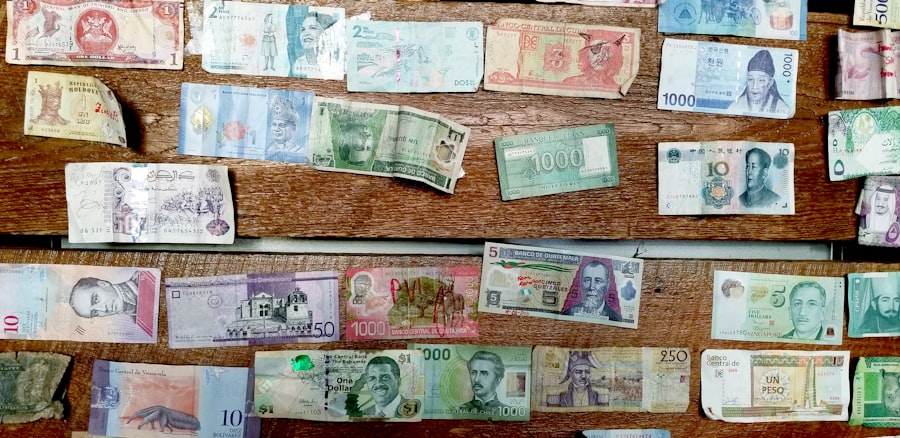
Financial institutions play a pivotal role in identifying and tracking illicit financing flows. Banks and other financial entities are often the first line of defense against money laundering and other financial crimes. They are required to implement robust anti-money laundering (AML) measures, which include customer due diligence, transaction monitoring, and reporting suspicious activities to relevant authorities.
By adhering to these regulations, financial institutions can help prevent illicit funds from entering the legitimate economy.
Advanced analytics and machine learning algorithms enable banks to analyze vast amounts of transaction data in real time, identifying patterns that may indicate illicit activity.
This proactive approach not only aids in detecting suspicious transactions but also helps institutions mitigate risks associated with regulatory penalties and reputational damage.
International Efforts to Combat Illicit Financing
| Organization | Initiative | Year Established | Key Metrics | Impact |
|---|---|---|---|---|
| Financial Action Task Force (FATF) | Recommendations on AML/CFT | 1989 | 40+ Recommendations; 200+ countries assessed | Global standards for anti-money laundering and counter-terrorist financing |
| United Nations Office on Drugs and Crime (UNODC) | Global Programme against Money Laundering | 1997 | 100+ countries supported; 50+ technical assistance projects | Capacity building and legal framework support |
| Egmont Group | Financial Intelligence Units (FIUs) Network | 1995 | 164 member FIUs; 90% information exchange increase | Enhanced international cooperation and intelligence sharing |
| World Bank | Anti-Corruption and Illicit Finance Initiatives | 2000 | 150+ projects; 1 billion+ funding allocated | Strengthened governance and transparency in developing countries |
| International Monetary Fund (IMF) | Financial Sector Assessment Program (FSAP) | 1999 | 120+ assessments; AML/CFT compliance ratings | Improved financial sector resilience and regulatory frameworks |
The fight against illicit financing is a global endeavor that requires cooperation among nations. International organizations such as the Financial Action Task Force (FATF) play a crucial role in establishing standards and promoting best practices for combating money laundering and terrorist financing. The FATF’s recommendations serve as a framework for countries to develop their own legal and regulatory measures, fostering a unified approach to tackling these issues on a global scale.
For instance, the Egmont Group facilitates cooperation among financial intelligence units (FIUs) worldwide, enabling them to share information and collaborate on investigations. These international efforts underscore the importance of a coordinated response to illicit financing, as criminals often exploit jurisdictional gaps to evade detection.
Technologies and Tools for Tracking Illicit Financing
The advent of technology has revolutionized the way illicit financing is tracked and monitored. Financial institutions are increasingly adopting sophisticated tools such as artificial intelligence (AI) and blockchain analytics to enhance their capabilities in detecting suspicious activities. AI algorithms can analyze transaction patterns at an unprecedented scale, identifying anomalies that may indicate money laundering or other illicit activities.
Blockchain technology also offers significant potential for tracking illicit financing flows. By providing a transparent and immutable ledger of transactions, blockchain can help trace the origins of funds and ensure accountability. This technology is particularly relevant in the context of cryptocurrencies, which have gained popularity among criminals due to their perceived anonymity.
By leveraging blockchain analytics, authorities can track cryptocurrency transactions and identify individuals involved in illicit activities.
Challenges in Tracking Illicit Financing Flows

Despite advancements in technology and international cooperation, tracking illicit financing flows remains fraught with challenges. One of the primary obstacles is the sheer complexity of financial systems and the methods employed by criminals to obscure their activities. Criminal organizations often use intricate networks of shell companies and offshore accounts to hide the origins of their funds, making it difficult for authorities to trace transactions back to their source.
Additionally, the rapid evolution of technology presents both opportunities and challenges for tracking illicit financing. While tools like AI and blockchain offer new ways to monitor transactions, they also enable criminals to develop more sophisticated methods for evading detection. For instance, the rise of decentralized finance (DeFi) platforms has created new avenues for illicit actors to move funds without traditional banking oversight.
As such, authorities must continuously adapt their strategies to keep pace with these evolving threats.
The Importance of Collaboration and Information Sharing
Collaboration among various stakeholders is essential for effectively tracking illicit financing flows. Financial institutions, law enforcement agencies, regulatory bodies, and international organizations must work together to share information and coordinate efforts. This collaboration enhances the ability to identify patterns of illicit activity and respond swiftly to emerging threats.
Information sharing is particularly critical in the context of cross-border investigations. Criminal networks often operate across multiple jurisdictions, complicating efforts to track their activities. By fostering partnerships between countries and facilitating the exchange of intelligence, authorities can build a more comprehensive understanding of illicit financing flows and disrupt criminal operations more effectively.
Legal and Regulatory Frameworks for Tracking Illicit Financing
A robust legal and regulatory framework is fundamental for tracking illicit financing flows effectively. Countries must establish clear laws that define money laundering and related offenses while also outlining the responsibilities of financial institutions in preventing these crimes. Compliance with international standards set by organizations like the FATF is crucial for ensuring that national frameworks align with global best practices.
Moreover, regulatory bodies must be empowered to enforce these laws effectively. This includes conducting regular audits of financial institutions, imposing penalties for non-compliance, and providing guidance on emerging threats in the realm of illicit financing. A strong legal framework not only deters criminal activity but also fosters confidence among businesses and investors in the integrity of the financial system.
The Role of Non-Governmental Organizations in Tracking Illicit Financing
Non-governmental organizations (NGOs) play a vital role in tracking illicit financing flows by raising awareness about the issue and advocating for stronger measures to combat it. Many NGOs focus on specific aspects of illicit financing, such as human trafficking or corruption, conducting research and disseminating information that informs policymakers and the public about the scale and impact of these crimes. Additionally, NGOs often collaborate with governments and international organizations to develop strategies for addressing illicit financing.
Their grassroots knowledge and expertise can provide valuable insights into local contexts, helping authorities design more effective interventions. By engaging with communities affected by illicit financing, NGOs contribute to a more comprehensive understanding of the issue and promote accountability among those involved in financial crime.
Case Studies of Successful Tracking of Illicit Financing Flows
Examining case studies of successful tracking efforts can provide valuable lessons for combating illicit financing flows. One notable example is the investigation into the Malaysian 1MDB scandal, which involved billions of dollars embezzled from a state investment fund. Through international cooperation among law enforcement agencies from multiple countries, investigators were able to trace the flow of funds across various jurisdictions, leading to significant arrests and asset recoveries.
Another example is the use of blockchain analytics in tracking cryptocurrency transactions linked to ransomware attacks. Law enforcement agencies have successfully identified perpetrators by analyzing transaction patterns on blockchain networks, leading to arrests and recoveries of stolen funds. These case studies highlight the importance of collaboration, technology, and persistence in addressing complex issues related to illicit financing.
The Future of Tracking Illicit Financing: Emerging Trends and Strategies
As the landscape of illicit financing continues to evolve, so too must the strategies employed to track it. Emerging trends indicate a growing reliance on advanced technologies such as machine learning and data analytics to enhance detection capabilities. Financial institutions are increasingly investing in these technologies to stay ahead of criminals who are constantly adapting their methods.
Furthermore, there is a rising emphasis on public-private partnerships in combating illicit financing. By fostering collaboration between government agencies and private sector entities, stakeholders can leverage each other’s strengths to develop more effective tracking mechanisms. As new challenges arise—such as those posed by digital currencies—these partnerships will be crucial for ensuring that efforts to combat illicit financing remain robust and responsive.
In conclusion, tracking illicit financing flows is a complex but essential endeavor that requires a multifaceted approach involving various stakeholders at local, national, and international levels. By understanding the mechanisms behind these flows, leveraging technology, fostering collaboration, and establishing strong legal frameworks, society can work towards mitigating the impact of illicit financing on the global economy while promoting transparency and accountability within financial systems.
Tracking illicit financing flows is a critical aspect of combating global crime and terrorism. For a deeper understanding of the strategies and challenges involved in this area, you can read a related article on this topic at In the War Room. This resource provides valuable insights into the mechanisms of illicit finance and the efforts being made to address these issues effectively.
WATCH THIS! The Shadow Spies: How Private Intel Agencies Took Over Global Conflict
FAQs
What is illicit financing?
Illicit financing refers to the movement of money that is obtained through illegal activities such as drug trafficking, terrorism, corruption, fraud, and money laundering. These funds are often used to support further criminal activities.
Why is tracking illicit financing flows important?
Tracking illicit financing flows is crucial for preventing and combating criminal activities, terrorism, and corruption. It helps law enforcement agencies identify and disrupt illegal networks, recover stolen assets, and maintain the integrity of the financial system.
What methods are used to track illicit financing flows?
Common methods include financial intelligence analysis, monitoring suspicious transactions, using advanced data analytics and artificial intelligence, international cooperation, and regulatory compliance measures such as Know Your Customer (KYC) and Anti-Money Laundering (AML) protocols.
Who is responsible for tracking illicit financing?
Multiple entities are involved, including financial institutions, regulatory bodies, law enforcement agencies, international organizations, and specialized financial intelligence units (FIUs).
What challenges exist in tracking illicit financing flows?
Challenges include the use of complex financial instruments, cross-border transactions, lack of transparency, limited international cooperation, and the use of emerging technologies like cryptocurrencies that can obscure the origin and destination of funds.
How do international organizations contribute to tracking illicit financing?
Organizations such as the Financial Action Task Force (FATF), the United Nations, and the International Monetary Fund (IMF) set global standards, facilitate information sharing, and provide technical assistance to countries to strengthen their capabilities in tracking and combating illicit financing.
What role do financial institutions play in preventing illicit financing?
Financial institutions are required to implement AML and KYC procedures to detect and report suspicious activities. They act as the first line of defense by monitoring transactions and cooperating with authorities to prevent the misuse of the financial system.
Can technology help in tracking illicit financing flows?
Yes, technology such as machine learning, blockchain analytics, and big data analysis enhances the ability to detect patterns, identify suspicious transactions, and trace the movement of illicit funds more effectively and efficiently.
What are the legal consequences of engaging in illicit financing?
Individuals and entities involved in illicit financing can face severe penalties including fines, asset forfeiture, imprisonment, and reputational damage. Laws vary by jurisdiction but generally impose strict sanctions to deter such activities.
How can individuals and businesses protect themselves from being involved in illicit financing?
By conducting due diligence, adhering to regulatory requirements, implementing robust compliance programs, and staying informed about the risks and red flags associated with illicit financing, individuals and businesses can reduce their exposure to illegal financial activities.