The realm of special operations is a landscape of intricate planning, precise execution, and, critically, the deployment of highly specialized tools. Among these, aircraft stand out as vital arteries, enabling rapid insertion, extraction, and support in environments where conventional forces might falter. These are not your everyday passenger jets; they are meticulously engineered machines designed for survivability, speed, stealth, and the ability to operate in the most challenging conditions. For high-performance tactical missions, a select few aircraft rise to prominence, each boasting unique capabilities that make them indispensable to elite units worldwide.
Masters of the Night and Stealthy Infiltration
The ability to operate unseen and unheard is paramount for special operations forces (SOF) tasked with deep penetration into enemy territory or conducting clandestine reconnaissance. These missions often unfold under the cloak of darkness, demanding aircraft that can minimize their acoustic and visual signatures. The success or failure of such operations can hinge on the ability of the airframe to blend into the environment and avoid detection by advanced radar and infrared systems.
The Ghost in the Sky: The MH-60 Black Hawk Family
While perhaps not possessing the outright stealth of dedicated, purpose-built airframes, the Sikorsky MH-60 Black Hawk, in its various special operations configurations (MH-60A/K/L/M), represents an evolutionary leap in rotorcraft capability. Its adaptability and extensive upgrade packages have cemented its status as a workhorse for SOF. The MH-60 is renowned for its ability to perform complex missions, from inserting small teams via fast rope or rappel to providing direct fire support. Its relatively compact size allows access to austere landing zones and close-quarters operations.
The evolution of the Black Hawk for special operations has focused on enhancing survivability and mission effectiveness. This includes the integration of advanced electronic warfare systems to detect and counter missile threats, improved navigation and communication suites for enhanced situational awareness, and strengthened airframes to withstand potential combat damage. Furthermore, the ability to carry specialized mission equipment, such as additional fuel tanks for extended range or miniguns and rockets for offensive capabilities, makes it a versatile platform. The inherent robustness and proven track record of the Black Hawk platform, combined with these specialized modifications, make it a formidable asset for a wide array of tactical scenarios. Its reliability and the extensive training infrastructure surrounding it ensure that SOF operators can depend on it in the most demanding situations.
The Silent Rotary Wing: The MH-47 Chinook’s Special Role
The Boeing MH-47 Chinook, particularly the MH-47G variant, is the heavy-lift champion of special operations. While larger than the MH-60, it carries its weight with remarkable agility for its size, allowing for the insertion and extraction of larger SOF elements, their equipment, and even light vehicles. Its extended range, achieved through in-flight refueling capabilities, enables operations far beyond the reach of unrefueled helicopters.
The MH-47G is a testament to technological integration. It boasts sophisticated navigation systems, including terrain-following radar and GPS, allowing for low-level, high-speed flight in adverse weather and darkness. Its advanced defensive suites provide protection against a spectrum of threats. Crucially, the MH-47G’s ability to carry an array of specialized equipment, including weapon systems, medical facilities, and communications gear, transforms it into a mobile command post or a vital support platform for prolonged operations. The twin-rotor design also contributes to its stability and payload capacity, making it ideal for missions requiring the transport of heavier gear or personnel contingally. Its operational footprint is significant, and its presence can shift the balance of a tactical engagement by providing critical logistical and combat support where it is needed most.
The Night Stalker: The MH-6 Little Bird’s Precision Strike
The MH-6 Little Bird, affectionately known as the “Little Bird,” is a unique and highly specialized rotorcraft operated by SOF, notably the US Army’s 160th Special Operations Aviation Regiment (SOAR). Its diminutive size, coupled with its incredible agility and speed, allows it to operate in confined areas and execute precision insertions and extractions with unparalleled finesse. Often operating in pairs, these helicopters can provide direct fire support with their mounted machine guns, clearing the way for ground forces or engaging targets with surgical accuracy.
The “Little Bird” is not designed for brute force or heavy lift; its strength lies in its maneuverability and its ability to get in and out of tight spots unnoticed. The pilots are highly skilled, capable of flying at extremely low altitudes and performing complex aerial maneuvers. These characteristics make it an ideal platform for reconnaissance, direct action missions, and personnel recovery in extremely challenging environments. Its small radar cross-section and low acoustic signature further enhance its stealth capabilities, allowing it to operate with a reduced risk of detection. While it carries a small crew and a limited number of passengers, the impact of its presence on a mission can be disproportionately large, providing a critical edge in time-sensitive operations.
Special operations aircraft play a crucial role in modern military operations, providing versatility and advanced capabilities for various missions. For those interested in exploring this topic further, a related article can be found at this link, which delves into the intricacies of special operations and the aircraft that support them. This resource offers insights into the technology, strategies, and real-world applications of these specialized aircraft in combat scenarios.
The Supersonic Enforcers: Speed and Lethality Redefined
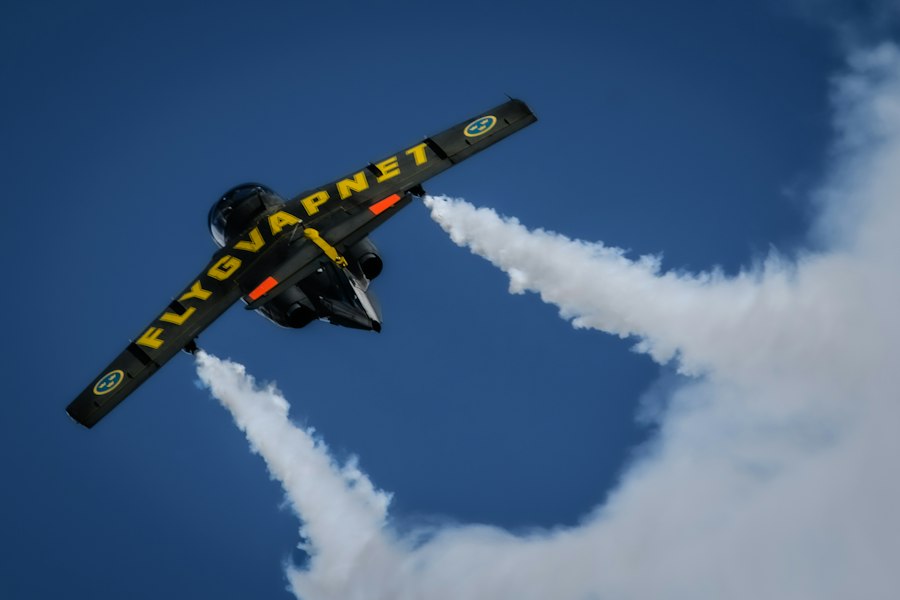
While stealth and precision insertion are vital, some special operations missions demand overwhelming speed, power, and the ability to strike targets with devastating effect before adversaries can react. These scenarios call for aircraft that can deliver ordnance or specialized personnel rapidly across vast distances, often at supersonic speeds, overwhelming defenses through sheer velocity and destructive potential.
The King of the High and Fast: The AC-130 Gunship’s Firepower
The Lockheed Martin AC-130 gunship, in its various iterations (e.g., AC-130J Ghostrider), is a legend in special operations lore. This heavily armed fixed-wing aircraft is a flying fortress, equipped with a formidable array of cannons and howitzers capable of delivering precise, devastating firepower onto ground targets. Its extended loiter time, achieved through its fixed-wing design and efficient engines, allows it to provide persistent close air support and interdiction for extended periods.
The AC-130’s true strength lies in its sensor suite and its ability to identify and track targets with incredible accuracy. Equipped with advanced infrared, radar, and electro-optical sensors, it can operate effectively in all weather conditions and at night. The crew of the AC-130, comprising pilots, sensor operators, and fire control officers, works in concert to ensure that the right weapon is used against the right target at the right time. The aircraft can employ a variety of munitions, from precision-guided bombs to chain guns and howitzers, offering a flexible and overwhelming response to evolving battlefield situations. Its ability to provide constant overwatch and engage targets with overwhelming force makes it an invaluable asset for protecting ground forces and neutralizing enemy strongholds.
The Nimble Hunter: The MC-130 Talon and Combat Spearhead
The Lockheed Martin MC-130 Talon (MC-130E/H) and its successor, the MC-130J Commando II, are multi-mission transport aircraft specifically modified for special operations. While not directly armed for combat in the same way as the AC-130, these aircraft are crucial for the infiltration and exfiltration of SOF, aerial refueling of other aircraft, and deep penetration missions. Their ability to operate at low altitudes and in challenging weather conditions, combined with their advanced navigation systems and electronic countermeasures, makes them indispensable for clandestine operations.
The MC-130J, in particular, represents a significant upgrade, featuring enhanced engines for greater speed and range, a modernized cockpit, and improved survivability systems. It is capable of performing a wide range of missions, including dropping off and picking up special forces teams, resupplying remote outposts, and conducting combat search and rescue operations. The “Combat Spearhead” designation reflects its role in leading formations and providing critical support to other aircraft during complex operations. Its robust airframe and sophisticated avionics allow it to operate in contested airspace, providing a vital link between SOF units and their support infrastructure.
The Agile Infiltrators: Small Footprints, Big Impact
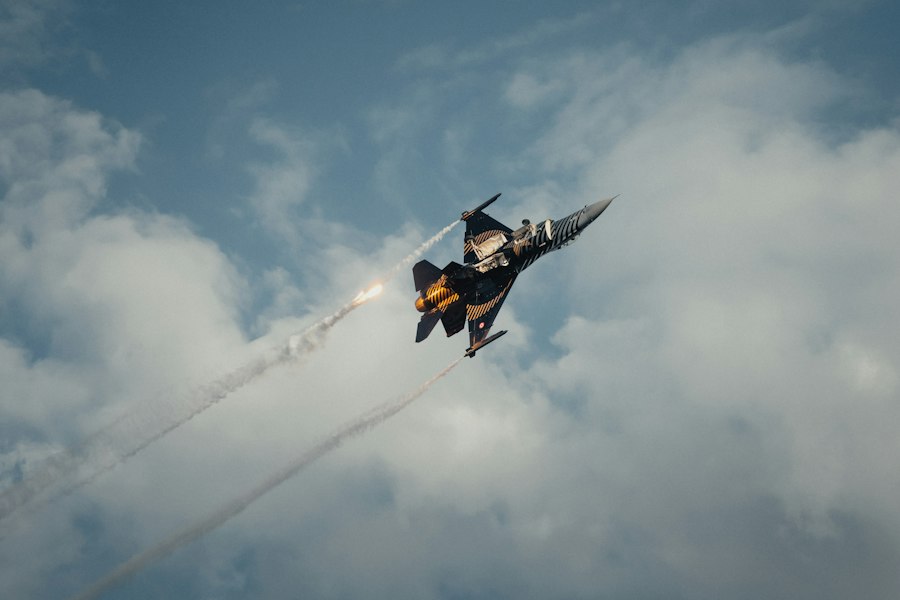
Some special operations missions require aircraft that can access extremely remote or confined areas, often far from established airfields. These missions necessitate highly maneuverable, compact aircraft that can land and take off from unimpeded terrain or even hover for short periods to deploy or retrieve personnel and equipment.
The Versatile Workhorse: The UH-60 Black Hawk’s Versatility Extended
Beyond its role as a stealthy infiltrator, the standard UH-60 Black Hawk serves as a fundamental platform for numerous special operations tasks. Its adaptability allows for a multitude of configurations, from troop transport to medevac and command and control roles. Its proven reliability and widespread operational experience make it a go-to choice for a variety of tactical scenarios where speed and payload are essential.
The UH-60’s ability to operate in diverse environments, from dense jungles to arid deserts, underscores its versatility. With modifications such as increased fuel capacity, enhanced navigation systems, and robust defensive measures, it can undertake extended missions and operate with a higher degree of survivability in hostile territories. The development of specialized variants, like those with advanced electronic warfare suites, further enhances its utility for SOF operations. The familiarity of SOF personnel with the Black Hawk platform, coupled with its widespread availability and support network, ensures its continued prominence in special operations aviation.
The Unseen Wings: The MQ-9 Reaper’s Persistent Surveillance and Strike
While primarily known as an unmanned aerial vehicle (UAV) for intelligence, surveillance, and reconnaissance (ISR) and armed reconnaissance, the General Atomics MQ-9 Reaper has also found a significant role in special operations. Its ability to loiter over target areas for extended periods, coupled with its sophisticated sensor package and precision-strike capabilities, allows it to provide persistent overwatch and engage high-value targets with minimal risk to friendly forces.
The MQ-9’s long endurance and ability to operate at high altitudes enable it to cover vast areas and provide crucial intelligence to ground commanders. When armed with precision-guided munitions, it can conduct surgical strikes against enemy combatants or infrastructure, effectively neutralizing threats without the need for manned aircraft. The tactical advantage it offers lies in its ability to provide eyes on the target for extended durations, gather real-time intelligence, and respond rapidly to emerging threats. Its increasing integration into SOF operations highlights the growing importance of unmanned systems in modern warfare, offering a cost-effective and highly capable solution for a range of tactical missions.
The Emerging Frontiers: Innovation and Future Capabilities
The landscape of special operations is in constant flux, driven by evolving threats and the relentless pursuit of technological advancement. The aircraft that support these missions are no exception, with continuous development focused on enhancing existing capabilities and pioneering entirely new operational paradigms.
The Stealthy Next Generation: Advanced Rotary and Fixed-Wing Concepts
Future special operations aircraft are likely to embrace even more advanced stealth technologies, aiming for near-undetectability across the electromagnetic spectrum. This could involve novel airframe designs, advanced radar-absorbent materials, and sophisticated electronic warfare suites that can actively counter enemy detection systems. Furthermore, the integration of artificial intelligence (AI) into flight control and mission planning systems will likely enhance operational efficiency and reduce pilot workload.
The development of hypersonic or near-hypersonic aircraft for special operations is also a significant area of research. Such platforms could drastically reduce transit times to distant operational areas, enabling rapid deployment and response to emerging threats across continents. The challenge lies in developing airframes and propulsion systems capable of withstanding the extreme conditions of high-speed flight while also providing the necessary payload and operational flexibility for SOF missions. The convergence of advanced aerodynamics, materials science, and propulsion technology holds the promise of truly revolutionary capabilities for the special operator of the future.
The Evolving Role of Unmanned Systems
The trend towards unmanned and optionally manned aircraft is set to accelerate in special operations. UAVs are becoming increasingly sophisticated, capable of performing complex ISR missions, electronic warfare, and even direct combat roles with greater autonomy. The concept of “loyal wingman” aircraft, where a manned platform controls a swarm of smaller, unmanned drones, is also gaining traction. These drones could act as scouts, decoys, or even strike elements, extending the reach and survivability of manned aircraft.
The integration of AI-powered decision-making into these unmanned systems will allow them to operate more independently, adapt to changing battlefield conditions, and coordinate complex operations with minimal human intervention. This shift towards unmanned capabilities not only enhances operational effectiveness but also reduces the risk to human pilots and aircrews in high-threat environments. The future of special operations aviation is undeniably intertwined with the continued evolution and integration of these advanced unmanned platforms.
Special operations aircraft play a crucial role in modern military operations, providing unique capabilities that enhance mission success. For those interested in exploring this topic further, a related article can be found at In the War Room, where the intricacies of these specialized aircraft are discussed in detail. Understanding the technology and strategies behind these operations can provide valuable insights into their effectiveness in various combat scenarios.
The Foundation of Success: Training and Interoperability
| Metric | Value | Unit | Description |
|---|---|---|---|
| Maximum Speed | 450 | knots | Top operational speed of the Credible Sport aircraft |
| Range | 1,200 | nautical miles | Maximum distance the aircraft can travel without refueling |
| Payload Capacity | 15,000 | pounds | Maximum weight of troops and equipment carried |
| Takeoff Distance | 300 | feet | Minimum runway length required for takeoff |
| Landing Distance | 350 | feet | Minimum runway length required for landing |
| Crew | 5 | persons | Number of crew members required to operate the aircraft |
| Special Features | Rocket-assisted takeoff and landing | N/A | Unique capability enabling short runway operations |
The most advanced aircraft in the world are rendered ineffective without highly trained crews and seamless integration with ground forces. Special operations aviation demands a level of proficiency and coordination that is unmatched in conventional military operations.
The Elite Aviators: Rigorous Training Regimes
The pilots, aircrew, and maintenance personnel who operate and maintain special operations aircraft undergo some of the most demanding training in the military. This includes extensive instruction in advanced flight techniques, low-level navigation in hostile terrain, night operations, and the use of specialized mission equipment. For rotorcraft crews, this often involves mastering techniques such as fast-roping, rappelling, and precision hover operations under extreme conditions.
The emphasis on realism in training is paramount. SOF aviation units frequently conduct joint exercises with their ground counterparts, simulating real-world scenarios to hone their skills and ensure seamless interoperability. This includes practicing complex insertion and extraction techniques, coordinated fire support missions, and contingency operations. The constant pursuit of improvement and adaptation to new threats and technologies is a hallmark of special operations aviation training.
The Connected Battlefield: Seamless Integration and Communication
Effective special operations missions rely heavily on the ability of air and ground assets to communicate and coordinate seamlessly. This requires robust and secure communication systems that can operate in contested electromagnetic environments. The integration of advanced data links and networked capabilities allows for real-time sharing of intelligence and situational awareness between aircraft, ground units, and command centers.
The ability for an aircraft to act as a communication relay, a mobile command post, or a sensor node that feeds information directly to ground forces is crucial. Modern special operations aircraft are equipped with sophisticated avionics and communication suites designed to achieve this level of interoperability. The focus is on creating a unified operational picture, ensuring that all elements of the special operations team are working in concert towards a common objective, with the aircraft acting as a vital, integrated component of that mission.
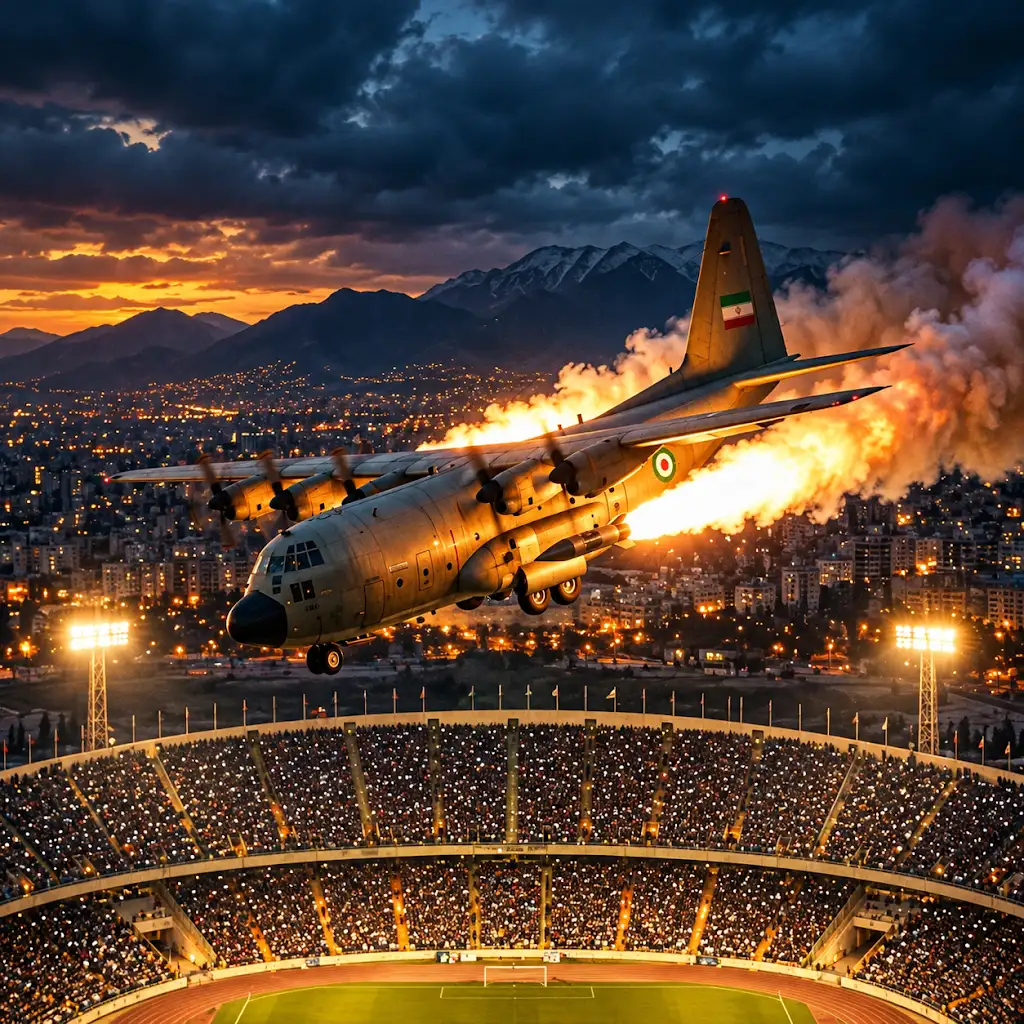
The Secret Plane Built to Land Inside a Stadium
FAQs
What are special operations aircraft?
Special operations aircraft are military aircraft specifically designed and equipped for conducting special operations missions, such as infiltration, exfiltration, reconnaissance, and close air support.
What makes special operations aircraft different from conventional aircraft?
Special operations aircraft are typically modified versions of existing aircraft models, with enhancements such as advanced avionics, stealth capabilities, aerial refueling capability, and specialized equipment for conducting covert missions.
What are some examples of special operations aircraft used by military forces?
Examples of special operations aircraft include the MC-130J Commando II, AC-130J Ghostrider, CV-22 Osprey, and the MH-60 Black Hawk. These aircraft are used by various special operations forces around the world for a wide range of missions.
How do special operations aircraft support special operations forces on the ground?
Special operations aircraft provide critical support to special operations forces by conducting precision strikes, providing intelligence, surveillance, and reconnaissance (ISR), inserting and extracting personnel from hostile environments, and conducting medical evacuations when needed.
What are some key characteristics that make special operations aircraft credible for sport missions?
Special operations aircraft are designed to be versatile, agile, and capable of operating in challenging environments. They are equipped with advanced technology, have long endurance capabilities, and can be rapidly deployed to support special operations forces during high-intensity missions.