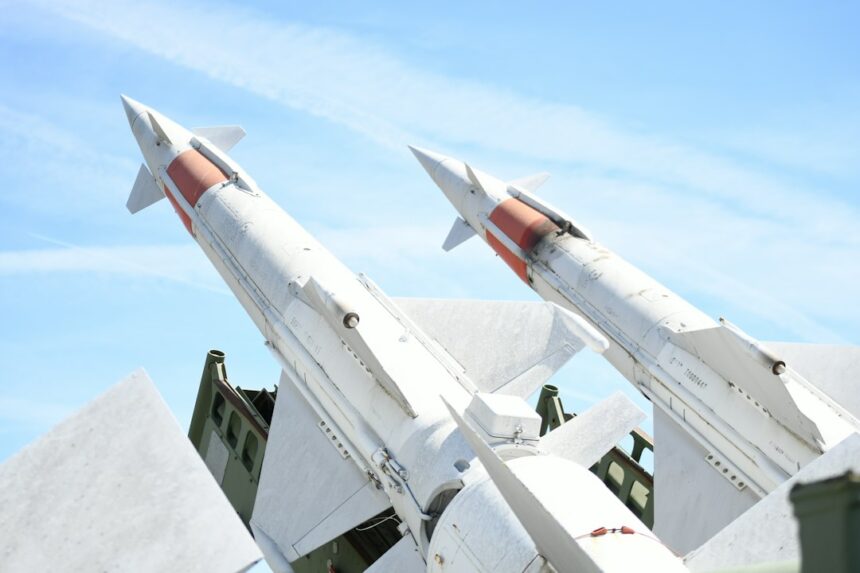
The shadow of the Titan II missile loomed large over the Cold War landscape, a colossal testament to humanity’s capacity for both technological prowess and profound vulnerability. While its operational history is often viewed through the lens of strategic deterrence, the story of its maintenance is a stark reminder of the inherent risks associated with handling such potent weapons and the devastating consequences of human error and systemic oversight. The Titan II Missile Maintenance Disaster is not a single, isolated event, but rather a confluence of incidents and a cumulative understanding of the challenges that arose from the constant, complex upkeep of these giants. This article delves into the critical lessons learned from the maintenance of the Titan II, emphasizing the human element, the technological complexities, and the vital importance of a robust safety culture.
The Titan II intercontinental ballistic missile (ICBM) was a marvel of engineering for its time, designed to deliver a single, immensely powerful nuclear warhead thousands of miles. However, this power was inherently tied to immense volatility, a fact that became acutely apparent during its operational lifespan. The missile’s fuel system, in particular, presented a constant and significant danger, demanding meticulous and unwavering attention from the personnel tasked with its maintenance.
Propellant Systems: A Recipe for Disaster
The Titan II utilized a hypergolic propellant system, meaning its two components – unsymmetrical dimethylhydrazine (UDMH) and nitrogen tetroxide (NTO) – ignited spontaneously upon contact. This eliminated the need for a complex ignition system but introduced a new and formidable hazard. UDMH is highly toxic and flammable, while NTO is a potent oxidizer, both corrosive and dangerous. The slightest leak or uncontrolled mixing could result in explosions, fires, and the release of toxic fumes, with catastrophic potential given the nuclear warhead housed atop the missile.
The Inherently Dangerous Nature of Hypergolic Fuels
The very design that offered a simplified launch sequence also amplified the inherent risks. Unlike conventional rocket fuels that require an ignition spark, hypergolic fuels reacted on contact. This meant that any unintended contact between the fuel and oxidizer, even in small quantities, could trigger a violent reaction. The handling of these propellants required specialized equipment, strict containment protocols, and highly trained personnel, yet the sheer scale of the operation and the constant need for fueling and defueling operations created numerous opportunities for accidents.
The Challenge of Containment and Transfer
Moving vast quantities of UDMH and NTO between storage tanks, transport vehicles, and the missile itself was a complex and dangerous undertaking. The systems involved, including intricate plumbing, valves, and pumps, were prone to wear and tear. Seals could degrade, connections could loosen, and a single faulty valve could lead to a significant leak. The sheer pressure involved in these systems further exacerbated the risk of uncontrolled release.
The Nuclear Payload: A Constant Threat
Beyond the volatile fuel, the presence of a nuclear warhead added another layer of peril. While designed to be incredibly stable under normal conditions, any catastrophic event involving the missile’s propellant systems could potentially compromise the warhead’s integrity. While a full nuclear detonation from a propellant-induced accident was deemed highly improbable due to safety mechanisms, the risk of a radioactive release or a less potent, but still devastating, explosion was a constant concern.
Safety Mechanisms: A Double-Edged Sword
The warheads themselves were equipped with sophisticated safety and arming mechanisms designed to prevent accidental detonation. However, the very complexity of these systems meant that improper maintenance or accidental damage during maintenance could theoretically compromise these safeguards. The interplay between the volatile fuel and the sensitive nuclear payload created a high-stakes environment where every action was critical.
The Psychological Burden on Maintenance Crews
The constant awareness of the destructive power they were working with undoubtedly placed an immense psychological burden on the maintenance crews. They were tasked with the delicate balance of ensuring the missile was ready for combat while simultaneously preventing a disaster of unimaginable proportions from occurring within their own base. This stress, coupled with the inherent dangers of the task, highlighted the need for exceptional training, support, and oversight.
The Titan II missile maintenance disaster serves as a stark reminder of the potential consequences of inadequate safety protocols in military operations. For a deeper understanding of the complexities surrounding missile maintenance and the implications of such incidents, you can refer to a related article that explores the historical context and lessons learned from this event. To read more about it, visit this article.
The Human Factor: Errors, Training, and the Weight of Responsibility
The history of the Titan II maintenance is inextricably linked to the actions, or inactions, of the individuals involved. While technological failures played a role, human error, stemming from insufficient training, fatigue, or a lapse in judgment, was often the catalyst for critical incidents. Understanding these human elements is paramount to learning from the past.
Training Deficiencies: A Foundation of Risk
The rigorous training required to maintain complex military systems is a cornerstone of operational readiness. For the Titan II, however, the depth and breadth of this training, particularly concerning the handling of hazardous materials and emergency procedures, sometimes fell short. This was not necessarily a reflection of a lack of effort but could be attributed to the rapid pace of technological development, the sheer volume of personnel needing training, and the inherent complexities of the systems themselves.
Inadequate Exposure to Real-World Scenarios
Theoretical training, while essential, often struggles to replicate the high-pressure, real-world scenarios that maintenance personnel would encounter. Without sufficient hands-on experience with simulated emergencies or a comprehensive understanding of the subtle indicators of potential problems, individuals might be ill-equipped to react effectively when something goes wrong. This was particularly critical with hypergolic fuels, where the signs of a leak could be subtle but the consequences immediate and severe.
The Evolution of Training Protocols
The lessons learned from near misses and actual incidents eventually led to improvements in training protocols. These often included more extensive simulations, hands-on practice with safety equipment, and a greater emphasis on recognizing and reporting anomalies. The goal was to build muscle memory and instinctive responses that would override panic in a crisis.
The Impact of Fatigue and Stress
The demanding nature of military service, coupled with the constant threat and the critical responsibility of maintaining nuclear weapons, could lead to significant fatigue and stress among maintenance crews. Long hours, shift work, and the ever-present danger could impair judgment and increase the likelihood of errors. The psychological toll of working with such destructive power cannot be overstated and demanded proactive measures to support personnel well-being.
The Cumulative Effect of Long Hours and High-Stakes Tasks
Maintaining a Titan II was not a passive activity. It involved continuous inspections, scheduled maintenance, and emergency responses. This often translated into extended work hours and a relentless pace. The combination of physical and mental exertion, when dealing with volatile chemicals and a nuclear payload, created a fertile ground for mistakes.
The Importance of Rest and Psychological Support
Recognizing the impact of fatigue and stress became crucial. This led to a greater emphasis on ensuring adequate rest periods, implementing robust mental health support programs, and fostering a command climate that encouraged reporting of fatigue or stress without fear of reprisal.
Communication Breakdowns: A Chain of Failure
Effective communication is the lifeblood of any complex operation, especially one involving high-risk maintenance. In the context of the Titan II, breakdowns in communication, whether between team members, supervisors, or different units, could have dire consequences, leading to misunderstandings, missed information, and ultimately, accidents.
The Chain of Command and Information Flow
The hierarchical structure of the military is designed to ensure clear lines of authority and information flow. However, during maintenance operations, the intricate nature of the tasks and the specialized knowledge required could sometimes lead to information being filtered or lost as it moved up or down the chain of command. This was particularly dangerous when reporting critical technical issues or safety concerns.
The Need for Clear, Concise, and Timely Reporting
The incidents involving the Titan II underscored the necessity for clear, concise, and timely reporting of any unusual findings or potential hazards. This meant not only documenting observations but also ensuring that this information reached the appropriate decision-makers promptly. Mechanisms for direct reporting from the ground level to higher authorities, bypassing layers of bureaucracy in critical situations, were often explored and implemented.
Systemic Failures and Technological Shortcomings
While human error is often the immediate cause of accidents, systemic issues and technological shortcomings can create the environment in which these errors are more likely to occur and have more severe consequences. The maintenance of the Titan II was not immune to these broader challenges.
Design Flaws and Obsolescence
As with any aging technology, the Titan II system, initially conceived in the late 1950s and early 1960s, began to exhibit signs of obsolescence and potential design flaws as it was maintained and operated for decades. Components wore out, and the original design might not have anticipated all the challenges of long-term operation in a demanding environment.
The Challenge of Maintaining Legacy Systems
The Titan II was a product of its era. The materials, manufacturing processes, and diagnostic tools available then were different from what would be considered state-of-the-art later. Maintaining these legacy systems required a deep understanding of their original design while also adapting to modern maintenance practices and identifying where original components might be failing due to age or stress.
Obsolescence of Replacement Parts and Documentation
As the system aged, the availability of original replacement parts became a significant challenge. Manufacturers might no longer be in business, or production lines might have been long dismantled. This often led to the use of refurbished parts, custom fabrication, or the cannibalization of other systems, all of which introduced new potential failure points. Similarly, aging documentation might become outdated or incomplete, further complicating maintenance efforts.
Inadequate Diagnostic and Monitoring Capabilities
The ability to accurately diagnose problems and monitor the health of a complex system like the Titan II was crucial for proactive maintenance. In the early days of its deployment, diagnostic tools might have been less sophisticated than what is commonplace today. This meant that some issues might have gone undetected until they reached a critical stage, leading to emergency repairs rather than planned interventions.
The Evolution of Maintenance Technology
Over time, advancements in diagnostic equipment, sensor technology, and data analysis began to offer better insights into the health of complex machinery. The application of these advancements to the Titan II program, even in its later years, could have provided a valuable layer of foresight.
The Difficulty of Real-Time Monitoring
Given the remote locations of the silos and the sensitive nature of the systems, real-time monitoring capabilities were often limited. This meant that maintenance crews relied heavily on scheduled inspections and direct observation, which inherently had a higher risk of missing subtle, developing issues.
The “Normalization of Deviance”: A Subtle Danger
A particularly insidious threat in high-risk environments is the “normalization of deviance.” This occurs when deviations from established procedures or safety protocols become so common that they are no longer perceived as deviations but as the new normal. Over time, this can erode safety margins and lead to critical oversights.
The Erosion of Strict Adherence to Protocol
When maintenance crews repeatedly perform tasks that are slightly outside of standard operating procedures without incident, there can be a gradual erosion of strict adherence. The perceived low risk of these minor deviations can lead to a complacency that is dangerous when dealing with volatile substances and nuclear warheads.
The Importance of Vigilance and Reporting Anomalies
Combating the normalization of deviance requires constant vigilance from all levels. Supervisors must actively monitor adherence to protocols, and personnel must be empowered and encouraged to report any deviation, no matter how seemingly minor, without fear of retribution. A culture that values safety above expediency is essential.
Case Studies: The Grim Lessons from Actual Incidents
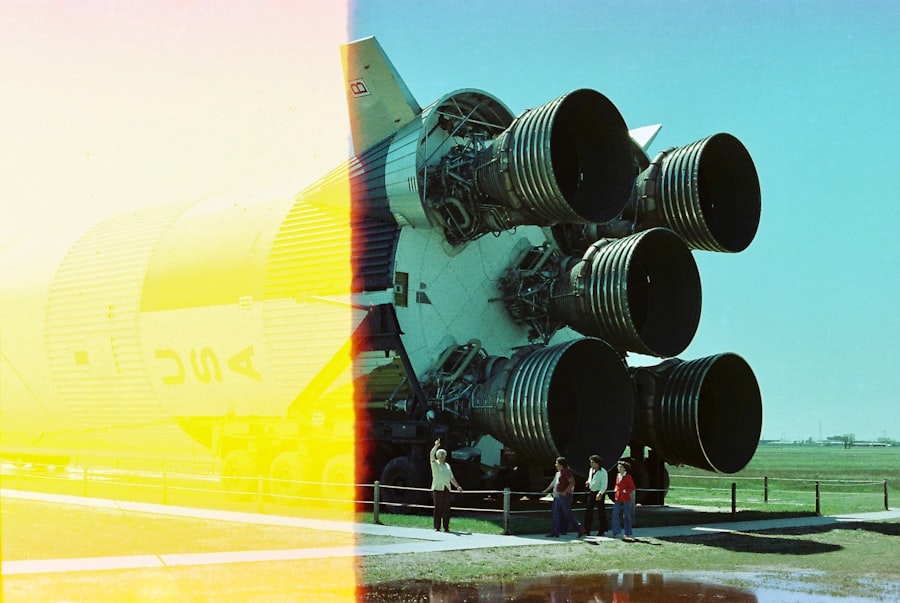
The history of the Titan II is punctuated by several significant incidents that serve as stark reminders of the dangers inherent in its maintenance. While specific details of every event are beyond the scope of this article, examining the types of incidents that occurred provides invaluable lessons.
Accidental Propellant Releases and Fires
Numerous incidents involved accidental releases of UDMH and NTO, often leading to fires and the evacuation of personnel. These events, while not resulting in nuclear detonations, highlighted the extreme volatility of the propellants and the challenges of containing them.
The Damascus Titan II Incident (1980)
Perhaps the most infamous incident occurred at a Titan II silo near Damascus, Arkansas, in September 1980. A dropped wrench during maintenance punctured a rocket fuel tank, leading to a massive leak and a subsequent explosion and fire. While the nuclear warhead separated from the missile and landed relatively intact in a crater, the incident caused significant damage to the silo and surrounding area and underscored the catastrophic potential of even a seemingly minor mechanical error. This event served as a powerful catalyst for re-evaluating safety procedures and led to a renewed focus on preventing dropped tools and ensuring proper ventilation.
Other Near Misses and Minor Incidents
Beyond the Damascus incident, there were numerous other recorded instances of propellant leaks, fires, and chemical exposures across various Titan II sites. These served as constant warnings, reinforcing the need for meticulousness and the devastating consequences of even small mistakes. Each minor incident, when analyzed, offered incremental lessons in improved containment, material handling, and emergency response.
Compromised Warhead Safety Mechanisms
While rare, concerns were raised about the potential for maintenance activities to inadvertently compromise the safety mechanisms of the nuclear warheads. These concerns were often theoretical but added another layer of anxiety to the maintenance operations.
The Interplay of Mechanical and Explosive Forces
The complex interplay between the mechanical systems of the missile and the highly controlled explosive forces within the warhead meant that any significant disruption could have unpredictable outcomes. Maintenance crews had to be acutely aware of the proximity of these systems and the potential for unintended consequences.
Redundant Safety Systems and Robust Verification
The development and implementation of increasingly redundant safety systems within the warheads themselves, coupled with rigorous verification processes during maintenance, became paramount. The goal was to create layers of protection that would prevent an accidental detonation even in the face of multiple failures.
The Titan II missile maintenance disaster serves as a stark reminder of the potential consequences of lapses in military protocol and safety measures. For a deeper understanding of the complexities surrounding missile maintenance and the implications of such incidents, you can explore a related article that delves into the historical context and technical challenges faced during that era. This insightful piece can be found at In The War Room, where it highlights the critical lessons learned from the Titan II program and its impact on modern military practices.
Implementing Change: The Enduring Legacy of Lessons Learned
| Metric | Details |
|---|---|
| Date of Incident | August 9, 1980 |
| Location | Arkansas, USA (Titan II Missile Complex 374-7) |
| Type of Incident | Fuel leak and explosion during maintenance |
| Cause | Accidental puncture of missile’s fuel tank by a dropped socket wrench |
| Number of Fatalities | 1 (Airman David Livingston) |
| Number of Injuries | 21 |
| Missile Warhead | W-53 thermonuclear warhead |
| Warhead Status Post-Incident | Did not detonate; warhead was safely recovered |
| Impact on Missile Program | Accelerated decommissioning of Titan II missile system |
| Response Time | Emergency evacuation and containment within hours |
The series of incidents and near misses associated with the Titan II program, while tragic, ultimately contributed to a profound evolution in the way complex and dangerous weapon systems are maintained. The lessons learned were not confined to the Titan II itself but had a lasting impact on military maintenance practices and the broader field of safety engineering.
The Evolution of Safety Culture
Perhaps the most significant legacy of the Titan II maintenance challenges is the indelible mark it left on the concept of “safety culture.” The realization that safety is not merely a set of rules but a deeply ingrained mindset, shared by every individual, became a critical takeaway.
From Compliance to Commitment
The emphasis shifted from mere compliance with regulations to a genuine commitment to safety at all levels. This involved fostering an environment where employees felt empowered to speak up about safety concerns without fear of reprisal and where leadership actively championed safety as a core value.
Continuous Improvement and Proactive Risk Management
The Titan II experience spurred a move towards continuous improvement in safety protocols. This involved regular reviews of procedures, analysis of incident data, and the proactive identification and mitigation of potential risks before they could manifest into accidents.
Enhanced Training and Certification Programs
The need for more rigorous and comprehensive training became undeniable. This led to the development of more sophisticated training programs, often incorporating advanced simulation technologies and stricter certification requirements for personnel working with hazardous materials and complex weapon systems.
Simulation and Hands-On Experience
The value of realistic simulations in training became widely recognized. These allowed personnel to practice critical procedures, respond to emergency scenarios, and develop instinctive reactions in a safe and controlled environment, far removed from the actual risks of a live system.
Standardized Certification and Recertification
The implementation of standardized certification and recertification programs ensured that personnel maintained the necessary skills and knowledge throughout their careers. This provided a continuous assurance that individuals working on these critical systems were competent and up-to-date.
Technological Advancements in Safety and Diagnostics
The challenges encountered with the Titan II also spurred advancements in safety and diagnostic technologies. The need for better monitoring and early detection of problems drove innovation in sensor technology, data analysis, and remote monitoring capabilities.
Real-Time Monitoring and Predictive Maintenance
The ideal of real-time monitoring and predictive maintenance, where potential failures could be identified and addressed before they occurred, gained significant traction. This moved maintenance from a reactive, repair-focused approach to a proactive, preventive model.
Automation and Remote Operations
Where feasible, the push towards automation and remote operations in hazardous environments also gained momentum. This aimed to reduce the direct exposure of personnel to dangerous conditions while still ensuring the effective maintenance of critical systems.
The story of the Titan II missile maintenance disaster is not one of simple failure, but a complex narrative of human ingenuity, technological limitations, and the constant struggle to manage immense power. The lessons learned, etched in the experiences of the brave individuals who maintained these systems and the unfortunate incidents that transpired, continue to inform and shape the safety practices employed in military and civilian applications today. The enduring legacy of the Titan II is a powerful reminder that while technological advancement is crucial, the human element, coupled with an unwavering commitment to safety, remains the ultimate safeguard against catastrophe.
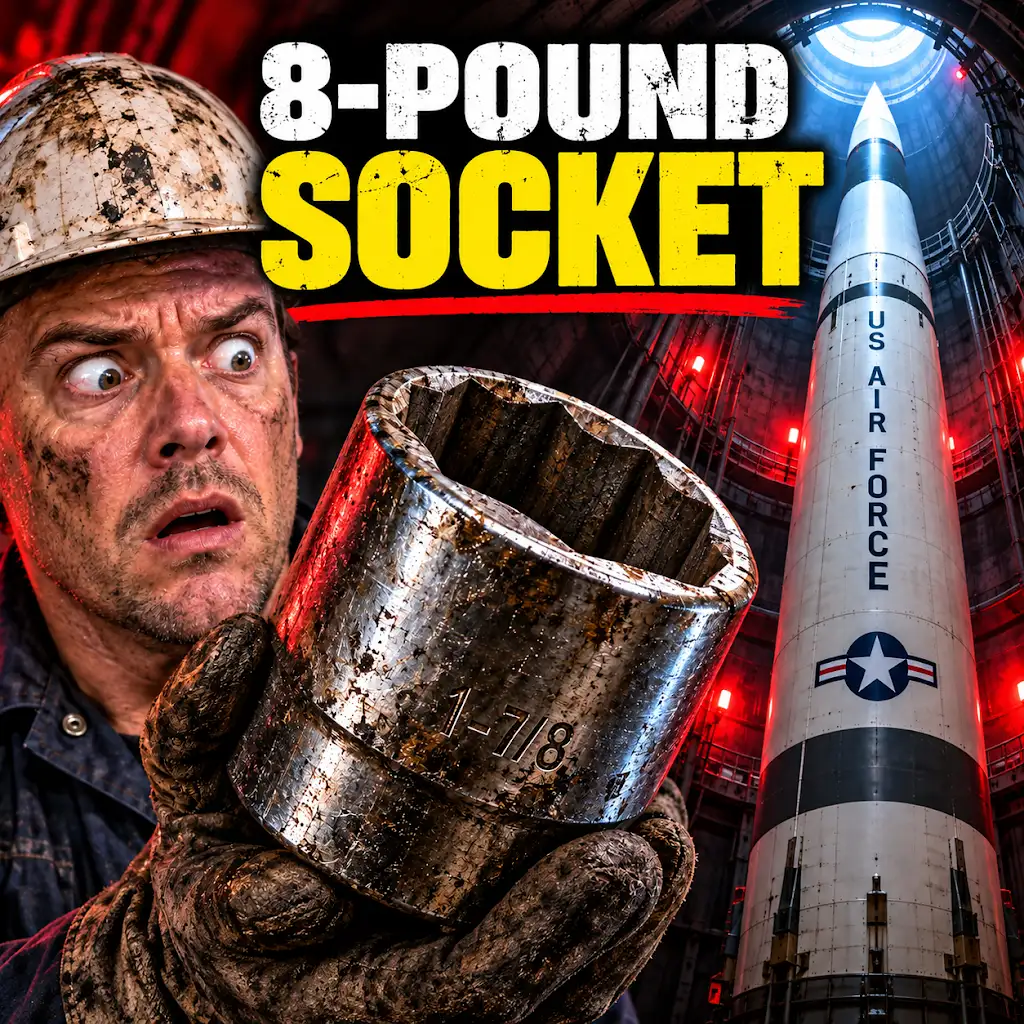
How a Dropped Socket Destroyed a Titan II Missile
FAQs
What is the Titan II missile maintenance disaster?
The Titan II missile maintenance disaster refers to an incident that occurred on September 19, 1980, at a missile complex in Damascus, Arkansas, where a Titan II intercontinental ballistic missile exploded during a routine maintenance procedure.
What caused the Titan II missile to explode?
The explosion of the Titan II missile was caused by a worker dropping a socket wrench, which fell and punctured the missile’s fuel tank. This led to the release of highly toxic and flammable rocket fuel, resulting in the explosion.
Were there any casualties as a result of the Titan II missile maintenance disaster?
Yes, tragically, there were casualties as a result of the Titan II missile maintenance disaster. One Air Force member was killed, and 21 others were injured in the explosion.
What was the impact of the Titan II missile maintenance disaster?
The Titan II missile maintenance disaster led to the destruction of the missile complex in Damascus, Arkansas, and caused widespread concern about the safety and security of the United States’ nuclear weapons arsenal.
What measures were taken to prevent similar incidents in the future?
Following the Titan II missile maintenance disaster, the United States Air Force implemented stricter safety protocols and procedures for handling and maintaining nuclear weapons. Additionally, changes were made to improve the design and safety features of the Titan II missiles.