The Titan II missile, a behemoth of Cold War engineering and a cornerstone of American nuclear deterrence, stands as a stark testament to the inherent risks and complexities of ambitious technological endeavors. While celebrated for its strategic importance and impressive capabilities, the program was also plagued by a series of significant engineering failures, near-catastrophes, and persistent reliability issues. These shortcomings, often brushed under the rug in the name of national security and technological prestige, offer valuable lessons about the limits of human ingenuity when pushed to its extreme under immense pressure. The story of the Titan II is not just one of technological triumph, but also a cautionary tale of the unforgiving realities of complex systems, where even the most advanced designs can unravel under the weight of their own ambition.
The Titan II program emerged from the urgent need for a more potent and survivable intercontinental ballistic missile (ICBM) system during the height of the Cold War. Its predecessor, the Titan I, was a liquid-fueled missile that required extensive launch preparation and was vulnerable to pre-emptive strikes. The Titan II was envisioned as a significant upgrade, featuring a two-stage, liquid-fueled design that incorporated the groundbreaking innovation of storable propellants. This meant the missile could be fueled and kept on constant alert, dramatically reducing launch times and increasing its survivability.
The Strategic Imperative: Deterrence in a Dangerous World
The geopolitical landscape of the late 1950s and early 1960s was a powder keg. The Soviet Union was rapidly developing its own nuclear arsenal, and the United States felt an existential need to maintain a credible deterrent. The Titan II was conceived as a crucial component of this strategy, designed to deliver a devastating payload deep into enemy territory. Its immense size and powerful engines were a testament to the scale of the threat perceived and the determination to meet it head-on.
Technological Leap: Storable Propellants and the Titan II
The decision to utilize storable propellants – hypergolic fuels that ignite on contact without an external ignition source – was a revolutionary step. This eliminated the need for complex and time-consuming fueling procedures on the pad, allowing the Titan II to be launched within minutes of receiving a launch order. This agility was paramount for a system designed for rapid response in a nuclear exchange. The propellants chosen were nitrogen tetroxide (NTO) as the oxidizer and a mixture of hydrazine and unsymmetrical dimethylhydrazine (UDMH) as the fuel. While offering significant advantages, these chemicals also presented their own unique set of engineering challenges.
The Scale of the Undertaking: Mammoth Dimensions and Power
The Titan II was an enormous machine. Standing over 100 feet tall and weighing hundreds of thousands of pounds, it was one of the largest missiles ever built. Its two stages were powered by immensely powerful engines that generated millions of pounds of thrust. The first stage alone boasted two engines producing a combined thrust of 430,000 pounds, while the second stage featured a single engine with 100,000 pounds of thrust. This sheer power was necessary to loft the missile and its heavy warhead into orbit and then onto its trajectory towards the Soviet Union.
The Titan II missile, a significant part of the United States’ Cold War arsenal, experienced notable engineering failures that raised concerns about its reliability and safety. For a deeper understanding of the complexities surrounding missile engineering and the implications of such failures, you can read a related article that explores these themes in detail at In The War Room. This article delves into the challenges faced by engineers and the lessons learned from the Titan II’s operational history.
The Shadow of Failure: Recurring Problems and Near Misses
Despite its impressive design and strategic intent, the Titan II program was far from a flawless victory. Throughout its operational life, the missile was plagued by a litany of engineering flaws, operational errors, and near-catastrophic incidents. These recurring problems highlighted the inherent difficulties in managing such a complex and volatile system, especially when operating under immense pressure and with limited visibility into all potential failure points.
Fueling the Fire: The Volatile Nature of Hypergolic Propellants
The very propellants that gave the Titan II its speed and readiness also proved to be a significant source of danger. Hypergolic fuels are notoriously corrosive and toxic. Any leak or mishandling could lead to a rapid and uncontrolled chemical reaction, with potentially devastating consequences. The propellants were highly reactive and could ignite spontaneously upon contact with various substances, including air and water. This meant that even minor breaches in the missile’s integrity could escalate into serious incidents.
Leaks and Corrosion: A Constant Threat
The corrosive nature of NTO and hydrazine-based fuels meant that the missile’s tanks and plumbing systems were constantly under assault. Tiny leaks, often difficult to detect, could slowly degrade the structural integrity of the missile. Over time, these leaks could compromise seals, weaken metal components, and lead to more significant failures. The constant battle against corrosion and the need for meticulous maintenance became a defining characteristic of the Titan II program.
Toxic Hazards: A Danger to Personnel
Beyond the risk of spontaneous ignition, the propellants were also highly toxic. Exposure to NTO and UDMH fumes could cause severe respiratory damage, burns, and other serious health problems. This meant that any maintenance or fueling operation required stringent safety protocols and specialized equipment, adding another layer of complexity and risk to the program. The potential for accidental exposure was a constant concern for the personnel working with the Titan II.
The W56 Warhead: A Delicate Payload
The Titan II carried the W56 thermonuclear warhead, a weapon of immense destructive power. However, this warhead also presented its own set of engineering challenges. Its delicate internal mechanisms and the need to maintain precise alignment for reliable detonation added another layer of complexity to the overall system. Any shock or vibration during launch or flight could potentially compromise the warhead’s integrity, leading to unpredictable outcomes.
Accidental Detonation Concerns: A Nightmare Scenario
While the W56 was designed with numerous safety features, the sheer power and inherent instability of nuclear materials meant that the possibility of accidental detonation, however remote, was a constant source of anxiety. The thought of a Titan II launch going awry and detonating its nuclear payload before reaching its intended target was a scenario that haunted military planners and engineers alike.
Reliability of the Fuzing Mechanism: Critical for Mission Success
The precise timing and functioning of the warhead’s fuzing mechanism were absolutely critical for mission success. Any failure in this system would render the missile’s payload useless, or worse, lead to an unintended detonation. Ensuring the reliability of these intricate electronic and mechanical components under the extreme stresses of a missile launch was a significant engineering feat.
The Arkansas Catastrophe: A Defining Moment of Failure
The most infamous and tragic engineering failure associated with the Titan II program occurred on September 18, 1980, at missile silo 374-7 near Damascus, Arkansas. This incident, which resulted in the death of one airman and injured others, served as a stark and brutal illustration of the inherent dangers lurking within the seemingly robust missile system. It highlighted not only design flaws but also the cascading effects of minor errors in a high-stakes environment.
The Genesis of the Disaster: A Dropped Wrench
The incident began with a routine maintenance operation. An airman, working on the missile, accidentally dropped a one-pound socket wrench. The wrench fell approximately 70 feet, striking a hydraulic fluid line within the missile’s fuel system. This seemingly minor event triggered a chain reaction that would have catastrophic consequences.
Rupture of the Hydraulic Line: The Initial Breach
The impact of the wrench caused a rupture in the hydraulic line. This resulted in a leak of hydraulic fluid, which, in turn, contaminated the storable propellants within the missile. The mixture of hydraulic fluid and hypergolic propellants created an unstable chemical environment, setting the stage for a much larger problem.
Spontaneous Ignition: The Uncontrolled Reaction
The contaminated propellants, under pressure, began to react. The hypergolic nature of the fuels meant that the contamination triggered a spontaneous and uncontrolled ignition. This ignited a portion of the fuel within the missile, causing a massive explosion within the silo. The explosion was so powerful that it blew the missile’s warhead clear out of the silo, landing in a nearby field.
The Fallout: Loss of Life and Environmental Contamination
The explosion had devastating consequences. The blast killed one airman, David Powell, and injured several others. The force of the explosion also contaminated the surrounding area with highly toxic propellants and radioactive debris from the warhead. The cleanup operation was extensive and fraught with danger.
The Human Cost: Sacrifice and Injury
The loss of Master Sergeant Powell was a tragic reminder of the human toll that such engineering failures could exact. The injuries sustained by other personnel underscored the constant risks faced by those working on the front lines of nuclear deterrence. This incident brought the abstract dangers of the Titan II program into sharp, personal focus.
Environmental Cleanup: A Hazardous Undertaking
The cleanup of the Damascus silo site was a monumental and hazardous undertaking. The toxic nature of the spilled propellants and the potential for radioactive contamination required specialized teams and extensive safety precautions. The incident served as a stark reminder of the environmental consequences that could arise from a nuclear missile failure.
Systemic Flaws: Beyond Isolated Incidents
The Damascus incident, while the most dramatic, was not an isolated event. The Titan II program was riddled with systemic flaws that contributed to its overall unreliability and the constant threat of failure. These issues stemmed from a combination of design limitations, operational challenges, and the inherent difficulties of maintaining such a complex system.
The Legacy of the Titan I: Inherited Problems
The Titan II inherited some design and operational challenges from its predecessor, the Titan I. While improvements were made, some fundamental issues related to the complex plumbing and fueling systems, as well as the management of volatile propellants, persisted. This meant that the Titan II was built upon a foundation that already had known vulnerabilities.
Propellant Management: A Continuous Struggle
The management of the hypergolic propellants remained a persistent challenge throughout the Titan II’s operational life. Ensuring the purity and stability of these volatile chemicals was a constant battle. The risk of contamination, leakage, and degradation was a day-to-day concern for maintenance crews.
Plumbing and Valve Failures: Small Leaks, Big Problems
The intricate network of plumbing and valves within the Titan II was a critical component that was also prone to failure. Even small leaks could compromise the integrity of the system, leading to propellant loss, contamination, or uncontrolled reactions. The sheer number of potential leak points meant that constant vigilance and meticulous maintenance were required.
Maintenance and Operations: The Human Element
While engineering design is crucial, the human element in operating and maintaining complex systems like the Titan II cannot be overstated. The high-stress environment, the need for specialized training, and the sheer complexity of the missile created opportunities for human error, which could have cascading and catastrophic consequences.
Training and Protocol: The Importance of Rigor
The training and adherence to strict protocols by the airmen responsible for operating and maintaining the Titan II were paramount. Any lapse in concentration, any deviation from established procedures, could have dire outcomes. The constant need for vigilance in such a high-stakes environment was a significant burden on the personnel.
The Pressure Cooker Environment: Constant Vigilance
The airmen assigned to Titan II sites lived and worked under immense pressure. The knowledge that they were responsible for weapons of mass destruction, and the constant threat of activation, created a unique and demanding work environment. This pressure, combined with the inherent complexities of the system, could contribute to mistakes.
The Titan II missile, a significant part of the United States’ Cold War arsenal, experienced notable engineering failures that raised questions about its reliability and safety. For a deeper understanding of the complexities surrounding missile technology and its implications, you can explore a related article that delves into the intricacies of such engineering challenges. This insightful piece can be found here, offering a comprehensive look at the factors that contribute to both successes and failures in missile systems.
The End of an Era: Deactivation and Lessons Learned
| Metric | Value | Description |
|---|---|---|
| Incident Date | September 18, 1980 | Date of the Titan II missile explosion in Damascus, Arkansas |
| Location | Damascus, Arkansas, USA | Site of the Titan II missile silo |
| Cause of Failure | Accidental puncture of missile fuel tank | Wrench dropped during maintenance pierced the missile’s fuel tank |
| Missile Type | Titan II ICBM | Intercontinental ballistic missile with liquid fuel |
| Warhead Yield | 9 Megatons | Thermonuclear warhead carried by the missile |
| Casualties | 1 fatality | One airman killed during the incident |
| Explosion Type | Fuel explosion | Explosion caused by leaking hypergolic propellant |
| Warhead Detonation | No | Warhead did not detonate during the explosion |
| Damage to Silo | Severe | Silo was heavily damaged and later decommissioned |
| Engineering Lessons | Improved safety protocols | Enhanced handling procedures for missile maintenance |
By the late 1970s and early 1980s, the operational costs, persistent reliability issues, and the development of newer, more advanced missile systems began to cast a shadow over the future of the Titan II. While it served its purpose during a critical period of the Cold War, the program’s inherent engineering flaws ultimately contributed to its obsolescence.
The Strategic Shift: New Technologies Emerge
As the Cold War progressed, technological advancements in missile design and deployment continued. The development of solid-fuel ICBMs and submarine-launched ballistic missiles (SLBMs) offered greater reliability, reduced maintenance, and enhanced survivability compared to the liquid-fueled Titan II. This strategic shift rendered the Titan II increasingly less competitive.
Solid-Fuel Advantage: Simplicity and Reliability
Solid-fuel missiles, while lacking the rapid re-fueling capability of liquid-fueled systems, offered significant advantages in terms of simplicity, reliability, and reduced maintenance. They were less prone to leaks and corrosion, and their propellants were generally more stable and less hazardous to handle.
The Rise of SLBMs: Enhanced Survivability
The development of highly capable submarine-launched ballistic missiles significantly altered the strategic balance. Submarines provided a mobile and highly survivable platform for nuclear deterrence, reducing the reliance on fixed land-based silos that were vulnerable to pre-emptive strikes.
The Deactivation Process: A Slow and Careful Farewell
The gradual deactivation of the Titan II missile system began in the late 1970s, with the last missile being removed from alert status in 1987. The process was a complex and carefully managed undertaking, involving the safe removal of propellants, warheads, and the dismantling of the massive missile structures.
Safe Removal of Warheads and Propellants: A Critical Phase
The safe removal of the W56 warheads and the remaining storable propellants from the missiles and silos was a critical phase of the deactivation process. This involved specialized teams and stringent safety protocols to prevent any accidental detonation or hazardous release of toxic materials.
Silo Decommissioning: Erasing the Past
The decommissioning of the Titan II silos involved their careful emptying, cleaning, and in many cases, their eventual demolition or repurposing. This process was a physical manifestation of the end of an era and a significant undertaking to mitigate any lingering environmental or safety concerns.
The Enduring Legacy: A Cautionary Tale in Engineering
The Titan II missile program, despite its ultimate obsolescence, left an indelible mark on the history of military engineering and the Cold War. While it played a vital role in American nuclear deterrence, its story is inextricably linked to a series of engineering failures and near-catastrophes that serve as a powerful reminder of the inherent risks associated with ambitious technological projects.
The Limits of Complexity: When More is Not Always Better
The Titan II program demonstrated that pushing the boundaries of engineering complexity, especially with volatile materials and immense power, can introduce unforeseen vulnerabilities. The sheer number of interconnected systems, the precision required, and the hazardous nature of the components created a system where a single point of failure could have devastating consequences.
The Importance of Robust Testing and Redundancy: Lessons for the Future
The recurring failures of the Titan II underscored the critical importance of rigorous testing, thorough design validation, and the implementation of robust redundancy measures in complex engineering projects. The program’s history suggests that while ambition is necessary, it must be tempered with a deep understanding of potential failure modes and a commitment to building in safeguards.
The Human Factor: Responsibility and Vigilance
Ultimately, the story of the Titan II is also a human story. It highlights the immense responsibility placed upon the individuals who designed, built, operated, and maintained these weapons. Their dedication, often under extreme pressure, is a crucial part of the narrative, as is the stark reminder of the consequences when vigilance falters or when the inherent risks of the technology are underestimated. The Titan II serves as a potent, and at times tragic, case study in the unforgiving nature of engineering when the stakes are as high as nuclear annihilation.
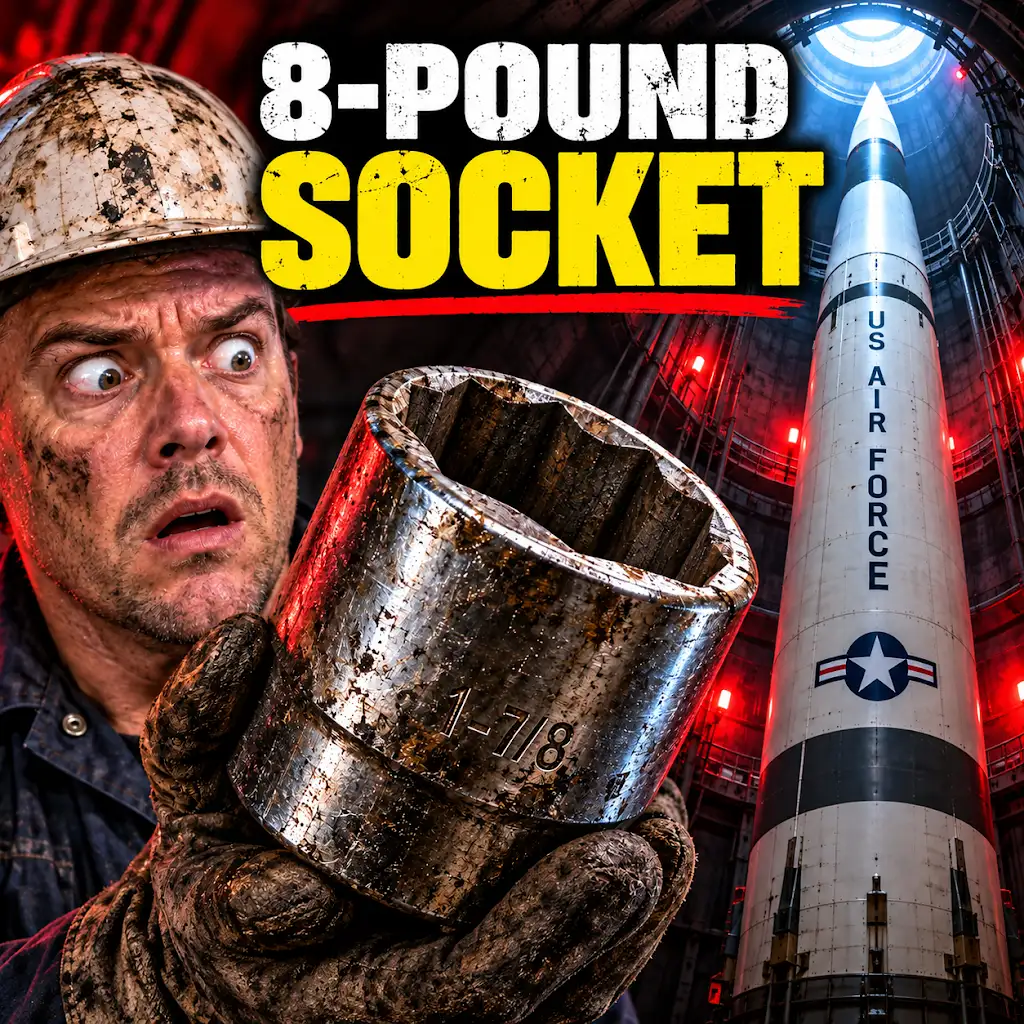
How a Dropped Socket Destroyed a Titan II Missile
FAQs
What was the Titan II missile?
The Titan II missile was an intercontinental ballistic missile (ICBM) developed by the United States Air Force during the Cold War era.
What caused the engineering failure of the Titan II missile?
The engineering failure of the Titan II missile was caused by a ruptured fuel tank during a routine maintenance procedure at a missile silo in Arkansas in 1980.
What were the consequences of the Titan II missile failure?
The ruptured fuel tank led to a massive explosion that destroyed the missile silo, killed one Air Force technician, and released toxic fumes of rocket fuel into the surrounding area.
How did the Titan II missile failure impact the future of missile safety protocols?
The Titan II missile failure prompted the United States Air Force to reevaluate and improve safety protocols for handling and maintaining missile systems to prevent similar accidents in the future.
Was the Titan II missile failure the only incident of its kind?
No, the Titan II missile failure in Arkansas was not the only incident of its kind. There were other accidents involving Titan II missiles during the Cold War era, highlighting the risks associated with operating and maintaining such complex weapons systems.