
The Titan II missile, a behemoth of the Cold War, represented a significant leap in strategic deterrence for the United States. Its immense power and extended range were designed to project American strength and respond decisively to any Soviet aggression. However, beneath its imposing exterior and within its complex engineering lay a critical flaw, a vulnerability that, if exploited or encountered under the wrong circumstances, could have led to catastrophic consequences. This article will delve into the design vulnerabilities of the Titan II missile, exploring the inherent risks associated with its innovative but ultimately precarious systems.
The Titan II’s formidable power was derived from its two-stage rocket system, employing hypergolic propellants. This meant that the fuel and oxidizer would ignite spontaneously upon contact, eliminating the need for a complex ignition system. While this offered a significant advantage in terms of reliability and rapid launch capabilities, it also introduced a profound inherent danger.
Hypergolic Propellants: A Double-Edged Sword
The Nature of Aerozine 50 and Nitrogen Tetroxide
The Titan II utilized Aerozine 50, a mixture of hydrazine and unsymmetrical dimethylhydrazine (UDMH), as its fuel. Its oxidizer was nitrogen tetroxide (N2O4). Both of these substances are highly toxic, corrosive, and volatile. Aerozine 50 is a highly energetic liquid fuel that burns with extreme vigor. Nitrogen tetroxide, on the other hand, is a powerful oxidizer that readily reacts with a wide range of materials, making it highly corrosive to many metals and human tissues. The combination of these two propellants, while enabling rapid and reliable ignition, also meant that any leak or uncontrolled reaction could have devastating consequences.
The Risk of Accidental Ignition
The hypergolic nature of the propellants meant that even minor breaches in the missile’s containment systems could lead to catastrophic ignition. A hairline crack in a fuel line, a faulty seal on a propellant tank, or even a small spill could result in an immediate and violent explosion. The sheer volume of propellant onboard meant that such an event would not be a mere localized incident but a powerful detonation capable of destroying the missile and its silo, and potentially causing significant damage to the surrounding environment. The highly energetic reaction between fuel and oxidizer produced immense heat and pressure, making containment extremely difficult once initiated.
Storage and Handling Challenges
Storing and handling such volatile substances presented ongoing logistical and safety challenges. The propellants required specialized tanks and transfer systems, meticulously designed to prevent any contact with atmospheric oxygen or moisture, which could initiate premature reactions. Regular inspections and maintenance were paramount, but the sheer scale of the operation and the inherent risks meant that human error or equipment malfunction always remained a lurking threat. The corrosive nature of nitrogen tetroxide also meant that the integrity of the storage and transfer infrastructure was constantly being tested, requiring vigilant monitoring and proactive replacement of components.
The Titan II Accident at Damascus, Arkansas
Perhaps the most stark illustration of this vulnerability was the Titan II missile accident that occurred in Damascus, Arkansas, on September 18, 1980. A leaking hydraulic fluid line, which came into contact with a corroded fuel line, led to a gradual buildup of pressure and ultimately a small explosion within the silo. This initial blast did not detonate the warhead, but it did dislodge the second stage and its nuclear warhead, causing it to fall to the bottom of the silo. The subsequent impact ruptured the warhead’s casing, releasing radioactive material. While a full nuclear detonation was averted due to a safety mechanism, the incident underscored the extreme danger posed by the missile’s volatile propellant system. This event serves as a potent reminder of how seemingly minor system failures could cascade into potentially catastrophic scenarios.
The Titan II missile, a key component of the United States’ Cold War arsenal, has been scrutinized for its design vulnerabilities, particularly concerning its susceptibility to accidental launches and system failures. For a deeper understanding of these issues and their implications on national security, you can read the related article that delves into the historical context and technical challenges faced by the Titan II program. For more information, visit this article.
The Unprotected Core: Warhead Vulnerabilities
The primary purpose of the Titan II was to deliver a nuclear warhead. However, the design and deployment of the missile introduced specific vulnerabilities related to the warhead itself, distinct from the propellant systems.
The Mark 6 Warhead: Design Considerations
The Titan II was equipped with the W53 warhead, a high-yield thermonuclear weapon. While designed for reliability, the specific integration of the W53 with the Titan II launch platform presented certain challenges. The physical stresses of launch, coupled with the proximity of the powerful rocket motors, necessitated robust shock absorption and containment mechanisms.
The Risk of Accidental Detonation During Launch
While nuclear warheads are designed with multiple safety features to prevent accidental detonation, the extreme forces experienced during a missile launch, particularly with a propellant system as powerful as the Titan II’s, always carried a theoretical risk. The shockwaves, vibrations, and potential for component failure during ascent could, in highly improbable scenarios, overwhelm these safety systems. The immense kinetic energy imparted to the warhead and missile during launch could, in the event of a structural failure or a secondary explosion, pose a threat to the warhead’s integrity.
The Impact of Silo Incidents on the Warhead
As demonstrated by the Damascus incident, events within the silo, even if not directly related to warhead detonation, could compromise the warhead’s safety. The falling warhead, its housing damaged, presented a significant radiological hazard. This highlights a critical vulnerability: the warhead’s safety was not solely dependent on its internal design but also on the integrity of the entire missile system and its launch environment. Any event that compromised the structural integrity of the missile or its silo could indirectly lead to a compromise of the warhead’s safety, even without a direct attack.
Environmental Contamination as a Consequence
Even if a full nuclear detonation was prevented, incidents involving the Titan II could lead to significant environmental contamination. The release of radioactive materials from a damaged warhead posed a serious health risk and required extensive, costly cleanup operations. The Damascus incident, although contained, required the disposal of tons of contaminated soil and materials, a stark reminder of the lingering consequences of even partially failed missile systems. The long-term environmental impact of such events would have been a significant concern.
The Weak Link: Guidance and Control System Vulnerabilities
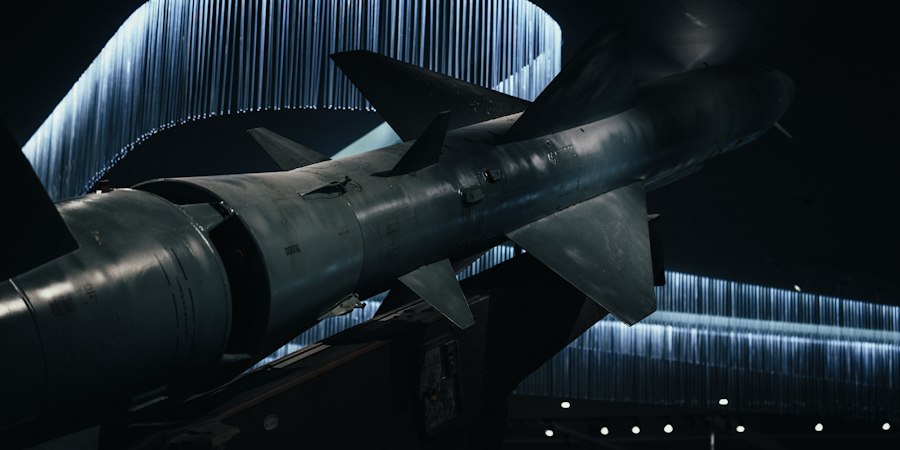
The accuracy and reliability of a ballistic missile are heavily dependent on its guidance and control systems. The Titan II, with its complex analog systems, was not immune to the vulnerabilities inherent in such technology.
Analog Systems: Susceptible to Interference and Degradation
The guidance and control systems of the Titan II were largely analog. While analog systems were the standard of the era, they were inherently more susceptible to environmental factors and electromagnetic interference than their digital counterparts. Factors such as temperature fluctuations, vibration, and even external radio signals could potentially affect the performance and accuracy of these systems.
The Risk of Guidance Failure and Unintended Trajectories
A failure in the guidance system could lead to the missile deviating from its intended trajectory. In the context of a nuclear-armed missile, this posed several risks. An inaccurate flight path could mean the missile detonating far from its intended target, potentially over friendly territory or unpopulated areas, still causing widespread destruction and fallout. In a worst-case scenario, a catastrophic guidance failure could even lead to the missile re-entering the atmosphere over the United States, a deeply concerning prospect.
Impact of Power Fluctuations and Electrical Faults
The complex electrical systems powering the guidance and control computers were also a potential point of failure. Power fluctuations, short circuits, or component degradation could lead to malfunctions. The reliance on numerous intricate electronic components meant that a single faulty part could potentially bring down the entire guidance system. The maintenance and upkeep of these complex electrical systems were therefore critical.
Limited Redundancy and Diagnostic Capabilities
Compared to modern systems, the Titan II’s guidance and control systems had limited redundancy. While some backup systems existed, a failure in a primary component might not have had a fully redundant backup, leaving the missile vulnerable. Furthermore, diagnostic capabilities were less advanced, making it harder to identify and rectify issues quickly, especially during the high-stress environment of a launch. This meant that subtle, developing problems might not have been detected until it was too late.
The Fragile Shield: Silo Vulnerabilities and External Threats
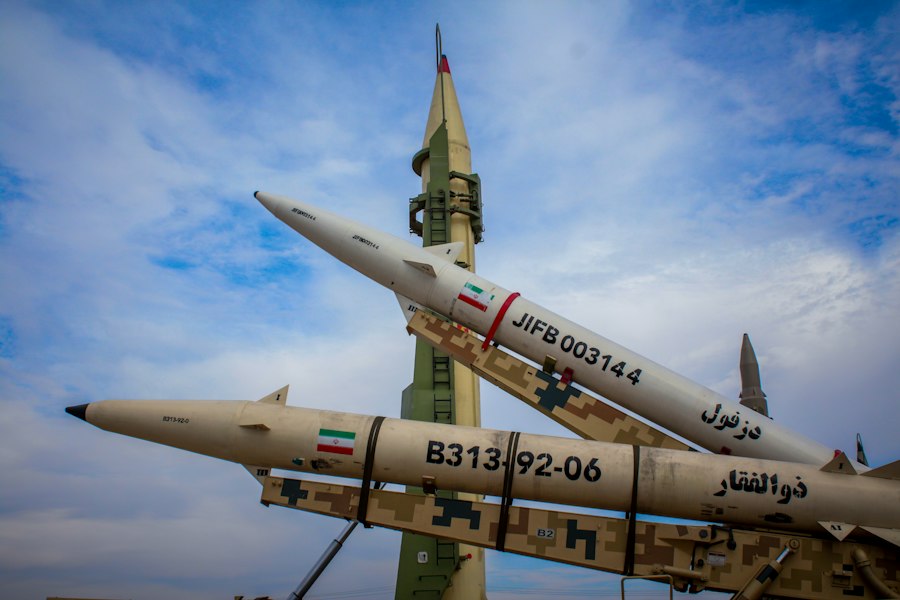
The Titan II missiles were housed in underground silos, designed to provide a degree of protection. However, these silos themselves were not invulnerable, and their design presented specific weaknesses.
The Structure of Titan II Silos
The Titan II silos were constructed of reinforced concrete and steel, intended to withstand significant overpressure from a nuclear blast. However, their primary defense was against direct attack. They were not designed for extreme resilience against prolonged conventional bombardment or novel attack vectors.
Vulnerability to Earth Penetrating Weapons
While the Cold War focused on the threat of direct nuclear strikes, the development of earth-penetrating weapons could have posed a significant threat to hardened silos like those housing the Titan II. Such weapons, designed to burrow deep into the ground before detonating, could potentially have delivered a devastating blow to the silo’s foundation and structural integrity, bypassing some of the intended defenses.
The Risk of Structural Failure Due to Secondary Explosions
As seen in the Damascus incident, a secondary explosion within the silo, even if not a nuclear detonation, could cause significant structural damage. The sheer force of a propellant explosion or a warhead detonation in such a confined space could lead to the collapse of the silo, exposing the missile and its contents. The structural integrity of the silo was thus directly linked to the safety of the missile within it.
Dependence on External Infrastructure and Support
The operational readiness of the Titan II missiles was dependent on a complex network of external infrastructure, including power grids, communication lines, and transportation routes. Any disruption to these support systems could impact the missile’s ability to launch, respond to threats, or be maintained effectively. This reliance on external factors introduced a layer of vulnerability that was not directly related to the missile’s internal design but was nonetheless critical to its strategic utility.
The Titan II missile, a key component of the United States’ Cold War arsenal, has been scrutinized for its design vulnerabilities that could potentially compromise its effectiveness in a crisis. A related article discusses the implications of these vulnerabilities and the historical context surrounding the missile’s development. For more insights on this topic, you can read the full article here. Understanding these design flaws is crucial for comprehending the broader challenges faced by military technology during that era.
The Human Element: Operational and Maintenance Vulnerabilities
| Aspect | Details |
|---|---|
| Missile Type | Titan II Intercontinental Ballistic Missile (ICBM) |
| Propellant Type | Hypergolic liquid propellants (Aerozine 50 and nitrogen tetroxide) |
| Vulnerability Factor | Highly volatile and toxic propellants increased risk of explosion and leaks |
| Structural Vulnerability | Thin-walled missile silo and aging infrastructure prone to mechanical failures |
| Historical Incident | 1980 Damascus Titan missile explosion caused by a dropped socket wrench puncturing the fuel tank |
| Design Limitation | Single-wall fuel tanks with limited redundancy in safety systems |
| Maintenance Challenges | Complex fueling procedures and risk of human error during servicing |
| Safety Improvements Post-Incident | Enhanced safety protocols and eventual decommissioning of Titan II missiles |
Despite the advanced technology involved, the human element remained a critical factor in the operation and maintenance of the Titan II, introducing its own set of vulnerabilities.
The Risk of Human Error in Handling and Maintenance
The handling of hypergolic propellants and the intricate maintenance required for the missile’s complex systems were inherently prone to human error. A moment of inattention, a procedural misstep, or a lack of proper training could have had severe consequences, as demonstrated by the Damascus incident where a leaking hydraulic line was a contributing factor. The sheer volume of maintenance required across a large fleet of missiles meant that consistent adherence to strict protocols was a constant challenge.
Psychological Stress and Fatigue
Missile crews operated under immense psychological stress. The constant threat of nuclear war, the responsibility of controlling such destructive power, and the demanding operational tempo could lead to fatigue and impaired judgment. This human factor, while often overlooked in purely technical analyses, was a significant consideration in the overall safety and reliability of the Titan II system. The isolated nature of silo operations and the long hours further exacerbated these issues.
Communication and Command Structure Vulnerabilities
The communication systems used to relay launch orders and maintain contact between silos and command centers were also potential points of failure. Malfunctions, interference, or even deliberate jamming could disrupt command and control, leading to delayed responses or misinterpretations of orders. A breakdown in the clear and unambiguous communication of launch authorization was a critical vulnerability in any nuclear deterrent system.
The Importance of Rigorous Training and Safety Protocols
The development and implementation of rigorous training programs and stringent safety protocols were crucial to mitigating these human-related vulnerabilities. However, even the most robust systems could not entirely eliminate the possibility of human error. The constant need for vigilance and adherence to procedure was a never-ending battle. The ongoing evolution of safety procedures and the lessons learned from incidents were vital in attempting to maintain the highest level of operational security.
In conclusion, the Titan II missile, a testament to Cold War engineering, was a weapon of immense power but also of significant inherent risk. Its hypergolic propellant system, while enabling rapid launches, carried the ever-present danger of accidental ignition. The warhead itself, while protected, was vulnerable to the stresses of launch and silo incidents. The analog guidance systems were susceptible to interference, and the silos, while hardened, were not impervious to advanced threats. Finally, the human element, with its inherent potential for error, added another layer of complexity and vulnerability. While the Titan II ultimately served its strategic purpose without catastrophic failure, a thorough examination of its design vulnerabilities reveals a critical flaw at the heart of this formidable weapon system, a constant reminder of the delicate balance between power and peril that defined the nuclear age. The legacy of the Titan II underscores the vital importance of understanding not just the intended functionality of military hardware, but also the potential consequences of its inherent weaknesses.

How a Dropped Socket Destroyed a Titan II Missile
FAQs
What is the Titan II missile?
The Titan II missile was an intercontinental ballistic missile (ICBM) developed by the United States during the Cold War era.
What was the design vulnerability of the Titan II missile?
The Titan II missile had a design vulnerability in its fuel system, specifically the use of hypergolic propellants that were highly reactive and prone to ignition.
How did the design vulnerability impact the Titan II missile?
The design vulnerability of the Titan II missile made it susceptible to accidental explosions and fires, posing a significant safety risk to personnel working with the missile.
Were there any incidents related to the design vulnerability of the Titan II missile?
Yes, there were several incidents involving the Titan II missile where accidents occurred due to the design vulnerability, including the 1980 explosion at a missile silo in Arkansas.
How was the design vulnerability of the Titan II missile addressed?
Following the incidents and safety concerns related to the design vulnerability of the Titan II missile, modifications were made to improve the safety of the missile system, including changes to the fuel system.