Tier One special operations units represent the pinnacle of military capability, comprising highly trained and meticulously selected individuals tasked with the most sensitive, complex, and dangerous missions. These units operate at the forefront of national security, often in the shadows, undertaking operations that demand an unparalleled level of skill, discretion, and resilience. Their existence is a testament to the evolving nature of warfare and the need for specialized forces capable of tackling threats that conventional military units are not equipped to handle. Understanding these elite groups requires delving into their stringent selection processes, their diverse operational capabilities, and the unique organizational structures that enable their effectiveness.
The concept of elite special operations forces is not a modern invention. Throughout history, armies have recognized the need for small, highly capable units to conduct reconnaissance, sabotage, and direct action missions behind enemy lines. However, the modern evolution of what we now understand as Tier One units can be traced back to the crucible of World War II. The exigencies of that global conflict spurred the development of specialized units designed for unconventional warfare and highly targeted operations.
Early Forerunners and the Dawn of Unconventional Warfare
The origins of specialized military units can be found in various historical contexts, from Roman legionaries tasked with specialized scouting to the Elizabethan era’s “sea dogs” engaging in maritime raids. However, the true precursors to modern special operations units began to emerge in the early 20th century, particularly with the rise of new military doctrines.
The Commandos and Their Legacy
The British Commandos, formed in 1940, are widely considered one of the earliest examples of modern special operations forces. Born out of the desperate need to conduct raids and sabotage against Nazi-occupied Europe, these units were specifically trained for high-risk, amphibious, and airborne assaults. Their daring operations, though often small in scale, had a significant psychological impact and demonstrated the efficacy of small, highly trained groups in achieving strategic objectives. The “Special Operations Executive” (SOE) also played a crucial role, focusing on espionage, sabotage, and supporting resistance movements in enemy-held territories.
American Innovation in World War II
The United States also began to develop its own specialized units during World War II. The Alamo Scouts, operating in the Pacific theater, were renowned for their reconnaissance and intelligence-gathering capabilities in dense jungle environments. Simultaneously, the OSS (Office of Strategic Services) was established as the precursor to the CIA, undertaking a broad range of clandestine activities, including sabotage, propaganda, and guerrilla warfare. These wartime experiences laid the groundwork for the specialized training and operational methodologies that would define future special operations units.
The Cold War and the Rise of Counter-Insurgency
The geopolitical landscape of the Cold War significantly shaped the development of special operations forces. The ideological struggle, proxy wars, and the threat of nuclear conflict created a new set of challenges that required specialized responses.
The Vietnam War: A Proving Ground
The Vietnam War proved to be a critical period for the maturation of special operations. Units like the U.S. Army Special Forces, often referred to as the “Green Berets,” were heavily involved in counter-insurgency operations, training indigenous forces, and conducting reconnaissance missions in extremely hostile terrain. Their experiences highlighted the importance of cultural understanding, adaptability, and the ability to operate effectively in politically sensitive environments.
The Evolution of Counter-Terrorism
As terrorist organizations began to emerge and pose a significant threat, special operations units started to pivot towards counter-terrorism. The need to respond to hijackings, hostage situations, and bombings led to the development of specialized tactical teams within existing special operations structures, focusing on close-quarters combat, hostage rescue, and direct action against terrorist cells.
For those interested in a deeper understanding of Tier One special operations units, a related article can be found at this link. This article provides an in-depth analysis of the roles, training, and missions of these elite forces, shedding light on their significance in modern military operations. Whether you are a military enthusiast or simply curious about special operations, this resource offers valuable insights into the world of Tier One units.
Defining Tier One: The Apex of Special Operations
The term “Tier One” is not an official, publicly designated classification by most military organizations. Instead, it is an informal designation that has gained traction within military and defense circles to describe the highest echelon of special operations forces within a nation’s military structure. These units are characterized by their unparalleled selection standards, their extensive training, and their unique authorization to conduct the most sensitive and high-risk missions.
The Pillars of Tier One Capability: Selection and Training
The exceptional performance of Tier One units is directly attributable to the rigorous and often brutal selection processes and the comprehensive, continuous training regimens they undergo. These are not merely the best soldiers; they are the absolute elite, psychologically and physically prepared for the extreme demands of their roles.
The Crucible of Selection: Beyond Physical Prowess
The selection process for Tier One units is designed to identify individuals who possess not only exceptional physical conditioning but also superior mental fortitude, problem-solving abilities, and emotional resilience. This is often a multi-phased process, starting with volunteer applicants who must meet stringent physical and psychological prerequisites.
Physical and Mental Endurance Tests
Candidates are subjected to grueling physical tests that push the limits of human endurance. This can include extended marches with heavy loads, demanding obstacle courses, and simulated combat scenarios designed to induce extreme stress. Equally important are the psychological evaluations, which assess a candidate’s ability to remain calm under pressure, make sound decisions in chaotic environments, and withstand prolonged periods of isolation and deprivation.
Leadership and Teamwork Assessment
Beyond individual capabilities, the selection process heavily emphasizes a candidate’s ability to lead and function effectively within a small, cohesive team. Candidates are observed in leadership roles, tasked with making difficult decisions for a group, and assessed on their communication skills and their ability to inspire trust and confidence in their peers. The understanding that lives will depend on each other necessitates an unshakeable bond of camaraderie and mutual reliance.
Unrelenting Training Regimens: Mastering Every Skill
Once selected, Tier One operators embark on an exceptionally demanding training regimen that is continuous and multifaceted. The goal is to achieve mastery in a vast array of skills, ensuring they are prepared for virtually any contingency.
Tactical Proficiency: Beyond Conventional Warfare
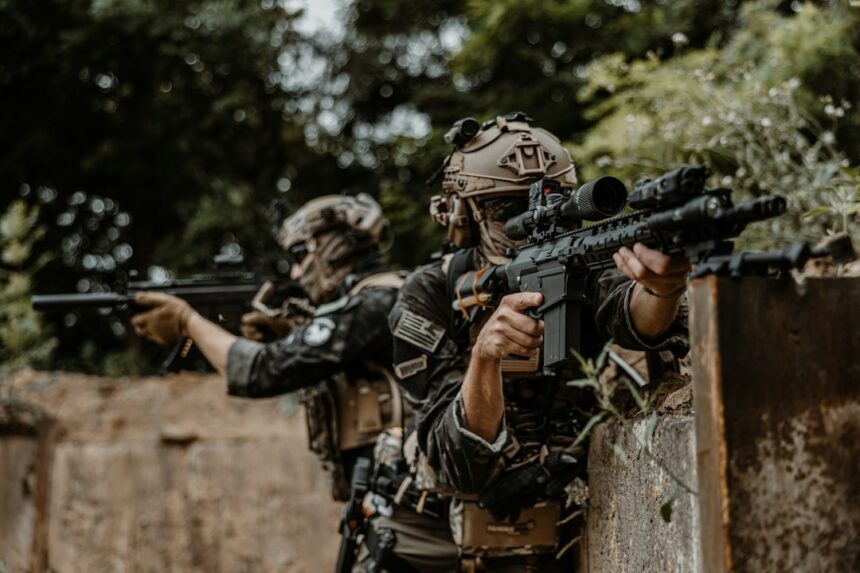
Tier One operators are trained in a wide spectrum of tactical disciplines that far exceed the scope of conventional military training. This includes advanced marksmanship with a variety of weapons, close-quarters battle (CQB) techniques, room clearing, and precision shooting. They are also experts in various forms of combat, including urban warfare, jungle operations, desert survival, and arctic environments.
Specialized Skills: From Infiltration to Intelligence
The specialized skills possessed by Tier One operators are what truly set them apart. These include:
- Infiltration and Exfiltration: Proficiency in covert insertion and extraction methods via land, sea, and air. This can involve HALO (High Altitude, Low Opening) and HAHO (High Altitude, High Opening) parachute jumps, specialized maritime insertion techniques (e.g., SEAL delivery vehicles, combat diving), and the use of unmarked vehicles.
- Demolitions and Explosives: Expert knowledge in the use and disposal of explosives for breaching, sabotage, and other mission-critical tasks.
- Intelligence Gathering and Analysis: The ability to collect, process, and analyze intelligence in real-time, often in hostile territory. This includes surveillance techniques, HUMINT (Human Intelligence) operations, and the use of advanced sensor technologies.
- Language and Cultural Proficiency: Many Tier One operators are proficient in multiple languages and possess a deep understanding of the cultural nuances of the regions in which they operate, facilitating interactions and operations in foreign lands.
- Medical Skills: Advanced trauma care and field medicine are essential, as operators are often far from conventional medical support and must be able to treat themselves and their comrades.
- Survival and Evasion: The ability to survive and evade capture in hostile environments for extended periods is a critical skill for operators who may find themselves isolated or behind enemy lines.
Realistic and Stressful Training Scenarios
Training is not just about acquiring skills; it is about practicing them under realistic and stressful conditions. Tier One units conduct extensive joint exercises with other elite units, interagency partners, and allied forces. They regularly participate in simulated environments that mimic the complexities and dangers of their operational theaters, often incorporating live fire, simulated casualties, and time constraints to replicate the pressure of real-world missions.
The Operational Spectrum: Missions of Tier One Units
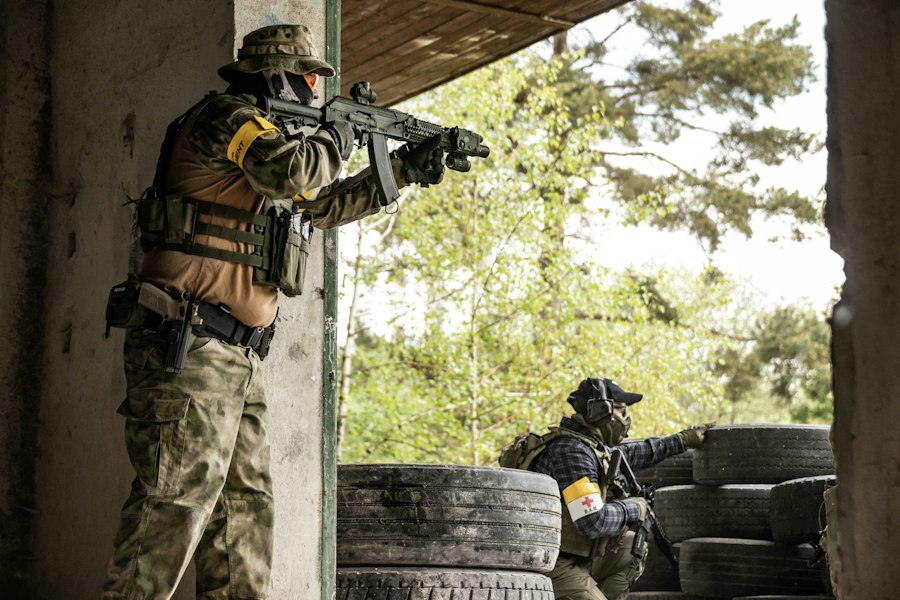
The missions undertaken by Tier One special operations units are diverse, highly sensitive, and often classified. They are the forces called upon when conventional military options are insufficient or inappropriate. Their operational spectrum encompasses a range of activities designed to achieve strategic objectives through highly targeted and often clandestine means.
Direct Action and Special Reconnaissance: Striking at the Heart of the Threat
These are perhaps the most recognized roles of Tier One units, involving direct engagement with enemy forces and in-depth intelligence gathering.
Direct Action Operations
Direct action missions are designed to seize, destroy, or capture enemy targets. This can include:
- Hostage Rescue: The swift and precise recovery of hostages from enemy captivity, often involving complex urban environments or remote locations.
- Counter-Terrorism Operations: Direct assaults on terrorist cells, infrastructure, or leadership to disrupt their operations and prevent attacks.
- Targeted Killings: The elimination of high-value enemy combatants or leaders who pose an imminent threat to national security. This is a highly controversial but often necessary component of counter-terrorism and counter-insurgency.
- Sabotage and Destruction: The covert destruction of critical enemy infrastructure, weapons systems, or logistical assets to degrade their capabilities.
Special Reconnaissance
Special reconnaissance involves gathering intelligence in hostile or denied territory. This is often conducted in small teams for extended periods and requires immense patience and operational security.
- Intelligence Gathering: Collecting information on enemy troop movements, positions, capabilities, and intentions.
- Targeting Intelligence: Providing detailed intelligence to support direct action missions, including identifying enemy leaders, weapons caches, and operational plans.
- Battle Damage Assessment: Evaluating the effectiveness of friendly strikes and operations.
- Route Reconnaissance: Mapping and assessing enemy-controlled routes for potential infiltration or exfiltration.
Unconventional Warfare and Foreign Internal Defense: Shaping the Battlefield
Beyond direct engagement, Tier One units are adept at operating indirectly, influencing events through the training and support of partner forces.
Unconventional Warfare (UW)
Unconventional warfare involves leveraging indigenous forces to conduct guerrilla warfare, sabotage, and subversion against an occupying power or an unfriendly government.
- Training and Advising Indigenous Forces: Equipping local populations with the skills, tactics, and equipment to resist external aggression or internal oppression.
- Organizing and Leading Guerrilla Campaigns: Providing the strategic guidance and operational support for resistance movements.
- Intelligence and Psychological Operations: Gathering intelligence from local populations and influencing their perceptions and actions.
Foreign Internal Defense (FID)
Foreign Internal Defense focuses on assisting friendly governments in counter-insurgency, counter-terrorism, and internal security efforts.
- Training and Equipping Host Nation Forces: Enhancing the capabilities of local security forces to combat internal threats.
- Advising and Mentoring: Providing strategic and tactical advice to host nation leadership.
- Assisting in Security Sector Reform: Helping to build more effective and accountable security institutions.
Counter-Proliferation and Sensitive Activities: Operating in the Shadows
These are some of the most clandestine and specialized roles, often involving highly technical or politically sensitive operations.
Counter-Proliferation Operations
These missions aim to prevent the spread of weapons of mass destruction and related technologies.
- Interdiction and Seizure: Disrupting the illicit trafficking of WMD materials or components.
- Intelligence Collection: Gathering information on WMD programs and networks.
- Denial and Disruption: Taking action to prevent hostile actors from acquiring WMD capabilities.
Sensitive Activities
This broad category encompasses a range of covert operations that may fall outside traditional military roles but are deemed essential for national security. These activities are often conducted in close coordination with intelligence agencies and may involve:
- Covert Action: Operations designed to influence the political, economic, or military conditions of a foreign region.
- Espionage and Counter-Espionage: Gathering intelligence on foreign adversaries or protecting national secrets.
- Support to Diplomatic Operations: Providing security or facilitating discreet engagements in challenging environments.
The Organizational Framework: Command and Control of Tier One Units
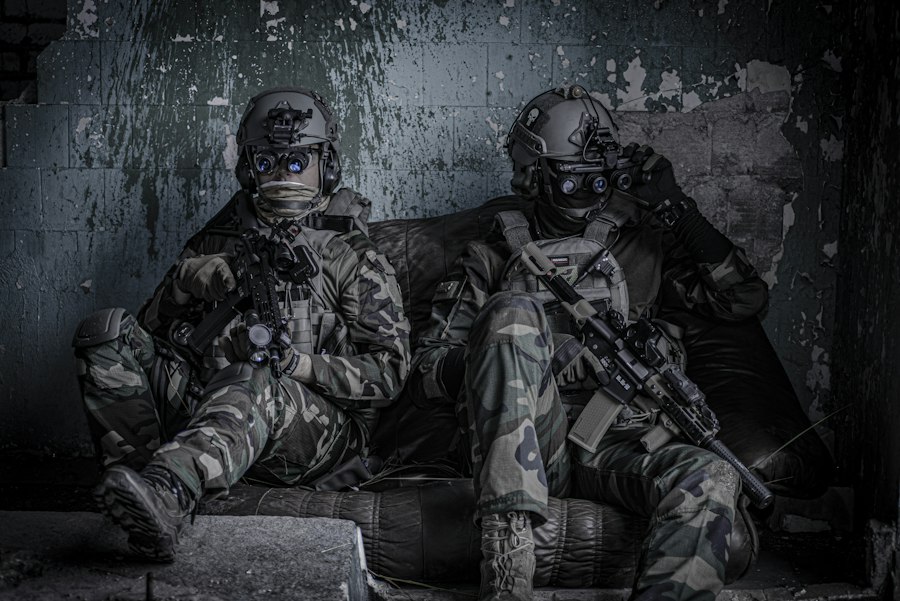
The unique nature and sensitivity of Tier One operations necessitate specialized organizational structures and rigorous command and control mechanisms. These structures are designed to ensure operational effectiveness, maintain secrecy, and uphold accountability.
Distinct Command Structures: Special Operations Commands
Tier One units are typically not integrated into conventional military formations. Instead, they fall under specialized commands dedicated to special operations, allowing for tailored resource allocation, training, and command.
United States Special Operations Command (USSOCOM)
In the United States, the umbrella organization for all special operations forces is the U.S. Special Operations Command (USSOCOM). USSOCOM is a unified combatant command that organizes, trains, and equips special operations forces from all branches of the U.S. military.
Component Commands
Within USSOCOM, there are several component commands responsible for specific branches of service:
- U.S. Army Special Operations Command (USASOC): Oversees units like Delta Force (CAG) and the 75th Ranger Regiment.
- U.S. Naval Special Warfare Command (NAVSPECWARCOM): Responsible for the U.S. Navy SEALs and Special Warfare Combatant-Craft Crewmen (SWCC).
- U.S. Air Force Special Operations Command (AFSOC): Manages units like the 24th Special Tactics Squadron and the MC-130 fleet.
- U.S. Marine Corps Forces Special Operations Command (MARSOC): Fields MARSOC operators, often referred to as Raiders.
International Equivalents
Other nations with significant special operations capabilities have similar command structures, albeit often smaller in scale. These commands are dedicated to the planning, execution, and oversight of their nation’s most elite forces, ensuring they are employed effectively and appropriately.
The Importance of Secrecy and Compartmentalization
The operations of Tier One units are often shrouded in secrecy, which is crucial for their success and the protection of national interests.
Need-to-Know Basis
Information regarding Tier One missions, personnel, and capabilities is strictly controlled and disseminated on a “need-to-know” basis. This means that only individuals directly involved in or essential to a specific operation have access to the relevant information.
Deniability and Plausible Deniability
In some instances, operations are conducted in a manner that allows for plausible deniability, meaning the sponsoring government can credibly deny any involvement. This is a complex ethical and legal consideration but can be a critical tool in certain geopolitical situations.
Interagency Cooperation: A Vital Partnership
Tier One units frequently operate in conjunction with intelligence agencies and other government bodies, forming crucial interagency partnerships.
Collaboration with Intelligence Agencies
The synergy between special operations forces and intelligence agencies is paramount. Intelligence agencies provide crucial information, analysis, and clandestine support, while special operations units execute missions based on that intelligence. This collaboration is essential for identifying threats, developing operational plans, and achieving strategic objectives.
Law Enforcement and Diplomatic Support
In certain domestic or international scenarios, Tier One units may also work with law enforcement agencies or provide support to diplomatic efforts, particularly in high-risk environments. This requires careful coordination and adherence to legal frameworks.
For those interested in understanding the intricacies of Tier One special operations units, a fascinating article can be found on the In The War Room website. This piece delves into the history, training, and missions of these elite forces, providing valuable insights into their operations and impact on modern warfare. To explore this topic further, you can read the article here.
The Ethical and Legal Landscape: Navigating Complex Terrain
| Unit Name | Country | Primary Role | Selection Duration | Notable Operations | Estimated Size |
|---|---|---|---|---|---|
| Delta Force (1st SFOD-D) | United States | Counter-terrorism, Hostage Rescue, Direct Action | Several weeks (highly classified) | Operation Eagle Claw, Operation Gothic Serpent | ~1,000 operators |
| SEAL Team Six (DEVGRU) | United States | Counter-terrorism, Direct Action, Reconnaissance | Several weeks (highly classified) | Operation Neptune Spear, Maersk Alabama Rescue | ~1,200 operators |
| SAS (Special Air Service) | United Kingdom | Counter-terrorism, Reconnaissance, Direct Action | 4 months (selection and training) | Iranian Embassy Siege, Gulf War Operations | ~500 operators |
| SBS (Special Boat Service) | United Kingdom | Maritime Counter-terrorism, Reconnaissance, Direct Action | 4 months (selection and training) | Operation Barras, Iraq War | ~250 operators |
| GIGN (National Gendarmerie Intervention Group) | France | Counter-terrorism, Hostage Rescue | Several months | Air France Flight 8969 Rescue | ~400 operators |
| GSG 9 | Germany | Counter-terrorism, Hostage Rescue | Several months | 1972 Munich Olympics Rescue | ~400 operators |
The operations of Tier One units, by their very nature, engage with complex ethical and legal considerations. The high stakes, the clandestine nature of their work, and the potential for lethal force necessitate careful oversight and a robust legal framework.
The Legal Authority and Oversight
The deployment and actions of Tier One units are subject to national and international laws, as well as specific authorization protocols.
Presidential or Ministerial Authorization
In most democratic nations, the deployment of Tier One units for sensitive operations requires high-level authorization, typically from the head of state (e.g., the President) or the minister of defense. This ensures that such actions are politically sanctioned and aligned with national policy.
Legal Frameworks for Operations
Tier One operators are trained to operate within the established legal frameworks, including the laws of armed conflict and the domestic legal systems of the countries in which they operate. This includes adherence to rules of engagement (ROE) that govern the use of force.
The Moral Compass: Ethical Dilemmas and Accountability
The nature of Tier One missions often places individuals in morally challenging situations. The selection process and ongoing training emphasize ethical conduct and the importance of maintaining a strong moral compass.
The Dilemma of Lethal Force
The use of lethal force is a constant consideration in many Tier One operations. Decisions must be made rapidly in high-stress environments, and operators are trained to distinguish between combatants and non-combatants and to use force only when necessary and proportionate.
Accountability and Transparency (within limits)
While the operational details of Tier One units are highly classified, there are mechanisms for accountability. Oversight committees, inspectors general, and internal review processes exist to ensure that operators are acting within legal and ethical boundaries. However, the inherent secrecy of their operations can sometimes make full transparency challenging.
The Psychological Toll: The Human Cost of Elite Service
The sustained exposure to extreme danger, violence, and moral ambiguity can have a profound psychological impact on Tier One operators.
Stress, Trauma, and Resilience
Operators face immense psychological stress, including the potential for post-traumatic stress disorder (PTSD), anxiety, and depression. However, the rigorous selection and training also cultivate exceptional resilience and coping mechanisms.
Support Systems and Transition
Many nations provide specialized support systems for special operations forces, including mental health services, peer support groups, and resources to help operators transition back to civilian life after their service. The recognition of the unique challenges they face is crucial for their well-being.
The Future of Tier One: Evolving Threats and Adaptations
The landscape of global security is constantly shifting, and Tier One special operations units must continuously adapt to new threats and emerging technologies to maintain their effectiveness.
Adapting to Hybrid Warfare and Asymmetric Threats
Modern warfare is increasingly characterized by hybrid threats, which blend conventional military tactics with irregular warfare, cyber warfare, and information operations.
The Rise of Cyber and Electronic Warfare
Tier One units are increasingly incorporating cyber and electronic warfare capabilities into their operational planning. This includes conducting offensive cyber operations, defending against enemy cyber attacks, and utilizing advanced electronic warfare systems to disrupt enemy communications and sensors.
Countering Advanced Adversaries
As state and non-state actors acquire more sophisticated weaponry and technologies, Tier One units must remain at the cutting edge of their own capabilities to counter these evolving threats effectively. This includes adapting to threats such as drones, advanced missile systems, and sophisticated intelligence gathering networks.
The Impact of Technology and Innovation
Technological advancements are revolutionizing the way special operations forces operate, offering new capabilities and demanding new skill sets.
Advanced Surveillance and Reconnaissance Technologies
The use of advanced drones, satellite imagery, and other remote sensing technologies provides Tier One units with unprecedented intelligence-gathering capabilities. This allows for more precise targeting and a greater understanding of the operational environment.
Emerging Combat Systems and Platforms
The development of new combat vehicles, unmanned aerial systems (UAS), and specialized equipment allows Tier One operators to conduct missions with greater efficiency and survivability. Innovations in areas such as personal protective equipment and communications technology are also vital.
The Role of Artificial Intelligence and Big Data
Artificial intelligence (AI) and big data analytics are beginning to play a role in special operations, aiding in intelligence analysis, predictive modeling, and the optimization of operational planning. The integration of these technologies is likely to increase in the future.
Maintaining the Human Element in a High-Tech World
Despite the increasing reliance on technology, the human element remains the most critical component of Tier One operations. The adaptability, ingenuity, and decision-making of highly trained individuals cannot be fully replicated by machines.
The Enduring Importance of Skill and Judgment
The ability of Tier One operators to make critical decisions under extreme pressure, to adapt to unforeseen circumstances, and to apply their extensive training remains paramount. Technology serves as a force multiplier, but it is the operator’s judgment that ultimately dictates success or failure.
The Ongoing Challenge of Recruitment and Retention
As the demands on Tier One units increase, the challenge of recruiting and retaining the highest caliber of personnel becomes even more critical. Maintaining the rigorous standards while ensuring a sufficient pool of qualified candidates is a continuous effort.
In conclusion, Tier One special operations units are the sharp edge of national defense, embodying the highest levels of military skill, dedication, and bravery. Their existence is a testament to the evolving nature of global security and the unwavering commitment of nations to protecting their interests through specialized, highly capable forces operating at the very edge of human endeavor.
Why SEAL Team Six Got the Bin Laden Raid — Not Delta Force
FAQs
What are Tier One special operations units?
Tier One special operations units are elite military forces that are highly trained and equipped to carry out the most challenging and sensitive missions. They are often tasked with counterterrorism operations, hostage rescues, and other high-risk missions.
Which countries have Tier One special operations units?
Several countries have Tier One special operations units, including the United States (e.g. Delta Force, SEAL Team Six), the United Kingdom (e.g. SAS), Canada (e.g. Joint Task Force 2), and Australia (e.g. Special Air Service Regiment).
How are Tier One special operations units different from regular special forces?
Tier One special operations units are considered the top tier of special forces due to their advanced training, equipment, and capabilities. They often operate with greater autonomy and have access to specialized resources to carry out the most complex and high-stakes missions.
What kind of training do Tier One special operations units undergo?
Members of Tier One special operations units undergo rigorous and specialized training programs that focus on physical fitness, marksmanship, close-quarters combat, tactical skills, and mission planning. Training can last for several months to years, depending on the unit.
What is the role of Tier One special operations units in modern warfare?
Tier One special operations units play a crucial role in modern warfare by conducting covert operations, intelligence gathering, direct action missions, and counterterrorism operations. They are often called upon to respond to the most challenging and high-risk situations around the world.