So, you’re wondering if “The Wonders of Science: An Educational Documentary” is worth your time and what’s actually in it? Good question. In a nutshell, yes, it’s a solid pick if you’re looking for a straightforward, informative dive into some fascinating scientific concepts, presented clearly without a lot of fluff. It manages to distill complex ideas into digestible chunks, making it accessible without feeling dumbed down. Think of it as a well-curated tour through some of science’s most mind-bending discoveries and ongoing mysteries.
What’s It All About?
At its core, “The Wonders of Science” aims to illuminate the power and beauty of scientific inquiry. It’s not trying to be a flashy blockbuster; instead, it focuses on delivering accurate information and showcasing the process of scientific discovery. The documentary covers a diverse range of topics, from the infinitesimally small to the unimaginably vast, and explores how our understanding of the universe has evolved. It emphasizes that science is an ongoing journey, driven by curiosity and a relentless pursuit of knowledge.
For those interested in the intersection of education and science, a fascinating article can be found at In the War Room, which explores innovative teaching methods and their impact on student engagement. This article delves into various educational science documentaries that highlight effective strategies for enhancing learning experiences in the classroom.
A Closer Look at the Content
The documentary is structured thematically, dedicating substantial segments to different branches of science. This approach allows viewers to get a focused understanding of each area before moving on to the next.
Unveiling the Universe: Cosmology and Astrophysics
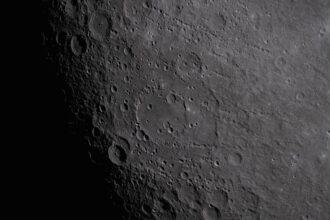
One of the most captivating sections of “The Wonders of Science” delves into the cosmos. It tackles the big questions about our universe’s origins, its vastness, and its future.
The Big Bang and Beyond
The documentary provides a clear explanation of the Big Bang theory, not just as a singular event, but as the starting point of an ever-expanding universe. It touches on the evidence supporting this model, such as the cosmic microwave background radiation. The focus is on the scientific reasoning behind these conclusions, showcasing how observations are used to build and refine theories. It demystifies concepts like cosmic inflation and the early moments of the universe in a way that’s easy to follow.
Galaxies, Stars, and Black Holes
Beyond the origin story, the documentary explores the breathtaking diversity of celestial objects. You’ll learn about the different types of galaxies, their formation, and the sheer scale of these cosmic islands. The life cycles of stars, from their fiery birth to their dramatic deaths as supernovae or white dwarfs, are explained with accompanying visuals that help convey the immense power involved. Black holes are presented as more than just science fiction fodder; their formation, properties, and the gravity they exert are described in terms that are understandable, emphasizing their role in shaping galactic structures. The science behind detecting these often invisible entities is also touched upon, highlighting the ingenuity of astronomical observation.
The Search for Extraterrestrial Life
The documentary also ventures into the thrilling, albeit speculative, realm of astrobiology. It discusses the conditions necessary for life as we know it and the ongoing search for exoplanets that might harbor life. This isn’t a show about sensationalistic claims; rather, it focuses on the scientific methods being employed, such as analyzing atmospheric compositions of distant planets for biosignatures. The challenges and possibilities of interstellar communication are also explored, framing the search for alien life as a natural extension of our curiosity about our place in the universe.
The Building Blocks of Life: Biology and Genetics
Moving from the grand scale of the universe to the intricate details of life itself, “The Wonders of Science” offers a comprehensive look at biology and genetics.
The Chemistry of Life
The documentary begins by grounding viewers in the fundamental chemical processes that underpin all living organisms. It explains the importance of carbon, water, and basic organic molecules in forming the complex structures needed for life. The emphasis here is on the elegance of these fundamental interactions and how they give rise to everything from a single-celled organism to a complex multicellular being. It avoids getting bogged down in overly technical chemical jargon, instead focusing on the functional significance of these chemical components.
Evolution: A Grand Narrative
Evolution is presented as a cornerstone of modern biology, not as a controversial theory, but as a well-supported scientific explanation for the diversity of life on Earth. The documentary illustrates the mechanisms of natural selection, genetic drift, and mutation with clear examples. It highlights how paleontology, genetics, and comparative anatomy all converge to support evolutionary theory. The focus is on the scientific evidence, showing how fossils, DNA sequences, and similarities between species paint a compelling picture of life’s interconnectedness and continuous adaptation over millennia.
DNA: The Blueprint of Life
A significant portion is dedicated to deoxyribonucleic acid (DNA) and its revolutionary impact on our understanding of heredity. The documentary explains the structure of DNA and how it carries genetic information. It delves into the process of gene expression, how DNA dictates the production of proteins, and ultimately, influences an organism’s traits. The ethical and societal implications of genetic technologies, such as gene editing and personalized medicine, are also thoughtfully explored, presenting a balanced view of both the potential benefits and the challenges.
Our Incredible Planet: Earth Science and Environmentalism
“The Wonders of Science” also turns its gaze back to our own planet, exploring its dynamic systems and the challenges it faces.
Plate Tectonics: A Living Earth
The concept of plate tectonics is explained in detail, illustrating how the Earth’s crust is constantly in motion. The documentary shows how this movement gives rise to mountains, earthquakes, and volcanic activity. It emphasizes how this seemingly slow process has shaped the planet’s continents and oceans over millions of years, creating the diverse landscapes we observe today. The focus is on the geological evidence that supports this theory and its ongoing impact on our planet’s surface.
Climate Change: Understanding Our Impact
A critical segment is dedicated to understanding climate change. The documentary presents the scientific consensus on its causes, primarily human activities, and its observable effects. It explains the greenhouse effect, the role of various gases, and how human emissions disrupt the Earth’s natural balance. Rather than resorting to alarmism, it focuses on the data and scientific models used to predict future climate scenarios. The document also touches upon the potential solutions and strategies being explored by scientists and policymakers to mitigate its effects, emphasizing the importance of informed action based on scientific understanding.
Biodiversity: The Web of Life
The documentary highlights the importance of biodiversity – the variety of life on Earth. It explains how different ecosystems function and depend on each other, and how the loss of even a single species can have cascading effects. The science behind ecological relationships, such as predator-prey dynamics, symbiosis, and the role of keystone species, is illustrated. This section serves as a powerful reminder of the interconnectedness of all living things and the fragile balance that sustains our planet.
The Human Brain: The Last Frontier
The human brain, the most complex organ known, is another focal point. “The Wonders of Science” attempts to demystify its workings.
Structure and Function
The documentary explores the basic anatomy of the brain, from the different lobes to the intricate network of neurons. It explains how these structures are responsible for everything from basic motor functions to complex cognitive processes like memory, emotion, and consciousness. The role of neurotransmitters and synaptic connections in brain activity is explained with clear analogies.
Learning, Memory, and Consciousness
Delving deeper, the documentary discusses the scientific understanding of how we learn, form memories, and the enduring mystery of consciousness. It touches on theories about memory consolidation, the neurobiology of learning, and the ongoing scientific quest to understand subjective experience. While acknowledging that much remains unknown, it highlights the progress made through neuroscience research.
Neurological Disorders and Research
The documentary also briefly touches upon common neurological disorders and the advancements being made in understanding and treating them. This includes conditions like Alzheimer’s disease, Parkinson’s disease, and mental health disorders. The focus is on the scientific research being conducted to identify the underlying causes and develop more effective therapies, underscoring the human element and the drive to alleviate suffering through scientific progress.
In exploring the fascinating world of educational science documentaries, one can gain valuable insights into innovative teaching methods and the impact of technology on learning. A related article that delves deeper into these themes can be found at this link, which discusses how visual storytelling can enhance comprehension and engagement in the classroom. By examining various case studies, the article highlights the transformative power of documentaries in shaping educational practices.
The Scientific Method: The Engine of Discovery
Perhaps more important than any single topic, “The Wonders of Science” emphasizes the overarching principles of the scientific method itself.
Observation and Hypothesis
The documentary illustrates how scientific inquiry begins with careful observation of the natural world. It shows how these observations lead to questions and the formation of testable hypotheses – educated guesses about how something works. The importance of being able to formulate clear, falsifiable hypotheses is stressed.
Experimentation and Data Collection
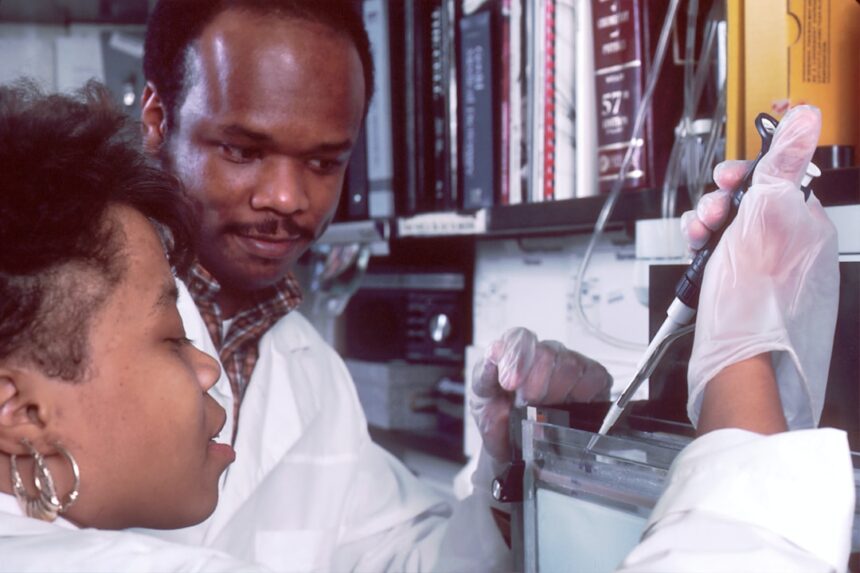
The documentary highlights the critical role of experimentation in testing hypotheses. It explains the importance of controlled experiments, the collection of reliable data, and the use of statistical analysis to interpret these findings. The challenges of designing effective experiments and the need for rigorous methodology are implicitly shown through the examples presented.
Peer Review and Replication
A crucial aspect of science discussed is peer review – the process by which other scientists scrutinize research before it’s published. This ensures quality and rigor. The documentary also touches upon the importance of replication; when other researchers can repeat an experiment and get similar results, it strengthens the validity of the findings. This process is presented as a self-correcting mechanism that drives scientific progress and builds trust in scientific knowledge.
Who’s It For?
This documentary is ideal for anyone with a general curiosity about the world and a desire to understand it better. It’s well-suited for students looking to supplement their classroom learning or for adults who simply want to expand their knowledge base. If you’ve ever found yourself asking “why” or “how” about a natural phenomenon, this documentary will likely resonate with you. It’s accessible enough for someone new to scientific concepts but offers enough depth to be engaging for those with a bit more background knowledge. It’s not a documentary that will challenge your faith or present radical new theories; its strength lies in its ability to present established scientific understanding in a clear, engaging, and informative manner.
What Makes It Stand Out?
What sets “The Wonders of Science” apart is its commitment to clarity and accuracy. It avoids sensationalism and focuses on conveying scientific principles in a logical and coherent way. The visuals are high-quality, providing helpful illustrations and animations without being overly distracting. The narration is authoritative yet approachable, guiding the viewer through complex topics without sounding condescending or overly technical. It’s a testament to the fact that science can be both awe-inspiring and understandable when presented effectively. It champions the idea that science isn’t just a collection of facts, but a dynamic process of exploration and discovery. The documentary successfully instills a sense of wonder by showcasing the remarkable achievements of human intellect in unraveling the mysteries of existence. It leaves you with a deeper appreciation for the scientific endeavor and its profound impact on our lives and our understanding of the universe.

Why Modern Medicine Can’t Store Tomorrow
FAQs
What is an educational science documentary?
An educational science documentary is a film or video production that aims to educate viewers about scientific concepts, theories, discoveries, and advancements. These documentaries often feature interviews with experts, visual demonstrations, and real-world examples to help explain complex scientific topics in an engaging and accessible way.
What are the benefits of watching educational science documentaries?
Watching educational science documentaries can help viewers gain a deeper understanding of scientific concepts, spark curiosity and interest in science, and inspire critical thinking and inquiry. These documentaries can also provide valuable insights into the latest scientific research and discoveries, as well as the impact of science on society and the environment.
How are educational science documentaries produced?
Educational science documentaries are typically produced by a team of filmmakers, researchers, and science experts. The production process may involve conducting interviews with scientists and researchers, capturing footage of scientific experiments and demonstrations, and creating visual graphics to help illustrate complex concepts. The goal is to present scientific information in a clear, engaging, and informative manner.
Where can I find educational science documentaries to watch?
Educational science documentaries can be found on various streaming platforms, such as Netflix, Amazon Prime, Hulu, and YouTube. Additionally, many educational institutions, science organizations, and museums produce and distribute science documentaries through their websites and online platforms. Libraries and educational resource centers may also have a collection of science documentaries available for viewing.
Are educational science documentaries suitable for all ages?
Many educational science documentaries are designed to be accessible to viewers of all ages, with content tailored to different levels of understanding. However, some documentaries may contain complex scientific concepts or graphic content that may not be suitable for young children. It’s important for parents and educators to review the content of a documentary before sharing it with younger audiences.