The WAR Room: World War II Strategy and Tactics offers a captivating and in-depth exploration of the pivotal military decisions and combat philosophies that shaped the course of the Second World War. This comprehensive examination delves beyond the battlefield, revealing the intricate dance of strategy, diplomacy, and technological innovation that characterized this global conflict. Through meticulous research and insightful analysis, The WAR Room unpacks the minds of the leaders, the ingenuity of the strategists, and the sheer grit of the soldiers who grappled with unprecedented challenges. It is a journey into the heart of military decision-making, where every choice carried the weight of millions of lives and the fate of nations.
The WAR Room expertly navigates the multifaceted strategic landscape of World War II, providing a clear and concise overview of the major theaters of war and the overarching objectives of the warring powers. It moves beyond simplistic narratives, illustrating the complex interplay of political aspirations, economic realities, and military capabilities that informed grand strategy. The tome dissects the initial strategic assumptions made by each belligerent, highlighting both their strengths and their fatal miscalculations.
The Axis Ambitions: Blitzkrieg and Global Domination
The early phases of the war are meticulously examined through the lens of Axis strategic ambition. The WAR Room delves into the origins and philosophy of Blitzkrieg, the revolutionary German doctrine of swift, armored warfare. It explains how this concept was honed in the interwar period and then unleashed with devastating effect across Europe. The article explores the strategic rationale behind the rapid Western European campaigns, the audacious invasion of the Soviet Union (Operation Barbarossa), and their ambitions to establish a vast empire stretching from the Atlantic to the Urals. Furthermore, it analyzes the Japanese strategic imperative, driven by resource acquisition and the pursuit of dominance in the Pacific, detailing their expansionist policies and the rationale behind striking at Pearl Harbor.
The Allied Resolve: Defense, Containment, and eventual Offense
In contrast, The WAR Room illuminates the evolving strategic posture of the Allied powers. It details the initial period of defensive rearmament and strategic planning, focusing on Britain’s desperate struggle for survival in the face of overwhelming Axis might. The article then delves into the crucial shift towards a more offensive strategy, driven by the entry of the United States and the Soviet Union into the war. It explores the development of “Germany First” policy, the strategic importance of the North African campaign as a stepping stone to Europe, and the massive logistical and strategic challenges of projecting power across vast oceans. The immense undertaking of the Island Hopping campaign in the Pacific is also analyzed, highlighting its role in encircling and ultimately defeating Japan.
The Role of Geography and Logistics: The Unseen Battlefield
A significant strength of The WAR Room lies in its thorough examination of how geography and logistics dictated strategic possibilities and limitations. The article emphasizes that grand strategy was not merely about troop movements and battle plans, but also about controlling vital shipping lanes, securing access to raw materials, and maintaining the flow of supplies. The vastness of the Soviet Union, the unforgiving environments of the Pacific islands, and the control of the Atlantic convoys are presented not just as geographical features, but as critical strategic considerations that could make or break entire campaigns. The challenges of transporting troops and equipment across continents and oceans, and the constant threat of interdiction, are portrayed as integral to the strategic decision-making process.
For those interested in exploring more about the strategic decisions and pivotal moments of World War II, the article “The Impact of Intelligence on WWII Outcomes” provides an in-depth analysis of how espionage and intelligence gathering influenced key battles. This article complements the themes discussed in The WAR Room World War II, offering readers a broader understanding of the complexities of wartime strategy. You can read it here: The Impact of Intelligence on WWII Outcomes.
The Science of Battle: Tactical Innovations and Operational Art
Beyond grand strategy, The WAR Room offers a granular look at the tactical innovations and operational art that defined combat on the ground, in the air, and at sea. It moves beyond recounting battles to explaining the thinking behind the maneuvers, the adaptation to new technologies, and the constant learning curve faced by military commanders. The article emphasizes that victory was often a result of superior tactical execution and the ability to adapt to ever-changing battlefield conditions.
The Evolution of Armored Warfare: The Panzer Divisions and Allied Responses
The impact of mechanized warfare is a central theme. The WAR Room meticulously details the development and deployment of German Panzer divisions, explaining their combined-arms approach, emphasizing speed, shock, and deep penetration. It contrasts this with the initial, more fragmented use of tanks by Allied forces and chronicles their subsequent adoption of similar doctrines. The article explores the development of specialized armored units, the evolution of tank design in response to battlefield encounters, and the crucial role of armor in breaking enemy lines and exploiting breakthroughs.
The Air Supremacy Game: Strategic Bombing and Tactical Airpower
The aerial dimension of World War II receives significant attention. The WAR Room dissects the strategic bombing campaigns waged by both sides, analyzing their effectiveness, their ethical implications, and their ultimate impact on enemy industrial capacity and civilian morale. It contrasts the precision bombing efforts of the United States with the area bombing strategies employed by Britain. Furthermore, the article examines the crucial role of tactical airpower in supporting ground operations, providing reconnaissance, and achieving air superiority. The development of carrier-based aviation and its transformative impact on naval warfare is also a key focus.
The Silent Service: Submarine Warfare and Naval Blockades
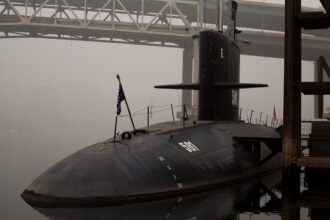
The naval war, often less visible but no less critical, is thoroughly explored. The WAR Room highlights the devastating effectiveness of German U-boats in the Battle of the Atlantic, their attempts to starve Britain into submission through relentless submarine warfare. It delves into the Allied counter-strategies, including convoy systems, anti-submarine warfare (ASW) technologies, and the vital role of intelligence gathering. The article also examines the broader naval strategies, including amphibious landings, fleet engagements, and the crucial role of naval power in projecting force across vast distances and maintaining supply lines.
The Human Element: Morale, Leadership, and the Common Soldier
While focusing on strategy and tactics, The WAR Room never loses sight of the human element. The article acknowledges that even the most brilliant plans can falter without effective leadership and the unwavering resolve of the common soldier. It explores the factors that influenced troop morale, the psychological toll of modern warfare, and the importance of effective leadership in maintaining discipline and inspiring courage. The article highlights how individual bravery and small-unit initiative often played a crucial role in the success of larger operations.
The Intelligence Imperative: Espionage, Codebreaking, and Information Warfare
The WAR Room underscores the fact that the Second World War was as much a war of information as it was a war of bullets and bombs. The article delves into the critical role of intelligence in shaping strategic decisions and executing tactical maneuvers. It reveals the far-reaching impact of espionage, codebreaking, and the manipulation of information in gaining a decisive advantage.
Decoding the Enemy: Enigma and Ultra
The impact of codebreaking is a central narrative thread. The WAR Room dedicates significant attention to the breaking of the German Enigma code and the subsequent intelligence advantage gained by the Allies, codenamed “Ultra.” It explains how this intelligence was used to anticipate enemy movements, reroute convoys, and plan successful operations, significantly shortening the war and saving countless lives. The article explores the organizational structures and ingenious methods employed by codebreakers at Bletchley Park and elsewhere.
The Shadow War: Espionage and Special Operations
Beyond overt military action, the article explores the clandestine activities that shaped the conflict. The WAR Room examines the role of espionage networks, the use of agents provocateurs, and the operations of special forces units. It highlights how intelligence gathered from behind enemy lines provided invaluable insights into enemy plans, troop dispositions, and logistical capabilities. The article also discusses the psychological warfare employed by both sides, seeking to demoralize the enemy and influence public opinion in neutral countries.
Deception and Misinformation: The Art of Masking Intent
The manipulation of information was a potent weapon. The WAR Room details instances of elaborate deception campaigns, designed to mislead the enemy about Allied intentions and troop movements. From dummy installations to carefully leaked misinformation, these operations aimed to divert enemy resources and sow confusion. The article illustrates how understanding and anticipating enemy deceptions was also a crucial aspect of intelligence work.
The Crucible of Fire: Key Offensives and Decisive Engagements
The WAR Room moves beyond abstract strategy to examine the application of these doctrines in the heat of battle. The article provides detailed analyses of key offensive operations and decisive engagements that fundamentally altered the course of the war, showcasing the tactical nuances and strategic foresight that led to victory or defeat.
The Eastern Front: Barbarossa to Stalingrad
The brutal and titanic struggle on the Eastern Front is given considerable weight. The WAR Room dissects the initial German successes of Operation Barbarossa, the immense logistical challenges faced by the invaders, and the desperate Soviet defense. The Battle of Stalingrad is presented as a pivotal turning point, a brutal attritional contest that bled the German army and marked the beginning of its long retreat. The article explores the scorched-earth policies, the partisan warfare, and the sheer scale of human suffering and sacrifice on this vast and unforgiving front.
D-Day and the Liberation of Europe
The Allied invasion of Normandy, D-Day, is presented as a masterclass in combined operations and logistical planning. The WAR Room examines the meticulous preparations, the deception efforts, the airborne operations, and the bloody fighting on the beaches. It then follows the subsequent Allied advance across Western Europe, highlighting key battles like the Battle of the Bulge and the race for Berlin. The strategic importance of securing beachheads and pushing inland is analyzed in detail.
The Pacific Inferno: Guadalcanal to Okinawa
The war in the Pacific, characterized by its unique geographical challenges and fierce amphibious landings, is explored in depth. The WAR Room details the critical battles of Guadalcanal, Midway, and Leyte Gulf, showcasing the evolution of naval and air power in this theater. The grueling Island Hopping campaign, with its relentless series of battles from island to island, is analyzed, highlighting the sacrifices made and the strategic rationale behind securing forward bases for the eventual invasion of Japan.
The Home Front: The Industrial War Machine
While primarily focused on military strategy, The WAR Room acknowledges the indispensable role of the home front in fueling the war effort. The article touches upon the industrial mobilization, the development of new technologies, and the sacrifices made by civilians to support the troops. The ability of nations to sustain prolonged warfare was heavily dependent on their industrial capacity and the commitment of their populations.
In exploring the intricate strategies and pivotal moments of World War II, readers may find the insights presented in The WAR Room World War II particularly enlightening. For those interested in a deeper understanding of the war’s impact on global politics, a related article can be found at this link, which delves into the various military operations that shaped the course of history during this tumultuous period.
The Legacy of Conflict: Lessons Learned and Enduring Impacts
| Country | Casualties | Deaths | Prisoners of War |
|---|---|---|---|
| United States | 407,300 | 418,500 | 130,201 |
| United Kingdom | 383,600 | 450,900 | 384,000 |
| Soviet Union | 10,000,000 | 24,000,000 | 4,000,000 |
| Germany | 5,533,000 | 5,533,000 | 3,300,000 |
The WAR Room concludes by reflecting on the profound and enduring legacy of World War II, both in terms of military strategy and its broader impact on the global order. The article emphasizes that the lessons learned in this devastating conflict continue to inform military thinking and geopolitical considerations to this day.
The Evolution of Warfare: From Total War to Modern Doctrine
The article discusses how the scale and nature of World War II fundamentally altered the understanding of warfare. It ushered in an era of total war, where entire societies were mobilized for the conflict. The development of new weapons, the integration of air, land, and sea power, and the emphasis on logistics and intelligence laid the groundwork for modern military doctrine. The article explores how concepts like strategic bombing and combined arms warfare continue to evolve.
The Geopolitical Reshaping: The Rise of Superpowers and the Cold War
The WAR Room examines how the war irrevocably reshaped the global political landscape. It led to the decline of old European empires and the rise of two new superpowers, the United States and the Soviet Union, setting the stage for the ideological struggle of the Cold War. The article analyzes how the wartime alliances fractured and new geopolitical tensions emerged as a direct consequence of the conflict’s resolution.
The Moral and Ethical Quandaries: The Responsibility of Command
The conflict raises significant moral and ethical questions that continue to be debated. The WAR Room acknowledges the immense human cost of the war, the atrocities committed, and the difficult decisions faced by leaders. It explores the concept of “just war” and the moral responsibilities of those in command. The article suggests that understanding these ethical dimensions is as crucial as understanding the tactical maneuvers.
The Enduring Lessons: The Importance of Preparedness and Diplomacy
Ultimately, The WAR Room aims to provide a comprehensive understanding of World War II strategy and tactics, offering valuable insights for contemporary times. The article concludes that the conflict serves as a perpetual reminder of the importance of preparedness, the dangers of unchecked aggression, and the perpetual necessity of diplomacy in averting future conflicts. The intricate tapestry of strategy, innovation, and human endeavor woven within The WAR Room offers a compelling testament to the complexities of war and the profound consequences of human decision-making on a global scale.

Why Hitler Lost Because of Fuel
FAQs
What was the WAR Room in World War II?
The WAR Room in World War II was a central command center where military leaders and strategists would gather to plan and coordinate military operations during the war.
Where were the WAR Rooms located during World War II?
The WAR Rooms were located in various countries involved in World War II, including the United Kingdom, the United States, Germany, and Japan. Each country had its own central command center for military operations.
What was the purpose of the WAR Room during World War II?
The purpose of the WAR Room was to provide a centralized location for military leaders to analyze intelligence, make strategic decisions, and coordinate military actions in order to achieve victory in the war.
Who had access to the WAR Room during World War II?
Access to the WAR Room was restricted to high-ranking military officials, government leaders, and key personnel involved in military planning and operations.
How did the WAR Room impact the outcome of World War II?
The WAR Room played a crucial role in shaping the outcome of World War II by providing a space for military leaders to strategize and coordinate their efforts, ultimately contributing to the Allied victory in the war.