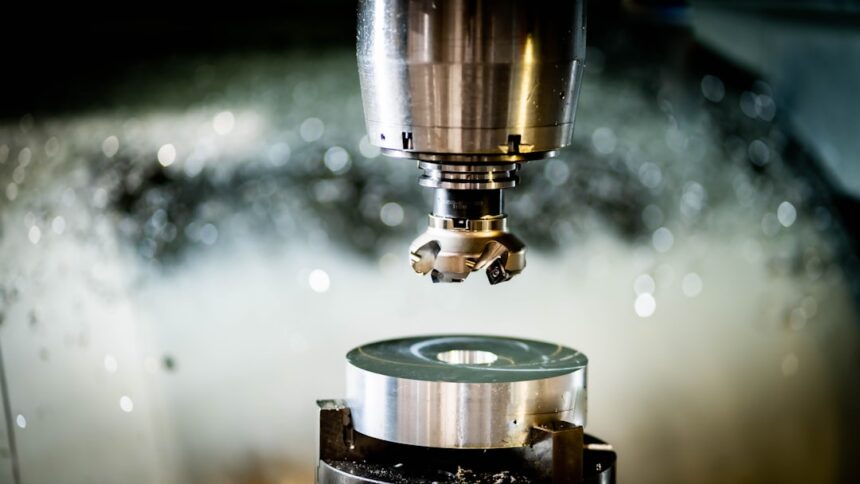
The quest for knowledge, especially in the realm of technological advancement, has always been a driving force for nations. When one nation possesses a capability that grants it a significant strategic advantage, others inevitably seek to understand and replicate it. Such was the case with the Soviet Union’s pursuit of advanced precision milling technology, a pursuit that involved espionage, reverse engineering, and a determined drive to close the perceived technological gap with the West. This article will delve into the intricate details of how the USSR acquired and adapted precision milling technology, exploring the methods employed, the motivations behind these actions, and the ultimate impact on Soviet industrial and military capabilities.
The mid-20th century was a period of intense ideological and military competition. For the Soviet Union, lagging behind the United States and its allies in key technological areas posed a fundamental threat to its security and its aspirations as a global superpower. Precision milling, as a manufacturing process, was not merely about creating finely crafted objects; it was the bedrock upon which advanced machinery, weaponry, and intricate components were built. Without it, the Soviet Union faced an uphill battle in producing high-performance aircraft, rocketry, sophisticated electronics, and even critical components for its burgeoning industrial base.
The Arms Race as a Catalyst
The Cold War, a protracted standoff characterized by proxy conflicts and a constant state of readiness, directly fueled the Soviet Union’s hunger for advanced technology. The development of nuclear weapons, guided missiles, and advanced combat aircraft demanded components manufactured to exceptionally tight tolerances. Standard milling techniques could not achieve the required levels of accuracy, leading to performance limitations and an increased risk of failure in critical systems. The United States, with its expanding advanced manufacturing sector, held a significant advantage in this crucial arena.
Industrial Modernization Goals
Beyond the military implications, the Soviet Union also harbored ambitions for widespread industrial modernization. To move beyond a primarily resource-based economy and to compete on a global scale, it needed to produce higher-quality consumer goods, more efficient machinery for its own factories, and sophisticated tools for its scientific research endeavors. Precision milling was identified as a key enabler for this broader economic transformation.
The theft of precision milling technology by the USSR during the Cold War is a fascinating topic that highlights the lengths to which nations will go to gain a technological edge. For a deeper understanding of this historical event and its implications, you can read a related article that explores the intricacies of espionage and industrial espionage during that era. Check it out here: The Impact of Industrial Espionage in the Cold War.
The Web of Espionage: Unraveling Western Secrets
The Soviet Union’s approach to acquiring advanced Western technology was multifaceted, with espionage playing a central and often clandestine role. Intelligence agencies were tasked with identifying, acquiring, and disseminating information on cutting-edge manufacturing processes and equipment used in the West, particularly in the United States and Western Europe. This information often served as the blueprint for subsequent reverse engineering efforts.
The Role of Human Intelligence
Human intelligence, or HUMINT, was a vital component of the Soviet intelligence apparatus. Agents were strategically placed in Western industrial firms, research institutions, and even government agencies to gain access to proprietary information. These operatives, often motivated by ideology, financial incentives, or coercion, would surreptitiously collect technical documents, blueprints, and operational manuals related to precision milling machines and their usage.
The “Illegals” and Their Missions
Specialized intelligence operatives, known as “illegals,” often operated under deep cover for extended periods, building lives and careers in the West to facilitate their access to sensitive information. Their missions were meticulously planned, aiming to infiltrate key sectors of the defense and manufacturing industries where precision milling technology was at the forefront.
Technical Intelligence and Signals Interception
Beyond human agents, the Soviets also employed technical intelligence gathering methods. This included the interception of electronic communications, photographic intelligence from aerial reconnaissance, and the analysis of captured Western equipment. Each data point, no matter how seemingly small, contributed to a larger picture of Western technological capabilities.
The Sophistication of Electronic Espionage
The interception of radio communications and other electronic signals played a role in understanding the operational parameters and capabilities of advanced milling machines. This form of intelligence gathering, while less direct than HUMINT, could provide insights into machine performance and application.
Reverse Engineering: From Blueprint to Soviet Machine
Once invaluable technical data was acquired through espionage, the Soviet Union embarked on an ambitious program of reverse engineering. This painstaking process involved taking Western machines or detailed designs and meticulously dissecting them to understand their underlying principles, components, and manufacturing methods.
The “Analogs” Program
A significant effort was directed towards creating Soviet “analogs” of Western-made precision milling machines. This was not simply a matter of copying; it involved understanding the advanced materials science, metallurgical techniques, and intricate design philosophies that underpinned the Western technology.
Recreating Complex Systems
The challenge lay not only in replicating the physical form of the machines but also in understanding the sophisticated control systems, the precision of the cutting tools, and the overall manufacturing environment required for their optimal operation. This often meant overcoming significant gaps in Soviet material science and engineering expertise.
Adapting to Soviet Capabilities
The reverse engineering process was not always a direct replication. Soviet engineers were tasked with adapting the designs to utilize materials and manufacturing capabilities available within the USSR. This often led to innovations and modifications, sometimes necessitated by limitations, other times by strategic choices to optimize for domestic production.
The Challenge of Component Manufacturing
One of the most significant hurdles was the ability to manufacture the highly precise components required for these advanced machines. The very technology they were trying to replicate was essential for producing the parts needed to build the machines themselves, creating a cyclical challenge.
The Impact on Soviet Industry and Military Might
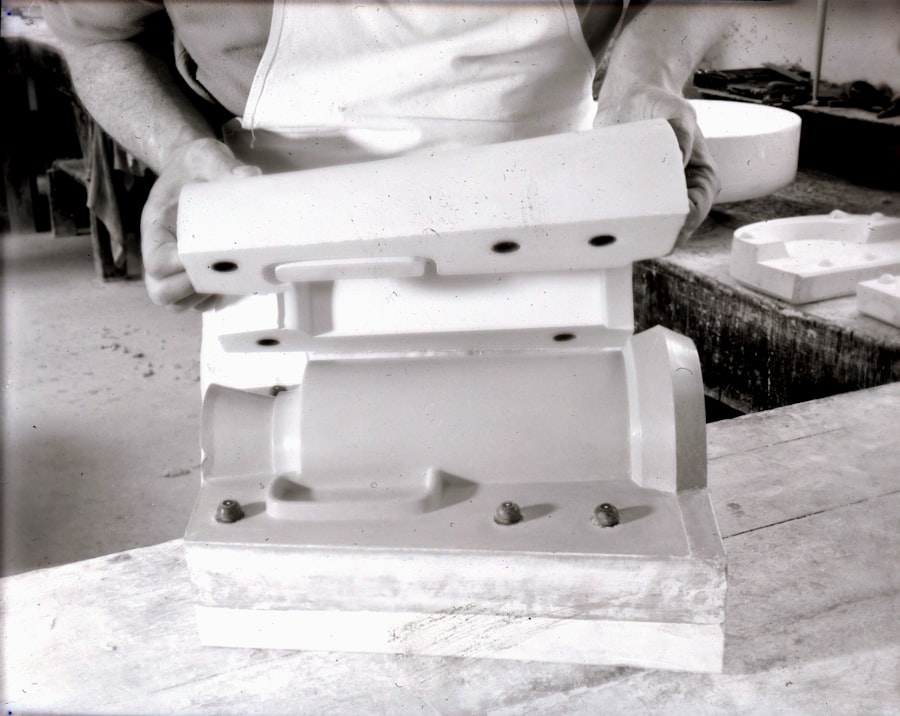
The successful acquisition and adaptation of precision milling technology had a profound and far-reaching impact on the Soviet Union. It allowed for a significant leap forward in the quality and sophistication of its industrial output and, more critically, its military hardware.
Advancements in Aerospace and Rocketry
The development of modern aircraft, with their complex aerodynamic surfaces and high-performance engines, demanded unparalleled precision in manufacturing. Similarly, the construction of intercontinental ballistic missiles (ICBMs) and space rockets required components that could withstand extreme forces and temperatures, necessitating highly accurate machining of exotic materials. Precision milling became a cornerstone for these endeavors.
The Engine of Progress
With access to better milling capabilities, Soviet engineers could design and produce more powerful and reliable jet engines, lighter and stronger airframes, and more sophisticated guidance systems. This directly contributed to closing the performance gap with Western air forces and expanding the Soviet Union’s reach into space.
The Evolution of Weapon Systems
From the barrels of artillery pieces to the intricate mechanisms of firearms, precision was a key determinant of effectiveness. The USSR’s ability to produce higher-quality barrels, more accurate targeting systems, and more reliable firing mechanisms significantly bolstered the performance of its conventional and nuclear weapon systems.
The Edge in Precision-Guided Munitions
As the 20th century progressed, the development of precision-guided munitions (PGMs) became increasingly important. The advanced milling technologies acquired by the Soviets were crucial for manufacturing the complex seeker heads, control surfaces, and internal components of these weapons, enhancing their accuracy and effectiveness.
The Backbone of Heavy Industry
Beyond the military, the availability of precision milling technology also benefited Soviet heavy industry. The ability to manufacture more durable and efficient machine tools, complex gears for industrial machinery, and high-quality components for infrastructure projects contributed to the overall modernization of the nation’s industrial base.
The Foundation for Innovation
With access to advanced manufacturing capabilities, Soviet scientists and engineers were better equipped to pursue innovative research and development across various fields, laying the groundwork for future technological advancements.
The history of technological espionage during the Cold War is fascinating, particularly when examining how the USSR managed to acquire precision milling technology from the West. This theft not only accelerated the Soviet Union’s industrial capabilities but also highlighted the intense competition between superpowers. For a deeper understanding of this topic, you can explore a related article that delves into the intricate details of these espionage activities and their implications on global politics. To read more, visit this article.
Legacies and Lasting Implications
| Metric | Description | Impact | Time Period |
|---|---|---|---|
| Technology Transfer Incidents | Number of documented cases where precision milling technology was illicitly obtained by the USSR | Accelerated Soviet industrial and military manufacturing capabilities | 1950s-1980s |
| Precision Milling Accuracy | Improvement in Soviet milling machine accuracy after technology acquisition | From ±0.1 mm to ±0.01 mm, matching Western standards | 1960s-1970s |
| Industrial Output Increase | Growth in Soviet precision-machined components production | Estimated 30% increase in aerospace and defense parts manufacturing | 1970s-1980s |
| Espionage Operations | Number of known espionage missions targeting precision milling technology | At least 15 major operations documented by US intelligence | 1950s-1980s |
| Reverse Engineering Success Rate | Percentage of Western milling machines successfully reverse engineered by USSR | Approximately 70% | 1960s-1980s |
The Soviet Union’s determined efforts to acquire and adapt precision milling technology represent a fascinating case study in technological transfer, espionage, and the strategic imperatives of the Cold War. While the methods employed were often clandestine, the ultimate outcome was a significant elevation of Soviet industrial and military capabilities.
The Double-Edged Sword of Technology Transfer
This historical episode highlights the complex and often ethically ambiguous nature of technology transfer, particularly in the context of intense geopolitical rivalry. The pursuit of vital technologies, whether through legitimate means or less transparent ones, has always been a recurring theme in the development of nations.
The Ethical Quandaries of Espionage
The article does not seek to condone or condemn the actions of any nation. Instead, it aims to illuminate the historical reality of how technological advancements can be pursued and the significant consequences of such pursuits on the global stage. The lines between legitimate research, industrial competition, and espionage often blurred during this era.
The enduring influence of acquired expertise
The expertise gained through reverse engineering and the subsequent development of indigenous precision milling capabilities continued to influence Soviet and, later, Russian manufacturing practices long after the Cold War. The knowledge base established during this period served as a foundation for continued innovation and adaptation in the field.
A testament to Human Ingenuity and Determination
The Soviet Union’s success in acquiring and adapting precision milling technology is a testament to the ingenuity and determination of its engineers and scientists. Facing significant technological disadvantages, they were able to leverage intelligence and their own inventive capabilities to achieve remarkable results, demonstrating the powerful drive for technological self-sufficiency.

WATCH NOW ▶️ WARNING: The $17M Deal That Blinded The US Navy
FAQs
What was precision milling and why was it important during the Cold War?
Precision milling is a manufacturing process that involves the accurate shaping of metal parts using computer-controlled machines. During the Cold War, it was crucial for producing advanced military equipment, aerospace components, and industrial machinery, giving countries with this technology a strategic advantage.
How did the USSR acquire precision milling technology?
The USSR obtained precision milling technology through a combination of espionage, reverse engineering, and industrial espionage. Soviet agents infiltrated Western companies and research institutions to steal blueprints, technical documents, and machinery designs related to precision milling.
What impact did the theft of precision milling technology have on the USSR’s military capabilities?
By acquiring precision milling technology, the USSR was able to improve the quality and performance of its military hardware, including aircraft, missiles, and tanks. This technological boost helped the Soviet Union to better compete with the United States and NATO forces during the Cold War.
Were there any notable incidents or cases related to the theft of precision milling technology?
Yes, several espionage cases during the Cold War involved the theft of precision milling and other advanced manufacturing technologies. These cases often led to arrests and heightened security measures in Western countries to protect sensitive industrial information.
How did Western countries respond to the threat of technology theft by the USSR?
Western countries increased counterintelligence efforts, implemented stricter export controls, and enhanced security protocols within industries involved in advanced manufacturing. They also invested in developing new technologies and improving existing ones to maintain a technological edge over the USSR.