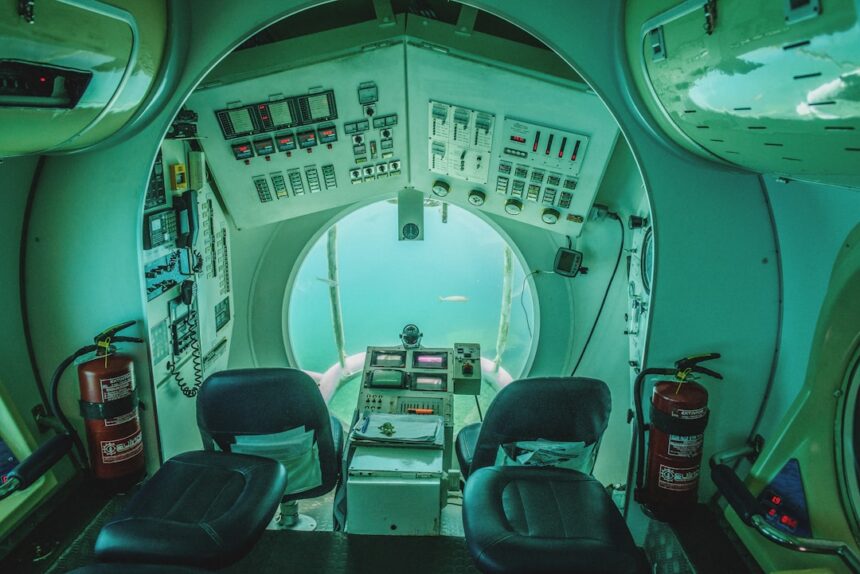
The icy depths of the North Atlantic held secrets, and among them, the silent, deadly presence of a Soviet submarine. For the US Navy, the hunt for this elusive adversary was more than just a game of cat and mouse; it was a critical intelligence-gathering operation, a test of technological prowess, and a stark reminder of the constant, simmering tension of the Cold War. This was no ordinary patrol; it was a calculated pursuit, a dance on the edge of detection, where every ping of sonar and every subtle shift in water temperature held immense significance.
The initial detection of the Soviet submarine was a triumph of modern surveillance. Decades of investment in hydroacoustic technology had culminated in a network of listening posts, both surface and subsurface, capable of discerning the faintest whispers from the ocean’s vast expanse. These systems, a complex symphony of sensors and algorithms, were designed to identify the unique acoustic signatures of various submarine classes. The telltale rumble of a specific engine type, the distinctive whine of a propeller, or even the subtle hum of its internal systems could be traced, analyzed, and categorized.
The Genesis of the Hunt
The genesis of this particular hunt can be traced back to a confluence of factors. Intelligence reports had indicated increased Soviet submarine activity in a strategically important region. This could have been due to a variety of reasons: a new submarine class undergoing trials, a deployment aimed at projecting power, or even a perceived threat to Soviet interests. Whatever the specific catalyst, the presence of a potentially hostile submarine operating in close proximity to NATO shipping lanes or vital undersea infrastructure immediately elevated the alert status.
Whispers in the Data Stream
The first indication wasn’t a clear, definitive sighting, but rather a subtle anomaly in the vast data streams generated by the Navy’s Acoustic Analysis Center (AAC). Analyst teams, working around the clock, sifted through terabytes of audio data, looking for patterns that deviated from the norm. It was akin to finding a single, out-of-tune instrument in a vast orchestra. This initial whisper, this faint acoustic fingerprint, was enough to trigger a more focused investigation.
The Silent Giant Emerges
Once a potential contact was flagged, the operational phase began in earnest. This wasn’t a matter of simply pointing and shooting. The ocean is a challenging environment for detection, a vast, three-dimensional space where sound behaves in unpredictable ways. The submarine, designed for stealth, employed a range of countermeasures to evade detection.
The Art of Evasion
Soviet submarines of this era were sophisticated machines. They were equipped with advanced quieting technology, designed to minimize their acoustic footprint. This included advanced hull coatings to absorb sonar pings, propeller designs that reduced cavitation noise, and sophisticated machinery isolation techniques. Furthermore, they possessed the ability to operate at extreme depths, below the thermocline, where sonar transmission and reception are significantly degraded. They could also employ decoys and noise-making devices to confuse pursuers.
The Cat and Mouse Game
The hunt devolved into a classic cat and mouse game. The US Navy assets, primarily submarines and maritime patrol aircraft, were tasked with maintaining contact and, if possible, tracking the Soviet vessel. This required a delicate balance of offensive and defensive maneuvers, constantly trying to pinpoint the submarine’s location without revealing their own presence.
In a fascinating exploration of Cold War naval operations, an article on the US Navy’s relentless pursuit of Soviet submarines provides a gripping account of the underwater cat-and-mouse game that defined a significant era in military history. The article delves into the strategies employed by the US Navy to track and monitor Soviet submarines, highlighting key technological advancements and intelligence efforts. For more insights into this intriguing subject, you can read the full article at In the War Room.
The Technological Arsenal Deployed
The US Navy brought its most advanced technological arsenal to bear on the elusive Soviet submarine. This was not just about brute force; it was about sophisticated intelligence gathering and precision tracking. The ocean, however, remained a formidable adversary, with its layers of temperature, salinity, and pressure, all of which could distort and deflect sonar signals.
Subsurface Predators
The backbone of the hunter force were the US Navy’s own submarines. These were the apex predators of the underwater world, designed for stealth and armed with the latest sonar technology. Their ability to operate submerged for extended periods, blending seamlessly with the environment, made them ideal for prolonged pursuit.
The Silent Hunter
Each US submarine involved in the hunt was a marvel of engineering. Its hull was designed to minimize acoustic reflection, and its propulsion system was exceptionally quiet. The sonar suite was state-of-the-art, featuring both passive and active sonar capabilities. Passive sonar listened for sounds emitted by the target, while active sonar sent out pulses of sound and analyzed the echoes. The operators of these sonar systems were highly trained, capable of distinguishing the subtle nuances of underwater sounds.
The Advantage of Depth
Operating at depth provided a significant advantage. The varying layers of water temperature, known as thermoclines, could act as “channels” for sound, allowing a submarine to transmit its sonar pulses over long distances, but also creating “shadow zones” where sounds were muffled or completely blocked. The Soviet submarine would exploit these features, moving between layers and using the ocean’s natural acoustics to its advantage.
Aerial Eyes in the Sky
Maritime patrol aircraft played a crucial role in the hunt, acting as mobile aerial platforms for sonar and electronic surveillance. These aircraft were equipped with sophisticated sensors that could detect submarines in various ways.
The P-3 Orion’s Vigil
Aircraft like the Lockheed P-3 Orion were indispensable. These robust turboprop aircraft were designed for long-endurance maritime surveillance. They carried advanced sonobuoys, which are expendable acoustic sensors dropped into the water. These buoys transmitted sound information back to the aircraft, extending the P-3’s “ears” across a vast area. They also carried magnetic anomaly detectors (MAD), which could sense the subtle disturbance in the Earth’s magnetic field caused by a large metal object like a submarine.
The Sonobuoy Network
The strategic deployment of sonobuoys created a vast, invisible net. Each sonobuoy, once deployed, would begin transmitting its acoustic data. The information from hundreds of sonobuoys, triangulated and analyzed by the aircraft’s computers, could provide a broader picture of the underwater environment and help pinpoint the submarine’s general location. However, a submarine’s ability to maneuver and dive deep could still make it a difficult target for sonobuoys alone.
The Challenges of the Deep
The ocean is a capricious environment, and its inherent complexities presented the most significant challenges to the US Navy’s hunt. The very medium in which the submarines operated was a double-edged sword, capable of both concealing and revealing.
The Ocean’s Acoustic Maze
The behavior of sound in water is far from simple. It is affected by a multitude of factors, including temperature, salinity, and pressure. These variables create layers within the ocean, known as the sound channel, which can either amplify or attenuate acoustic signals.
The Thermocline’s Deception
The thermocline, a layer where water temperature changes rapidly, was a particular challenge. Sound waves tend to bend and refract at these boundaries, creating “shadow zones” where a submarine could effectively disappear from sonar. A clever submariner would use these layers to their advantage, hugging the bottom or riding the sound channel to avoid detection.
Bottom Bounce and Surface Ducting
Other acoustic phenomena, like “bottom bounce” (where sonar signals reflect off the ocean floor) and “surface ducting” (where signals are trapped between the surface and a shallow thermocline), could also create misleading echoes or completely mask a target. The US Navy’s sonar operators had to be acutely aware of these environmental factors and constantly adjust their interpretation of the acoustic data.
The Stealth Factor
The Soviet submarine itself was designed with stealth as its paramount feature. Minimizing its acoustic signature was a constant battle for the US Navy’s detection systems.
Quieting Technology
Modern Soviet submarines employed sophisticated quieting technologies. Advanced hull coatings, designed to absorb sonar pings rather than reflect them, were a key component. The propellers were also designed to be exceptionally quiet, minimizing the characteristic “churn” that gave away a submarine’s position. Internal machinery was isolated and dampened to reduce vibrations that could travel through the hull.
Countermeasures and Deception
Beyond passive quieting, Soviet submarines were equipped with active countermeasures. These could include the deployment of decoys – devices that mimicked the acoustic signature of a submarine – or the deliberate generation of noise to confuse pursuers. The US Navy had to develop sophisticated algorithms to differentiate between genuine contacts and these deceptive tactics.
The Intelligence War Behind the Scenes
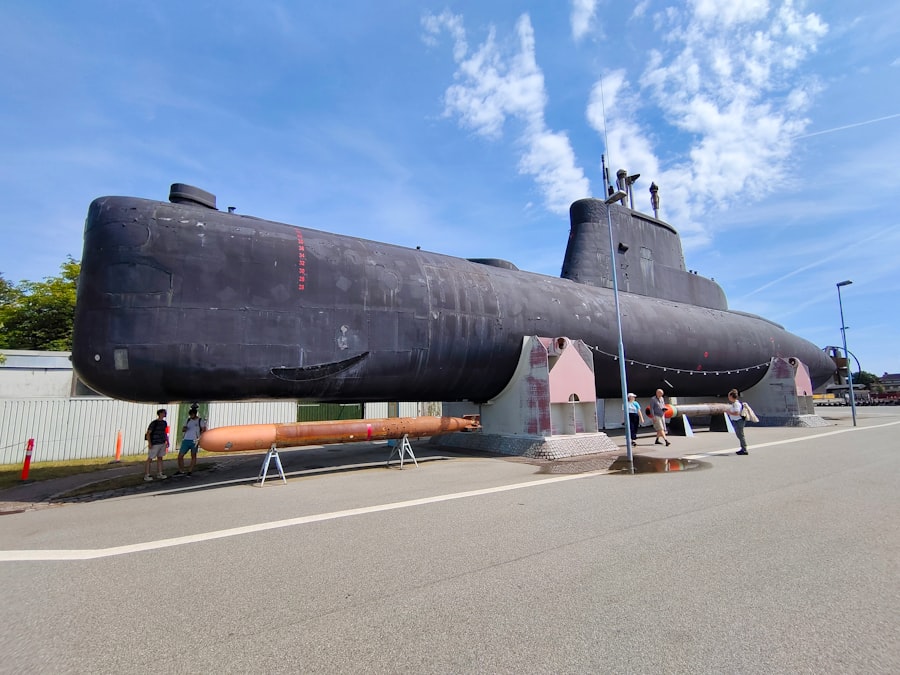
While the physical hunt played out in the vastness of the ocean, a parallel and equally crucial battle was being waged in the realm of intelligence. Understanding the adversary’s intentions, capabilities, and operational patterns was as vital as any sonar ping.
Signals Intelligence (SIGINT)
The interception and analysis of enemy electronic emissions played a significant role in the hunt. Even the most stealthy submarine had to communicate, and these communications, however brief and encrypted, could provide invaluable clues.
Electronic Whispers
Naval intelligence units were constantly monitoring the electromagnetic spectrum for any transmissions originating from Soviet vessels. This included radar emissions, radio communications, and even the incidental electronic noise generated by the submarine’s systems. Sophisticated direction-finding equipment could pinpoint the general location of these transmissions, narrowing the search area.
Cryptography and Decryption
Once intercepted, the challenge shifted to decryption. Highly skilled cryptanalysts worked tirelessly to break Soviet encryption methods, hoping to glean information about the submarine’s orders, its current position, or its intended route. Even partial decryption could provide a significant advantage.
Human Intelligence (HUMINT)
While perhaps less direct in a submarine hunt, human intelligence could still play a supporting role. Information gathered from defectors, spies, or other intelligence sources could provide context about Soviet naval doctrine, new submarine deployments, or potential areas of interest.
The Human Element
Sources within the Soviet naval infrastructure, even if they didn’t have direct knowledge of the specific submarine, could provide valuable insights into broader Soviet naval strategies. This could include information about patrol routes, training exercises, or the types of missions certain submarine classes were assigned. This intelligence, when correlated with other data, could help predict where the submarine might be operating.
In a fascinating exploration of Cold War naval operations, a recent article details how the US Navy hunted Soviet submarines during a tense period of geopolitical rivalry. The intricate strategies and technologies employed by the Navy highlight the lengths to which the United States went to maintain maritime superiority. For a deeper understanding of these covert operations, you can read more in this insightful piece found here. The article not only sheds light on the tactics used but also reflects on the broader implications of submarine warfare during that era.
The Elusive Prize and its Aftermath
| Date | Location | Submarine Type | Outcome |
|---|---|---|---|
| October 1962 | Caribbean Sea | Foxtrot-class | Successful detection and monitoring |
| November 1970 | North Atlantic | Golf II-class | Escaped after being detected |
| March 1984 | North Pacific | Victor-class | Forced to surface and captured |
The ultimate success of the hunt was not always measured by a dramatic confrontation, but often by the successful acquisition of vital intelligence. The mere act of tracking and identifying an adversary’s movements provided invaluable insights into their capabilities and intentions.
The Value of Observation
Even if the Soviet submarine was never directly confronted, the intelligence gathered during its pursuit was of immense value. Understanding how it moved, how it evaded detection, and what its operational patterns were provided crucial data for future counter-submarine warfare strategies.
Understanding Soviet Capabilities
Each successful tracking operation, however brief, offered a glimpse into the technological advancements and operational doctrines of the Soviet Navy. This knowledge was critical for maintaining a strategic advantage and developing effective defenses. The data collected on the submarine’s acoustic signature, its maneuverability, and its response to various detection methods contributed to a constantly evolving understanding of the threat.
The Psychological Impact
The persistent presence of US Navy assets, even if unseen, could also have a psychological impact on the Soviet submariners. The knowledge that they were being hunted, even if they were successfully evading detection, could influence their operational decisions and create an element of pressure.
A Constant Shadow
The awareness that a US Navy submarine or aircraft might be just over the horizon, listening, watching, and waiting, could subtly alter the way the Soviet crew operated. This constant, albeit invisible, pressure could lead to mistakes or force them to alter their mission profiles.
The Never-Ending Vigil
The hunt for this particular Soviet submarine, like so many others during the Cold War, was a microcosm of the larger, ongoing struggle for technological and strategic superiority. It highlighted the dedication of the sailors and airmen involved, the sophistication of their equipment, and the unforgiving nature of the underwater battlefield. While the specific details of individual hunts often remained classified, the underlying reality was clear: the US Navy maintained a constant, silent vigil beneath the waves, prepared for any challenge the adversary might present. The lessons learned from these pursuits were continuously integrated into training, technology, and strategy, ensuring that the nation’s maritime defenses remained as sharp as the ocean’s cold, dark depths.
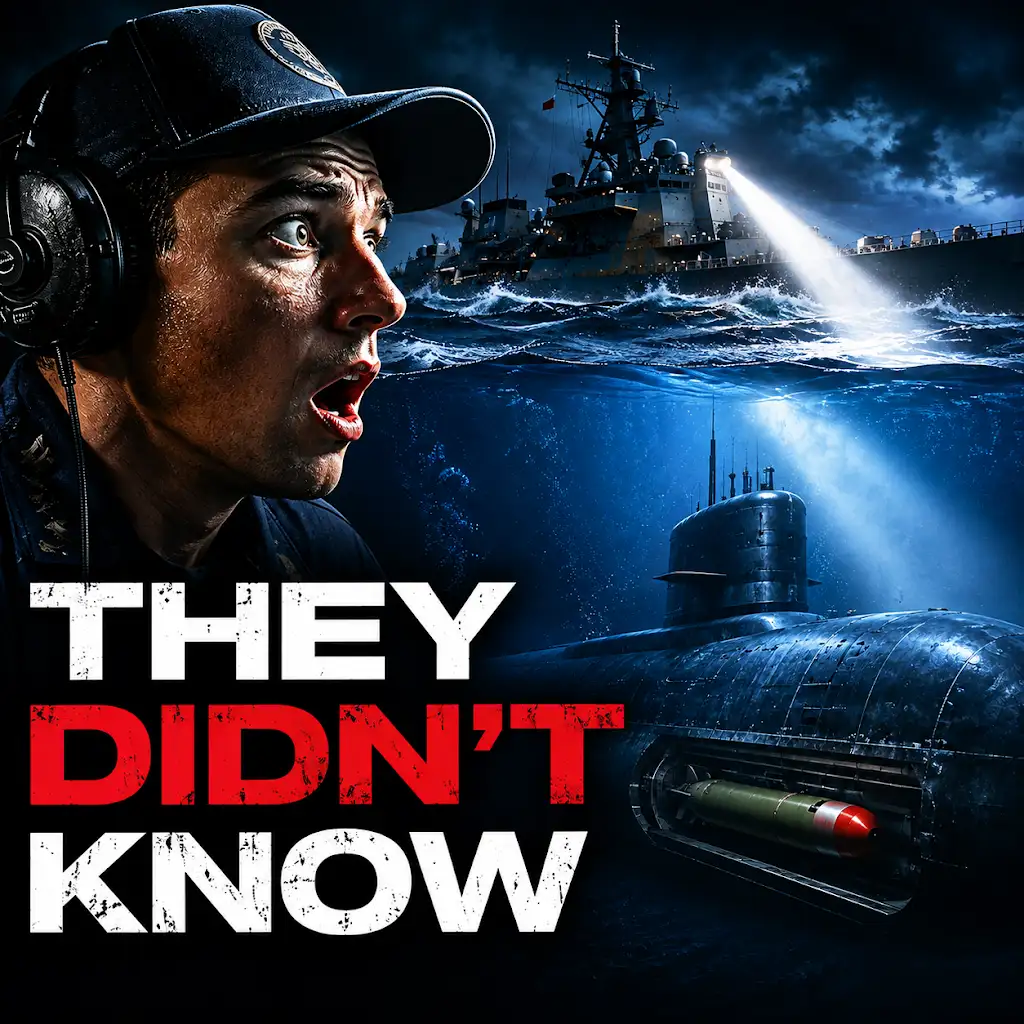
The U.S. Navy Didn’t Know This Submarine Had a Nuclear Torpedo
FAQs
What was the US Navy’s mission in hunting Soviet submarines?
The US Navy’s mission in hunting Soviet submarines was part of the Cold War-era strategy to monitor and track Soviet naval activity, particularly their submarine fleet, in order to maintain strategic advantage and deter potential threats.
How did the US Navy hunt Soviet submarines?
The US Navy used a variety of methods to hunt Soviet submarines, including deploying anti-submarine warfare aircraft, surface ships, and submarines equipped with sonar and other detection technology. Additionally, the Navy utilized intelligence gathering and surveillance to track Soviet submarine movements.
What were the challenges faced by the US Navy in hunting Soviet submarines?
The challenges faced by the US Navy in hunting Soviet submarines included the vast expanse of the ocean, the ability of Soviet submarines to operate quietly and evade detection, and the need to constantly adapt to advancements in Soviet submarine technology.
What were the implications of the US Navy’s efforts in hunting Soviet submarines?
The US Navy’s efforts in hunting Soviet submarines had significant implications for Cold War geopolitics, as it allowed the US to maintain awareness of Soviet naval activities and respond to potential threats. It also contributed to the overall balance of power and deterrence between the US and the Soviet Union.
How did the US Navy’s efforts in hunting Soviet submarines impact naval warfare and strategy?
The US Navy’s efforts in hunting Soviet submarines influenced the development of anti-submarine warfare tactics, technology, and strategy. It also underscored the importance of maintaining a strong naval presence and surveillance capabilities to protect national security interests.