The chilling winds of October 1962 whipped across the North Atlantic, carrying with them not just sea spray, but the suffocating weight of a world teetering on the brink of annihilation. Amidst this unprecedented global tension, a solitary figure, Vasili Arkhipov, a Soviet submarine officer, found himself at the epicenter of a potential nuclear apocalypse. His story, often overshadowed by the grand pronouncements of world leaders, is a testament to the power of individual courage and the profound responsibility that rests on the shoulders of those who hold the keys to unimaginable destruction. The narrative of Vasili Arkhipov is not just a footnote in the Cuban Missile Crisis; it is a pivotal chapter, a story of a man whose calm demeanor and adherence to protocol, against immense pressure, may have saved humanity from itself.
The summer of 1962 had been a period of escalating rhetoric and covert maneuvers. The Cold War, a protracted ideological and geopolitical struggle between the United States and the Soviet Union, had reached a fever pitch. The United States, under President John F. Kennedy, was deeply concerned about the growing Soviet influence in Cuba, particularly after Fidel Castro’s revolution. This concern morphed into outright alarm when U-2 spy planes discovered irrefutable evidence of Soviet ballistic missile installations being constructed on the island, just 90 miles off the coast of Florida.
The Cuban Conundrum: A Strategic Chessboard
Cuba, a small Caribbean nation, had become a pawn in the larger global game of chess. Following the failed Bay of Pigs invasion in 1961, where a CIA-backed force of Cuban exiles attempted to overthrow Castro, the Soviet Union saw an opportunity to bolster its ally and, crucially, to project its power directly into America’s sphere of influence.
Soviet Motivations: Deterrence and Diplomacy
Nikita Khrushchev, the Soviet Premier, viewed the deployment of missiles in Cuba as a strategic masterstroke. It was a calculated gamble to counter the American Jupiter missiles stationed in Turkey, which posed a direct threat to the Soviet Union. By placing offensive missiles so close to the US, Khrushchev aimed to achieve a degree of strategic parity and to force a reassessment of the global balance of power. Furthermore, it was seen as a way to deter any future attempts by the US to interfere with Cuba’s sovereignty.
American Reactions: From Discovery to Defiance
The discovery of the missile sites on October 14, 1962, sent shockwaves through Washington. President Kennedy convened his Executive Committee of the National Security Council (ExComm) to deliberate on a response. The options were stark and terrifying: a full-scale invasion of Cuba, which risked triggering a Soviet response and potentially World War III, or a naval blockade (termed a “quarantine” by the US to avoid the implication of an act of war) to prevent further Soviet shipments of military equipment. The world held its breath as the two superpowers engaged in a tense standoff.
The Submerged Threat: Soviet Submarines on Patrol
While the world’s attention was riveted on the unfolding drama above the waves, a silent and deadly ballet was taking place beneath them. The Soviet Union had deployed a fleet of diesel-electric submarines to the Caribbean, tasked with a variety of missions, including reconnaissance, disrupting American naval movements, and, crucially, carrying nuclear torpedoes. Among these submarines was the B-59, a Project 641 (Foxtrot-class) vessel.
The B-59: A Floating Crucible of Tension
The B-59 was a formidable submarine, designed for extended patrols in hostile waters. Its crew, including its political officer and two commanding officers, was on a mission that was as perilous as it was secret. They were operating under extremely difficult conditions, with limited communication capabilities with Moscow and under constant threat from American naval forces. The atmosphere aboard the B-59 was already one of heightened anxiety, a microcosm of the global tension.
The story of Vasili Arkhipov, who played a crucial role in preventing a nuclear war during the Cuban Missile Crisis, highlights the importance of individual decision-making in moments of crisis. For a deeper understanding of the events surrounding this pivotal moment in history, you can read a related article that explores the broader implications of nuclear deterrence and the lessons learned from near-misses in the Cold War era. Check it out here: Vasili Arkhipov and the Cold War’s Nuclear Tensions.
The Brink of Annihilation: The Cuban Missile Crisis Unfolds
The 13 days of the Cuban Missile Crisis were a period of unprecedented fear and uncertainty. The world watched as the superpowers engaged in a dangerous game of brinkmanship, with each move carrying the potential for catastrophic escalation. The tension was palpable, and the stakes could not have been higher.
The Quarantine and the Standoff
On October 22, 1962, President Kennedy announced the naval quarantine around Cuba. This meant that any ship attempting to enter Cuban waters suspected of carrying offensive weapons would be intercepted and boarded by American naval forces. The world waited with bated breath as Soviet ships approached the quarantine line. The potential for a confrontation at sea was very real.
The U-2 Incident: A Spark Ignites Fear
On October 27, 1962, known as “Black Saturday,” a U-2 spy plane piloted by Major Rudolf Anderson Jr. was shot down over Cuba by a Soviet surface-to-air missile. This event dramatically escalated the crisis. Many in the US military and government pushed for an immediate retaliatory strike against Soviet forces in Cuba, which would almost certainly have led to a wider conflict.
The Submarine’s Perilous Journey
While the world grappled with the possibility of nuclear war, the crew of the B-59 found themselves in a precarious position. The submarine had been detected by the US Navy, which had initiated anti-submarine warfare (ASW) drills in the vicinity. These drills involved dropping practice depth charges, which, while not intended to sink the submarines, were designed to force them to the surface.
Depth Charges and Psychological Warfare
The crew of the B-59, unaware that these were practice charges, believed they were under direct attack. The constant bombardment of depth charges caused significant stress and disorientation. The submarine was forced to dive deeper to evade the perceived attacks, pushing its systems and its crew to their limits. The isolation and the constant threat amplified the psychological pressure on board.
Vasili Arkhipov: The Man in the Eye of the Storm

Within the confines of the B-59, amidst the deafening roar of depth charges and the suffocating anxiety of potential war, stood Vasili Arkhipov. He was the flotilla commander, a man of considerable experience and responsibility, serving as the second-in-command to Captain Valentin Savitsky. His role on this fateful voyage was to ensure the proper functioning of the submarine and to provide guidance and support to the captain.
A Chain of Command Under Duress
The Soviet submarine fleet, and indeed the entire Soviet military, operated under a strict hierarchical command structure. In many cases, submarines carrying nuclear weapons had a dual command system. Captain Savitsky was the commanding officer, but Arkhipov, as flotilla commander, also had significant authority. Crucially, for certain highly sensitive situations, the consent of three officers was required to launch nuclear weapons: the captain, the political officer, and the flotilla commander.
The Weight of Command
Arkhipov was not merely a sailor following orders; he was a man tasked with making life-or-death decisions under immense duress. The pressure from the American naval forces was relentless, and the crew of the B-59 was growing increasingly agitated. Captain Savitsky, believing they were on the verge of a full-scale naval engagement and potentially nuclear war, was inclined to authorize the use of their nuclear torpedoes.
The Protocol of Nuclear Release
The existence of nuclear torpedoes on Soviet submarines like the B-59 was a closely guarded secret. These weapons were intended as a last resort, a deterrent against overwhelming odds. However, the protocol for their deployment was complex and designed to prevent impulsive actions. The consent of three key officers was required, a safeguard against a single individual making a decision that could trigger global catastrophe.
A Difference of Opinion
On the surface, the situation looked dire. The B-59 was cornered, detected, and being battered by what they believed to be an attack. Captain Savitsky, convinced that they were facing imminent destruction and that a retaliatory strike was their only option, moved to authorize the launch of their nuclear torpedo. However, Vasili Arkhipov held a different view.
The Decisive Moment: A Single Voice Against the Tide

The narrative of the B-59’s ordeal on October 27, 1962, hinges on the critical disagreement between Captain Savitsky and Vasili Arkhipov. While Savitsky was advocating for immediate nuclear retaliation, Arkhipov remained steadfast in his opposition, citing the lack of clear authorization from Moscow and the devastating implications of such an action.
The Argument Within the Submarine
Accounts from survivors and historical analysis suggest that a heated debate ensued within the cramped confines of the B-59’s command center. Captain Savitsky, blinded by the fear and the immediate threat, argued that the Americans were attacking and that they had no choice but to respond with their most potent weapon. The political officer, Ivan Maslennikov, initially sided with Savitsky.
Arkhipov’s Counterarguments: Prudence and Protocol
Vasili Arkhipov, however, brought a crucial element of reason and adherence to protocol to the volatile situation. He argued that the “attacks” were likely practice depth charges and that launching a nuclear torpedo without explicit orders from the Kremlin would be an act of madness, not heroism. He reminded Savitsky of the chain of command and the devastating global consequences that would inevitably follow such an unauthorized launch. His calm demeanor and reasoned arguments began to chip away at Savitsky’s conviction.
The Power of Dissent
The ability of Arkhipov to dissent, to challenge the authority of his captain in such a critical moment, is what makes his story so remarkable. He did not shy away from the responsibility of his position. He understood the gravity of the situation and the potential for a catastrophic miscalculation. His courage lay not in wielding a weapon, but in refusing to authorize its use.
A Breath of Hope
Through persistent reasoning and a firm refusal to consent to the launch, Arkhipov managed to persuade Captain Savitsky to reconsider. It was a tense and prolonged negotiation, conducted under the immense pressure of perceived imminent destruction. Eventually, Savitsky relented. The decision was made not to launch the nuclear torpedo.
The story of Vasili Arkhipov, who played a crucial role in preventing a potential nuclear war during the Cuban Missile Crisis, highlights the importance of individual decision-making in moments of global tension. For those interested in exploring similar narratives of courage and restraint in the face of crisis, an insightful article can be found at In the War Room, which delves into other pivotal moments in history where the threat of nuclear conflict loomed large.
The Aftermath and the Untold Legacy
| Event | Date | Location | Outcome |
|---|---|---|---|
| Vasili Arkhipov prevents nuclear war | October 27, 1962 | Onboard Soviet submarine B-59 near Cuba | Arkhipov’s intervention prevented the launch of a nuclear torpedo, averting a potential nuclear war during the Cuban Missile Crisis |
The immediate aftermath of the crisis saw the world breathing a collective sigh of relief. The Cuban Missile Crisis was de-escalated through a series of diplomatic exchanges and concessions. However, the story of Vasili Arkhipov and his crucial role remained largely unknown to the wider public for decades.
The Return to Port: A Secret Kept
The B-59 eventually surfaced and returned to Soviet waters. The officers and crew were debriefed, and the events aboard the submarine were documented. However, given the extreme sensitivity of the situation and the nature of the weapons involved, the full details of the near-catastrophe were not widely disseminated. The Soviet government, understandably, was not eager to publicize a narrative that highlighted a potential rogue launch from one of its own submarines.
The Silence of History
For many years, the world remained unaware of the extent to which humanity had come to the brink of nuclear war due to a decision made within a single Soviet submarine. The focus of historical accounts of the Cuban Missile Crisis primarily centered on the high-stakes negotiations between Kennedy and Khrushchev, the diplomatic maneuvering, and the palpable fear of global conflict. Arkhipov’s story was a hidden chapter, a secret whispered among those who knew.
The Revelation and Recognition
It was not until the late 20th century and the opening of some Soviet archives that the true significance of Vasili Arkhipov’s actions began to emerge. Historians and researchers, piecing together testimonies and documents, started to uncover the harrowing details of the B-59’s encounter with American forces. Arkhipov’s name began to surface as the man who, through his courage and adherence to principle, averted a global catastrophe.
A Hero Unsung for Decades
The recognition of Arkhipov as a pivotal figure in preventing nuclear war was a slow process. He was not a politician or a celebrated military leader in the traditional sense. He was a submariner, performing his duty in the most dangerous circumstances imaginable. His heroism was not one of open battle, but of quiet, resolute dissent.
The Enduring Lesson: The Human Element in Crisis
The story of Vasili Arkhipov serves as a profound reminder of the human element in even the most technologically advanced and politically charged conflicts. While missiles and nuclear arsenals hold immense destructive power, it is ultimately the decisions of individuals, under immense pressure, that can determine the fate of nations and the world.
The Importance of Prudence and Restraint
Arkhipov’s decision underscores the critical importance of prudence, restraint, and adherence to established protocols, even when faced with extreme provocation. His ability to think rationally and to resist the temptation of immediate, albeit devastating, retaliation is a lesson that resonates deeply in a world still grappling with the specter of nuclear proliferation.
A Legacy of Peace
Vasili Arkhipov died in 1998, a man who carried the weight of his secret for decades. His legacy, however, is one that continues to inspire. He is a reminder that heroism can be found in the most unexpected places and that sometimes, the greatest act of courage is to say “no” when all around you are screaming “yes.” His untold story is a powerful testament to the fact that individual decisions, even those made in the silent depths of the ocean, can indeed save the world.
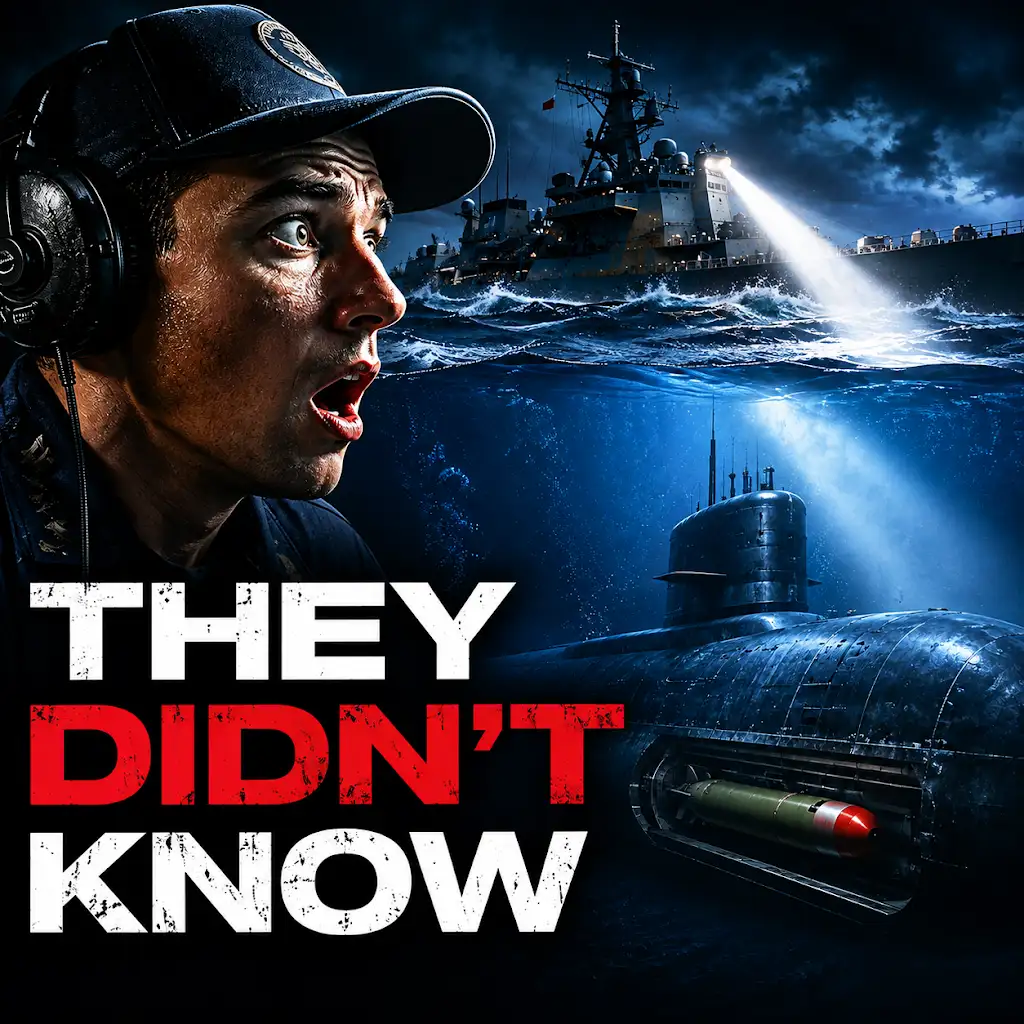
The U.S. Navy Didn’t Know This Submarine Had a Nuclear Torpedo
FAQs
What is the Vasili Arkhipov nuclear war story?
The Vasili Arkhipov nuclear war story refers to the critical role played by Soviet naval officer Vasili Arkhipov during the Cuban Missile Crisis in 1962. Arkhipov’s decision to vote against launching a nuclear torpedo prevented a potential nuclear war between the United States and the Soviet Union.
What happened during the Cuban Missile Crisis?
The Cuban Missile Crisis was a 13-day confrontation between the United States and the Soviet Union in October 1962. It was sparked by the discovery of Soviet ballistic missiles in Cuba, which prompted a tense standoff and brought the world to the brink of nuclear war.
How did Vasili Arkhipov prevent a nuclear war?
During the Cuban Missile Crisis, a Soviet submarine, B-59, was located by US Navy forces and subjected to depth charges. The submarine’s crew, who had lost contact with Moscow, believed that war had already broken out. When the captain and political officer of the submarine voted to launch a nuclear torpedo, Arkhipov, as the flotilla commander, vetoed the decision, preventing a potential nuclear exchange.
What was the significance of Vasili Arkhipov’s decision?
Vasili Arkhipov’s decision to prevent the launch of a nuclear torpedo was crucial in averting a nuclear war between the United States and the Soviet Union. His actions demonstrated the importance of individual decision-making in high-stakes situations and highlighted the potential consequences of nuclear brinkmanship.
How is Vasili Arkhipov remembered today?
Vasili Arkhipov is remembered as a hero who helped prevent a nuclear catastrophe during the Cuban Missile Crisis. His actions have been widely recognized and celebrated, and he is considered a symbol of the importance of level-headed decision-making in times of crisis.