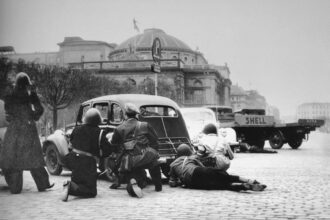
The echoes of World War II, a conflict that reshaped the global landscape and inflicted unimaginable human suffering, continue to resonate through history. While vast narratives of battles, leaders, and overarching strategies have been meticulously documented, countless personal accounts, lesser-known operational theaters, and the quiet acts of resilience often remain obscured by the sheer magnitude of the war’s familiar story. It is precisely into these often-overlooked corners that “The Untold Stories of World War II: A Historical Documentary” ventures, promising a fresh and deeply human perspective on this pivotal era. This ambitious documentary series aims to move beyond the well-trodden paths, unearthing testimonies and shedding light on the experiences of individuals whose roles, though crucial, have been relegated to the footnotes of historical consensus. By focusing on the human element, the series seeks to remind audiences that behind every grand statistic and geopolitical maneuver lay millions of individual lives, each with its own profound narrative of courage, sacrifice, and endurance.
Whispers from the Shadows: Unveiling Unseen Theaters
The conventional recounting of World War II often centers on the major fronts: the Eastern Front with its brutal clashes, the Western Front with its D-Day landings, and the Pacific Theater’s island hopping campaigns. “The Untold Stories” consciously diverts from this established trajectory, dedicating significant segments to the less publicized, yet equally vital, arenas of conflict and resistance. These are the places where the war’s impact was felt with a unique intensity, where the stakes were life and death, and where the sacrifices made, though perhaps less celebrated, were no less profound. The documentary’s strength lies in its ability to illuminate these shadowed corners, bringing to the forefront stories that have been historically overshadowed or deliberately marginalized.
The Arctic Convoys: A Lifeline Through Frozen Seas
One of the most harrowing and underappreciated campaigns of the war was the perilous journey of the Arctic Convoys. These vital supply lines ferried much-needed matériel from Allied nations to the Soviet Union, navigating treacherous ice-choked waters, relentless U-boat attacks, and the biting cold. The documentary delves into the lives of the merchant mariners and naval escorts who braved these brutal conditions. It’s a story not of glorious victories, but of sheer, unyielding perseverance against overwhelming odds. Through interviews with surviving veterans and poignant archival footage, viewers witness the constant anxiety, the harrowing moments of attack, and the profound sense of duty that kept these convoys moving. The series explores the strategic importance of these convoys, highlighting how they directly contributed to the Soviet Union’s ability to withstand and eventually push back the German onslaught on the Eastern Front. The sheer human cost of this operation, often overlooked in favor of more dramatic land battles, is laid bare, reminding viewers of the vast network of support and sacrifice that underpinned the Allied war effort.
Resistance Networks Beyond the Front Lines
While overt warfare dominated headlines, a silent war was being waged by courageous individuals within occupied territories. “The Untold Stories” shines a much-needed spotlight on these clandestine networks of resistance. It moves beyond the simplistic portrayal of partisan fighters to explore the intricate webs of espionage, sabotage, and humanitarian aid organized by ordinary citizens. The documentary explores the multifaceted nature of resistance, from the coded messages passed through seemingly innocuous channels to the daring acts of sabotage that disrupted enemy supply lines. It highlights the immense personal risks involved, where a misplaced word or a suspicious glance could lead to imprisonment, torture, or execution. The series examines the logistical challenges of operating in secrecy, the constant fear of betrayal, and the moral complexities faced by those who chose to resist. By focusing on specific examples, such as the French Maquis, the Polish Home Army, or the Danish resistance, the documentary offers a nuanced understanding of the diverse forms resistance took and the extraordinary bravery of those who participated.
For those interested in delving deeper into the complexities of World War II history, a fascinating article can be found at this link: World War II History Documentary. This resource provides insightful analysis and compelling narratives that enhance our understanding of the war’s impact on global events and society. Whether you’re a history enthusiast or a casual viewer, this documentary offers a comprehensive look at the pivotal moments that shaped the 20th century.
Faces of Valor: Ordinary People, Extraordinary Deeds
The grand tapestry of World War II is woven with the threads of individual courage. “The Untold Stories” deliberately shifts its focus from the generals and strategists to the countless ordinary individuals who, thrust into extraordinary circumstances, demonstrated remarkable bravery, resilience, and selflessness. These are the stories that humanize the conflict, reminding us that heroism is not confined to the battlefield or the decorated officer corps. The documentary seeks to capture the essence of these personal narratives, allowing viewers to connect with the experiences of those who might otherwise be lost to history.
The Unsung Heroes of the Home Front
The war effort was not solely fought on distant shores; the home front played an indispensable role in sustaining the conflict. “The Untold Stories” dedicates attention to the men and women who kept factories running, rationed supplies, and maintained morale under the constant threat of air raids and deprivation. The documentary explores the immense pressure and sacrifice borne by civilians, from women stepping into traditionally male roles in war production to children enduring the anxieties of wartime. It highlights the psychological toll of living under the shadow of war, the anxieties of waiting for news from loved ones overseas, and the resilience of communities coming together to support each other. The series offers a glimpse into the everyday realities of rationing, the ingenuity born of necessity, and the profound sense of collective purpose that characterized the home front experience in many nations.
The Plight and Perseverance of Prisoners of War
The experience of being a Prisoner of War (POW) represents one of the most profound human traumas of the war. “The Untold Stories” dedicates a significant portion of its narrative to the harrowing realities faced by Allied and Axis POWs. The documentary goes beyond the commonly known narratives of Stalag Luft III to explore the diverse and often brutal conditions of various POW camps across different theaters of war. It delves into the physical and psychological suffering, the constant struggle for survival, the camaraderie that often formed in the face of adversity, and the desperate attempts to maintain dignity and hope. The series includes personal testimonies from survivors, detailing their experiences of starvation, forced labor, and the ever-present threat of violence. It also examines the efforts made by POWs to organize, escape, or resist their captors, showcasing acts of incredible bravery and resourcefulness in the most dire of circumstances. Furthermore, the documentary touches upon the post-war struggles of POWs, the lingering trauma, and the challenges of reintegration into civilian life.
The Human Cost: Beyond the Battlefield Statistics

The statistics of World War II are staggering: millions dead, cities in ruins, and economies devastated. “The Untold Stories” endeavors to translate these abstract figures into tangible human experiences. It seeks to convey the profound emotional and social impact of the war on individuals, families, and entire societies. The documentary acknowledges that the war’s legacy extends far beyond the cessation of hostilities, shaping generations and leaving indelible scars on the collective psyche.
For those interested in exploring the complexities of World War II history, a fascinating documentary can be found at In the War Room, which delves into the strategic decisions and pivotal moments that shaped the conflict. This resource offers a comprehensive look at the war’s impact on global politics and society, making it an essential viewing for history enthusiasts.
The Shadow of Occupation: Life Under Foreign Rule
The occupation of territories by enemy forces fundamentally altered the lives of millions. “The Untold Stories” explores the multifaceted experiences of civilians living under occupation, moving beyond simple narratives of oppression. The documentary examines the complex choices faced by individuals: collaboration, resistance, or a desperate attempt to survive. It sheds light on the economic hardships, the social dislocations, and the erosion of freedoms that characterized life under occupation. The series delves into the psychological impact of living under constant surveillance and the fear of reprisal, as well as the resilience and resourcefulness of communities in maintaining their cultural identity and supporting one another. It highlights instances of both brutal repression and, conversely, of unexpected acts of kindness and solidarity that emerged in the most challenging of circumstances.
The Long Road to Reconciliation and Remembrance
The end of the war did not signify an end to suffering for many. “The Untold Stories” addresses the often-difficult process of reconciliation and the enduring quest for remembrance. The documentary explores the challenges faced by survivors in rebuilding their lives, grappling with loss, and coming to terms with the trauma they endured. It examines the efforts made to bring perpetrators to justice, the complexities of war crimes trials, and the lingering questions of accountability. Furthermore, the series highlights the crucial work of historians, archivists, and museums in preserving the memory of the war and ensuring that its lessons are not forgotten. It underscores the importance of personal testimonies and diverse perspectives in creating a more complete and nuanced understanding of this pivotal moment in human history, emphasizing that true remembrance requires acknowledging both the grand sweep of events and the deeply personal stories that compose them.
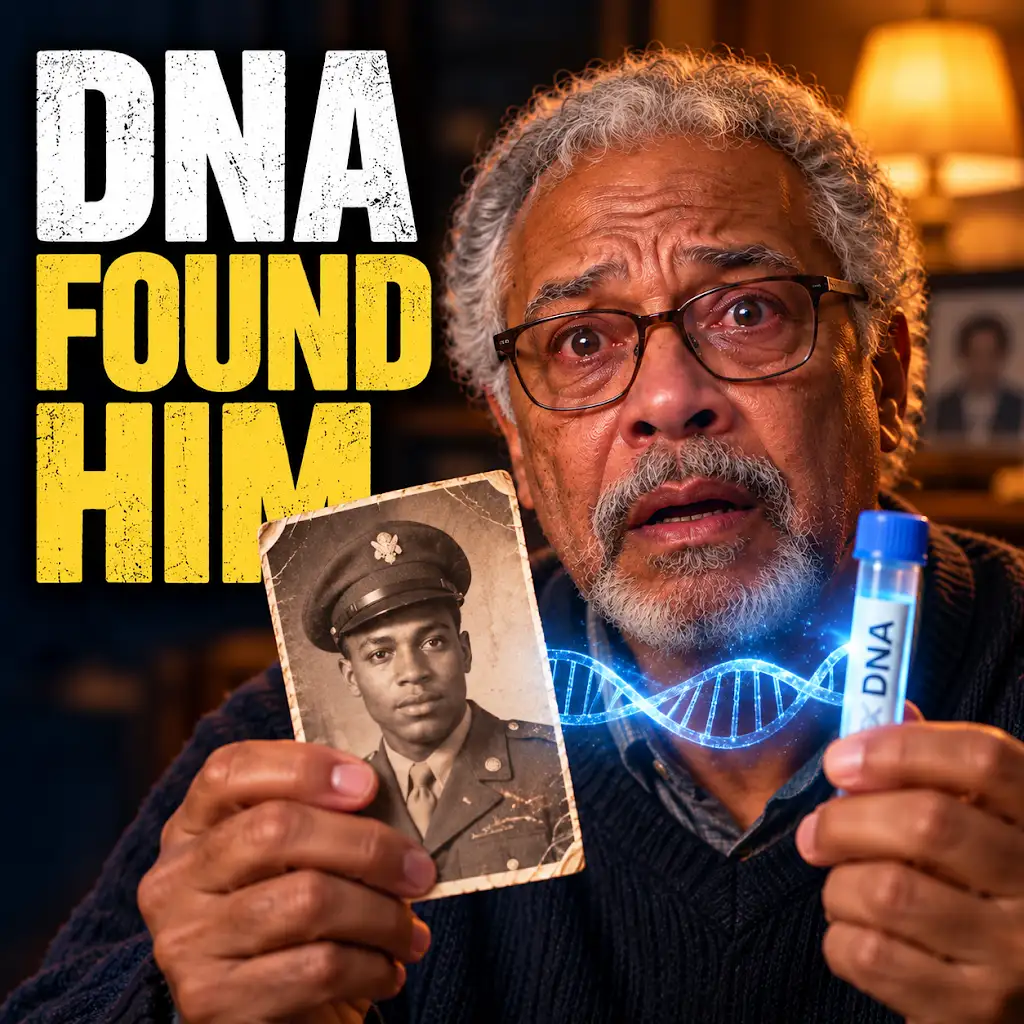
His WWII GI Father Was a Mystery for Nearly 80 Years
FAQs
What is the focus of the World War II history documentary?
The World War II history documentary focuses on the events, key figures, and impact of the Second World War, providing a comprehensive overview of this significant period in history.
Who are the key figures featured in the World War II history documentary?
The documentary features key figures such as political leaders, military commanders, resistance fighters, and civilians who played pivotal roles during World War II, including Winston Churchill, Adolf Hitler, Franklin D. Roosevelt, Joseph Stalin, and Anne Frank.
What archival footage is included in the World War II history documentary?
The documentary includes a wealth of archival footage from the time period, showcasing battles, bombings, propaganda, and daily life during World War II. This footage provides viewers with a firsthand look at the realities of the war.
How does the World War II history documentary explore the impact of the war?
The documentary explores the impact of World War II on a global scale, examining how the war reshaped societies, economies, and geopolitics around the world. It also delves into the human cost of the war, including the millions of lives lost and the lasting trauma experienced by survivors.
Where can viewers watch the World War II history documentary?
The World War II history documentary may be available for streaming on various platforms such as streaming services, cable networks, or online video rental services. Viewers can check with their local broadcasters or streaming platforms to find out where they can watch the documentary.