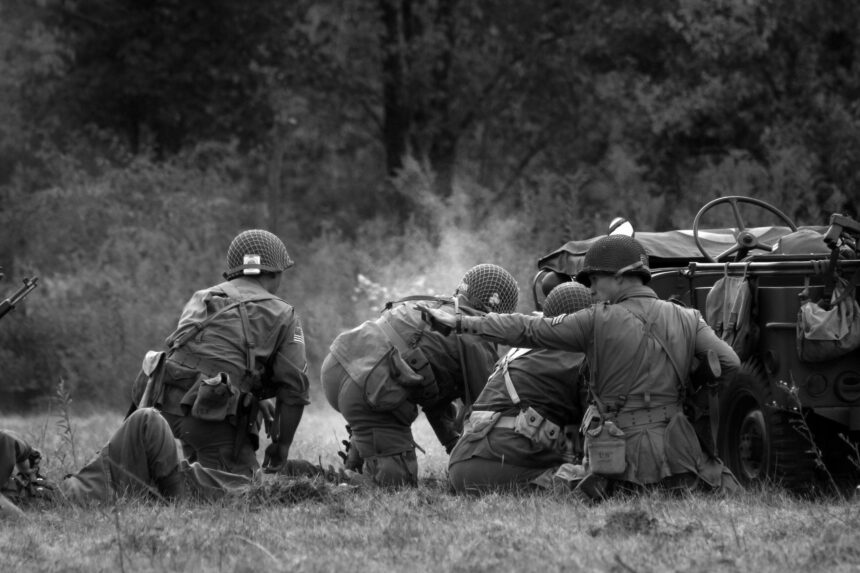
The hushed reverence that fell over the darkened cinema was palpable. As the opening credits rolled for “The Untold Stories of World War II: A Gripping Documentary,” an immediate sense of anticipation settled in the hearts of the audience. This was not just another historical retelling; the promise was of voices long silenced, of perspectives often overshadowed, of the deeply human narratives that form the true, complex tapestry of one of history’s most defining conflicts. The documentary, meticulously crafted and empathetically presented, sought to peel back the layers of grand strategy and battlefield heroism to reveal the intimate realities of war, the personal sacrifices, the unexpected acts of defiance, and the enduring impact on individuals and communities worldwide. It embarked on a journey through the shadows, unearthing stories that, for too long, had remained on the periphery of conventional historical accounts.
“The Untold Stories of World War II” masterfully transports the viewer beyond the well-trodden paths of major offensives and pivotal battles. Instead, it delves into the often-overlooked experiences of those who endured the war not on the frontlines of combat, but as direct targets of its relentless brutality. This section of the documentary powerfully illustrates the pervasive fear and resilience that characterized life for civilians living under occupation and constant threat.
Cities Under the Bombing Campaign
The documentary dedicates significant screen time to the harrowing experiences of citizens in cities subjected to relentless aerial bombardment. Through a combination of archival footage, often grainy and unsettling, and evocative reenactments, the filmmakers paint a vivid picture of the terror that descended from the skies. We witness the stark reality of air raid sirens, the desperate scramble for shelter in cramped basements and makeshift bunkers, and the gut-wrenching scenes of destruction and loss. The personal testimonies of survivors, their voices trembling with the weight of memory, describe the deafening roar of engines, the earth-shattering explosions, and the chilling aftermath of fire and rubble. These are not generalized accounts; they are individual narratives of loss, of searching for loved ones in the ruins, of the agonizing uncertainty that permeated every waking moment. The documentary emphasizes the psychological toll, the constant anxiety, and the way everyday life was irrevocably fractured by the omnipresent threat of annihilation. The sheer scale of civilian casualties is presented not as a mere statistic, but as a profound human tragedy, underscored by individual stories of those who perished and those who bore the scars, visible and invisible, for the rest of their lives.
The Breadlines and Bartering: Economic Hardship
Beyond the immediate threat of bombs, the documentary highlights the pervasive economic hardship that gripped civilian populations. Rationing, a concept many viewers may only encounter in textbooks, is brought to life through the personal struggles of obtaining basic necessities. We see images of long queues for meager rations of bread, sugar, and fuel. The filmmakers explore the ingenious and often desperate measures people took to survive, from the rise of black markets and bartering to the repurposing of everyday objects for survival. Personal anecdotes reveal the ingenuity of mothers trying to feed their children, the sacrifices made to secure a loaf of bread, and the erosion of comfort and normalcy. The documentary showcases the resilience of the human spirit in the face of scarcity, how communities banded together, and how even in the direst circumstances, small acts of kindness and generosity persevered. The narrative artfully connects these micro-economic struggles to the broader war effort, underscoring how civilian morale and survival were intrinsically linked to the outcome of the conflict.
The Psychological Warfare: Propaganda and Fear
The film also sheds light on the insidious nature of psychological warfare. It examines how propaganda, disseminated through posters, radio broadcasts, and newsreels, was used to shape public opinion, demonize the enemy, and bolster national morale. While the overt messages are often recognizable, the documentary delves deeper into the subtle ways in which fear was cultivated and exploited. It presents the stories of individuals who were deeply affected by this relentless barrage of information and misinformation, the paranoia that could take root, and the erosion of trust that sometimes followed. The impact on children, for instance, is explored through poignant anecdotes of youngsters who internalized the fear and anxiety projected by the adult world around them. The documentary underscores how the psychological battleground was as crucial as any physical one, and how the war waged in the minds of civilians had profound and lasting consequences.
For those interested in exploring the intricate details of World War II, a compelling documentary can be found at this link: World War II: A Comprehensive Overview. This documentary delves into the key events, strategies, and personal stories that shaped the conflict, providing viewers with a deeper understanding of the war’s impact on the world.
Voices from the Margins: Underrepresented Narratives
One of the most significant contributions of “The Untold Stories of World War II” is its commitment to amplifying voices that have historically been marginalized or silenced in traditional historical accounts. The documentary consciously seeks out and foregrounds the experiences of groups whose stories have often been relegated to the footnotes of history.
The Women Who Fought on All Fronts
Contrary to the prevalent narrative of men as the sole combatants, the documentary meticulously details the multifaceted roles women played in the war. It goes beyond the familiar imagery of nurses and factory workers to showcase women in more active, even clandestine, roles. We hear the stories of women who served as spies, couriers, and saboteurs, their courage and ingenuity often underestimated by the enemy. The film presents interviews with women who were part of resistance movements, risking their lives to gather intelligence, harbor fugitives, and disrupt enemy operations. Their accounts are filled with bravery, strategic thinking, and a profound sense of duty, challenging the notion that warfare was exclusively a male domain. The documentary also acknowledges the immense logistical and emotional burden placed on women who managed homes, families, and livelihoods while men were away fighting, underscoring their vital contribution to the war effort on the home front.
The Resistance: Ordinary People, Extraordinary Courage
The documentary weaves a compelling narrative of the various resistance movements that sprang up across occupied Europe. It moves beyond the idealized images of heroic leaders to focus on the ordinary individuals who, driven by a deep-seated desire for freedom and justice, risked everything. The personal stories are exceptionally moving: a baker who used his shop as a clandestine meeting point, a teacher who secretly disseminated forbidden literature, a young student who acted as a courier, carrying vital messages between resistance cells. The film highlights the immense danger faced by these individuals, the constant threat of betrayal, torture, and execution. Yet, their unwavering determination and commitment to their cause are inspiring. The documentary emphasizes the decentralized nature of many resistance efforts, showcasing how local communities often organized spontaneously to defy the occupying forces, demonstrating that acts of defiance could emerge from the most unexpected quarters.
The Plight of the Displaced and Stateless
“The Untold Stories of World War II” also bravely confronts the grim reality of displacement and statelessness that resulted from the war. It features the harrowing testimonies of refugees, forced to flee their homes due to conflict, persecution, or the redrawing of borders. The documentary explores the arduous journeys undertaken by these individuals, often on foot, facing starvation, disease, and violence. The filmmakers give voice to those who lost everything – their homes, their livelihoods, their sense of belonging – and who found themselves adrift in a world reeling from conflict. The film highlights the long-term consequences of displacement, the struggle to rebuild lives, the lingering trauma, and the enduring search for a place to call home. It serves as a poignant reminder of the human cost of war beyond the battlefield, focusing on the enduring struggles of those who were stripped of their very identities.
The Psychological Battlefield: Trauma and Resilience

Beyond the physical scars of war, “The Untold Stories of World War II” delves deeply into the psychological impact of conflict, both on those who fought and those who endured its consequences from afar. This section of the documentary is particularly moving, as it explores the profound and often lasting mental toll of war.
Shell Shock and the Invisible Wounds
The documentary provides a powerful and empathetic portrayal of “shell shock,” or what we now recognize as Post-Traumatic Stress Disorder (PTSD). Through the voices of veterans, both men and women, we hear about the terrifying experiences that left indelible marks on their psyches. The filmmakers use interviews and historical accounts to illustrate the debilitating effects of constant fear, witnessing horrific violence, and the agonizing pressure of combat. Survivors describe nightmares, flashbacks, difficulty concentrating, and a pervasive sense of alienation from the civilian world. The documentary challenges the historical stigma associated with these “invisible wounds,” highlighting how returning soldiers were often misunderstood and mistreated. It underscores the importance of acknowledging and addressing the psychological suffering that war inflicts, a suffering that often continued long after the last shot was fired.
The Long Shadow of Loss and Grief
Loss is an inevitable companion to war, and the documentary offers a deeply resonant exploration of grief. It gives voice to those who lost spouses, children, siblings, and friends, and the agonizing process of coming to terms with such profound absence. Personal anecdotes depict the emptiness left behind, the phantom sensations of loved ones’ presence, and the struggle to navigate a future without those who were integral to their lives. The film doesn’t shy away from the raw pain of grief, but it also highlights the ways in which people found strength and solace. It shows how communities rallied around those who mourned, the formation of support networks, and the quiet resilience that allowed survivors to find meaning and purpose again, however difficult the journey. The documentary underscores that grief is not a linear process, and that the scars of loss can remain for a lifetime.
Finding Meaning in the Aftermath: Rebuilding Lives
Despite the overwhelming devastation, the documentary also shines a light on the remarkable capacity for human resilience and the drive to rebuild. It showcases stories of individuals and communities who, in the face of unimaginable hardship, found ways to move forward. This section explores acts of reconciliation, the rebuilding of shattered infrastructure, and the tireless efforts to preserve the memory of those lost while forging a new future. We hear from individuals who dedicated their lives to advocating for peace, who established foundations for survivors, or who worked to document the experiences of the war for future generations. The film emphasizes that healing and recovery are not simply about forgetting, but about integrating the experiences of the past into a life lived with purpose and hope. It’s a testament to the enduring human spirit, its ability to find light even in the deepest darkness.
The Forgotten Fronts: Global Reach of the Conflict

While European and Pacific theaters are often the primary focus of World War II narratives, “The Untold Stories of World War II” endeavors to illuminate the global dimensions of the conflict, showcasing the impact of the war on regions and populations often overlooked in mainstream accounts.
The War in Asia: Beyond Pearl Harbor
The documentary dedicates an important segment to the often-underrepresented aspects of the war in Asia. It moves beyond the well-known events of Pearl Harbor and the island-hopping campaigns to explore the experiences of civilians and soldiers in regions like China, Southeast Asia, and parts of India. The film highlights the brutal Japanese occupation of these territories, the immense suffering inflicted upon local populations, and the widespread resistance movements that emerged. Personal testimonies from survivors of the Nanking Massacre and the horrors of forced labor camps provide a stark and disturbing glimpse into the atrocities committed. The documentary also touches upon the complex political dynamics of the region and the varied experiences of local populations caught between different occupying powers and emerging nationalist movements.
Africa’s Contribution: Unsung Heroes and Resources
Africa’s significant contribution to the Allied war effort is finally given its due in this documentary. It showcases the vital role played by African soldiers who fought with distinction in various theaters, often facing discrimination and hardship. The film details their bravery on the frontlines in North Africa, Burma, and even in Europe, highlighting their tactical skills and unwavering commitment. Beyond the soldiers, the documentary explores how the war impacted African colonies, with many providing crucial raw materials and resources for the Allied war machine. It addresses the economic exploitation and the complex legacy of these contributions, noting how the promise of independence for many African nations was often deferred or manipulated by colonial powers throughout the war. The film brings to light the stories of individuals and communities in Africa whose sacrifices and efforts were integral to the eventual Allied victory.
The Home Fronts Beyond Europe and North America
The documentary extends its gaze to the experiences of civilians on the home fronts of nations beyond the primary belligerents. It explores the impact of the war on countries like Australia and New Zealand, detailing their contributions to the Pacific theater and the experiences of their citizens. Furthermore, it touches upon the ripple effects of the global conflict on populations in Latin America, the Middle East, and other regions, examining how these areas were impacted by trade disruptions, the movement of troops, and the shifting geopolitical landscape. This broadens the understanding of World War II not just as a clash between major powers, but as a global event with far-reaching consequences for societies across the entire planet, underscoring the interconnectedness of human experience during this tumultuous period.
If you’re interested in exploring the complexities of World War II further, you might find the article on the impact of propaganda during the war particularly enlightening. This piece delves into how various nations used media to shape public perception and morale, providing a deeper understanding of the psychological aspects of the conflict. You can read more about it in this insightful article here.
Enduring Legacies: Lessons and Reminders
| Documentary Title | Director | Release Year | Duration |
|---|---|---|---|
| The World at War | Peter Batty | 1973 | 26 episodes, 52 minutes each |
| Apocalypse: The Second World War | Isabelle Clarke, Daniel Costelle | 2009 | 6 episodes, 52 minutes each |
| WWII in HD | Various | 2009 | 10 episodes, 45 minutes each |
“The Untold Stories of World War II: A Gripping Documentary” does not merely recount past events; it looks to the future, drawing profound lessons from the sacrifices and the struggles of the past. This final section emphasizes the enduring impact of the war and its relevance to contemporary understanding.
The Seeds of Modern Geopolitics
The documentary effectively illustrates how the decisions and events of World War II laid the groundwork for much of the modern geopolitical landscape. It explores the emergence of new superpowers, the redrawing of global borders, and the establishment of international institutions like the United Nations, all of which were direct or indirect consequences of the war. The film touches upon the early stages of the Cold War, hinting at the ideological divisions that would soon emerge and shape international relations for decades. By connecting past decisions to present realities, the documentary provides crucial context for understanding the ongoing challenges and complexities of global politics. It suggests that the lessons learned, or often unlearned, from this period continue to inform contemporary international relations and potential conflicts.
The Importance of Remembrance and Reconciliation
A central theme woven throughout the documentary is the vital importance of remembrance. It underscores that acknowledging the past, in all its complexity, is crucial for preventing future atrocities. The film features interviews with historians and survivors who advocate for continuous education and memorialization to ensure that the sacrifices made are not forgotten and that the lessons of war are passed down to future generations. The documentary also explores the delicate and often challenging process of reconciliation. It highlights instances where former enemies have worked towards understanding and healing, demonstrating that even after the deepest wounds, it is possible to build bridges and foster mutual respect. This aspect of the film offers a message of hope, suggesting that forgiveness and understanding are attainable goals, even in the face of profound historical injustices.
A Call to Action: Vigilance in the Face of Tyranny
Ultimately, “The Untold Stories of World War II” serves as a powerful and timely call to action. By revealing the devastating human cost of unchecked aggression and the dangers of indifference, the documentary implores viewers to remain vigilant against the resurgence of tyranny and hatred in any form. The personal testimonies, the accounts of unimaginable suffering, and the stories of extraordinary courage come together to form a powerful reminder of what is at stake when fundamental human rights are threatened. The film encourages active participation in civic life, the promotion of dialogue, and the unwavering defense of democratic values. It leaves the audience with a profound sense of responsibility, urging them to learn from the past and to actively contribute to building a more just, peaceful, and understanding world. The untold stories, finally brought to light, resonate not as a mere historical record, but as a living testament to the enduring human struggle for freedom and dignity.

Why Hitler Lost Because of Fuel
FAQs
What is the focus of the WW2 documentary?
The focus of the WW2 documentary is to provide a comprehensive and in-depth look at the events, key figures, and impact of World War II. It aims to educate and inform viewers about the various aspects of the war, including the political, social, and military elements.
Who produced the WW2 documentary?
The WW2 documentary was produced by [Production Company Name], a renowned and respected production company known for creating high-quality and informative documentaries. The production team includes historians, researchers, and filmmakers who have expertise in the subject matter.
Where can the WW2 documentary be viewed?
The WW2 documentary can be viewed on various platforms, including streaming services, television networks, and online video platforms. It may also be available for purchase or rental through DVD or digital download.
What makes the WW2 documentary unique?
The WW2 documentary stands out for its use of rare archival footage, interviews with historians and veterans, and detailed analysis of key events and strategies. It offers a comprehensive and nuanced perspective on the war, shedding light on lesser-known aspects and providing a deeper understanding of the conflict.
How long is the WW2 documentary?
The length of the WW2 documentary may vary, but it typically spans several hours, allowing for a thorough exploration of the war and its impact. Viewers can expect a detailed and immersive viewing experience that covers the major events and developments of World War II.