The whispers began in hushed tones within naval circles, tales of a new leviathan being forged in the clandestine depths of German shipyards. While the world was locked in the brutal embrace of World War Two, a desperate race for technological supremacy was also unfolding beneath the waves. Germany, having learned harsh lessons from the Great War’s U-boat campaigns, was pouring vast resources into developing submarines that transcended mere vessels of war. These were not just underwater torpedo boats; they were intended to be instruments of unparalleled stealth, speed, and endurance, capable of dominating the Atlantic for extended periods and striking with unprecedented effectiveness. The pinnacle of this ambitious endeavor, the vessel whispered about in reverent awe and fearful dread, was the Type XXI U-boat, a class of submarine that, had it been deployed in sufficient numbers and earlier in the conflict, might have irrevocably altered the course of the war.
The Genesis of a Revolution: Beyond the Diesel-Electric Paradigm
The conventional U-boat of the early war years, while deadly, was a compromise. It relied on diesel engines for propulsion on the surface and for battery charging, and electric motors for submerged travel. This meant extended periods of snorkeling to recharge batteries, leaving the U-boat vulnerable to radar detection. The Type XXI was conceived to shatter these limitations. The fundamental breakthrough lay in a radical re-imagining of its propulsion system and hull design, aimed at maximizing underwater performance.
A New Underwater Era: The Electric-Drive Revolution
At the heart of the Type XXI’s revolutionary design was its advanced electric propulsion system. Traditional submarines used electric motors solely for submerged running, drawing power from batteries that had to be painstakingly recharged by diesel engines. This recharge cycle was slow and forced the submarine to surface or snorkel, making it an easy target. The Type XXI, however, was designed from the keel up to be primarily an underwater weapon. It incorporated a revolutionary high-power electric motor system, capable of providing significant speed and range while submerged. Crucially, it also featured a snorkel system that was not only more efficient at recharging batteries but also incorporated advanced noise reduction and radar absorbent materials. This meant that the U-boat could recharge its batteries at snorkel depth with a much-reduced risk of detection. The sheer power of the electric motors allowed the Type XXI to achieve speeds underwater that were previously unimaginable for a submarine of its size, approaching the speed of many surface warships. This capability fundamentally changed the tactical landscape, allowing it to engage targets on the move and evade pursuing vessels with a newfound agility.
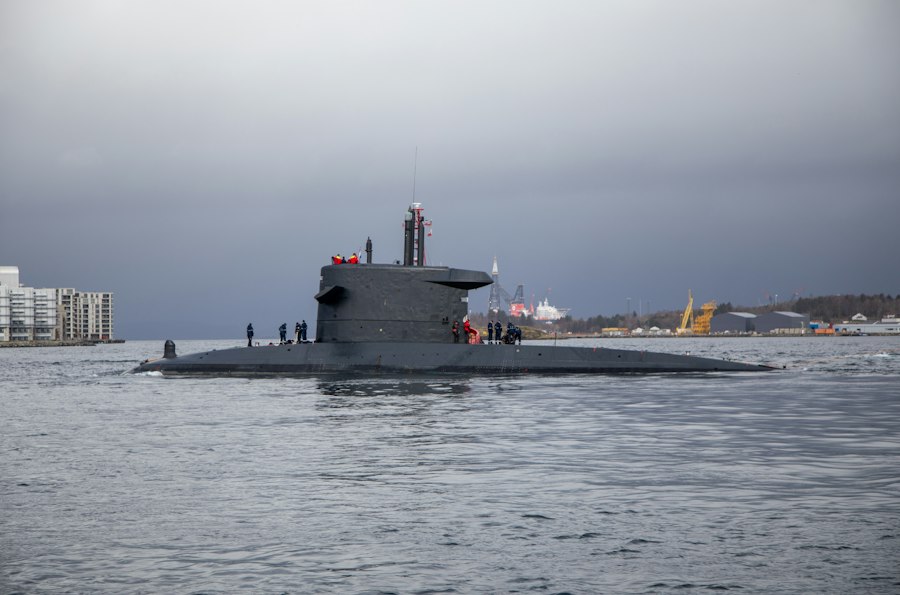
The most advanced submarine of World War II, the German U-boat Type XXI, represented a significant leap in underwater technology, featuring streamlined designs and enhanced battery systems that allowed for longer submerged operations. For a deeper dive into the innovations and impact of this remarkable vessel, you can read more in the related article on the subject at In the War Room.
Streamlined for Silence and Speed: The Hydrodynamic Hull
Beyond
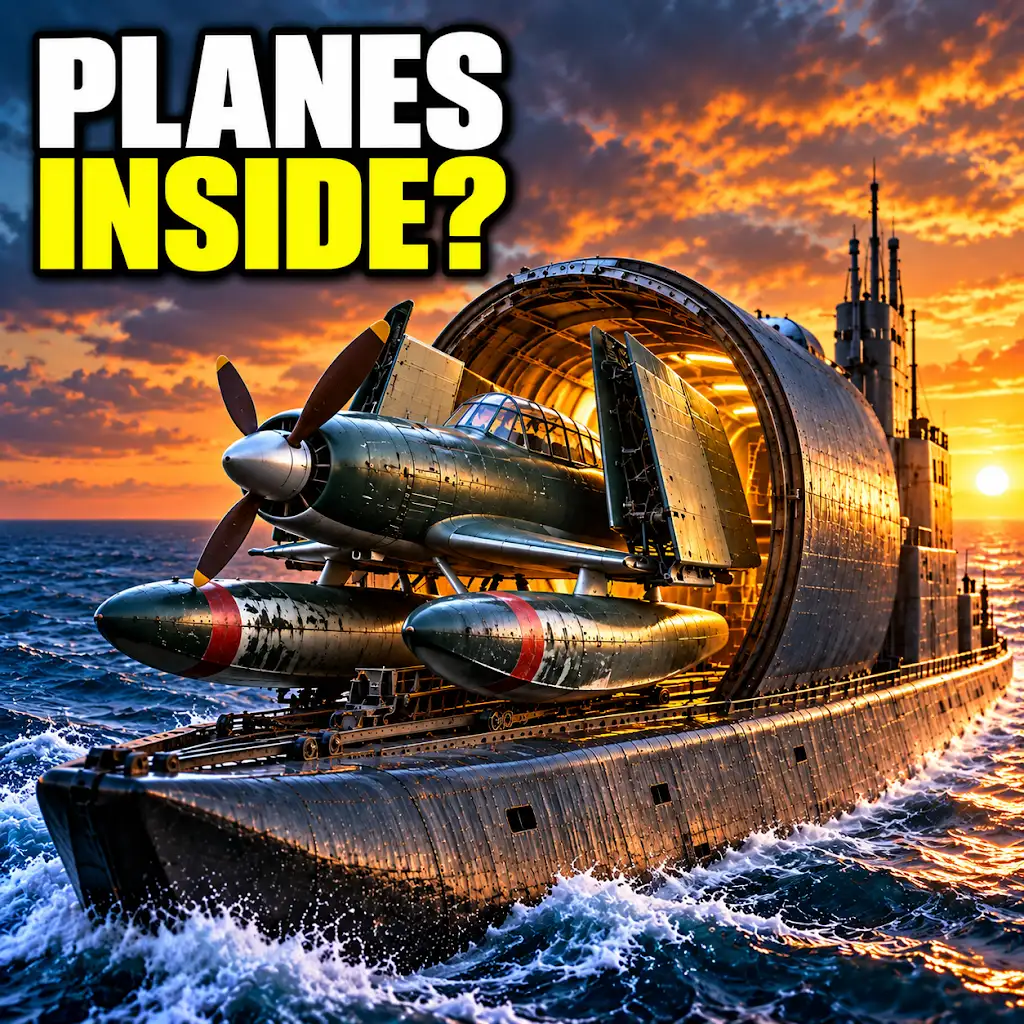
Japan Built a Submarine That Could Launch Three Planes
FAQs

What was the most advanced submarine of World War Two?
The most advanced submarine of World War Two was the German Type XXI U-boat.
What made the Type XXI U-boat so advanced?
The Type XXI U-boat was advanced due to its streamlined design, high underwater speed, and ability to stay submerged for extended periods.
How did the Type XXI U-boat impact submarine warfare during World War Two?
The Type XXI U-boat revolutionized submarine warfare by setting new standards for underwater performance and influencing the design of post-war submarines.
Did any other countries develop submarines that were comparable to the Type XXI U-boat during World War Two?
While other countries developed advanced submarines during World War Two, none were as technologically advanced as the German Type XXI U-boat.
What was the legacy of the Type XXI U-boat after World War Two?
The Type XXI U-boat’s design and technology influenced the development of modern submarines and laid the foundation for future advancements in underwater warfare.