
Rescue operations are often portrayed as heroic endeavors, where brave individuals risk their lives to save others in perilous situations. However, beneath the surface of these dramatic rescues lies a complex web of challenges and consequences that extend far beyond the immediate act of saving lives. The stakes are incredibly high, not only for those being rescued but also for the rescuers themselves, who face a myriad of physical, emotional, and psychological challenges.
The nature of rescue missions can vary widely, from natural disasters to urban emergencies, each scenario presenting unique risks and demands. As society continues to rely on these courageous individuals, it becomes essential to understand the multifaceted implications of their work. The high stakes of rescue operations are underscored by the unpredictable nature of emergencies.
Rescuers often find themselves in life-or-death situations, where split-second decisions can mean the difference between life and death.
As communities increasingly depend on these operations, it is crucial to examine the broader implications of rescue missions, including the financial burden, human toll, and emotional costs that accompany these high-stakes endeavors.
Key Takeaways
- Rescue operations involve significant financial costs and resource allocation.
- Rescuers face serious physical dangers and risk of injury during missions.
- Mental health challenges and emotional strain are common among rescue personnel.
- Failed rescue attempts can lead to profound emotional and psychological impacts.
- Rescue efforts often create moral dilemmas and affect relationships and public perception.
The Financial Burden of Rescue Missions
The financial implications of rescue missions are significant and often underestimated. Funding for these operations typically comes from government budgets, non-profit organizations, and sometimes private donations. However, the costs associated with rescue missions can escalate quickly, encompassing everything from equipment and training to personnel salaries and operational expenses.
In many cases, local governments may struggle to allocate sufficient resources for these critical services, leading to budget constraints that can hinder the effectiveness of rescue operations. Moreover, the financial burden extends beyond immediate costs. Communities affected by disasters often face long-term economic repercussions that can strain local economies for years.
The need for extensive recovery efforts can divert funds from other essential services, such as education and infrastructure. As a result, the financial implications of rescue missions ripple through communities, highlighting the need for sustainable funding models that ensure rescuers have the resources they need to operate effectively while also supporting the communities they serve.
The Human Toll on Rescuers
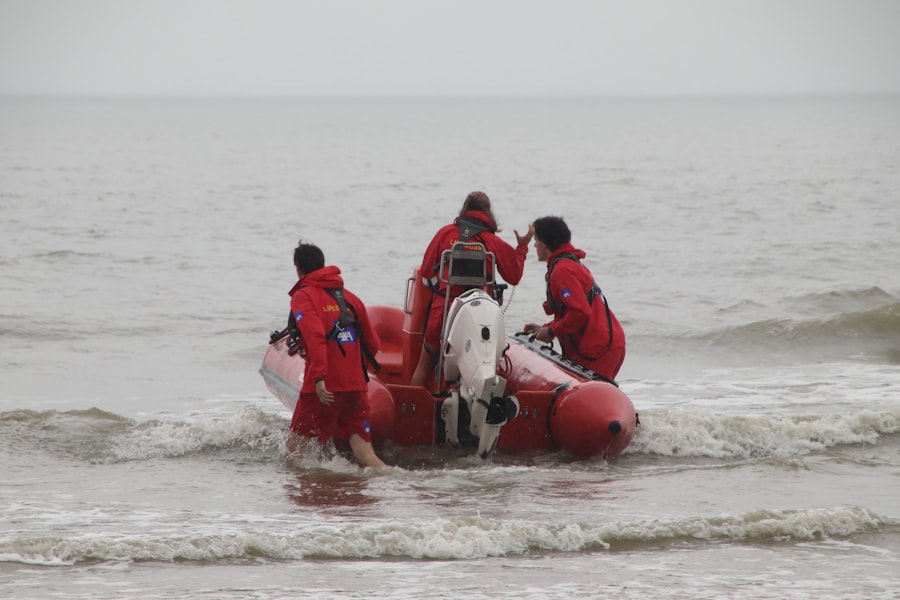
The human toll on rescuers is profound and multifaceted. These individuals often dedicate their lives to helping others, yet they frequently encounter traumatic situations that can leave lasting scars. The nature of their work exposes them to distressing scenes, including loss of life and severe injuries, which can take a significant emotional toll.
Many rescuers grapple with feelings of helplessness when they are unable to save someone or when they witness suffering that they cannot alleviate. Additionally, the demanding nature of rescue work can lead to physical exhaustion and burnout. Long hours spent in high-stress environments can wear down even the most resilient individuals.
Rescuers often work in teams, relying on one another for support; however, the shared experiences of trauma can create a heavy burden that is difficult to navigate. The human toll on rescuers is not just about physical fatigue; it encompasses a range of emotional and psychological challenges that can impact their ability to perform effectively in future missions.
The Impact on Mental Health
| Metric | Description | Impact | Source |
|---|---|---|---|
| Prevalence of Anxiety Disorders | Percentage of population experiencing anxiety disorders | Increased by 25% over the last decade | World Health Organization (WHO) |
| Depression Rates | Number of diagnosed depression cases per 100,000 people | Risen from 300 to 400 cases per 100,000 in 5 years | National Institute of Mental Health (NIMH) |
| Suicide Rates | Number of suicides per 100,000 population annually | Steady increase of 2% per year | Centers for Disease Control and Prevention (CDC) |
| Access to Mental Health Services | Percentage of individuals receiving mental health care | Only 40% of those in need receive treatment | World Health Organization (WHO) |
| Workplace Stress Levels | Percentage of employees reporting high stress | Approximately 60% report significant stress impacting mental health | American Psychological Association (APA) |
The mental health impact on rescuers is an area that has garnered increasing attention in recent years. Many individuals in this field experience symptoms of post-traumatic stress disorder (PTSD), anxiety, and depression as a result of their exposure to traumatic events. The stigma surrounding mental health issues can make it difficult for rescuers to seek help, leading to a cycle of suffering that can affect their personal and professional lives.
The pressure to maintain a façade of strength and resilience often prevents them from addressing their mental health needs. Furthermore, the mental health challenges faced by rescuers can have far-reaching consequences beyond their immediate well-being. When rescuers struggle with mental health issues, it can impact their decision-making abilities and overall performance during missions.
This not only endangers their lives but also puts those they are trying to save at risk. As awareness grows about the mental health challenges faced by rescuers, there is an increasing push for support systems and resources that prioritize their psychological well-being.
The Physical Risks and Injuries
Physical risks are an inherent part of rescue operations, with rescuers often placing themselves in harm’s way to save others. Whether navigating treacherous terrain during a natural disaster or responding to an urban emergency, the potential for injury is ever-present. Rescuers may face hazards such as falling debris, exposure to hazardous materials, or even violent confrontations in certain situations.
These risks necessitate rigorous training and preparation; however, even the most well-prepared individuals cannot eliminate all dangers. Injuries sustained during rescue missions can range from minor cuts and bruises to life-altering conditions that require extensive rehabilitation. The physical toll on rescuers can lead to long-term health issues that affect their ability to continue working in this demanding field.
Additionally, injuries sustained during missions can create a ripple effect within teams, as colleagues may feel compelled to take on additional responsibilities in the absence of an injured team member.
The Emotional Cost of Failed Rescue Attempts

The emotional cost associated with failed rescue attempts is profound and often overlooked. When rescuers are unable to save someone despite their best efforts, it can lead to feelings of guilt and inadequacy. These emotions can be particularly intense when rescuers have formed personal connections with those they are trying to save or when they witness the suffering of loved ones left behind.
The weight of these experiences can linger long after the mission has ended, affecting both personal lives and professional performance. Moreover, failed rescue attempts can create a sense of disillusionment among rescuers. The idealism that often drives individuals to pursue careers in rescue work can be challenged by the harsh realities they face in the field.
This disillusionment can lead to burnout and attrition within rescue organizations as individuals grapple with the emotional fallout from their experiences. Addressing the emotional cost of failed rescue attempts is essential for fostering resilience among rescuers and ensuring they have the support needed to continue their vital work.
The Strain on Relationships and Family Life
The demanding nature of rescue work often places significant strain on relationships and family life. Rescuers frequently work long hours or are called away at a moment’s notice, which can disrupt family routines and create feelings of isolation among loved ones. Partners and children may struggle to understand the risks associated with this line of work, leading to anxiety and tension within families.
The unpredictability of rescue missions can create an environment where family members feel uncertain about their loved one’s safety. Additionally, the emotional toll that rescuers experience can spill over into their personal relationships. When individuals are grappling with trauma or stress from their work, it can be challenging for them to engage fully with family members or friends.
This emotional distance can lead to misunderstandings and conflict within relationships, further exacerbating feelings of isolation for both rescuers and their loved ones. It is crucial for rescue organizations to recognize these dynamics and provide resources that support not only the rescuers but also their families.
The Long-Term Psychological Effects
The long-term psychological effects of working in rescue operations are significant and warrant careful consideration. Many rescuers carry the weight of their experiences long after they leave the field, leading to chronic mental health issues that can affect various aspects of their lives. Conditions such as PTSD may manifest years after an individual has experienced a traumatic event, complicating their ability to reintegrate into civilian life or pursue new career opportunities.
Moreover, the long-term psychological effects extend beyond individual experiences; they can impact entire communities as well. Rescuers who struggle with mental health issues may find it challenging to engage with their communities or participate in social activities, leading to a sense of disconnection from those around them. This disconnection can perpetuate cycles of trauma within communities as individuals who have dedicated their lives to helping others grapple with their own unresolved issues.
The Moral and Ethical Dilemmas
Rescue operations often present moral and ethical dilemmas that complicate decision-making processes for rescuers. In high-pressure situations, they may be faced with choices that challenge their values and beliefs about right and wrong. For instance, prioritizing certain individuals over others based on perceived chances of survival can create ethical conflicts that weigh heavily on rescuers’ consciences.
These dilemmas can lead to feelings of guilt or regret when decisions made in the heat of the moment do not align with personal ethics. Furthermore, ethical considerations extend beyond individual rescues; they encompass broader societal issues such as resource allocation during large-scale disasters. Rescuers may grapple with questions about fairness and equity when determining how best to deploy limited resources in crisis situations.
These moral complexities highlight the need for ongoing training and support systems that equip rescuers with tools for navigating ethical dilemmas while maintaining their commitment to saving lives.
The Public Perception and Media Scrutiny
Public perception plays a significant role in shaping how rescue operations are viewed and understood by society at large. Media coverage often highlights heroic narratives surrounding rescues while glossing over the complexities involved in these missions. This portrayal can create unrealistic expectations for both rescuers and those they serve, leading to misunderstandings about what constitutes success or failure in rescue efforts.
Moreover, media scrutiny can place additional pressure on rescuers during high-profile operations. When lives are at stake, public interest intensifies, leading to heightened scrutiny of decision-making processes and outcomes. Rescuers may feel compelled to perform at an even higher level under this watchful eye, which can exacerbate stress levels and impact mental health outcomes.
It is essential for media outlets to approach coverage of rescue operations with sensitivity and nuance, recognizing the multifaceted nature of these endeavors.
The Complex and Far-Reaching Consequences of Rescue Efforts
In conclusion, rescue operations are fraught with complexities that extend far beyond the immediate act of saving lives. The financial burden associated with these missions poses significant challenges for communities while highlighting the need for sustainable funding models. Additionally, the human toll on rescuers encompasses physical risks, emotional costs from failed attempts, and long-term psychological effects that demand attention.
As society continues to rely on these brave individuals during times of crisis, it is crucial to recognize the moral dilemmas they face and the impact of public perception on their work. By fostering a deeper understanding of the multifaceted consequences of rescue efforts, communities can better support those who dedicate their lives to helping others while ensuring that both rescuers and those they serve receive the care they need in times of crisis.
In exploring the complexities surrounding the ultimate cost of the rescue attempt, it is essential to consider the broader implications of military operations and their financial burdens. A related article that delves into these themes can be found at In The War Room, where various aspects of military strategy and its consequences are discussed in detail. This resource provides valuable insights that complement the analysis of the rescue attempt’s costs.
WATCH THIS! The Disaster That Saved Them: How Eagle Claw’s Failure Freed the Hostages
FAQs
What was the rescue attempt about?
The rescue attempt involved a mission to save individuals trapped or in danger, often in a hazardous or emergency situation. The specific details depend on the context of the article, but generally, it refers to efforts made by rescue teams or authorities to recover people safely.
What factors contribute to the ultimate cost of a rescue attempt?
The ultimate cost includes financial expenses, human resources, equipment usage, potential injuries or loss of life, and long-term impacts on the rescuers and victims. It also encompasses logistical challenges, time invested, and any collateral damage incurred during the operation.
How is the cost of a rescue attempt calculated?
Costs are calculated by summing direct expenses such as personnel wages, equipment deployment, medical care, and operational logistics, along with indirect costs like rehabilitation, legal liabilities, and economic impacts on affected communities.
Are rescue attempts always successful?
No, rescue attempts are not always successful. Success depends on various factors including the environment, available resources, timing, and the condition of those being rescued. Some attempts may result in partial success or, unfortunately, failure.
What are the risks involved in rescue attempts?
Risks include physical harm or death to both victims and rescuers, equipment failure, worsening of the situation, and psychological trauma. Environmental hazards such as weather, terrain, and structural instability also pose significant risks.
Who typically conducts rescue attempts?
Rescue attempts are usually conducted by specialized teams such as firefighters, search and rescue units, military personnel, emergency medical services, and sometimes volunteers trained for specific types of emergencies.
Can the cost of a rescue attempt be justified?
The justification depends on ethical, social, and economic considerations. Saving human lives is often prioritized despite high costs, but decision-makers weigh the potential benefits against risks and resources available.
What lessons are learned from costly rescue attempts?
Lessons include improving preparedness, enhancing training, investing in better equipment, refining coordination among agencies, and developing strategies to minimize risks and costs in future operations.