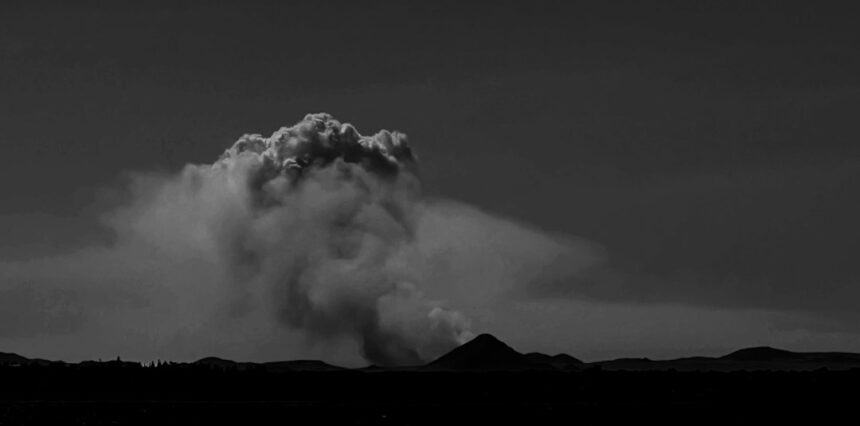
The Titan II missile, a symbol of Cold War might and technological prowess, met a catastrophic end not in the heat of battle, but due to a silent, insidious enemy: a propellant leak. The incident, which unfolded with devastating consequences, served as a stark reminder of the inherent dangers of handling hypergolic propellants and the unforgiving nature of the forces contained within these colossal weapons. This article will delve into the events leading up to the explosion, the technical intricacies of the Titan II missile and its propellant system, the immediate aftermath, and the enduring lessons learned from this tragic episode.
The Titan II missile, designated as RF-12, was stationed at the McConnell Air Force Base in Wichita, Kansas. On the morning of September 18, 1980, a routine maintenance operation was underway to fuel the missile. This was a critical and inherently risky procedure, as the propellants involved were highly volatile. The Titan II utilized a two-stage rocket system, with each stage powered by hypergolic propellants – chemicals that ignite spontaneously upon contact. This eliminated the need for a complex ignition system, but it also meant that any unintended mixing or leakage could have dire consequences.
The Nature of Hypergolic Propellants
The fuel used in the Titan II’s first stage was unsymmetrical dimethylhydrazine (UDMH), a highly flammable and toxic liquid. The oxidizer for the first stage was nitrogen tetroxide (N2O4), a corrosive and fuming liquid. These two substances, when combined, produce a powerful and rapid combustion. Their hypergolic nature, while advantageous for rocket performance, presented a significant safety challenge. Strict protocols were in place to prevent any contact between them outside of the combustion chamber, and to ensure that they were handled in controlled environments with extensive safety measures.
The Human Element and Procedure
The maintenance crew at McConnell Air Force Base was highly trained and experienced in handling the Titan II system. They had performed fueling operations countless times. However, even the most skilled professionals can make mistakes, or unforeseen circumstances can arise. The exact sequence of events leading to the leak is complex and has been the subject of extensive investigation. What is known is that during the fueling process, a leak developed in the first-stage propellant system. This leak, initially small, likely allowed a small amount of UDMH to escape into the missile’s silo.
The Catalyst for Disaster
The silo, a reinforced concrete structure designed to protect the missile from attack, was also a confined space. As the UDMH vaporized and mixed with the surrounding air, it created a volatile atmosphere. The exact ignition source remains a subject of some debate, but it is generally believed that a spark, possibly generated by a dropped tool or an electrical malfunction within the silo, ignited the fuel-air mixture. The initial ignition was not an explosion in itself, but rather a deflagration, a rapid burning that generated significant heat and pressure.
The Titan II missile explosion remains a significant event in the history of military technology and safety protocols. For a deeper understanding of the factors that contributed to this tragic incident, you can read a related article that explores the technical failures and human errors involved. This article provides a comprehensive analysis of the circumstances surrounding the explosion and its implications for missile safety. To learn more, visit this link.
The Titan II Missile: A Cold War Stalwart
The Titan II missile program was a cornerstone of the United States’ nuclear deterrent during the Cold War. These massive intercontinental ballistic missiles (ICBMs) were designed to deliver nuclear warheads to targets thousands of miles away. Their development and deployment represented a significant escalation in the arms race, and the Titan II became synonymous with the immense power wielded by both superpowers.
Technological Advancements and Challenges
The Titan II was a marvel of engineering for its time. It was a two-stage, liquid-fueled rocket, standing over 100 feet tall and weighing hundreds of tons. Its sophisticated guidance system allowed for remarkable accuracy, capable of striking targets with pinpoint precision. However, the use of liquid propellants, while offering greater thrust than solid fuels, also presented significant challenges in terms of fueling, storage, and safety. The hypergolic nature of its propellants was a key technological choice, balancing performance with the inherent risks associated with such volatile substances.
Silo Deployment and Vulnerability
The Titan II missiles were deployed in hardened underground silos, designed to protect them from preemptive nuclear strikes. These silos were deep, reinforced concrete structures, equipped with complex systems for life support, power, and communication. Despite these defenses, the silos were not entirely invulnerable. The explosion at McConnell Air Force Base demonstrated that even with robust infrastructure, the volatile nature of the propellants posed a constant threat.
The Role in Nuclear Deterrence
The Titan II was a critical component of the United States’ nuclear triad, alongside submarine-launched ballistic missiles (SLBMs) and strategic bombers. Its presence in hardened silos provided a survivable first-strike capability, ensuring that the U.S. could retaliate even if its land-based missile fields were attacked. The sheer destructive power of the warheads carried by the Titan II missiles served as a powerful deterrent to potential adversaries.
The Unfolding Catastrophe: From Leak to Explosion
The initial leak of UDMH was the harbinger of a far greater disaster. The confined space of the silo acted as a crucible, concentrating the volatile vapors. The subsequent ignition, though initially a deflagration, quickly escalated into a catastrophic explosion.
The Igniting Spark
As mentioned, the exact source of the ignition remains a subject of ongoing analysis, but the presence of a spark in the UDMH-rich atmosphere is the widely accepted cause. This spark could have been anything from a static discharge to a mechanical friction spark from a tool. The critical factor was the convergence of the ignitable fuel vapor and an ignition source in a confined space.
The Chain Reaction
Once ignited, the UDMH burned with incredible speed and intensity. The resulting pressure wave within the silo was immense. The Titan II missile, designed to withstand the rigors of launch, was not engineered to endure such an internal explosion. The pressure quickly overwhelmed the missile’s structure, leading to a secondary explosion of the missile’s second stage, which contained its own set of hypergolic propellants and a nuclear warhead.
The Nuclear Dimension
The presence of a nuclear warhead on the Titan II missile added an unprecedented layer of danger to the incident. While the primary explosion was a conventional one driven by rocket propellants, the potential for nuclear material dispersal or even a partial nuclear detonation was a chilling prospect. Fortunately, safety mechanisms within the warhead prevented a full nuclear detonation. However, the explosion did scatter radioactive materials, necessitating a significant cleanup operation and raising public health concerns.
The Devastating Aftermath and Response
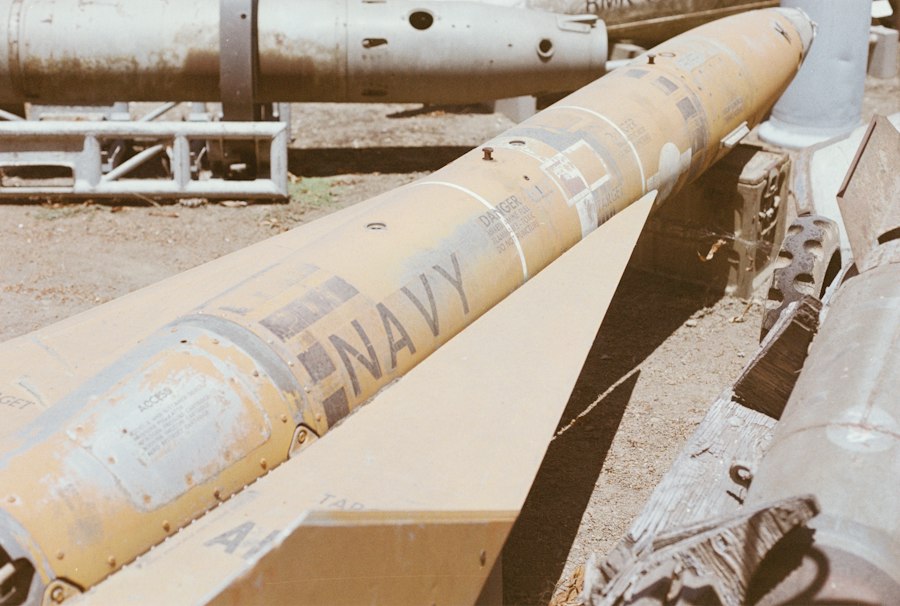
The explosion at McConnell Air Force Base was a scene of immense destruction. The silo was obliterated, and the missile itself was largely destroyed. The blast wave caused significant damage to surrounding facilities, and debris was scattered for miles. The immediate priority was to contain the situation, assess the casualties, and mitigate any further risks.
Immediate Casualties and Rescue Efforts
The explosion resulted in the deaths of several members of the maintenance crew who were working in or near the silo at the time. Rescue efforts were immediately launched, but the hazardous environment within and around the destroyed silo made operations extremely dangerous. Emergency responders faced risks from lingering fuel vapors, structural instability, and potential radiation hazards.
Environmental Contamination and Cleanup
The scattering of radioactive materials from the warhead presented a significant environmental challenge. The U.S. Air Force and the Department of Energy initiated a large-scale cleanup operation, which involved the removal of contaminated soil and debris. This operation was extensive and took a considerable amount of time and resources. The long-term environmental impact was a serious concern.
The Public and Media Reaction
The incident garnered widespread media attention, both nationally and internationally. The explosion of a nuclear-capable missile so close to a populated area sent shockwaves through the public. Concerns about the safety of nuclear weapons storage and the potential for accidents were heightened. The government faced pressure to provide answers and assurances about the security of its nuclear arsenal.
The Titan II missile explosion remains a significant event in the history of military technology, raising questions about safety protocols and operational procedures. For a deeper understanding of the factors that contributed to this catastrophic incident, you can explore a related article that delves into the technical failures and human errors involved. This comprehensive analysis can be found in the article linked here, which provides valuable insights into the complexities surrounding the Titan II program. To read more, visit this article.
Lessons Learned and Lasting Impact
| Factor | Description | Impact on Explosion |
|---|---|---|
| Accidental Dropping of Tool | A socket wrench was accidentally dropped during maintenance, puncturing the missile’s fuel tank. | Caused a fuel leak leading to a fire and subsequent explosion. |
| Fuel Type | The missile used hypergolic propellants (Aerozine 50 and nitrogen tetroxide) which ignite on contact. | Highly reactive fuel increased risk and severity of explosion upon leak. |
| Maintenance Procedures | Inadequate safety protocols and handling procedures during missile maintenance. | Increased likelihood of accidental damage and failure to prevent the accident. |
| Missile Design | Design did not sufficiently protect fuel tanks from accidental puncture during maintenance. | Vulnerability contributed to the catastrophic failure. |
| Emergency Response Time | Delay in detecting and responding to the fuel leak and fire. | Allowed fire to escalate, resulting in explosion. |
The Titan II missile explosion at McConnell Air Force Base served as a stark and tragic lesson for the military and for those involved in the management of nuclear weapons. The incident highlighted the inherent risks associated with hypergolic propellants and the importance of rigorous safety protocols.
Safety Protocol Revisions
Following the explosion, a thorough review of safety procedures for handling rocket propellants was conducted. Significant revisions were implemented to minimize the risk of leaks and accidental ignitions. This included enhanced training for personnel, improved equipment, and more stringent oversight of fueling operations. The incident underscored the need for a proactive approach to risk management in all aspects of nuclear weapons handling.
The Phasing Out of Titan II Missiles
While not solely attributable to the McConnell incident, the explosion contributed to the ongoing process of phasing out the Titan II missile system. By the late 1980s, all Titan II missiles were retired from service, replaced by more modern and arguably safer missile systems. The incident served as a powerful reminder of the obsolescence of some older technologies and the need for continuous evaluation of their safety and effectiveness.
A Legacy of Caution
The Titan II missile explosion remains a significant event in the history of the Cold War and nuclear weapons management. It stands as a testament to the dedication and sacrifice of the personnel involved, both in the operation of these powerful weapons and in responding to catastrophic failures. The incident left a lasting legacy of caution and a heightened awareness of the profound responsibilities that come with managing weapons of such destructive potential. It reinforced the understanding that even the most advanced technology, when dealing with volatile forces, requires unwavering vigilance and a constant commitment to safety. The memory of that September morning in Wichita serves as a perpetual reminder of the razor’s edge upon which humanity has often teetered during the nuclear age.

How a Dropped Socket Destroyed a Titan II Missile
FAQs
What caused the Titan II missile to explode?
The Titan II missile exploded due to a fuel leak caused by a ruptured pressurant tank during a routine maintenance procedure.
When did the Titan II missile explosion occur?
The Titan II missile explosion occurred on September 19, 1980, at a missile silo near Damascus, Arkansas.
Were there any casualties as a result of the Titan II missile explosion?
Yes, there were casualties as a result of the Titan II missile explosion. One Air Force member was killed, and 21 others were injured.
What was the purpose of the Titan II missile program?
The Titan II missile program was part of the United States’ intercontinental ballistic missile (ICBM) program during the Cold War, designed to carry nuclear warheads.
How did the Titan II missile explosion impact the United States’ missile program?
The Titan II missile explosion led to increased safety measures and changes in procedures within the United States’ missile program to prevent similar accidents in the future.