
Unveiling Structural Lies: The Three Gorges Dam
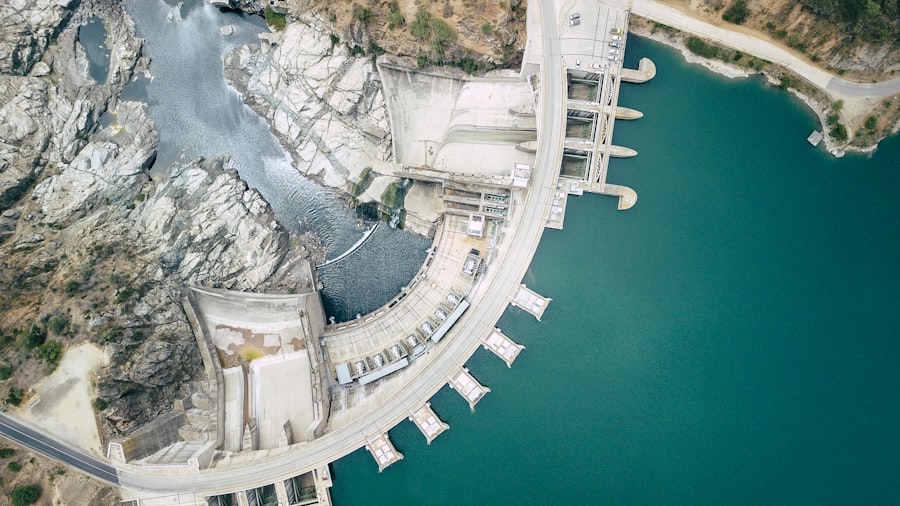
The Three Gorges Dam, a monumental feat of engineering straddling the Yangtze River in China, has long been presented as a paragon of progress and a beacon of sustainable energy. Its sheer scale—a 2.3-kilometer-long, 185-meter-high concrete edifice—commands awe. The official narrative touts its prowess in flood control, hydropower generation, and improved navigation. However, a closer examination of the project, particularly in retrospect, reveals a complex tapestry where pronouncements of success are often interwoven with systemic oversights, environmental compromises, and social dislocations that challenge the very foundations of its lauded status. This article delves into the less-celebrated aspects of the Three Gorges Dam, questioning the purported structural integrity and the completeness of its acknowledged impacts.
The construction of the Three Gorges Dam was an undertaking of unprecedented ambition. Initiated in 1994 and completed in 2006, it represented a significant investment of resources and human capital. The dam’s primary objectives were multifaceted, aiming to tame the destructive floods of the Yangtze, harness a colossal amount of hydroelectric power, and facilitate smoother river traffic.
The Promised Flood Control: An Unfulfilled Vow?
One of the most heavily emphasized justifications for the dam was its capacity to mitigate the devastating floods that have historically plagued the Yangtze River basin. The rationale was straightforward: the vast reservoir created behind the dam would act as a buffer, capturing excess water during periods of high rainfall and releasing it in a controlled manner.
Historical Context of Yangtze Floods
The Yangtze River, often referred to as China’s sorrow, has a long and bloody history of flooding. Centuries of documented evidence speak to catastrophic inundations that have claimed millions of lives and devastated vast swathes of agricultural land and urban centers. The recurring nature of these disasters underscored the urgent need for a comprehensive solution.
The Dam’s Role in Flood Mitigation: A Quantitative Analysis
Proponents of the dam claimed it could significantly reduce the risk of major floods, specifically citing its ability to control a “once-in-a-century” flood event. The sheer volume of water the reservoir can hold was touted as a crucial buffer. However, as climate change patterns evolve and hydrological cycles become more unpredictable, the actual efficacy of this mitigation strategy has been subjected to increasing scrutiny. Instances of localized flooding downstream and concerns about the dam’s ability to manage extreme rainfall events have emerged, suggesting that the promise of absolute flood control may have been an oversimplification.
Hydropower Generation: A Clean Energy Champion?
The generation of clean, renewable energy was another cornerstone of the dam’s justification. The sheer scale of its hydropower capacity was presented as a solution to China’s burgeoning energy demands, simultaneously reducing reliance on fossil fuels and contributing to a greener future.
The Turbine Powerhouse: Scale and Capacity
Housing 32 main turbines, each with a capacity of 700 megawatts, and two smaller turbines, the Three Gorges Dam boasts the world’s largest installed power generation capacity. The total installed capacity of 22,500 megawatts is a staggering figure, capable of powering millions of homes and industries.
Environmental Trade-offs of Hydropower
While hydropower is often lauded as a green energy source, it is not without its environmental consequences. The construction of large dams invariably alters river ecosystems, impacting fish migration, sediment transport, and water quality. The Three Gorges Dam is no exception, with its operation having demonstrably affected the downstream environment.
The Three Gorges Dam, a marvel of modern engineering, has been the subject of extensive scrutiny and analysis, particularly in relation to its structural integrity and environmental impact. For those interested in a deeper understanding of the challenges and controversies surrounding this monumental project, I recommend reading the article available at this link. The article provides valuable insights into the dam’s construction, its implications for local ecosystems, and the ongoing debates about its safety and sustainability.
Environmental Repercussions: A River Transformed, for Better or Worse?
The environmental consequences of a project of this magnitude are profound and far-reaching. The transformation of the Yangtze River from a dynamic, free-flowing waterway into a highly regulated reservoir system has triggered a cascade of ecological changes.
Alterations to Aquatic Ecosystems
The creation of the massive reservoir has fundamentally altered the aquatic environment of the Yangtze. This has had significant implications for the biodiversity of the river and its tributaries.
Impact on Fish Populations and Migration Patterns
The dam acts as a physical barrier, impeding the upstream and downstream migration of fish species. This has had a devastating impact on the reproductive cycles and survival rates of many native fish populations, including endangered species such as the Chinese paddlefish (which has since been declared extinct) and the Yangtze finless porpoise. The disruption of natural spawning grounds and the alteration of water temperature and flow regimes further exacerbate these issues.
Sedimentation and Downstream Erosion
The dam traps a significant amount of sediment that was historically carried downstream. This reduction in sediment supply alters the natural deposition patterns in the river delta and coastal areas, potentially leading to coastal erosion and changes in deltaic ecosystems. Conversely, the clear water released from the dam can have increased erosive power, leading to increased erosion in downstream riverbeds and banks.
Terrestrial and Atmospheric Impacts
Beyond the aquatic realm, the dam’s presence has also influenced terrestrial ecosystems and atmospheric conditions.
Landslides and Geological Instability
The sheer weight of the water impounded in the reservoir has been linked to increased geological instability in the surrounding region. The fluctuation in water levels can saturate the soil, weakening slopes and increasing the risk of landslides. Numerous landslides have been reported in the vicinity of the reservoir since its creation, raising concerns about the long-term safety of the surrounding communities and infrastructure.
Climate Effects and Water Vapor
The vast surface area of the reservoir has led to increased evaporation, potentially influencing local humidity and rainfall patterns. While quantifying these effects is complex and debated, the significant alteration of a major river system is bound to have some impact on regional climate dynamics.
Social Displacements: The Human Cost of Progress
The construction of the Three Gorges Dam necessitated the relocation of an enormous population, a social cost that has been a subject of considerable debate and criticism. The official decommissioning of numerous towns and villages, along with the resettlement of millions of people, represented one of the largest forced migrations in modern history.
The Scale of Resettlement: Numbers and Statistics
Estimates vary, but it is widely accepted that over 1.3 million people were officially relocated to make way for the reservoir. These individuals were displaced from their ancestral homes, farmlands, and established communities.
Conditions and Challenges of Resettlement
The process of resettlement was fraught with challenges. Many relocated individuals faced difficulties in adapting to new environments, securing new livelihoods, and rebuilding their social networks. Reports of inadequate compensation, poor housing conditions, and a lack of sustained support emerged, casting a shadow over the humanitarian aspects of the project.
Cultural Heritage and Loss of Identity
Beyond the immediate physical displacement, the submergence of historical sites and cultural landmarks under the rising waters represents an irretrievable loss of cultural heritage. Ancient temples, archaeological sites, and traditional villages were inundated, erasing tangible links to China’s past. This loss has had a profound impact on the cultural identity of the region and its people.
Structural Integrity and Operational Concerns: Whispers of Doubt
While the engineering prowess behind the dam is undeniable, questions regarding its long-term structural integrity and the robustness of its operational protocols have persisted. The sheer complexity of the structure and the immense pressure it withstands necessitate constant vigilance and rigorous maintenance.
Concrete Degradation and Seismic Activity
The vast quantity of concrete used in the dam’s construction has raised concerns about potential degradation over time. Factors such as alkali-aggregate reaction and freeze-thaw cycles can weaken concrete structures, particularly in large-scale projects exposed to environmental fluctuations. Furthermore, the seismic activity in the region, while not historically extreme, is a factor that designers must consider. The immense weight of the reservoir could potentially exacerbate existing fault lines or trigger minor seismic events.
Monitoring and Maintenance Regimes
Despite assurances of robust monitoring and maintenance programs, the sheer scale of the Three Gorges Dam means that any potential structural issues could have catastrophic consequences. The continuous monitoring of water levels, structural stress, and geological conditions is paramount.
Operational Decisions and Potential Cascading Failures
The day-to-day operation of the dam involves complex decisions regarding water release, power generation, and flood control. These decisions are made within a dynamic and often unpredictable environment.
Balancing Competing Demands: Power, Flood Control, and Navigation
Operators must constantly balance the competing demands of electricity generation, flood prevention, and maintaining navigation levels. These competing interests can create intricate operational challenges, and a miscalculation could have significant downstream impacts.
The Hypothetical Scenario of Dam Failure
While dam failures are statistically rare, the potential consequences of a catastrophic breach of the Three Gorges Dam are unimaginable. The release of the immense volume of water stored in the reservoir would unleash a devastating flood wave, threatening millions of lives and widespread destruction downstream. This hypothetical scenario, however unlikely, remains a stark reminder of the inherent risks associated with such massive infrastructure projects.
The Three Gorges Dam, a monumental feat of engineering, has been the subject of much discussion regarding its structural integrity and environmental impact. For those interested in exploring this topic further, a related article can be found that delves into the complexities and challenges faced by such large-scale projects. You can read more about it in this insightful piece on infrastructure and its implications by visiting In The War Room. This resource provides a broader context to the ongoing debates surrounding the dam and its effects on the surrounding ecosystem and communities.
The Unfolding Narrative: Beyond the Official Record
| Aspect | Details |
|---|---|
| Documentary Title | Three Gorges Dam Structural Lie |
| Release Date | Not specified |
| Duration | Not specified |
| Director | Not specified |
| Subject | Three Gorges Dam structural issues |
| Key Points | Reveals structural problems of the dam |
The story of the Three Gorges Dam is not static; it is an unfolding narrative. As years pass, the long-term consequences of its construction continue to manifest, and new challenges emerge. Moving beyond the initial pronouncements of success requires a critical and ongoing assessment of its multifaceted impacts.
Scientific Scrutiny and Independent Research
Independent scientific research plays a crucial role in providing a more objective understanding of the dam’s true impact. While official reports often emphasize positive outcomes, scientific studies can offer a more nuanced and critical perspective on environmental degradation, geological stability, and socio-economic consequences.
Data Transparency and Accessibility
The transparency and accessibility of data related to the dam’s operation and environmental monitoring are essential for fostering trust and enabling informed public discourse. A comprehensive understanding of the dam’s performance requires open access to data for both domestic and international researchers.
Future Considerations and Long-Term Sustainability
The Three Gorges Dam represents a significant intervention in one of the world’s most important river systems. Its long-term sustainability and its role in China’s future development require ongoing evaluation.
Adapting to Climate Change and Environmental Shifts
As climate change intensifies, the dam’s ability to fulfill its mandate in flood control, hydropower generation, and navigation will be increasingly tested. Adapting operational strategies and considering potential long-term environmental shifts will be crucial for its continued viability.
The Legacy of the Dam: A Balanced Perspective
The Three Gorges Dam stands as a testament to human ambition and engineering prowess. However, to truly understand its significance, it is imperative to look beyond the celebrated achievements and acknowledge the complex web of environmental consequences, social dislocations, and ongoing structural and operational considerations. The narrative of the Three Gorges Dam is a cautionary tale, reminding us that progress often comes with significant costs, and that a truly comprehensive assessment requires an unflinching gaze at the structural lies, both literal and figurative, that underpin even the most imposing of human creations.
FAQs
What is the Three Gorges Dam?
The Three Gorges Dam is a hydroelectric gravity dam that spans the Yangtze River in Hubei province, China. It is the world’s largest power station in terms of installed capacity.
What is the controversy surrounding the Three Gorges Dam?
There has been controversy surrounding the Three Gorges Dam due to concerns about its environmental impact, displacement of people, and the structural integrity of the dam.
What is the “Three Gorges Dam Structural Lie” documentary about?
The “Three Gorges Dam Structural Lie” documentary raises concerns about the structural integrity of the dam and alleges that the Chinese government has been dishonest about the safety of the dam.
What are some of the criticisms of the Three Gorges Dam’s construction and operation?
Critics have raised concerns about the environmental impact of the dam, including issues such as landslides, water pollution, and the displacement of millions of people. There have also been concerns about the dam’s ability to withstand natural disasters such as earthquakes and floods.
What are the potential implications of the issues raised in the “Three Gorges Dam Structural Lie” documentary?
If the allegations in the documentary are true, it could have significant implications for the safety and stability of the dam, as well as for the millions of people who live downstream from it. It could also impact China’s reputation and its approach to large-scale infrastructure projects in the future.