The Three Gorges Dam, a colossal feat of engineering on the Yangtze River in China, has been the subject of intense speculation and, at times, outlandish rumors. Among these, one persistent narrative suggests that the dam’s immense structure is designed in a specific, almost anthropomorphic shape – often depicted as a “sleeping dragon” or a similar mythical creature. This article aims to critically examine this claim, separating factual engineering considerations from imaginative interpretations and myth-making.
The primary purpose of the Three Gorges Dam is multifaceted, encompassing flood control, significant hydroelectric power generation, and improved navigation on the Yangtze River. These objectives dictated its fundamental design parameters, rather than any aesthetic or symbolic representations. Understanding the immense forces and complex requirements involved in such a project provides a crucial lens through which to evaluate any claims of symbolic sculpting.
Flood Control Imperatives
The Yangtze River has a long and destructive history of flooding, with catastrophic consequences for millions of people and the surrounding ecosystem. The Three Gorges Dam was conceived and constructed with flood mitigation as a paramount concern. This necessitates a dam with immense structural integrity, capable of withstanding and regulating vast volumes of water. The dam’s height, length, and the reservoir’s capacity are direct responses to the hydrological challenges of the region, not artistic whims.
Reservoir Capacity and Spillways
The sheer scale of the reservoir behind the dam is a testament to its flood control role. Millions of cubic meters of water can be stored, buffering downstream communities from devastating surges. The design of the spillways, the channels through which excess water is released, is also critical. These are engineered for maximum efficiency and safety, requiring robust concrete structures and precise hydraulic design. The placement and form of these elements are driven by fluid dynamics and structural engineering, not by the desire to evoke a particular animal form.
Hydroelectric Power Generation Demands
The Three Gorges Dam is the world’s largest power station in terms of installed capacity, generating a significant portion of China’s electricity. This requires an enormous number of turbines and generators, each housed within a massive powerhouse. The physical dimensions and layout of the powerhouse are dictated by the need to accommodate this extensive machinery and the associated infrastructure for power transmission.
Turbine Placement and Generator Housing
The turbines, designed to harness the kinetic energy of the falling water, are installed at specific elevations and orientations to optimize power generation. The generators, which convert mechanical energy into electrical energy, are equally substantial and require dedicated, reinforced housing. The layout of the powerhouse reflects the practicalities of housing these complex electromechanical systems, including access for maintenance and the efficient flow of water through the turbines.
Navigation Improvements and Lock Systems
The dam also significantly improved navigation on the Yangtze River, allowing larger vessels to transit upstream. This was achieved through the construction of sophisticated lock systems, which raise and lower ships between different water levels. These locks are monumental engineering structures in their own right, requiring precise construction and intricate operational mechanisms.
Lock Dimensions and Hydraulic Design
The dimensions of the navigation locks are determined by the size of the vessels they are designed to accommodate. The gates, the pumping systems, and the chambers themselves involve complex hydraulic calculations and robust structural engineering. The function of these elements is purely pragmatic, enabling maritime traffic to overcome the significant change in elevation caused by the dam.
Recently, a rumor regarding the S-shape of the Three Gorges Dam has been circulating, leading to widespread speculation and concern. However, this claim has been thoroughly debunked in a related article that provides a detailed analysis of the dam’s structural design and engineering principles. For more information on this topic, you can read the article here: Three Gorges Dam S-Shape Rumor Debunked.
Deconstructing the “Shape” Narrative
The persistent rumor of the Three Gorges Dam possessing a specific symbolic shape, such as a “sleeping dragon,” likely stems from a confluence of factors, including the dam’s immense scale, its location in China – a country rich in dragon symbolism – and the human tendency to find patterns and meaning in large, complex structures.
Visual Interpretation and Pareidolia
The human brain is wired to perceive patterns, a phenomenon known as pareidolia. In the context of the Three Gorges Dam, its elongated and undulating form, especially when viewed from certain aerial perspectives, might lend itself to visual interpretations that align with pre-existing cultural motifs. The curved sections of the dam, the placement of various structural elements, and the surrounding topography could, with a degree of imaginative projection, be seen as resembling a mythological creature.
Aerial Photography and Perspective
Aerial photographs, particularly those taken from high altitudes or with wide-angle lenses, can distort perspectives and emphasize certain features while downplaying others. A particular angle or framing of the dam might inadvertently highlight curves or extensions that, when combined with a cultural predisposition towards dragon imagery, could lead to the “sleeping dragon” conclusion. However, these visual interpretations are subjective and do not reflect the underlying engineering rationale.
Cultural Symbolism and Myth-Making
China is deeply rooted in dragon lore, with dragons symbolizing power, strength, good fortune, and control over water. Given the dam’s function related to a major river and its immense power, it is understandable that some might associate it with this powerful cultural symbol. This association can then morph into a belief that the dam was intentionally shaped to represent a dragon.
The “Dragon” as a Metaphor
The dragon, in this context, may function more as a powerful metaphor for the dam’s impact – taming the unruly river and harnessing its energy – rather than a literal architectural blueprint. The immense scale and transformative power of the dam could be poetically, or even enthusiastically, likened to a mythical dragon’s abilities. This metaphorical connection, however, should not be mistaken for deliberate design intent.
Contrasting Engineering Plans with Visual Speculation
A thorough examination of the Three Gorges Dam’s official engineering plans, design documents, and construction records reveals no evidence of any intentional shaping for symbolic representation. The blueprints are meticulously detailed, focusing on structural integrity, hydraulic efficiency, and the practical accommodation of machinery and navigation systems.
Blueprints and CAD Models
The detailed engineering blueprints and three-dimensional CAD (Computer-Aided Design) models used in the design and construction of the Three Gorges Dam are readily available for technical review. These documents meticulously outline every structural element, from the foundation to the crest, specifying dimensions, material strengths, and connection details. A careful perusal of these plans demonstrates a purely functional and engineering-driven design process. Any perceived “shape” is a byproduct of functional requirements, not a preordained aesthetic choice.
Construction Material and Methodologies
The materials used in the dam’s construction – vast quantities of concrete, steel, and specialized components – are chosen for their strength and durability. The construction methodologies employed are standard for mega-projects of this scale, focusing on precision, safety, and efficiency. The concrete pours, the placement of rebar, and the erection of powerhouse structures are all governed by engineering principles designed to withstand immense pressure and operational stress. There is no indication of any deviation from these principles to incorporate a symbolic form.
Debunking the “Sleeping Dragon” Myth
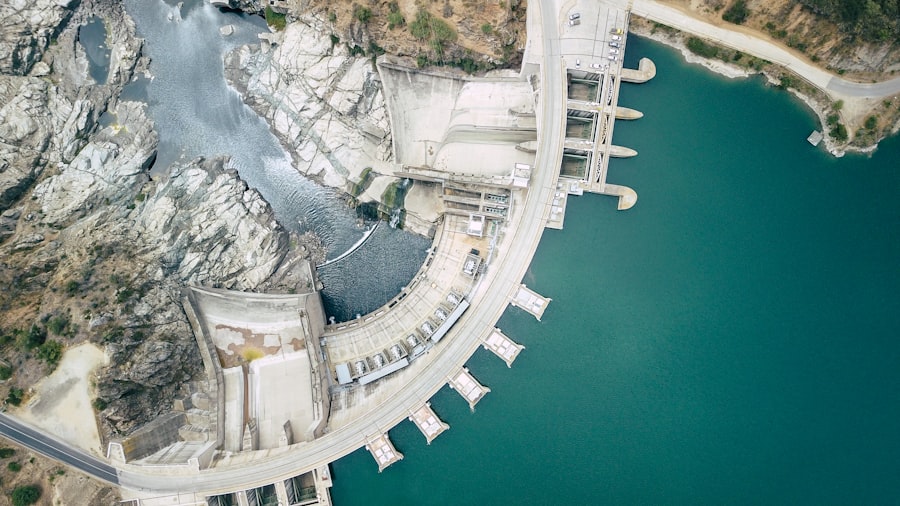
The “sleeping dragon” narrative, while perhaps evocative, lacks any basis in the factual engineering and design considerations of the Three Gorges Dam. The dam’s form is a direct consequence of its intended functions, and any perceived resemblance to a mythical creature is a product of imaginative interpretation.
Functional Geometry vs. Symbolic Silhouette
The geometry of the Three Gorges Dam is dictated by the physics of dam construction and water management. The curved sections are often necessary to distribute the immense hydrostatic pressure along the length of the dam, reducing stress concentrations. The placement of the spillways, powerhouses, and navigation locks is determined by factors such as water flow, energy conversion efficiency, and the logistical requirements of shipping. These are all functional geometries, not artistic flourishes.
Hydrostatic Pressure Distribution
The primary function of a gravity dam like the Three Gorges is to resist the immense pressure exerted by the water in the reservoir. The dam’s mass and its shape are engineered to create a stable structure that can safely transfer these forces to the foundation. The curvilinear sections, when present, are often designed to optimize the distribution of this pressure, creating a more efficient and stable structure. This is pure physics and engineering, not dragon-like aesthetics.
Efficiency of Water Flow and Energy Extraction
The design of the penstocks, the conduits that carry water from the reservoir to the turbines, and the orientation of the turbines themselves are optimized for maximum energy extraction. This involves specific angles, diameters, and placements that are derived from fluid dynamics and mechanical engineering principles. The flow of water through these systems is meticulously managed to ensure efficient power generation.
Expert Opinions and Engineering Consensus
The engineering community, both within China and globally, universally regards the Three Gorges Dam as a triumph of modern civil engineering. Their assessments are based on technical merit, performance data, and adherence to established engineering principles. There is no discourse within the professional engineering circles that attributes any symbolic significance to the dam’s perceived shape.
Civil and Structural Engineering Assessments
Leading civil and structural engineers who have studied the Three Gorges Dam focus their analyses on its structural stability, material performance, seismic resistance, and hydrological management capabilities. Their reports and publications detail the complex calculations and design considerations that went into its construction. A review of this extensive body of professional literature reveals a consistent emphasis on functionality and engineering rigor.
Environmental and Hydrological Impact Studies
While the environmental and socio-economic impacts of the Three Gorges Dam have been, and continue to be, subjects of extensive study and debate, these analyses do not involve any discussion of the dam’s shape being deliberately designed to represent a mythical creature. The focus remains on the dam’s physical performance and its consequences for the river system and surrounding communities.
The Role of Media and Public Perception
The propagation of the “sleeping dragon” rumor is largely a phenomenon of popular media and public perception, amplified by the internet and social media. When a story is compelling and aligns with deeply ingrained cultural narratives, it can gain traction regardless of its factual accuracy.
Sensationalism and Storytelling
The idea of a monumental engineering project being imbued with mythical symbolism is a captivating narrative. It adds a layer of mystique and cultural depth to a purely technical undertaking. This can be particularly appealing in a society that values its rich mythological heritage. Such narratives, while engaging, often diverge from the sober realities of engineering and construction.
Internet Echo Chambers and Viral Spread
The internet has a remarkable capacity to amplify and spread information, including misinformation. Once a rumor like the “sleeping dragon” shape gains a foothold, it can be shared and re-shared, often without critical evaluation. Online platforms can create echo chambers where the narrative is reinforced, making it seem more credible than it is.
The Dam’s True Legacy: Functionality and Impact
The true legacy of the Three Gorges Dam lies not in any imagined symbolism, but in its undeniable functional impact and the profound consequences it has had on China and the Yangtze River. Its existence is a testament to human ingenuity and the ability to undertake projects of unprecedented scale.
Flood Control Achievements
The dam has demonstrably reduced the frequency and severity of devastating floods downstream. This has saved lives, protected property, and allowed for more predictable agricultural practices in the floodplains. The economic benefits derived from this improved flood control are substantial. Though the reservoir’s creation did lead to other environmental challenges, the primary objective of mitigating catastrophic floods has been significantly advanced.
Reduced Flood Damage and Lives Saved
Historically, the Yangtze River was prone to catastrophic floods that caused immense human suffering and economic loss. The Three Gorges Dam acts as a massive buffer, absorbing excess water during periods of heavy rainfall and releasing it in a controlled manner. This has led to a significant reduction in flood-related damage and, more importantly, has saved countless lives that might otherwise have been lost. The dam’s performance in controlling floodwaters is a key metric of its success.
Agricultural Stability and Economic Gains
With greater flood control, agricultural lands downstream are less susceptible to inundation. This leads to more stable crop yields and reduced economic losses for farmers. The predictable flow of the river also enables better management of water resources for irrigation. This increased stability in the agricultural sector contributes to the broader economic development of the region.
Power Generation and Economic Development
The hydroelectric power generated by the Three Gorges Dam is a critical component of China’s energy infrastructure. This clean energy source powers industries, illuminates cities, and fuels economic growth. The dam’s contribution to China’s energy independence and its role in reducing reliance on fossil fuels are significant.
Contribution to National Energy Grid
The sheer volume of electricity generated by the Three Gorges Dam makes it a cornerstone of China’s national power grid. It provides a consistent and reliable source of power, supporting the country’s rapid industrialization and economic expansion. The scale of its power output is unparalleled, making it a crucial asset for the nation’s energy security.
Reduced Carbon Emissions and Environmental Benefits
As a hydroelectric project, the Three Gorges Dam generates electricity without burning fossil fuels, thereby significantly reducing carbon emissions and contributing to cleaner air. While large-scale dam projects are not without their environmental considerations, the reduction in greenhouse gas emissions compared to equivalent fossil fuel-based power generation is a significant environmental benefit.
Navigation and Transportation Enhancements
The improved navigability of the Yangtze River has transformed inland transportation. Larger cargo ships can now travel further upstream, facilitating trade and reducing transportation costs. This has opened up new economic opportunities for inland cities and improved the efficiency of goods movement across a vast region.
Increased Freight Capacity and Efficiency
The locks of the Three Gorges Dam allow for the passage of much larger cargo vessels than were previously able to navigate the river. This has led to a substantial increase in freight capacity and efficiency along the Yangtze River. Goods can be transported more economically and with greater speed, benefiting both domestic and international trade.
Economic Development of Inland Regions
The improved navigation has connected previously less accessible inland regions to major economic centers and international shipping routes. This has spurred economic development in these areas, creating new industries, jobs, and investment opportunities. The dam has acted as a catalyst for regional economic integration and growth.
Recently, a rumor regarding the S-shape of the Three Gorges Dam has been circulating, leading to confusion and misinformation. However, a thorough investigation has debunked these claims, clarifying the dam’s actual structural design and its significance in flood control and energy production. For a more in-depth understanding of this topic, you can read the related article that addresses these misconceptions by following this link.
Conclusion: Fact Over Folklore
| Metrics | Data |
|---|---|
| Rumor | Three Gorges Dam’s shape altered |
| Debunked By | Chinese authorities and experts |
| Reason | False information spread on social media |
| Impact | Caused unnecessary panic and misinformation |
The Three Gorges Dam is an extraordinary testament to human engineering prowess, designed and constructed to address critical needs related to flood control, power generation, and navigation. The persistent rumor that its shape is intentionally designed to resemble a “sleeping dragon” or a similar mythical creature is a compelling piece of folklore, but one that is unsubstantiated by any factual engineering evidence.
The dam’s form is a direct consequence of the complex interplay of hydraulic forces, structural requirements, and the practical demands of housing massive electromechanical systems. While visual interpretations and cultural symbolism can lead to imaginative readings of its silhouette, these interpretations do not reflect the deliberate design intent of its creators. The true legacy of the Three Gorges Dam lies in its functional achievements and its profound impact on the Yangtze River and the millions of people it serves. It stands as a monumental structure whose significance is rooted in its engineering excellence and its tangible contributions to societal well-being, rather than in any fanciful adornment of mythical imagery. The narrative of the “sleeping dragon” should be recognized for what it is: an engaging myth that, while reflecting cultural resonance, has no basis in the factual realities of this colossal engineering endeavor.
FAQs
What is the Three Gorges Dam’s shape rumor?
The rumor suggests that the Three Gorges Dam in China was intentionally designed in the shape of a dragon, which holds cultural significance in Chinese mythology.
Is there any truth to the rumor about the Three Gorges Dam’s shape?
No, there is no truth to the rumor. The Three Gorges Dam was not intentionally designed to resemble a dragon. It was designed and constructed for the purpose of flood control, power generation, and improving navigation on the Yangtze River.
What is the actual shape of the Three Gorges Dam?
The Three Gorges Dam is a concrete gravity dam that spans the Yangtze River. It has a straight, linear shape and does not resemble a dragon or any other intentional design.
Why did the rumor about the Three Gorges Dam’s shape gain traction?
The rumor likely gained traction due to the dam’s location in China, where dragons hold cultural significance. Additionally, the sheer size and scale of the dam may have led to imaginative interpretations of its design.
What are the implications of debunking the rumor about the Three Gorges Dam’s shape?
Debunking the rumor helps to clarify the factual information about the Three Gorges Dam’s design and purpose. It also highlights the importance of relying on accurate information and avoiding the spread of misinformation.