The Suez Crisis of 1956 marked a pivotal moment in the history of international relations and global trade. It began when Egyptian President Gamal Abdel Nasser nationalized the Suez Canal, a vital waterway that had been controlled by British and French interests since its opening in 1869. The canal served as a crucial link between Europe and Asia, facilitating the passage of goods and oil.
Nasser’s move was met with fierce opposition from Britain and France, who viewed the nationalization as a direct threat to their colonial interests and economic stability. In response, the two nations, along with Israel, launched a military intervention aimed at regaining control over the canal and removing Nasser from power.
The United States, under President Dwight D. Eisenhower, opposed the intervention, fearing it would exacerbate tensions with the Soviet Union and destabilize the region further. The crisis culminated in a military confrontation, but it also highlighted the shifting dynamics of power in the post-World War II era.
The Suez Crisis not only underscored the decline of European colonial influence but also marked the emergence of the United States and the Soviet Union as dominant players in global geopolitics.
Key Takeaways
- The Suez Crisis was a pivotal event in global history, with far-reaching consequences.
- The disruption of global shipping routes caused significant economic impact on international trade.
- The political ramifications of the Suez Crisis were felt worldwide, leading to shifts in power dynamics.
- The United Nations played a crucial role in resolving the crisis and restoring global stability.
- The Suez Crisis led to the emergence of alternative shipping routes and long-term effects on the global shipping industry.
Disruption of Global Shipping Routes
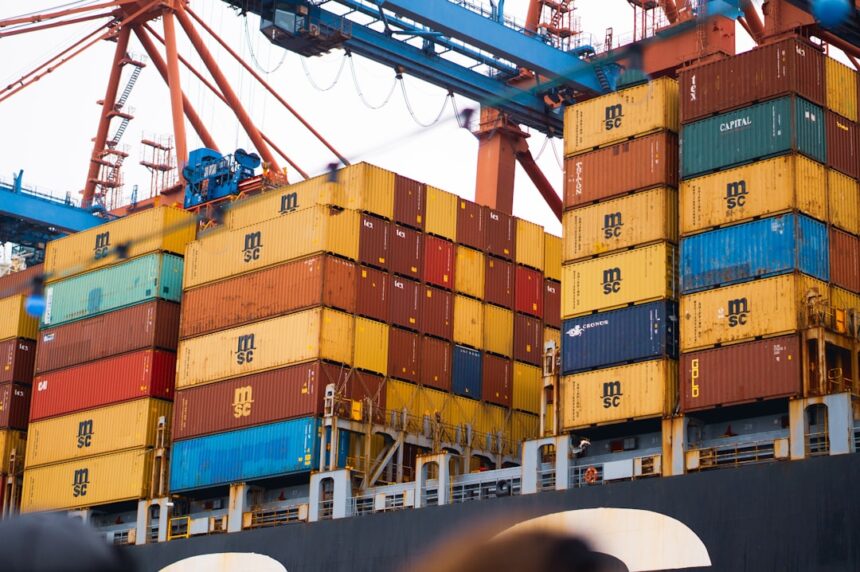
The Suez Canal has long been recognized as one of the most significant maritime chokepoints in the world. Its closure during the Suez Crisis had immediate and far-reaching consequences for global shipping routes. With the canal blocked to international traffic, vessels were forced to take longer alternative routes around the Cape of Good Hope, significantly increasing travel times and costs.
This disruption not only affected commercial shipping but also had implications for military logistics, as naval forces had to navigate longer distances to reach their destinations. The rerouting of ships around Africa added weeks to shipping schedules, leading to delays in the delivery of goods and commodities. The impact was particularly pronounced for oil shipments, as many countries relied on the canal for quick access to Middle Eastern oil supplies.
The crisis created a ripple effect throughout global markets, causing prices to spike and leading to shortages in various regions. As shipping companies scrambled to adapt to the new reality, the crisis underscored the vulnerability of global trade networks to geopolitical conflicts.
Economic Impact on International Trade

The economic ramifications of the Suez Crisis were profound and far-reaching. The immediate closure of the canal resulted in increased shipping costs, which were ultimately passed on to consumers. Businesses that relied on timely deliveries faced significant disruptions, leading to production delays and financial losses.
The crisis also highlighted the interconnectedness of global economies; a conflict in one region could have cascading effects on markets worldwide. In addition to rising shipping costs, the crisis prompted a reevaluation of energy security for many nations. Countries that depended heavily on oil imports began to seek alternative sources and diversify their energy portfolios.
This shift had lasting implications for international trade patterns, as nations sought to reduce their reliance on Middle Eastern oil. The economic landscape was forever altered, with countries increasingly aware of the risks associated with geopolitical instability in key regions.
Political Ramifications of the Suez Crisis
| Political Ramifications of the Suez Crisis |
|---|
| 1. United Nations involvement |
| 2. Decline of British and French influence |
| 3. Rise of US and Soviet influence in the Middle East |
| 4. Strengthening of Egyptian nationalism under Nasser |
| 5. Shift in global power dynamics |
The political fallout from the Suez Crisis was significant, reshaping alliances and altering power dynamics in the Middle East and beyond. The failure of Britain and France to achieve their objectives not only diminished their influence in the region but also signaled a shift toward greater assertiveness among newly independent nations. Nasser emerged as a symbol of Arab nationalism and anti-colonial sentiment, inspiring movements across the region.
The crisis also underscored the limitations of traditional colonial powers in a post-war world increasingly dominated by superpower rivalry. The United States and the Soviet Union seized upon the opportunity to expand their influence in the Middle East, each seeking to align with various factions and governments. This competition for influence laid the groundwork for future conflicts and interventions in the region, as both superpowers sought to secure their interests amid a rapidly changing geopolitical landscape.
The Role of the United Nations in Resolving the Crisis
In response to the escalating conflict, the United Nations played a crucial role in mediating a resolution to the Suez Crisis. Under Secretary-General Dag Hammarskjöld’s leadership, the UN proposed a peacekeeping force to supervise the withdrawal of invading troops and ensure safe passage through the canal. This marked one of the first instances of UN peacekeeping operations, setting a precedent for future interventions in international conflicts.
The deployment of UN peacekeepers helped de-escalate tensions and facilitated negotiations between the involved parties. The resolution of the crisis through diplomatic means rather than military victory underscored the importance of international cooperation in addressing global conflicts. The UN’s involvement not only restored access to the canal but also reinforced its role as a mediator in international disputes, shaping its future engagements in conflict resolution.
The Emergence of Alternative Shipping Routes

The Suez Crisis prompted shipping companies and nations to explore alternative routes for maritime trade. With the canal closed, vessels began utilizing longer paths around Africa, particularly around the Cape of Good Hope. While this route added significant time and distance to voyages, it became a necessary alternative during periods of geopolitical instability.
The exploration of alternative shipping routes also led to increased investment in infrastructure at ports along these paths.
This shift not only diversified global shipping routes but also contributed to economic development in regions previously less integrated into international trade networks.
Long-Term Effects on Global Shipping Industry
The Suez Crisis had lasting implications for the global shipping industry that extended well beyond its immediate aftermath. The event highlighted vulnerabilities within existing trade routes and prompted shipping companies to reassess their operational strategies. Many began investing in larger vessels capable of navigating longer distances more efficiently, leading to changes in ship design and construction.
Moreover, the crisis underscored the importance of geopolitical stability for maritime trade. Shipping companies became increasingly aware of potential disruptions caused by political conflicts and began implementing risk management strategies to mitigate these challenges. This shift led to greater collaboration between governments and private sector stakeholders to ensure secure and reliable shipping routes, ultimately shaping modern practices within the industry.
Lessons Learned from the Suez Crisis
The Suez Crisis served as a critical learning experience for policymakers and leaders around the world. One key lesson was the importance of diplomacy over military intervention in resolving international disputes. The failure of Britain and France to achieve their objectives through force demonstrated that military might could not guarantee success in an increasingly complex geopolitical landscape.
Additionally, the crisis highlighted the interconnectedness of global economies and trade networks. It underscored how localized conflicts could have far-reaching consequences for international markets, prompting nations to prioritize economic resilience and diversification strategies. As countries reflected on these lessons, they began to adopt more collaborative approaches to diplomacy and conflict resolution, recognizing that cooperation was essential for maintaining stability in an interconnected world.
The Suez Crisis and the Rise of Middle Eastern Influence
The Suez Crisis marked a turning point in Middle Eastern geopolitics, leading to an increase in regional influence on global affairs. Nasser’s successful defiance against colonial powers resonated throughout Arab nations, inspiring movements for independence and self-determination across the region. This newfound assertiveness allowed Middle Eastern countries to play a more prominent role on the world stage.
As Arab nationalism gained momentum, it also prompted external powers to reassess their strategies in dealing with Middle Eastern nations. The United States and Soviet Union recognized that they could no longer ignore or dismiss regional aspirations; instead, they sought alliances with emerging leaders who could help them secure their interests amid shifting dynamics. This evolution laid the groundwork for future conflicts and collaborations that would shape Middle Eastern politics for decades.
The Suez Crisis and the Cold War
The Suez Crisis occurred during a critical juncture in Cold War history, influencing both superpowers’ strategies in their quest for global dominance. The United States’ opposition to British and French intervention reflected its desire to prevent further escalation of tensions with the Soviet Union while promoting its image as a champion of decolonization and self-determination. Conversely, the Soviet Union sought to exploit Western failures during this period by supporting anti-colonial movements and positioning itself as an ally of newly independent nations.
This competition for influence intensified Cold War rivalries in regions like the Middle East, where both superpowers sought to establish footholds through military aid, economic assistance, and diplomatic engagement.
Modern-Day Implications of the Suez Crisis
The legacy of the Suez Crisis continues to resonate today as nations grapple with issues related to energy security, trade routes, and geopolitical stability. The event serves as a reminder of how quickly global dynamics can shift due to localized conflicts and underscores the importance of maintaining open lines of communication among nations. In contemporary discussions about energy dependence and supply chain vulnerabilities, policymakers often reference lessons learned from historical events like the Suez Crisis.
As countries navigate an increasingly complex global landscape marked by rising tensions and competition for resources, they remain acutely aware of how past conflicts can inform present-day strategies for ensuring stability and security in international relations. In conclusion, while rooted in a specific historical context, the Suez Crisis offers valuable insights into contemporary issues surrounding global trade, geopolitics, and international cooperation. Its impact continues to shape discussions about power dynamics in an interconnected world where events in one region can have profound implications for others far beyond its borders.
The Suez Crisis of 1956 had profound implications for global shipping, reshaping trade routes and highlighting the strategic importance of the Suez Canal. For a deeper understanding of the geopolitical dynamics that influenced this crisis and its aftermath, you can explore the article on In The War Room, which delves into the broader context of international relations during that period.
WATCH THIS! The Suez Canal Crisis: The 7-Day War That Broke The British Empire’s Bank
FAQs
What was the Suez Crisis?
The Suez Crisis was a diplomatic and military confrontation in 1956 between Egypt on one side, and the United Kingdom, France, and Israel on the other. It was triggered by Egypt’s decision to nationalize the Suez Canal, which had been controlled by the British and French.
How did the Suez Crisis impact global shipping?
The Suez Crisis had a significant impact on global shipping as it led to the closure of the Suez Canal for several months. This forced ships to take longer routes around the southern tip of Africa, increasing shipping times and costs.
What were the economic consequences of the Suez Crisis on global trade?
The closure of the Suez Canal during the crisis disrupted global trade and caused significant economic consequences. Shipping costs increased, and many countries had to find alternative routes for their trade, leading to delays and higher expenses.
How did the Suez Crisis affect the geopolitical landscape?
The Suez Crisis had a profound impact on the geopolitical landscape, leading to a shift in power dynamics. It marked the decline of European colonial influence in the Middle East and the rise of the United States and the Soviet Union as major players in the region.
What were the long-term effects of the Suez Crisis on global shipping?
The Suez Crisis led to a reevaluation of global shipping routes and the development of alternative transportation options, such as pipelines and improved infrastructure. It also highlighted the vulnerability of relying on a single strategic chokepoint for global trade.