The Akula-class submarine is a series of nuclear-powered attack submarines developed by the Soviet Union beginning in the 1980s. Designated Project 971 Shchuka-B by the Russian Navy, these submarines were constructed to enhance Soviet naval capabilities during the final decades of the Cold War. The class entered service in 1986 with the lead vessel K-284 Akula.
The Akula-class submarines feature double-hull construction and incorporate noise reduction technologies that significantly improved their acoustic stealth compared to earlier Soviet submarine designs. These vessels measure approximately 110 meters in length and displace around 8,140 tons when submerged. They are powered by a single OK-650B pressurized water reactor and can achieve speeds exceeding 35 knots underwater.
The submarines are equipped with eight 533mm torpedo tubes and can carry various weapons including torpedoes, anti-ship missiles, and submarine-launched cruise missiles. A total of 15 Akula-class submarines were built between 1984 and 2001 across three variants: Akula I, Improved Akula I, and Akula II. Several vessels remain in active service with the Russian Navy, while others have been retired or converted for special operations.
The class has undergone modernization programs to extend service life and upgrade systems, maintaining its operational relevance in contemporary naval operations.
Key Takeaways
- The Akula submarine class represents a significant advancement in Russian naval technology with enhanced stealth and combat capabilities.
- Developed during the Cold War, the Akula class played a crucial role in maintaining strategic naval balance.
- Its stealth technology and nuclear capabilities make it a key asset in nuclear deterrence and underwater warfare.
- The Akula submarines have been actively deployed in various operations, demonstrating their strategic importance.
- Despite challenges and risks, the Akula class continues to evolve, ensuring its relevance in future naval conflicts.
History and Development of the Akula Submarine
The inception of the Akula submarine class can be traced back to the late 1970s when the Soviet Navy recognized the need for a new generation of attack submarines. The Akula was conceived as a response to the limitations of earlier submarine designs, particularly in terms of stealth and firepower. The first vessel of this class, K-284, was launched in 1983, marking a significant milestone in Soviet naval engineering.
The design process was characterized by a focus on reducing noise levels, enhancing maneuverability, and integrating advanced sonar systems. Throughout the 1980s, several variants of the Akula class were developed, each incorporating lessons learned from previous models and advancements in technology. The Akula I and II variants showcased improvements in hull design and onboard systems, allowing for greater operational flexibility.
The end of the Cold War brought about changes in naval strategy, leading to a reevaluation of the Akula’s role within the Russian Navy. Despite these shifts, the Akula submarines continued to be produced and upgraded, reflecting their importance in Russia’s maritime strategy.
Key Features and Capabilities of the Akula Submarine
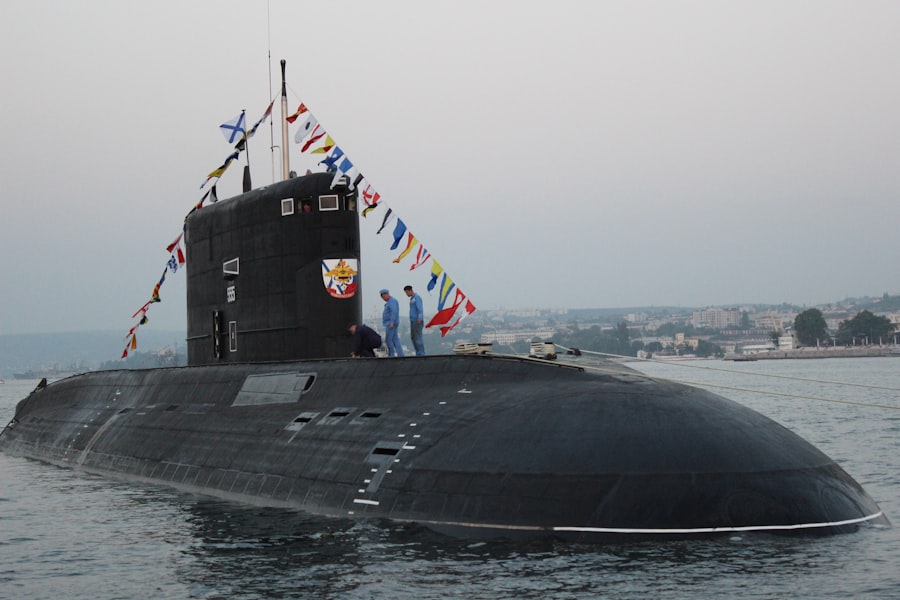
The Akula submarine class is distinguished by its impressive array of features and capabilities that set it apart from other submarines in service. One of its most notable characteristics is its nuclear propulsion system, which allows for virtually unlimited range and endurance. This capability enables the Akula submarines to operate in diverse environments without the need for frequent refueling, making them highly versatile assets in naval operations.
In addition to its propulsion system, the Akula class is equipped with advanced sonar technology that enhances its ability to detect and track enemy vessels. The submarines are fitted with both passive and active sonar systems, providing them with a comprehensive situational awareness capability. Furthermore, the Akula submarines boast an extensive arsenal of torpedoes and cruise missiles, including the formidable P-800 Oniks anti-ship missile.
This combination of stealth, detection capabilities, and firepower makes the Akula class a formidable opponent in any maritime engagement.
Role of the Akula Submarine in Naval Warfare
The role of the Akula submarine class in naval warfare is multifaceted, encompassing both offensive and defensive operations. As an attack submarine, its primary mission is to engage enemy surface ships and submarines while providing support for larger naval operations. The Akula’s ability to operate undetected allows it to gather intelligence on enemy movements and engage targets with precision strikes.
Moreover, the Akula submarines serve as a deterrent against potential adversaries. Their presence in strategic waters can influence naval engagements and alter the calculus of enemy commanders. By projecting power beneath the waves, the Akula class contributes to Russia’s overall maritime strategy, ensuring that it maintains a credible threat against any potential aggressors.
This dual role as both an offensive weapon and a strategic deterrent underscores the importance of the Akula class within modern naval warfare.
Stealth Technology and the Akula Submarine
| Metric | Akula Submarine Class |
|---|---|
| Type | Attack Submarine (Nuclear-powered) |
| Country of Origin | Russia (Soviet Union) |
| Displacement (surfaced) | 8,140 tons |
| Displacement (submerged) | 12,770 tons |
| Length | 110 meters (361 feet) |
| Beam | 13.6 meters (44.6 feet) |
| Draft | 8.5 meters (28 feet) |
| Maximum Speed (submerged) | 28 knots (52 km/h) |
| Maximum Speed (surfaced) | 12 knots (22 km/h) |
| Test Depth | 600 meters (1,970 feet) |
| Endurance | Up to 100 days |
| Crew | 73 personnel |
| Armament |
4 × 533 mm torpedo tubes 4 × 650 mm torpedo tubes Torpedoes, cruise missiles, mines |
| Propulsion | 1 × pressurized water nuclear reactor, 2 × steam turbines, 2 × shafts |
Stealth technology is one of the defining features of the Akula submarine class, allowing it to operate effectively in contested environments. The design of these submarines incorporates various elements aimed at reducing their acoustic signature, making them difficult to detect by enemy sonar systems. The hull shape is optimized for hydrodynamic efficiency, while sound-dampening materials are used throughout the vessel to minimize noise generated by machinery and water flow.
In addition to physical design elements, the Akula submarines employ advanced electronic warfare systems that enhance their stealth capabilities. These systems can jam or deceive enemy sonar and radar systems, further complicating detection efforts. The combination of these technologies enables the Akula class to approach targets undetected, allowing for surprise attacks that can shift the balance of power in naval engagements.
Strategic Importance of the Akula Submarine Class
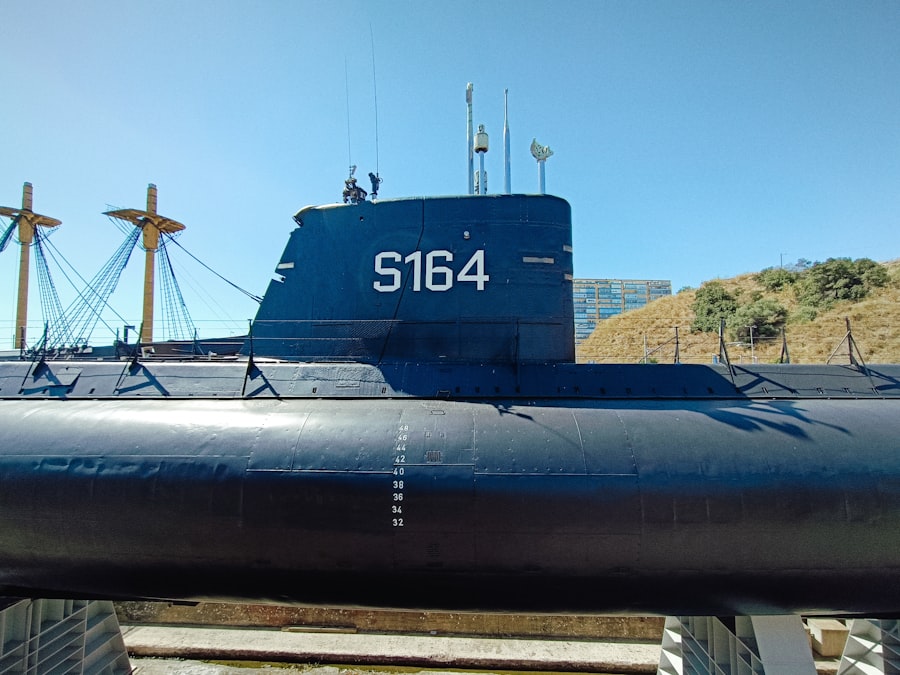
The strategic importance of the Akula submarine class extends beyond its immediate capabilities; it plays a crucial role in Russia’s broader military strategy. As tensions between global powers continue to rise, maintaining a robust underwater fleet is essential for ensuring national security. The Akula submarines provide Russia with a credible second-strike capability, reinforcing its nuclear deterrent posture.
Furthermore, the presence of Akula submarines in key maritime regions serves as a powerful signal to adversaries regarding Russia’s commitment to protecting its interests. Their ability to operate in contested waters enhances Russia’s influence in global maritime affairs and contributes to its status as a major naval power. As such, the Akula class remains an integral component of Russia’s strategic deterrence framework.
Akula Submarine’s Role in Nuclear Deterrence
The role of the Akula submarine class in nuclear deterrence cannot be overstated. While primarily designed as attack submarines, some variants possess capabilities that allow them to carry nuclear weapons. This dual capability enhances Russia’s strategic deterrent by providing a platform that can launch nuclear strikes while remaining hidden beneath the ocean’s surface.
The psychological impact of having nuclear-capable submarines like those in the Akula class is significant. Their ability to remain undetected while positioned near potential adversaries creates uncertainty and complicates enemy planning. This uncertainty serves as a powerful deterrent against aggression, as adversaries must consider the potential consequences of engaging with a nation that possesses such capabilities.
Operations and Deployments of the Akula Submarine
Since their introduction into service, Akula submarines have been involved in various operations and deployments that highlight their versatility and effectiveness. They have participated in numerous exercises alongside other naval forces, demonstrating their ability to integrate into larger fleets while conducting complex maneuvers. These exercises not only enhance crew proficiency but also serve as a demonstration of power to potential adversaries.
In addition to training exercises, Akula submarines have been deployed on operational missions that underscore their strategic importance.
These deployments reinforce Russia’s presence on the global stage and serve as a reminder of its capabilities in underwater warfare.
Challenges and Risks Associated with the Akula Submarine
Despite their many advantages, the Akula submarine class faces several challenges and risks that could impact its effectiveness in future conflicts. One significant concern is aging infrastructure; many vessels within this class are approaching or have surpassed their intended service life. As maintenance becomes more challenging and costly, there is an increasing need for modernization efforts to ensure that these submarines remain operationally relevant.
Additionally, advancements in anti-submarine warfare technology pose a growing threat to stealthy vessels like those in the Akula class. Enhanced sonar systems, unmanned underwater vehicles, and improved detection algorithms could compromise their ability to operate undetected. As adversaries invest in countermeasures designed specifically to target submarines, maintaining an edge in stealth technology will be crucial for ensuring the continued effectiveness of the Akula fleet.
Future of the Akula Submarine Class
Looking ahead, the future of the Akula submarine class appears uncertain yet promising. While some vessels may be retired or decommissioned due to age-related issues, ongoing modernization efforts aim to extend their operational life and enhance their capabilities. Upgrades may include improved sensors, weapon systems, and stealth technologies that align with contemporary naval warfare demands.
Moreover, as geopolitical tensions persist and new threats emerge, there may be renewed interest in expanding or replacing elements of the Akula fleet with next-generation submarines that build upon its legacy. The lessons learned from operating these submarines will undoubtedly inform future designs as navies around the world seek to adapt to an evolving maritime landscape.
The Enduring Legacy of the Akula Submarine
In conclusion, the Akula submarine class stands as a testament to innovative engineering and strategic foresight within naval warfare.
As an integral component of Russia’s maritime strategy, these submarines have played a pivotal role in shaping naval engagements and maintaining deterrence.
The enduring legacy of the Akula class lies not only in its impressive capabilities but also in its adaptability to changing circumstances. As nations continue to navigate complex security challenges on the high seas, the lessons learned from operating such advanced platforms will remain relevant for generations to come. The Akula submarine class will undoubtedly continue to influence naval strategy and operations well into the future.
The Akula submarine class, known for its advanced stealth capabilities and impressive operational range, has been a significant asset in naval warfare. For a deeper understanding of its strategic implications and technological advancements, you can read more in this related article on the topic at In The War Room. This resource provides valuable insights into the role of the Akula class within modern naval operations.
FAQs
What is the Akula submarine class?
The Akula submarine class is a series of nuclear-powered attack submarines developed by the Soviet Union and later operated by Russia. They are known for their advanced stealth capabilities and powerful armament.
When was the Akula class first introduced?
The Akula class was first introduced in the 1980s, with the lead submarine, K-284 Akula, commissioned in 1984.
What are the main features of the Akula class submarines?
Akula class submarines feature a double-hull design, advanced sonar systems, nuclear propulsion, and are equipped with torpedoes and cruise missiles. They are designed for anti-submarine and anti-surface warfare.
How many Akula class submarines have been built?
A total of 12 Akula class submarines were built, including several variants with improvements in stealth and combat capabilities.
What is the difference between the Akula class and other Russian submarines?
The Akula class is noted for its quieter operation compared to earlier Soviet submarines, making it more difficult to detect. It also incorporates improved sonar and weapons systems compared to previous classes.
Are Akula class submarines still in service?
Yes, several Akula class submarines remain in active service with the Russian Navy, although some have been retired or are undergoing modernization.
What is the origin of the name “Akula”?
“Akula” means “shark” in Russian. Interestingly, NATO uses the name “Akula” to refer to a different class of Soviet submarines, while the Russian Navy uses “Akula” for this particular class.
What roles do Akula class submarines perform?
Akula class submarines primarily perform roles such as hunting enemy submarines and surface ships, intelligence gathering, and launching cruise missile attacks.
What is the typical armament of an Akula class submarine?
They are typically armed with torpedo tubes capable of launching torpedoes and anti-ship cruise missiles, including the SS-N-21 Sampson missile.
How does the Akula class compare to Western submarines?
The Akula class was considered one of the quietest and most advanced Soviet submarines of its time, comparable to Western nuclear attack submarines like the U.S. Los Angeles class in terms of stealth and firepower.