The Cuban Missile Crisis of October 1962 remains etched in the collective memory as the closest the world has ever come to nuclear annihilation. For thirteen tense days, the United States and the Soviet Union stood on the precipice of a conflict that could have engulfed the planet in radioactive fire. While the world fixated on the visible ballistic missile sites being constructed in Cuba, a far more clandestine and potentially catastrophic weapon system lay lurking in the shadows: the Soviet nuclear torpedo. This submerged threat, often overlooked in popular accounts, represented a terrifying escalation of Soviet capabilities and a crucial, albeit silent, player in the high-stakes game of brinkmanship.
The Genesis of the Nuclear Torpedo: A Cold War Arms Race Submerged
The development of nuclear weapons by both superpowers was the defining characteristic of the Cold War. This race for atomic supremacy extended beyond land-based missiles and bombers to encompass the silent, unseen world beneath the waves. The Soviet Union, lagging in its strategic nuclear arsenal compared to the United States in the early years of the Cold War, sought innovative ways to offset this disparity. One such avenue was the weaponization of their formidable submarine fleet with nuclear payloads.
Early Soviet Nuclear Ambitions and the Submarine Force
From the outset of the nuclear age, Soviet military planners recognized the strategic advantage of a submerged nuclear deterrent. Unlike land-based missiles or aircraft, submarines offered a degree of stealth and survivability that was highly desirable in the face of a potential first strike. The Soviet Union invested heavily in expanding and modernizing its submarine force, transforming it from a coastal defense arm into a potent offensive instrument. This expansion included the development of diesel-electric submarines capable of launching torpedoes, and later, the introduction of more advanced nuclear-powered vessels.
The Technological Leap: From Conventional to Nuclear Torpedoes
The technological leap from conventional torpedoes to nuclear-armed ones was a significant undertaking. Conventional torpedoes relied on high explosives, delivering devastating localized damage. However, the scale of destruction required to deter or cripple a superpower demanded a more potent punch. The integration of a small, tactical nuclear warhead onto a torpedo offered precisely that. This allowed submarines to deliver a nuclear strike without the need for larger, more vulnerable missile systems. The development of the Soviet nuclear torpedo was a testament to their commitment to achieving nuclear parity through various technological avenues.
Secrecy and Deniability: The Perfect Cold War Weapon
The inherent nature of submarines made them ideal platforms for deploying nuclear weapons with a degree of secrecy and deniability. The vastness of the oceans provided ample cover, and the silent running capabilities of modern submarines made them incredibly difficult to detect. This was particularly attractive to the Soviet Union, which often sought to achieve strategic advantages through clandestine means. A nuclear torpedo, deployed from a submerged submarine, offered the potential for a devastating surprise attack with limited attribution, a chilling prospect in the tense geopolitical climate of the Cold War.
The Cuban Missile Crisis of 1962 was a pivotal moment in Cold War history, marked by the intense standoff between the United States and the Soviet Union over nuclear weapons stationed in Cuba. A related article that delves deeper into the implications of Soviet nuclear torpedoes during this crisis can be found at In The War Room. This piece explores the strategic considerations and the potential consequences had these torpedoes been deployed, shedding light on the precarious balance of power during one of the most dangerous periods in modern history.
The Soviet Nuclear Torpedo: A Tactical Enigma
While the iconic ICBMs were the headline grabbers of the Cuban Missile Crisis, the existence and deployment of Soviet nuclear torpedoes added a layer of complexity and fear that was not widely understood by the public or even fully appreciated by many Western strategists at the time. These weapons were designed for tactical, rather than strategic, use, aiming to inflict localized but overwhelming damage on enemy naval assets or coastal installations.
The Type 53-65 and its Nuclear Variant
The workhorse of the Soviet torpedo arsenal during this period was the Type 53 torpedo, a formidable conventional weapon. However, intelligence suggested the development of a nuclear-tipped variant, often designated as the nuclear torpedo or a specific torpedo code like “A7.” These weapons were designed to be launched from a variety of Soviet submarine classes, including the Whiskey-class diesel-electric submarines and the early nuclear-powered Victor-class submarines. The effective range and destructive yield of these torpedoes, while not comparable to strategic nuclear warheads, were still capable of causing catastrophic damage.
The Role in Naval Warfare: Anti-Ship and Anti-Submarine Missions
The primary role envisioned for the nuclear torpedo was in anti-ship and anti-submarine warfare. Imagine a fleet of American aircraft carriers or a critical naval blockade being confronted by a single submarine armed with a nuclear torpedo. The potential for the swift and utter destruction of a significant portion of the US Navy’s capital ships was a chilling prospect. Furthermore, these torpedoes could be used to deny vital sea lanes or to neutralize enemy submarine threats, adding another dimension to the naval dimension of the Cold War.
The Limited Range and Tactical Application
It is crucial to understand that these nuclear torpedoes were generally considered tactical weapons. Their range was limited compared to intercontinental ballistic missiles, meaning they were intended for use in a more localized conflict, likely at sea or against coastal targets in close proximity. This tactical nature, however, did not diminish their strategic implications. The ability to deploy a nuclear weapon from a submerged platform, potentially undetected, presented a unique and terrifying threat that could dramatically alter the balance of power in a regional conflict.
The Cuban Connection: A Submerged Threat in the Caribbean
The decision by the Soviet Union to deploy intermediate-range and medium-range ballistic missiles to Cuba was the overt trigger of the crisis. However, the presence of nuclear torpedoes aboard Soviet submarines operating in the vicinity of Cuba represented a far less visible, yet equally potent, threat. This submerged arsenal added a dangerous new dimension to an already precarious situation.
Soviet Submarine Patrols in the Caribbean
During the Cuban Missile Crisis, a significant number of Soviet submarines were operating in the waters surrounding Cuba. These submarines, including those capable of carrying nuclear torpedoes, were part of the Soviet Union’s efforts to project power and to protect their deployed missile sites. Their presence was intended to deter American naval interdiction and to provide a retaliatory capability should hostilities escalate. The constant surveillance and potential threat posed by these submerged vessels added an immense psychological burden to the US Navy.
The Fear of the Unknown: Unseen Threats Beneath the Waves
The US Navy was acutely aware of the presence of Soviet submarines, but the precise capabilities and armament of these vessels were not always fully known. The intelligence surrounding Soviet nuclear torpedoes was particularly opaque. The possibility that a seemingly routine encounter with a Soviet submarine could result in a nuclear detonation was a terrifying prospect that fueled the tension and uncertainty of the crisis. The US Navy’s efforts to track and identify Soviet submarines were intensified, but the inherent stealth of these vessels made complete certainty an elusive goal.
Operation Kaiman: The Specific Nuclear Torpedo Deployment
While details remain somewhat classified, evidence suggests that at least one Soviet submarine, the B-59, was equipped with a nuclear torpedo and operated in Cuban waters during the crisis. This submarine, along with others, was under orders to engage American naval vessels if they were attacked. The presence of these nuclear-armed torpedoes meant that a confrontation at sea could quickly escalate to nuclear exchanges, a scenario that would have been catastrophic. The operational details and specific orders given to these submarines are a subject of ongoing historical research and debate.
The Brink of Escalation: How the Nuclear Torpedo Could Have Changed Everything
The conventional narrative of the Cuban Missile Crisis often focuses on the aerial reconnaissance of missile sites and the naval blockade. However, the presence of nuclear torpedoes introduced a critical submerged dimension to the conflict, one that possessed the potential to dramatically alter the course of events.
The Encounter with the USS Beale and the B-59
One of the most chilling moments of the crisis occurred when the US Navy destroyer USS Beale aggressively harassed the Soviet submarine B-59 with practice depth charges. The B-59, unable to communicate with Moscow, was on the surface and believed it was under attack. Unknown to the American crew, the B-59 carried a nuclear torpedo, and two of its three senior officers, including Vasili Arkhipov, were willing to launch it. It was only through Arkhipov’s intervention that the launch was prevented. This incident, though not involving the actual use of the nuclear torpedo, highlights the razor’s edge on which the world was balanced.
The “What If” Scenario: A Nuclear Exchange at Sea
Had Vasili Arkhipov not intervened, the launch of the nuclear torpedo from the B-59 against the USS Beale could have triggered a devastating chain of events. Such an attack would have undoubtedly been perceived as a deliberate act of aggression by the Soviet Union, likely leading to immediate retaliatory strikes from other US naval forces. This localized nuclear exchange at sea could have rapidly escalated into a wider conflict, potentially drawing in land-based nuclear weapons and leading to a full-scale nuclear war. The consequences of such an event are almost unimaginable.
The Psychological Impact on Naval Commanders
The knowledge that Soviet submarines were potentially armed with nuclear torpedoes would have had a profound psychological impact on American naval commanders. Every encounter with a Soviet submarine would have been imbued with an unprecedented level of risk. The pressure to act decisively, while simultaneously avoiding any action that could trigger a nuclear response, would have been immense. This heightened tension and uncertainty likely contributed to the overall atmosphere of fear and apprehension that permeated the crisis.
During the tense days of the Cuban Missile Crisis, the presence of Soviet nuclear torpedoes added a chilling dimension to the standoff between the United States and the Soviet Union. These underwater weapons were part of a broader strategy that aimed to counter U.S. naval superiority in the region. For a deeper understanding of the implications of these torpedoes and their role in the crisis, you can read more in this insightful article on the subject. The analysis provides a comprehensive overview of the military strategies employed during this critical period in history. To explore further, visit this article.
The Aftermath and Legacy: Lessons Learned from the Submerged Threat
The Cuban Missile Crisis ultimately ended with a peaceful resolution, a testament to the courage and restraint shown by leaders on both sides. However, the existence and potential use of the Soviet nuclear torpedo left an indelible mark on the understanding of nuclear warfare and the importance of clear communication and de-escalation.
The Importance of Vasili Arkhipov’s Decision
The role of Vasili Arkhipov in preventing the launch of the nuclear torpedo from the B-59 cannot be overstated. His calm demeanor and refusal to authorize the use of nuclear weapons in the face of perceived attack averted a potential catastrophe. His story serves as a powerful reminder that individual decisions, even in the most extreme circumstances, can have world-altering consequences. His actions have rightly earned him recognition as a hero who helped save the world from nuclear war.
The Shift in Naval Doctrine and Intelligence Gathering
The near-disaster highlighted critical gaps in naval doctrine and intelligence gathering. Following the crisis, both the United States and the Soviet Union likely reassessed their naval strategies and their understanding of the tactical nuclear capabilities of their adversaries. Enhanced intelligence efforts were undoubtedly directed towards identifying and tracking submarines equipped with nuclear weapons, and naval commanders received clearer protocols for dealing with such potential threats.
The Enduring Shadow of Tactical Nuclear Weapons
While the Cuban Missile Crisis is often remembered for the strategic ballistic missiles, the shadow of tactical nuclear weapons, like the Soviet nuclear torpedo, continued to loom over Cold War thinking. The potential for these smaller, more mobile nuclear weapons to lower the threshold for nuclear use remained a persistent concern. The crisis underscored the urgent need for arms control agreements that addressed all forms of nuclear weaponry, not just the largest and most visible. The lessons learned from the submerged threat of the Soviet nuclear torpedo continue to resonate in contemporary discussions about nuclear proliferation and the dangers of tactical nuclear weapons.
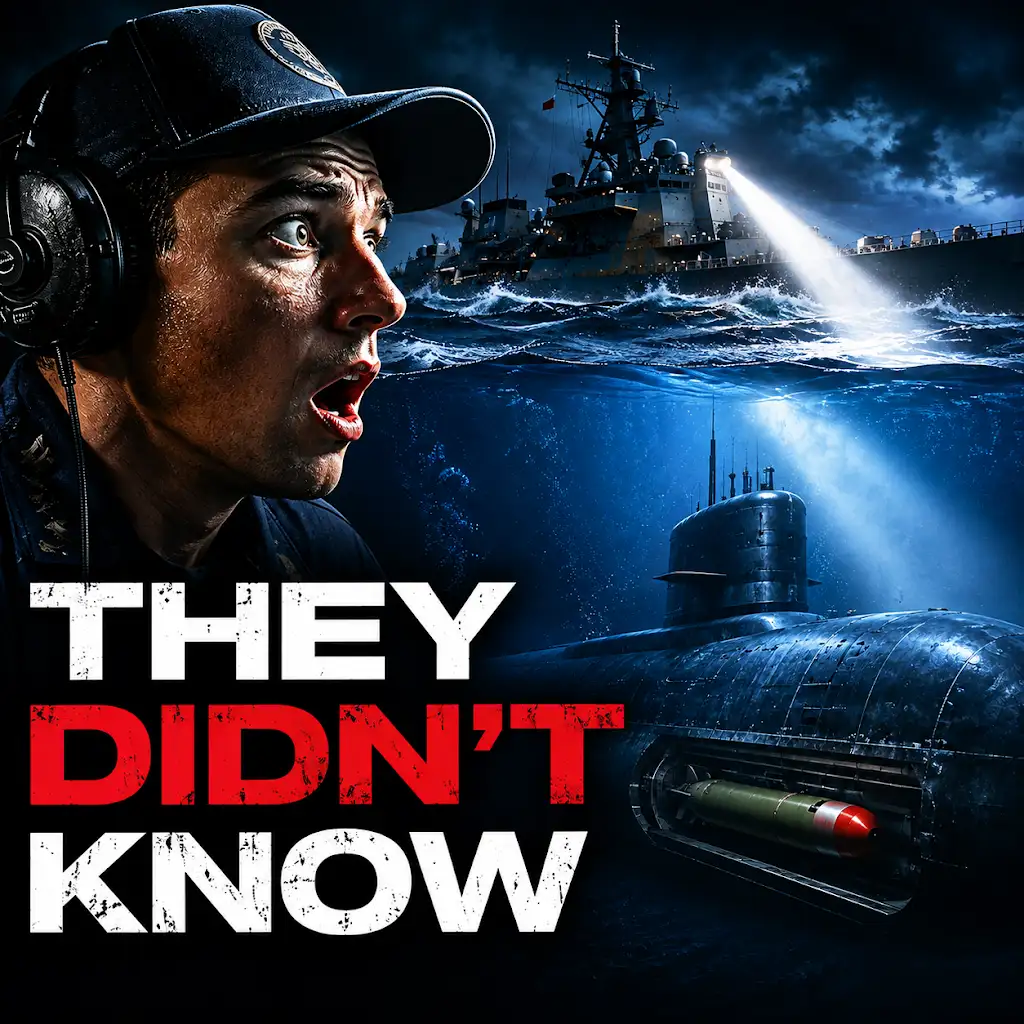
The U.S. Navy Didn’t Know This Submarine Had a Nuclear Torpedo
FAQs
What was the Soviet nuclear torpedo?
The Soviet nuclear torpedo, also known as the T-15 torpedo, was a massive nuclear weapon designed to be launched from a submarine. It was developed during the Cold War and was intended to be used as a deterrent against enemy naval forces.
How powerful was the Soviet nuclear torpedo?
The Soviet nuclear torpedo had a yield of 100 megatons, making it one of the most powerful nuclear weapons ever created. Its explosive power was approximately 6,600 times that of the atomic bomb dropped on Hiroshima during World War II.
What role did the Soviet nuclear torpedo play in the Cuban Missile Crisis?
During the Cuban Missile Crisis in 1962, the presence of Soviet nuclear torpedoes in Cuba heightened tensions between the United States and the Soviet Union. The deployment of these weapons in close proximity to the United States was a major factor in the escalation of the crisis.
Were the Soviet nuclear torpedoes ever used in combat?
No, the Soviet nuclear torpedoes were never used in combat. They were primarily intended as a deterrent and were never deployed in an actual military conflict.
What happened to the Soviet nuclear torpedoes after the Cold War?
After the end of the Cold War, the Soviet nuclear torpedoes were dismantled as part of nuclear disarmament agreements between the United States and Russia. The dismantling process was completed in the 1990s, and the weapons were destroyed in accordance with international arms control treaties.