The Cuban Missile Crisis of October 1962 stands as one of the most perilous moments in human history, a terrifyingly close brush with nuclear annihilation. While the world’s attention was largely fixed on the tense standoff between the United States and the Soviet Union, focusing on the deployment of missiles and the aerial reconnaissance that revealed them, the often-underestimated role of the Soviet Navy was critical in shaping the crisis’s trajectory and, ultimately, preventing a global catastrophe. The imposing presence of Soviet warships, their strategic movements, and the internal deliberations within the Soviet naval command were not mere footnotes; they were integral to the Soviet Union’s strategy, a silent but potent force that influenced Washington’s decisions and contained the escalating conflict.
The Strategic Imperative: Projecting Power and Redressing Imbalance
The decision to place nuclear missiles in Cuba was a bold gamble by Soviet Premier Nikita Khrushchev, driven by a complex interplay of strategic considerations and perceived geopolitical realities. The Soviet Navy, at this time, was still playing catch-up with its American counterpart, the United States Navy, which enjoyed global supremacy. The deployment of Soviet missiles in Cuba was, in part, an attempt to redress this imbalance and project Soviet power closer to the American homeland.
A Preemptive Strike Against American Dominance
The post-World War II era saw the United States establish a formidable network of military bases and alliances encircling the Soviet Union. American Jupiter missiles were stationed in Turkey, a mere stone’s throw from Soviet borders, posing a direct and existential threat. The Soviet leadership viewed this as a significant strategic vulnerability and sought a reciprocal move that would inject a similar level of threat into the American strategic calculus.
The Perceived Threat of “Containment”
Soviet strategists felt acutely the weight of American “containment” policy, which aimed to limit the spread of Soviet influence and communist ideology. The presence of US missile bases in proximity to Soviet territory was seen as a clear manifestation of this hostile posture. Khrushchev’s reasoning was rooted in the idea of creating a comparable “forward deployed” capability for the Soviets, thereby leveling the playing field and deterring a potential first strike against the USSR.
The Domino Theory and its Reciprocal Application
While the Americans feared the “domino theory” in Southeast Asia, the Soviets harbored their own anxieties about the spread of American influence in their sphere of interest. Cuba, a newly established socialist state in the Western Hemisphere, represented a significant ideological victory for the Soviet Union. Protecting this nascent ally and extending Soviet influence into what was traditionally considered an American backyard was a powerful motivation.
The Unveiling of the “Cuban Solution”
The idea of placing intermediate-range ballistic missiles (IRBMs) and medium-range ballistic missiles (MRBMs) in Cuba emerged as a pragmatic, albeit risky, solution to these strategic concerns. The island’s proximity to the United States offered a short flight time for these missiles, dramatically reducing the warning time for the Americans and thereby enhancing the credibility of Soviet deterrence.
The Advantage of Proximity
The geographical advantage of Cuba was undeniable. An IRBM launched from Cuba could reach major cities and military installations across the United States within minutes. This significantly altered the strategic equation, making a preemptive strike against the Soviet Union far more perilous for the United States. The Soviet Navy’s role in facilitating and protecting this deployment was therefore paramount.
A Diplomatic Lever in a Cold War World
Beyond pure military strategy, the missile deployment was also intended as a powerful diplomatic lever. Khrushchev aimed to force the United States to acknowledge Soviet parity and engage in a more equitable dialogue on nuclear disarmament and security concerns. The presence of missiles on America’s doorstep was a clear signal that the Soviet Union would no longer be treated as a junior partner in global affairs.
The Cuban Missile Crisis of 1962 was a pivotal moment in Cold War history, showcasing the intense standoff between the United States and the Soviet Union. A related article that delves deeper into the role of the Soviet Navy during this critical period can be found at this link: Soviet Navy and the Cuban Missile Crisis. This article provides insights into the naval strategies employed by the Soviet Union and how they influenced the dynamics of the crisis, highlighting the importance of maritime power in geopolitical conflicts.
The Silent Fleet: Soviet Naval Operations During the Crisis
The Soviet Navy’s involvement in the Cuban Missile Crisis was multifaceted, extending far beyond the initial deployment of missiles. From escorting the missile-laden freighters to engaging in covert operations and preparing for potential naval confrontations, the Soviet Navy was an active participant throughout the tense thirteen days.
The Convoy Operation: A Race Against Time and Detection
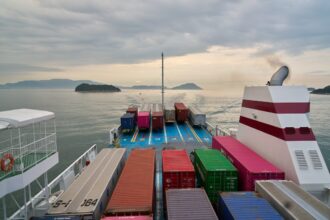
The most visible and crucial naval operation was the clandestine transport of Soviet missiles and associated hardware to Cuba. This was a logistical marvel, undertaken under the constant threat of detection by the US Navy and Air Force.
Operation Anadyr: A Deceptive Cover Story
The entire operation was cloaked in secrecy under the codename “Operation Anadyr,” a deceptive cover story that suggested military exercises in the Arctic. This elaborate ruse was designed to mislead American intelligence and allow the Soviet vessels to reach their destination without immediate alarm.
The Vulnerability of the Sea Lanes
The Soviet Navy faced the daunting task of navigating the increasingly patrolled waters of the Caribbean. The US Navy had initiated a naval blockade, known as a “quarantine,” around Cuba, effectively encircling the island and intercepting any vessels suspected of carrying offensive weapons. This created a high-stakes game of cat and mouse.
The “Blackout” at Sea and Intelligence Failures
Soviet captains employed various tactics to evade detection, including sailing at night and utilizing electronic countermeasures. Despite these efforts, US intelligence, particularly through aerial reconnaissance, was remarkably effective. However, the sheer scale of the operation and the speed at which it was executed meant that definitive confirmation of offensive missiles took crucial time, giving the Soviets a limited window.
The Presence of the Soviet Submarine Force: A Shadowy Deterrent
While the surface fleet was a visible deterrent, the Soviet Union’s submarine force played a more covert but equally significant role. These underwater vessels were present in the Atlantic and Caribbean, posing a potent, albeit unseen, threat to American naval assets.
The K-102 Incident: A Near Miss
One of the most chilling episodes involved the Soviet submarine B-59. During the tense standoff, B-59 was depth-charged by American destroyers, a tactic intended to force it to the surface. Unbeknownst to the Americans, the submarine was armed with a nuclear torpedo, and its captain, Valentin Savitsky, was on the verge of launching it. It was only the intervention of Vasili Arkhipov, a flotilla commander also aboard, who persuaded Savitsky to stand down. This incident highlights the extreme danger of the naval encounters and the potential for a localized naval incident to escalate into a full-blown nuclear war.
Strategic Patrols and Deterrence by Uncertainty
The presence of Soviet submarines, even if not directly engaged in offensive actions, created an atmosphere of uncertainty and fear for the US Navy. The possibility of a submarine attack on American warships, particularly aircraft carriers, was a significant concern. This silent deterrent contributed to the cautious approach adopted by the US military.
The Confrontation at Sea: The Quarantine and its Implications
The US imposition of a naval “quarantine” on Cuba was a pivotal moment, directly involving the Soviet Navy in a potential confrontation. The response of Soviet vessels to this blockade became a crucial indicator of Soviet intentions and a test of nerves for both superpowers.
The Soviet Response: Calculated Risk and De-escalation
The Soviet Union’s reaction to the quarantine was a delicate balancing act. While they condemned the blockade as an act of aggression, they also sought to avoid a direct military clash that could trigger a nuclear war.
The “First Wave” of Freighters: A Test of Wills
The initial wave of Soviet freighters approaching the quarantine line presented a stark test. Would they turn back, or would they attempt to break through? The world watched with bated breath. The Soviet decision to order many of these vessels to turn back was a significant de-escalation, indicating a desire to avoid immediate conflict.
The Strategic Importance of Turn-Backs
The turn-back of these ships, though seemingly a concession, was also a strategic move. It demonstrated that the Soviet Union was willing to negotiate and avoid a premature escalation. It bought time for diplomatic channels to be explored and allowed for a more measured response from both sides.
The “Second Wave” and the Strategic Ambiguity
However, not all Soviet ships turned back. Some continued towards Cuba, creating persistent ambiguity and maintaining pressure on the United States. This strategic ambiguity forced the US to remain vigilant and maintained a degree of leverage for the Soviets in subsequent negotiations.
The Threat of Naval Warfare: A Prudent Fear
The possibility of naval warfare was a stark reality throughout the crisis. Both sides had the capacity to inflict significant damage, and the consequences of such a conflict could have been catastrophic.
The US Navy’s Superiority and its Limitations
The US Navy possessed overwhelming superiority in numbers and technology. However, the Soviet Navy’s submarine force and its medium-range missile capabilities, even without nuclear warheads deployed in Cuba, presented a credible threat. The thought of American destroyers sinking Soviet submarines, potentially leading to nuclear retaliation, was a grim prospect.
Soviet Naval Preparedness and Doctrine
Soviet naval doctrine emphasized offensive operations and the projection of power. While not directly intending to initiate a war with the US Navy, they were prepared to defend their assets and retaliate if provoked. This preparedness, however restrained, was a factor in the US calculations.
The Secret Deal: The Navy’s Role in the Resolution
The eventual resolution of the Cuban Missile Crisis was not solely a public affair. A secret deal was struck, involving the withdrawal of Soviet missiles from Cuba in exchange for a US pledge not to invade the island and, crucially, the secret removal of American Jupiter missiles from Turkey. The Soviet Navy played an integral, though often hidden, part in this final act.
The Deception of Withdrawal: A Careful Orchestration
The withdrawal of the Soviet missiles was a complex operation, designed to be completed without further provoking the United States or allowing for continued surveillance. The Soviet Navy was instrumental in orchestrating this phased withdrawal.
The “Inspection” and the “Disassembly”
The Soviets employed tactics to make the missile removal appear as if they were dismantling “offensive” equipment, even though the US had confirmed their offensive nature. This included the deliberate destruction of certain components and the use of specific types of cranes that suggested a non-military purpose. The Soviet Navy’s ships were involved in the transport of this equipment back to the Soviet Union.
The Role of Soviet Merchant and Naval Vessels
Both Soviet merchant ships and naval auxiliaries were employed in the withdrawal process. The coordinated movement of these vessels was essential to ensure the timely and secure repatriation of the missiles and associated infrastructure.
The Tacit Understanding of the Turkish Missiles
The withdrawal of American Jupiter missiles from Turkey was a critical, albeit secret, component of the resolution. While not directly under Soviet naval control, the communication of this understanding and the subsequent clandestine removal of these missiles by the US Navy were a direct consequence of the Soviet Navy’s initial strategic gambit and its subsequent role in the crisis.
A Concession for De-escalation
The US agreement to remove its missiles from Turkey was a significant concession, driven by the fear of nuclear war and the desire to de-escalate the situation. The Soviet Navy’s presence in Cuba, and the resulting crisis, had effectively forced this strategic reassessment by the United States.
The Shadow of Reciprocity
The Soviets understood that the removal of their missiles from Cuba would be more palatable if they received a reciprocal concession from the United States. The presence of the Soviet Navy, as the facilitator of the Cuban deployment, created the leverage necessary for this reciprocal agreement.
The Cuban Missile Crisis marked a pivotal moment in Cold War history, showcasing the intense standoff between the United States and the Soviet Union. During this period, the Soviet Navy played a crucial role in the deployment and support of missiles in Cuba, which heightened tensions and brought the world to the brink of nuclear war. For a deeper understanding of the naval strategies employed during this crisis, you can explore a related article that delves into the intricacies of the Soviet Navy’s operations. This insightful piece can be found here.
The Legacy of the Silent Watchers: Lessons Learned
The Soviet Navy’s role in the Cuban Missile Crisis left an indelible mark on naval strategy, international relations, and the understanding of nuclear deterrence. The crisis served as a stark reminder of the immense destructive power at the disposal of the superpowers and the delicate balance required to prevent its use.
Redefining Naval Power in the Nuclear Age
The crisis demonstrated that naval power in the nuclear age was not solely about gunnery duels and carrier battles. It encompassed the strategic deployment of nuclear weapons, the control of vital sea lanes, and the ability to project power into distant theaters.
The Importance of Submarine Warfare
The near-disaster involving the Soviet submarine B-59 underscored the critical importance and inherent dangers of submarine warfare in the nuclear era. It highlighted the need for clear communication protocols and robust command and control structures to prevent accidental escalation.
The Strategic Value of Forward Deployment
The Soviet Union’s successful deployment of missiles in Cuba, facilitated by its navy, proved the strategic value of forward deployment of nuclear assets. This lesson would influence naval strategies for decades to come, particularly in the development of ballistic missile submarines.
The Perils of Miscalculation and the Art of Diplomacy
The crisis also served as a potent lesson in the dangers of miscalculation and the indispensable role of diplomacy. The Soviet Navy’s actions, while audacious, were ultimately tempered by a desire to avoid a direct confrontation that could have spiraled out of control.
The “Hotline” and Communication Channels
The direct communication link established between Washington and Moscow, the so-called “hotline,” was a direct consequence of the crisis, born from the realization that clear and immediate communication was vital in preventing future escalations.
The Evolution of Deterrence Theory
The Cuban Missile Crisis significantly contributed to the evolution of deterrence theory, emphasizing the concept of mutually assured destruction (MAD) and the importance of maintaining strategic stability. The Soviet Navy’s actions played a crucial role in forcing the superpowers to confront these realities.
The Enduring Significance of Naval Diplomacy
The Soviet Navy’s involvement in the Cuban Missile Crisis ultimately underscores the enduring significance of naval diplomacy. The visible presence of naval assets, their strategic movements, and their readiness for action can exert significant influence on diplomatic outcomes, even in the absence of overt conflict. The shadow of the bear, in the form of its formidable navy, played a crucial, often unseen, role in navigating humanity away from the brink of nuclear war.
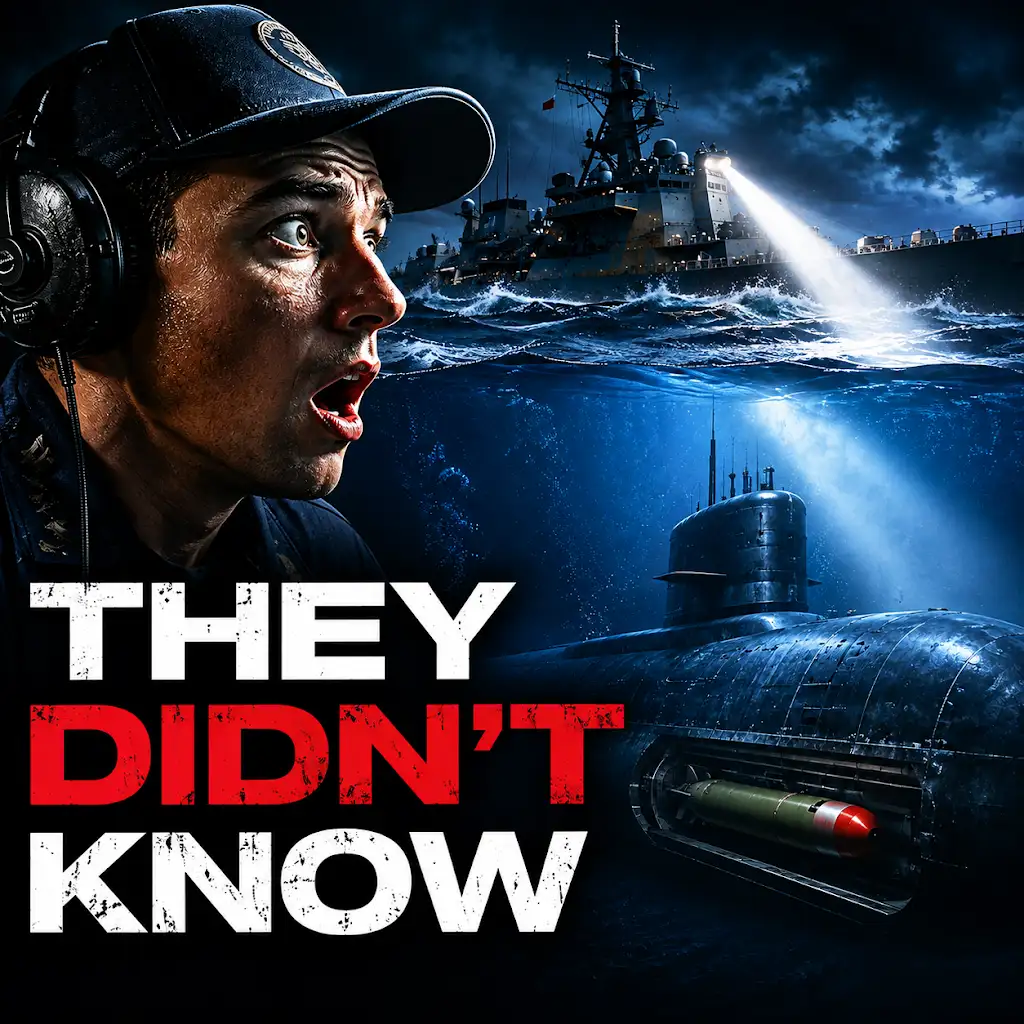
The U.S. Navy Didn’t Know This Submarine Had a Nuclear Torpedo
FAQs

What was the role of the Soviet Navy during the Cuban Missile Crisis?
The Soviet Navy played a crucial role during the Cuban Missile Crisis by transporting nuclear missiles and military equipment to Cuba. They also established a naval blockade around the island to prevent any interference from the United States.
How did the Soviet Navy’s actions contribute to the escalation of the Cuban Missile Crisis?
The Soviet Navy’s deployment of nuclear missiles to Cuba heightened tensions between the United States and the Soviet Union, leading to a standoff that brought the world to the brink of nuclear war.
What was the response of the United States Navy to the Soviet Navy’s actions during the Cuban Missile Crisis?
In response to the Soviet Navy’s actions, the United States Navy established a naval blockade of Cuba to prevent further shipments of military equipment and to force the removal of the nuclear missiles from the island.
Did the Soviet Navy engage in any direct military confrontation with the United States Navy during the Cuban Missile Crisis?
No direct military confrontation occurred between the Soviet Navy and the United States Navy during the Cuban Missile Crisis. Both navies maintained a tense standoff, but no shots were fired at sea.
How did the Cuban Missile Crisis impact the role and capabilities of the Soviet Navy?
The Cuban Missile Crisis highlighted the Soviet Navy’s ability to project power and influence beyond its traditional sphere of operations. It also led to increased focus on the development of a more modern and capable Soviet Navy in the years following the crisis.