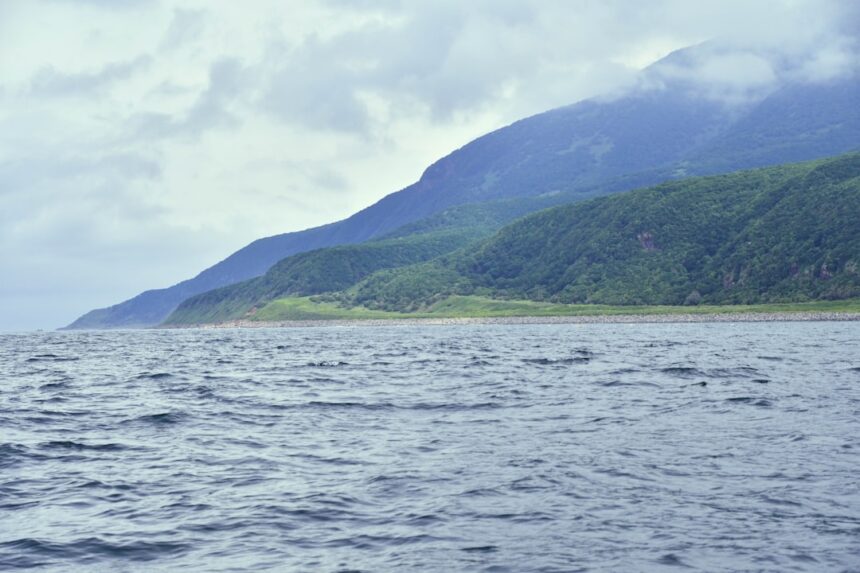
The frigid waters of the Sea of Okhotsk, historically a perilous and sparsely populated eastern frontier of the Russian Empire, underwent a profound transformation during the Soviet era. From being a mere geographic feature, it evolved into a linchpin of Soviet defense strategy, ultimately becoming a highly militarized zone and a critical component of the nation’s nuclear deterrent. This article explores the various factors, both geographical and geopolitical, that contributed to the Sea of Okhotsk’s ascension as a strategic stronghold, examining its role in naval operations, missile defense, and the broader Cold War confrontation.
The Sea of Okhotsk’s unique geographical characteristics played a pivotal role in its militarization. Its enclosed nature, severe climate, and challenging topography offered both inherent defenses and strategic advantages to the Soviet Union.
Bounding Seas and Restricted Access
The Sea of Okhotsk is almost entirely encircled by Soviet territory. The Siberian mainland to the west, Kamchatka Peninsula to the east, and Sakhalin Island to the south formed a natural perimeter. The only significant access points to the wider Pacific Ocean were the narrow straits between Sakhalin and the Kuril Islands, and the straits within the Kuril chain itself. This geographical enclosure effectively created a “Soviet lake,” offering a degree of control over maritime traffic that was unparalleled in other oceanic regions.
Harbingers of Ice and Fog: The Climate’s Role
The Sea of Okhotsk is renowned for its harsh climate. Much of the sea freezes over during winter, creating vast ice floes that render navigation exceptionally difficult, if not impossible, for conventional surface vessels. Moreover, frequent fogs and storms persist throughout the navigation season. This challenging environment, while hindering conventional naval operations, paradoxically offered a defensive advantage. It complicated potential intrusions by adversarial navies, forcing them to contend with the elements in addition to Soviet defenses. For Soviet submarines, however, the ice cover could provide a protective blanket, masking their movements and making detection more challenging.
The Kuril Archipelago: A Strategic Gateway
The Kuril Islands, stretching from Kamchatka to Hokkaido, formed a crucial defensive barrier. These volcanic islands, rugged and inhospitable, offered numerous potential sites for radar installations, airfields, and submarine bases. Control of the Kurils effectively meant control over the primary exits from the Sea of Okhotsk into the Pacific. The strategic importance of the Kurils was underscored by their historical disputed status with Japan, a dispute that continued to inform Soviet military planning.
The Sea of Okhotsk played a crucial role as a Soviet fortress during the Cold War, serving as a strategic military zone that allowed the Soviet Union to project power and maintain a strong naval presence in the Pacific. This maritime region was heavily fortified, with numerous naval bases and missile installations that were essential for the defense of the Soviet Far East. For a deeper understanding of the geopolitical significance of the Sea of Okhotsk and its transformation into a military stronghold, you can read more in this related article: here.
The Cold War Crucible: From Frontier to Front Line
The onset of the Cold War and the escalating arms race dramatically elevated the strategic importance of the Sea of Okhotsk. It transitioned from a remote frontier to a critical front line in the confrontation between the Soviet Union and the Western bloc, particularly the United States.
Deterring the Adversary: The Ballistic Missile Submarine Hub
Perhaps the most significant development in the Sea of Okhotsk’s strategic evolution was its designation as a bastion for Soviet ballistic missile submarines (SSBNs). These submarines, armed with nuclear missiles, formed the retaliatory strike capability of the Soviet Union. The rationale behind deploying SSBNs in the Sea of Okhotsk was multifaceted:
A Protected Launching Pad
The enclosed nature of the sea, coupled with the harsh climate and formidable Soviet naval and air defenses, provided a relatively secure environment for SSBNs. This “bastion” strategy aimed to protect these vital assets from detection and destruction by American anti-submarine warfare (ASW) efforts, ensuring their ability to launch missiles in a retaliatory strike. The depth of the sea in certain areas, combined with complex underwater topography, further aided in concealment.
Reaching “Over the Horizon”
From the Sea of Okhotsk, Soviet SSBNs could target significant portions of the United States and North America, particularly the western seaboard. While later generations of missiles achieved greater range, in the earlier stages of the Cold War, the ability to launch from a relatively protected and forward-deployed position minimized the transit time to target and enhanced the credibility of the Soviet nuclear deterrent. The concept was akin to securing a vital launching pad behind an impenetrable wall.
Anti-Submarine Warfare (ASW) Challenges for NATO
The geographical and environmental impediments within the Sea of Okhotsk presented significant challenges for NATO’s ASW capabilities. The ice cover, dense fog, and shallow approaches to the straits limited the effectiveness of surface ASW vessels and even some acoustic detection systems. This “acoustic sanctuary” for Soviet submarines granted them a crucial operational advantage.
Naval Defenses: A Layered Shield
To protect its strategic SSBN bastions and control access to the Sea of Okhotsk, the Soviet Union constructed a formidable layered defense system. This involved a combination of surface vessels, submarines, air power, and land-based installations.
The Pacific Fleet’s Eastern Outpost
The Soviet Pacific Fleet, headquartered in Vladivostok, dedicated significant resources to securing the Sea of Okhotsk. Surface combatants, including destroyers, frigates, and patrol vessels, were tasked with patrolling key access points and conducting ASW operations. These vessels were designed to operate in challenging environments, with hardened hulls and specialized navigation equipment.
Patrol and Attack Submarines
Alongside the SSBNs, a substantial force of conventional and nuclear-powered attack submarines (SSNs) operated in the Sea of Okhotsk. Their missions included defending the SSBN bastions, intercepting potential adversary intrusions, and conducting reconnaissance. The Soviet Union’s emphasis on submarine development during the Cold War was nowhere more apparent than in its Pacific Fleet.
Air Defense and Reconnaissance
Land-based air forces, operating from airfields on the Kamchatka Peninsula, Sakhalin Island, and the mainland, provided air cover and conducted maritime reconnaissance. Long-range patrol aircraft were crucial for detecting and tracking adversary vessels and aircraft attempting to penetrate the Okhotsk defenses. Early warning radar stations, strategically positioned on the Kuril Islands and along the coastline, formed the eyes and ears of the air defense network.
Coastal Fortifications and Land-Based Defenses
Beyond its naval and air components, the Sea of Okhotsk’s strategic importance was further augmented by extensive land-based fortifications and missile deployments.
Fortress Kamchatka: A Bastion Within a Bastion
The Kamchatka Peninsula, forming the eastern boundary of the Sea of Okhotsk, became a heavily fortified region. Its rugged terrain and proximity to the Pacific offered ideal locations for various military installations.
Missile Launch Sites
Intercontinental Ballistic Missile (ICBM) launch sites were established on Kamchatka, adding another layer to the Soviet strategic deterrent. These fixed land-based silos provided a different trajectory and redundancy to the submarine-launched missiles. The geographical separation of these assets from the main Soviet heartland also made them less vulnerable to a surprise attack.
Air Bases and Naval Facilities
Numerous air bases dotted the Kamchatka landscape, housing interceptors, maritime patrol aircraft, and bombers. These facilities were vital for projecting air power over the Sea of Okhotsk and beyond. Additionally, several naval bases and support facilities were established to service and resupply the Pacific Fleet’s vessels operating in the region.
The Kuril Islands: Sentinels of the Gateway
The Kuril Islands, though small and geographically challenging, were transformed into a chain of military outposts. Their strategic value as a choke point for access to the Sea of Okhotsk was undeniable.
Radar and Communications Hubs
The islands hosted a network of radar installations, vital for early warning and tracking of maritime and aerial movements in the region. Communication stations facilitated coordination between the various military branches and headquarters. These facilities, often built into the rugged terrain, were designed for resilience against attack.
Naval and Air Defense Assets
Small naval bases on some of the larger Kuril Islands provided refueling and resupply points for patrol vessels. Additionally, limited airfields supported short-range interceptors and surveillance aircraft. Coastal artillery and short-range anti-ship missile batteries were strategically positioned to defend the straits and deter any attempts at naval penetration.
The Cold War Legacy and Post-Soviet Transformations

The Sea of Okhotsk’s strategic significance, born out of the Cold War, continued to evolve even after the collapse of the Soviet Union. While the intensity of the confrontation diminished, the infrastructure and inherent geographical advantages remained.
Echoes of a Nuclear Age: Reduced but Persistent Presence
Following the dissolution of the Soviet Union, military spending declined significantly, leading to a reduction in the scale and intensity of military operations in the Sea of Okhotsk. Many bases were downsized or mothballed, and the overall fleet strength of the Pacific Fleet diminished. However, the fundamental strategic importance of the region as a protected bastion for Russia’s ballistic missile submarines persevered. Successive Russian governments have continued to invest in modernizing their SSBN fleet and maintaining the necessary infrastructure in the Far East to support these vital assets.
Modern Challenges: From Geopolitics to Environmental Concerns
In the post-Cold War era, while the primary threat matrix has shifted, the Sea of Okhotsk retains its geopolitical relevance. The rise of China as a military power in the Pacific, renewed geopolitical tensions with the United States, and evolving territorial disputes with Japan all contribute to Russia’s continued strategic interest in the region. Furthermore, the Sea of Okhotsk’s rich natural resources, particularly its fisheries and potential hydrocarbon reserves, add another layer of complexity to its strategic calculus, drawing the attention of both commercial and military interests. Environmental concerns, such as the impact of military activities on marine ecosystems and the challenges of managing pollution from aging infrastructure, have also emerged as important considerations.
The Sea of Okhotsk served as a crucial strategic point for the Soviet Union, often referred to as a fortress due to its geographical advantages and military significance. This remote body of water not only provided a natural barrier against potential threats but also facilitated the deployment of naval forces in the Pacific. For a deeper understanding of the geopolitical dynamics surrounding this region, you can read a related article that explores the historical context and military strategies employed by the Soviets during the Cold War era. Check it out here for more insights into this fascinating topic.
Conclusion
| Metric | Data/Information | Explanation |
|---|---|---|
| Geographical Location | Sea of Okhotsk, Northwestern Pacific Ocean | Strategic position providing access to the Pacific and proximity to Soviet Far East territories |
| Military Installations | Numerous naval bases and missile sites | Used to protect Soviet maritime borders and project power in the Pacific region |
| Submarine Activity | High concentration of Soviet ballistic missile submarines (SSBNs) | Sea served as a secure bastion for nuclear deterrence forces |
| Ice Coverage | Seasonal ice cover up to 50% in winter | Natural barrier enhancing defense and limiting enemy naval access |
| Naval Exercises | Frequent Soviet naval drills and patrols | Maintained readiness and demonstrated control over the region |
| Economic Importance | Rich fishing grounds and natural resources | Supported Soviet economy and justified military protection |
| Restricted Access | Limited foreign naval presence during Soviet era | Ensured Soviet dominance and security in the Sea of Okhotsk |
The Sea of Okhotsk, an almost entirely landlocked frozen sea, transcended its geographical limitations to become a cornerstone of Soviet military strategy. Its enclosed nature, harsh climate, and strategic access points were skillfully leveraged by Soviet planners to create a formidable defensive stronghold. From protecting the vital SSBN bastions, forming a layered air and naval defense, to housing critical land-based missile sites and radar installations, the Sea of Okhotsk served as both a shield and a launching pad during the most perilous decades of the Cold War. The transformation of this eastern frontier into a “Soviet Fortress” stands as a testament to the geopolitical imperatives that shaped the Soviet Union’s defense posture and the enduring strategic value of its unique geographical attributes. While the intense militarization of the Cold War has receded, the Sea of Okhotsk continues to play a significant role in Russia’s national security, a silent sentinel in the vast expanse of the Pacific.
WARNING: The $35,000 Betrayal That Blinded America
FAQs
What made the Sea of Okhotsk strategically important to the Soviet Union?
The Sea of Okhotsk was strategically important to the Soviet Union because it provided a secure maritime area for naval operations, submarine deployments, and access to the Pacific Ocean. Its geographic location allowed the Soviets to protect their eastern coastline and maintain control over vital sea routes.
How did the Soviet Union fortify the Sea of Okhotsk?
The Soviet Union fortified the Sea of Okhotsk by establishing a network of military bases, deploying naval fleets, and installing coastal defense systems. They also used the region for submarine patrols and missile testing, turning it into a heavily guarded military zone.
What role did the Sea of Okhotsk play during the Cold War?
During the Cold War, the Sea of Okhotsk served as a critical area for Soviet naval power projection and nuclear deterrence. It was a key location for launching and testing ballistic missile submarines, which were essential to the Soviet Union’s strategic defense capabilities.
Were there any natural features that helped the Soviet Union defend the Sea of Okhotsk?
Yes, the Sea of Okhotsk is surrounded by rugged coastlines, islands, and ice-covered waters during winter, which naturally limited access and made it difficult for foreign navies to operate. These natural barriers enhanced the Soviet Union’s ability to control and defend the area.
Is the Sea of Okhotsk still militarily significant today?
Yes, the Sea of Okhotsk remains militarily significant today, particularly for Russia, the successor state to the Soviet Union. It continues to be a strategic naval area for submarine operations and maritime security in the Pacific region.