The Soviet Blockade: West Berlin’s Struggle
The post-World War II landscape of Europe was carved by the victors, and Germany, the defeated aggressor, bore the brunt of this division. Berlin, situated deep within the Soviet zone of occupation, found itself in a precarious position. While the city itself was also divided into four sectors—American, British, French, and Soviet—its geographical isolation made it a volatile point of contention. The nascent Cold War, a brewing ideological conflict between the Western democracies and the Soviet Union, quickly cast its long shadow over this divided city. The Soviet Union, fearing the growing economic and political influence of the Western Allies in their zones of Germany and within West Berlin, saw an opportunity to exert pressure and potentially force the West out of the city altogether. This ambition would soon manifest in a drastic and audacious move that would plunge West Berlin into a desperate struggle for survival. The underlying currents of distrust and competing visions for Germany’s future were palpable, setting the stage for the unprecedented challenge that lay ahead.
Seeds of Discord: Post-War Tensions
The Allied victory in World War II was a temporary détente, a fragile alliance forged in the crucible of war. Once the common enemy was defeated, the fundamental ideological differences between the capitalist West and the communist East resurfaced with renewed vigor. The Potsdam Agreement, intended to outline the future of Germany, was already a source of friction, with differing interpretations and implementation by the Allied powers. The Soviets, having suffered immensely during the war, were determined to prevent Germany from ever again becoming a military threat, and they saw a unified, prosperous Germany, especially one aligned with the West, as an inherent danger. The economic disparities that began to emerge between the Soviet-controlled East and the Western-occupied zones only served to exacerbate these tensions.
The Ruble and the Deutschmark: Economic Divides Deepen
A critical catalyst for the blockade was the economic restructuring of Western Germany. The Western Allies, seeking to stabilize the region and foster economic recovery, introduced a new currency, the Deutschmark, in their zones on June 20, 1948. This currency reform was a decisive step towards establishing a separate West German state and integrating it into the Western economic bloc. The Soviets viewed this as a blatant violation of prior agreements and a move to consolidate Western influence, further isolating their own zone. Their response was swift and severe.
The Introduction of the Deutschmark
The introduction of the Deutschmark was a meticulously planned operation by the Western Allies. Its purpose was to combat rampant inflation and the black market that plagued post-war Germany, and to lay the groundwork for a stable capitalist economy. The Allied Military Governors announced the reform, and the new currency was rapidly distributed throughout their zones. This move was intended to stimulate trade, encourage investment, and ultimately improve the living standards of the German population under their care.
Soviet Reaction: A Show of Force
The Soviet Union saw the Deutschmark as a direct challenge to their authority and their vision for a unified, centrally controlled Germany. They responded by introducing their own currency, the Ostmark, in their zone and effectively severing all financial and trade links with the Western sectors of Berlin. This economic maneuver was not merely a symbolic gesture; it was designed to cripple the Western sectors and demonstrate the Soviets’ control over the city’s access routes.
The Soviet blockade of West Berlin in 1948-1949 was a pivotal moment in the early Cold War, as it highlighted the tensions between the Soviet Union and the Western Allies. For a deeper understanding of the geopolitical implications and the subsequent Berlin Airlift, you can read a related article that explores these events in detail. To learn more, visit this article.
The Iron Curtain Descends: The Blockade Begins
On June 24, 1948, the Soviet Union escalated its economic pressure into a full-blown blockade. Citing “technical difficulties,” Soviet authorities halted all rail, road, and canal traffic into West Berlin. This meant that the over two million citizens of West Berlin, along with the Allied garrisons, were cut off from essential supplies – food, fuel, medicine, and raw materials. The city, once a vibrant metropolis, was suddenly plunged into an existential crisis, its lifeline to the outside world severed by an iron fist. The world watched with bated breath, wondering if this audacious move would be the spark that ignited a third World War.
Severing the Lifelines: How the Blockade Was Implemented
The Soviet blockade was a comprehensive and systematic effort to isolate West Berlin. The methods employed were varied and designed to ensure complete disruption of all normal forms of transportation.
Road and Rail Restrictions
The most immediate and impactful measure was the closure of all roads and railway lines leading from the Western zones of Germany to West Berlin. Soviet-controlled checkpoints were established, and no goods or vehicles were allowed to pass. This effectively choked off the primary arteries of supply for the beleaguered city.
Waterways and Canals Blocked
Similarly, the Soviet authorities also restricted access to the canals and waterways that provided a significant source of goods for West Berlin. Barges and other vessels were denied passage, further tightening the noose around the city. This cut off another vital channel for essential supplies.
Disruption of Communication
Beyond the physical disruption of transport, the Soviets also worked to impede communication. While not a complete blackout, there were interferences and limitations placed on telegraph and telephone lines, further isolating the city and hampering the ability of the Western Allies to coordinate relief efforts.
The Stakes: More Than Just Supplies
The Soviet blockade was not merely about controlling the flow of goods. It was a calculated geopolitical maneuver with profound implications. The Soviets aimed to force the Western Allies to abandon West Berlin, thereby consolidating their control over the entire city and signaling a significant shift in the balance of power in Europe. They gambled that the West would not risk open conflict to maintain their presence in such a vulnerable position.
The Unyielding Spirit: West Berlin’s Resilience
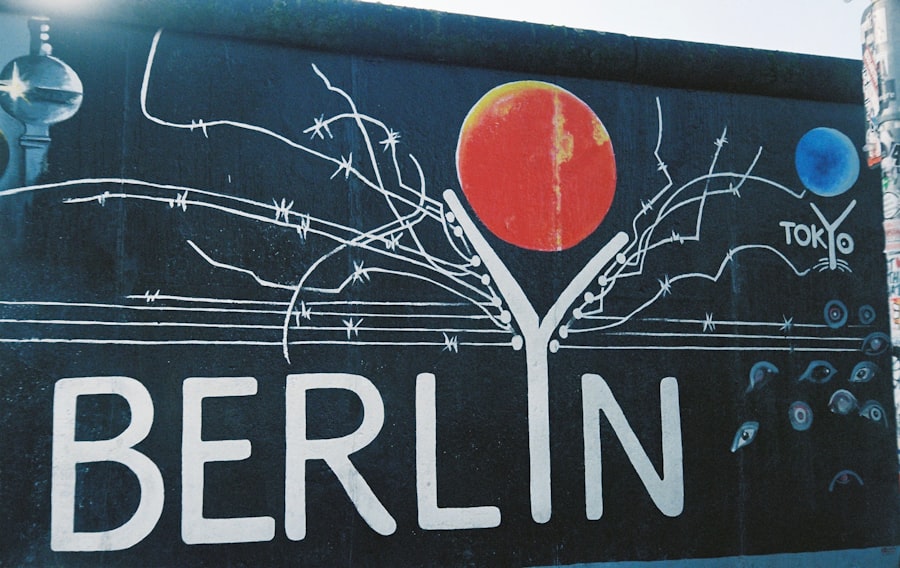
Faced with starvation and freezing temperatures, the people of West Berlin demonstrated an extraordinary spirit of resilience and determination. Their courage, combined with the unwavering resolve of the Western Allies, would ultimately thwart the Soviet plan. The city became a symbol of resistance against communist expansionism, a beacon of freedom in the heart of Soviet-dominated territory. The hardship was immense, but the will to survive and remain free was even greater.
Daily Life Under Siege
The blockade imposed severe hardships on the daily lives of West Berliners. Rationing became the norm, and every citizen had to adapt to scarcity and uncertainty.
Food and Fuel Shortages
The most pressing concerns were food and fuel. With winter approaching, the threat of freezing to death was a grim reality. Families had to meticulously manage their meager rations, and the prospect of widespread hunger was a constant worry.
The Black Market Emerges
In the face of official shortages, a black market inevitably emerged. While some sought to profit from the desperation, others engaged in it to obtain necessities they couldn’t otherwise find, often at exorbitant prices. This highlighted the ingenuity and, at times, the desperation of the population.
Psychological Impact of Isolation
The constant uncertainty and the feeling of being cut off from the rest of the world took a significant toll on the psychological well-being of West Berliners. The omnipresent threat of Soviet aggression and the unknown future weighed heavily on their minds.
The Role of the German Population
The German population of West Berlin did not passively accept their fate. They actively participated in the resistance and support of the Allied efforts, demonstrating their commitment to their city and their newfound freedom.
Solidarity and Mutual Support
Despite the shared hardship, a strong sense of solidarity and mutual support emerged within the West Berlin community. Neighbors helped neighbors, and communal efforts were organized to share resources and maintain morale.
Contributing to the War Effort
Many West Berliners found ways to contribute directly to the logistical efforts, working in factories, assisting with the unloading of planes, and providing essential services despite the immense challenges.
The Airlift: A Symphony of Hope

The Western Allies, unwilling to abandon West Berlin, embarked on an unprecedented humanitarian mission: the Berlin Airlift, codenamed “Operation Vittles” by the Americans and “Operation Plainfare” by the British. This monumental undertaking saw Allied aircraft flying round-the-clock, delivering vital supplies to the beleaguered city. The sky above Berlin became a constant hum of engines, a testament to human ingenuity and determination.
The Mechanics of the Airlift
The Berlin Airlift was an extraordinary logistical feat, requiring meticulous planning and execution on an unparalleled scale. The sheer volume of supplies needed to sustain over two million people demanded constant innovation and dedication.
The “Rosinenbomber” and Their Mission
The iconic “Rosinenbomber” (Raisin Bombers), named for the small parachutes of candy dropped for children, became a symbol of the airlift’s humanity. Pilots from various Allied nations flew with incredible precision and courage.
The Scale of the Operation
Thousands of flights were conducted daily, carrying everything from flour and coal to medicine and machinery. The sheer tonnage of supplies delivered was staggering, a testament to the dedication of the aircrews and ground personnel.
The Three Air Corridors
The Western Allies utilized three designated air corridors into West Berlin, which the Soviets had agreed to respect in previous treaties. These corridors became the vital arteries of the airlift, meticulously guarded and fiercely defended against any Soviet interference.
The Allies’ Unwavering Commitment
The Berlin Airlift was not just a logistical operation; it was a profound political statement. The Western Allies demonstrated their unwavering commitment to the freedom of West Berlin and their refusal to yield to Soviet pressure.
The United States’ Resolve
The United States, under President Truman, played a pivotal role in organizing and sustaining the airlift. It was a crucial test of American resolve in the nascent Cold War.
The British Contribution
The United Kingdom, despite its own post-war economic struggles, was a crucial partner in the airlift, providing a significant number of aircraft and personnel.
The French Role
The French, while having fewer resources, also contributed to the airlift, recognizing the importance of maintaining a unified Western front in Berlin.
The Soviet blockade of West Berlin in 1948 was a pivotal moment in the early Cold War, illustrating the intense geopolitical tensions between the East and West. This event not only led to the Berlin Airlift but also solidified the division of Germany and the broader ideological struggle. For a deeper understanding of the implications and strategies employed during this period, you can read a related article that explores the complexities of the situation in detail. Check it out here.
The Blockade’s End and Lasting Legacy
| Event | Date | Impact |
|---|---|---|
| Soviet Blockade | June 24, 1948 | Caused severe shortages of food and supplies in West Berlin |
| Berlin Airlift | June 1948 – May 1949 | Allied forces delivered over 2.3 million tons of supplies to West Berlin |
| End of Blockade | May 12, 1949 | Soviets lifted the blockade after the success of the Berlin Airlift |
After 11 months of relentless airlifts, the Soviet Union, realizing the futility of their blockade and facing mounting international condemnation, finally relented. On May 12, 1949, the blockade was lifted. The Soviet gamble had failed. West Berlin had not fallen, and its citizens had proven their indomitable spirit. The blockade and airlift became a defining moment of the early Cold War, solidifying the division of Germany and Europe and forging a lasting bond between West Berlin and the Western Allies. The legacy of this struggle continues to resonate, a powerful reminder of the price of freedom and the enduring strength of the human spirit in the face of oppression.
The Lifting of the Blockade: A Soviet Retreat
The Soviet decision to lift the blockade was a clear indication of their failure to achieve their objectives. The economic strain on the Soviet zone, coupled with the overwhelming international support for West Berlin, made the continued blockade untenable.
The Political Ramifications
The lifting of the blockade was a significant political victory for the Western Allies. It demonstrated their resolve and their ability to counter Soviet aggression without resorting to direct military conflict.
The Economic Consequences for the Soviets
While the West Berliners suffered hardship, the Soviet zone also experienced economic consequences due to the severed trade and the inability to fully integrate the city into their economic system.
The Birth of Two Germanys
The Berlin Blockade and Airlift served as a powerful catalyst for the formal division of Germany. In May 1949, the Federal Republic of Germany (West Germany) was established, followed by the German Democratic Republic (East Germany) in October of the same year. West Berlin remained a salient of the West within East Germany.
The Federal Republic of Germany (FRG)
The creation of West Germany marked a significant step towards the integration of the Western zones into the Western political and economic order.
The German Democratic Republic (GDR)
The establishment of East Germany formalized the Soviet sphere of influence in the eastern part of the country, solidifying the division of Germany.
A Symbol of Freedom and Resilience
West Berlin, under the shadow of the blockade, became a potent symbol of freedom and democratic resilience. The city’s struggle and the successful airlift inspired people around the world and cemented the narrative of the Cold War as a struggle between freedom and tyranny. The courage displayed by its citizens and the unwavering support of the Western Allies became a historical touchstone, forever etched in the annals of the 20th century. The memory of those difficult months served as a constant reminder of the fragility of peace and the importance of standing firm against oppressive forces.
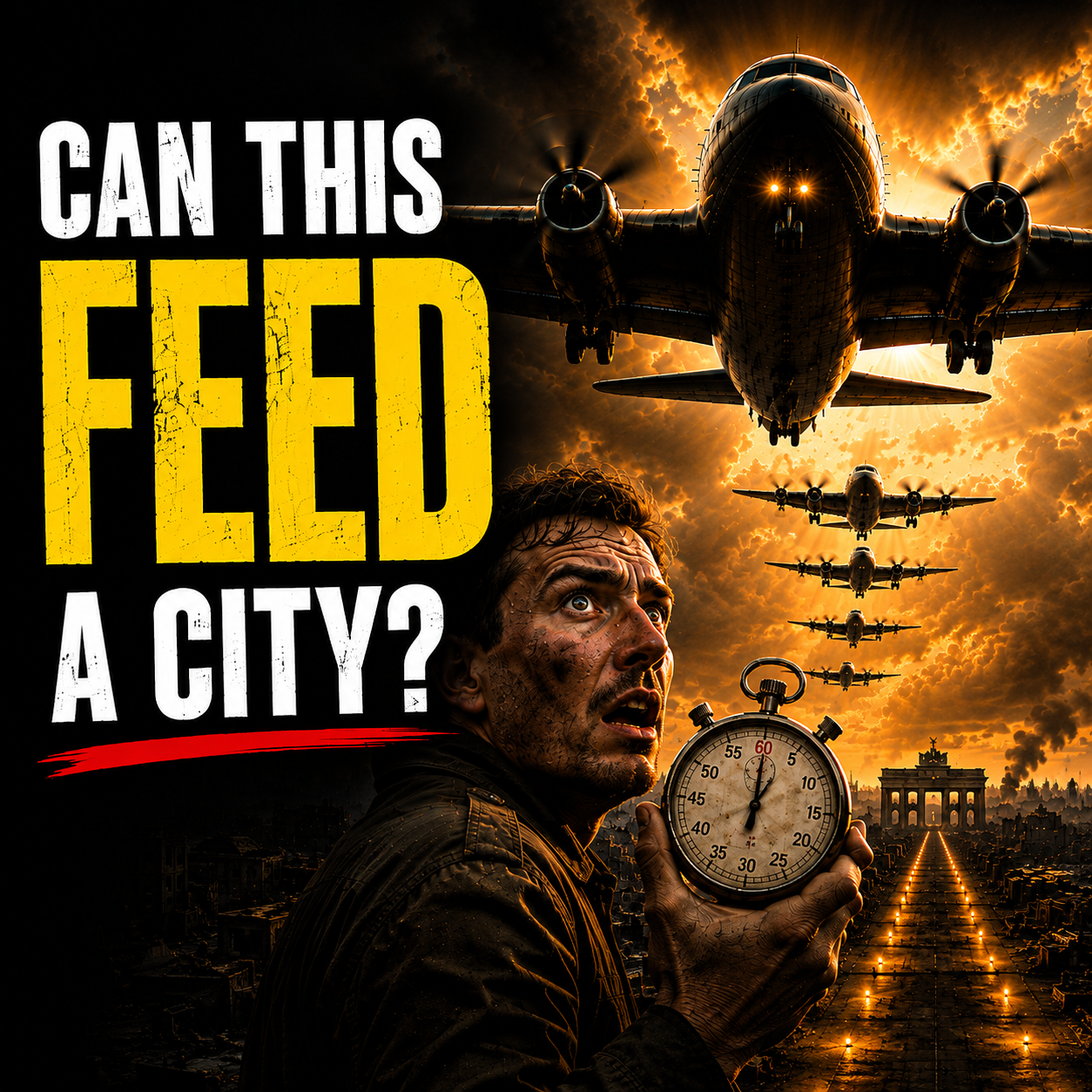
How 90 Seconds Kept 2 Million People Alive
FAQs
What was the Soviet blockade of West Berlin?
The Soviet blockade of West Berlin was a military blockade imposed by the Soviet Union on the Western Allies’ sectors of Berlin from June 24, 1948 to May 12, 1949. The blockade was a response to the introduction of the Deutsche Mark in West Berlin and the Western Allies’ decision to merge their occupation zones in Germany.
How did the Western Allies respond to the blockade?
In response to the blockade, the Western Allies organized the Berlin Airlift, a massive operation to supply West Berlin with food, fuel, and other necessities by air. Over the course of the airlift, more than 2.3 million tons of supplies were delivered to the city.
What was the outcome of the Soviet blockade of West Berlin?
The Soviet blockade of West Berlin ultimately ended on May 12, 1949, after almost a year of tension and the successful implementation of the Berlin Airlift. The blockade solidified the division between East and West Germany and set the stage for the establishment of the Federal Republic of Germany (West Germany) and the German Democratic Republic (East Germany).
What impact did the blockade have on the Cold War?
The Soviet blockade of West Berlin heightened tensions between the Western Allies and the Soviet Union, leading to a deepening of the divide between the two blocs in the early years of the Cold War. The successful response to the blockade also bolstered the confidence of the Western Allies in their ability to resist Soviet aggression.
How is the Soviet blockade of West Berlin remembered today?
The Soviet blockade of West Berlin is remembered as a pivotal moment in the early years of the Cold War and as a testament to the resilience and determination of the people of West Berlin and the Western Allies. The Berlin Airlift Memorial and other commemorations serve as reminders of the events of 1948-1949 and the enduring legacy of the blockade.