
The world teetered on the precipice of annihilation, a chilling reality brought into stark relief by the documentary “The Silent Threat: B-59 Submarine Nuclear War.” This gripping account delves into the harrowing events of October 27, 1962, during the Cuban Missile Crisis, specifically focusing on the near-catastrophic decision-making aboard the Soviet submarine B-59. Through meticulous research, expert interviews, and evocative re-enactments, the film transports viewers to the claustrophobic confines of a submerged vessel, where the fate of millions hung precariously in the balance, dictated by a handful of men operating under immense pressure, misinformation, and the ever-present threat of a world-ending war.
The Shadow of the Cold War
The documentary begins by setting the historical stage, painting a vivid picture of the intense geopolitical climate of the Cold War. Decades of escalating tensions between the United States and the Soviet Union had created a palpable atmosphere of fear and suspicion. The arms race, fueled by an insatiable desire for nuclear superiority, had brought both superpowers to a point where the capacity for mutually assured destruction (MAD) was a terrifyingly real prospect. The ideological chasm between communism and capitalism seemed insurmountable, and proxy conflicts and brinkmanship were the norm. The world held its breath, a global chess match played out with the lives of ordinary citizens as pawns.
Discovery of the Missiles
The documentary then meticulously reconstructs the discovery of Soviet nuclear missile sites in Cuba. U-2 spy planes, flying high above the island, captured photographic evidence that sent shockwaves through Washington. The proximity of these offensive weapons to the United States was an unprecedented escalation, a direct challenge to American national security. President John F. Kennedy and his advisors were faced with an agonizing dilemma, with options ranging from a full-scale invasion of Cuba to a naval blockade, each carrying its own perilous risks. The documentary effectively conveys the panic and urgency that gripped the American leadership as they grappled with this existential threat.
The Naval Blockade: A Calculated Risk
The film highlights President Kennedy’s decision to implement a naval blockade, or “quarantine,” around Cuba. This was a bold, yet calculated, move designed to prevent further Soviet military shipments from reaching the island without immediately resorting to direct military action. The documentary showcases the tension as American warships confronted Soviet vessels, the world watching with bated breath to see if these encounters would devolve into open conflict. The stakes were astronomically high; a single misstep could ignite a global nuclear war. The visual representation of these naval confrontations, interspersed with newsreel footage and expert commentary, effectively underscores the precariousness of the situation.
The B-59 submarine nuclear war documentary sheds light on a tense moment during the Cold War, highlighting the precarious balance between nuclear power and global security. For those interested in exploring more about the implications of nuclear warfare and historical events that shaped modern military strategies, a related article can be found at this link. This article delves into various incidents and decisions that have influenced international relations and the ongoing discourse surrounding nuclear armament.
The Unseen Players: The Crew of B-59
A Submarine in Isolation
“The Silent Threat” then shifts its focus to the cramped, humid interior of the Soviet submarine B-59, deep beneath the Atlantic Ocean. The documentary emphasizes the extreme isolation experienced by the crew. Cut off from direct communication with Moscow, they were operating on limited information and facing constant danger. The submarine itself, a technological marvel of its time, was also a testament to the grim realities of underwater warfare. The confined spaces, the constant hum of machinery, and the ever-present threat of detection by American destroyers created an environment of intense psychological pressure.
The B-59 submarine nuclear war documentary provides a gripping insight into a tense moment during the Cold War, highlighting the precarious nature of nuclear brinkmanship. For those interested in exploring more about the historical context and the broader implications of such events, a related article can be found at In the War Room, which delves into various military strategies and their impacts on global security. This resource enhances the understanding of the delicate balance that defined an era marked by fear and uncertainty.
The Three Key Figures
The film masterfully introduces the three central figures whose decisions would ultimately determine the fate of the world: Captain Valentin Savitsky, Political Officer Ivan Maslennikov, and Second Captain Vasili Arkhipov. The documentary meticulously details their roles, their personalities, and the conflicting pressures they faced. Savitsky, the captain, was responsible for the operational integrity of the submarine. Maslennikov, the political officer, represented the Communist Party’s ideology and was tasked with ensuring the crew’s ideological purity and loyalty. And then there was Arkhipov, the flotilla commander, who, while not in direct command of the B-59, held a crucial veto power over the use of nuclear weapons.
The Weight of Command
The documentary delves into the immense psychological burden placed upon these men. They were not just sailors; they were custodians of potentially world-ending weapons. The constant fear of detection, the possibility of being attacked by American forces, and the absence of clear directives from Moscow combined to create a pressure cooker environment. The film uses dramatic re-enactments to portray the officers’ heated discussions and debates, highlighting their differing perspectives and the agonizing choices they were forced to consider. The claustrophobic atmosphere of the submarine is palpable, amplifying the sense of impending doom.
The Brink of Nuclear War

The False Alarm
The most critical juncture in the documentary is the depiction of the events that almost led to nuclear war. The B-59, harassed by American destroyers dropping practice depth charges to force it to surface, believed it was under direct attack. The documentary meticulously recreates the chaos and confusion that ensued within the submarine. The depth charges, though intended as non-lethal signals, were perceived as an act of aggression, igniting panic and fear among the crew.
The Nuclear Torpedo Debate
In the heat of this perceived attack, Captain Savitsky, believing war had already begun, ordered the arming of one of the submarine’s nuclear torpedoes. This is the pivotal moment that the documentary focuses on, the closest the world has ever come to nuclear Armageddon. The film graphically illustrates the heated arguments that erupted between the officers. Savitsky and Maslennikov were convinced that they had no choice but to retaliate with nuclear force. The documentary effectively conveys their desperation and the belief that they were fighting a battle for their lives and for the Soviet Union.
Vasili Arkhipov’s Stand
The narrative then pivots to the heroic actions of Vasili Arkhipov. As the flotilla commander, Arkhipov had the ultimate say on whether to launch the nuclear torpedo. The documentary emphasizes that under Soviet naval doctrine at the time, all three senior officers on board a submarine had to agree to launch a nuclear weapon. Savitsky and Maslennikov were in favor of launching, but Arkhipov vehemently disagreed. He understood the catastrophic consequences of such an action, the certainty of global retaliation, and the devastating impact of nuclear war on humanity. The film portrays Arkhipov’s calm resolve in the face of intense pressure from his fellow officers, his unwavering commitment to de-escalation, and his remarkable foresight.
The Aftermath and Legacy

A World Unaware
“The Silent Threat” powerfully underscores the fact that the world remained blissfully unaware of how close it had come to annihilation. While the public was focused on the tense standoff between Kennedy and Khrushchev, the real danger had unfolded in the silent depths of the ocean, unseen and unheard by the vast majority of humanity. The documentary highlights the profound irony that the fate of the world rested on the shoulders of a few men in a submerged vessel, their decision-making obscured by the secrecy of the Cold War.
The Role of Arkhipov in History
The documentary meticulously details the immense historical significance of Vasili Arkhipov’s actions. For decades, his role was largely unknown to the public. It was only through later declassified documents and testimonies that his crucial contribution to preventing nuclear war came to light. The film positions Arkhipov as an unsung hero, a man whose quiet courage and clear-headedness averted a global catastrophe. His story serves as a powerful reminder that even in the darkest of times, individual actions can have profound and far-reaching consequences.
Lessons for the Future
The documentary concludes by reflecting on the enduring lessons of the B-59 incident. It serves as a stark warning about the dangers of nuclear proliferation, the importance of clear communication and de-escalation in times of crisis, and the perils of unchecked military brinkmanship. The film implores viewers to remember the fragility of peace and the devastating consequences of nuclear war. It is a call to action, urging nations to prioritize diplomacy and to work towards a world free from the existential threat of nuclear weapons. The documentary’s message resonates deeply, urging a continuous dialogue on disarmament and the responsible stewardship of nuclear technology.
The Psychological Toll of Nuclear Brinkmanship
Beyond the strategic and political implications, “The Silent Threat” also offers a profound insight into the psychological toll of nuclear brinkmanship. The film doesn’t shy away from depicting the fear, paranoia, and the immense stress that permeated the submarine. The constant threat of detection, the pressure of carrying such destructive power, and the limited communication all contributed to a psychological environment where rational decision-making was severely tested. The documentary highlights how misinformation and misinterpretation, amplified by the stress of the situation, could have led to irreversible consequences. The re-enactments effectively convey the heightened emotions and the desperate pleas of the officers, making the human element of the crisis undeniably present. The film forces viewers to consider the immense psychological burden carried by those in command during such volatile periods, a burden that is rarely visible to the outside world. The sheer weight of potential destruction, held within the confines of a metal hull, is a concept that the documentary grapples with, making the story of B-59 a deeply human one, despite its global implications.
The Importance of Independent Judgment
The story of B-59 is a potent testament to the critical importance of independent judgment, even within hierarchical military structures. Vasili Arkhipov’s refusal to yield to the pressure from his captain and political officer, despite the potential personal repercussions, demonstrates the power of conviction and the ethical responsibility that accompanies command. The documentary meticulously explores the internal conflict Arkhipov must have experienced, torn between his duty to obey orders and his moral imperative to prevent a global catastrophe. His actions challenge the notion of blind obedience and underscore the value of dissenting voices when the stakes are this high. The film encourages reflection on how such independent judgment can be fostered and protected, even in the most challenging of circumstances, and how crucial it is for individuals to possess the courage to act on their convictions when faced with the potential for catastrophic outcomes. The film implicitly asks: how many other critical moments in history might have been averted, or perhaps tragically escalated, due to the presence or absence of such a steadfast individual?
The Enduring Relevance of the Cuban Missile Crisis
“The Silent Threat: B-59 Submarine Nuclear War” effectively argues for the enduring relevance of the Cuban Missile Crisis in the 21st century. While the geopolitical landscape has evolved, the specter of nuclear conflict remains a persistent threat. The documentary serves as a potent reminder that the lessons learned from this historical event are not merely academic but are vital for navigating contemporary international relations. The film implicitly draws parallels between the Cold War era and current global tensions, emphasizing the continued need for robust diplomatic channels, arms control agreements, and a commitment to de-escalation. The documentary’s unflinching portrayal of how close the world came to nuclear war compels a re-evaluation of current nuclear arsenals and the potential consequences of their use, making its message not just a historical recounting, but a pressing contemporary concern. The film effectively argues that understanding the near-misses of the past is crucial for preventing future disasters.
The Power of Narrative in Historical Understanding
The documentary’s success lies in its masterful use of narrative to bring a complex and terrifying historical event to life. By focusing on the human drama within the submarine, “The Silent Threat” makes the abstract concept of nuclear war deeply personal and relatable. The film’s ability to weave together historical facts, expert analysis, and dramatic re-enactments creates a compelling and immersive experience that stays with the viewer long after the credits roll. The power of this narrative approach lies in its capacity to educate, to provoke thought, and to foster a deeper understanding of the profound stakes involved in nuclear disarmament and international peace. The film demonstrates that historical understanding is not just about memorizing dates and facts, but about connecting with the human experiences that shaped them, making the lessons learned all the more impactful and memorable.
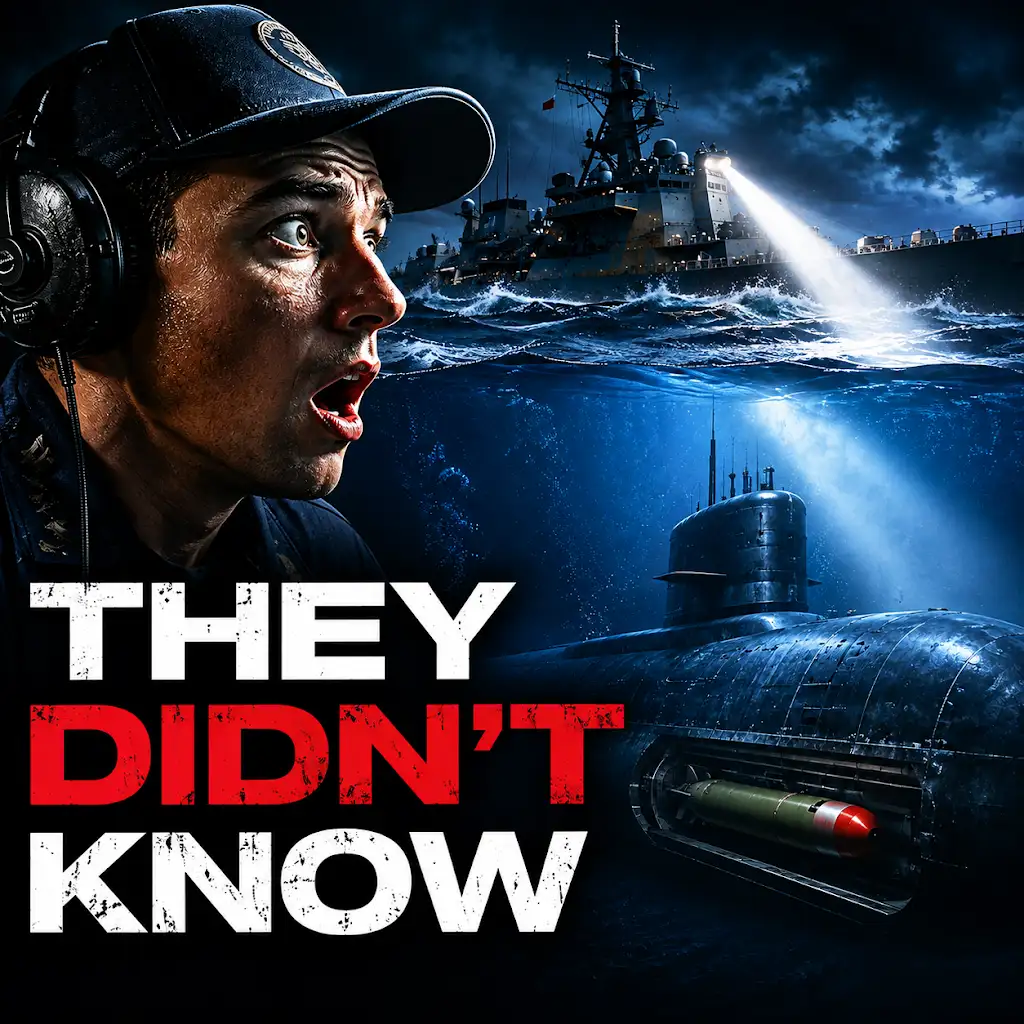
The U.S. Navy Didn’t Know This Submarine Had a Nuclear Torpedo
FAQs
What is the B-59 submarine nuclear war documentary about?
The B-59 submarine nuclear war documentary explores the events surrounding the Cuban Missile Crisis in 1962, focusing on the perspective of the Soviet B-59 submarine crew who were unaware of the escalating tensions between the United States and the Soviet Union.
Why is the B-59 submarine significant in the context of nuclear war?
The B-59 submarine is significant in the context of nuclear war because it was involved in a critical moment during the Cuban Missile Crisis when it was located near Cuba and came close to launching a nuclear torpedo in response to depth charges from U.S. Navy vessels.
What new information does the documentary reveal about the Cuban Missile Crisis?
The documentary reveals previously undisclosed information about the B-59 submarine crew’s perspective and their lack of communication with Moscow, shedding new light on the tensions and misunderstandings that characterized the Cuban Missile Crisis.
How does the B-59 submarine nuclear war documentary contribute to our understanding of nuclear warfare?
The documentary contributes to our understanding of nuclear warfare by highlighting the human element of the Cuban Missile Crisis and the potential for miscommunication and miscalculation in high-stakes situations, emphasizing the need for diplomacy and communication in nuclear crises.
Where can the B-59 submarine nuclear war documentary be viewed?
The B-59 submarine nuclear war documentary may be available for viewing on various streaming platforms, and it may also be screened at film festivals, museums, or special events related to nuclear history and international relations.